The Difference Between Binaural and Stereo Recording

The Difference Between Binaural and Stereo Recording

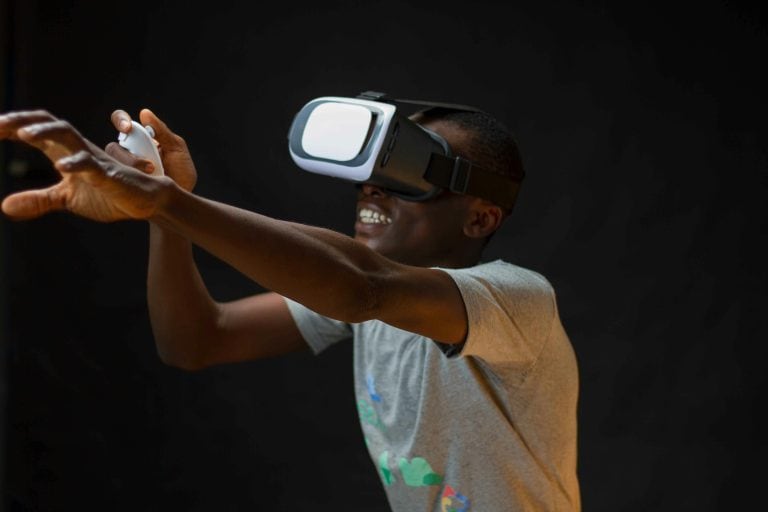
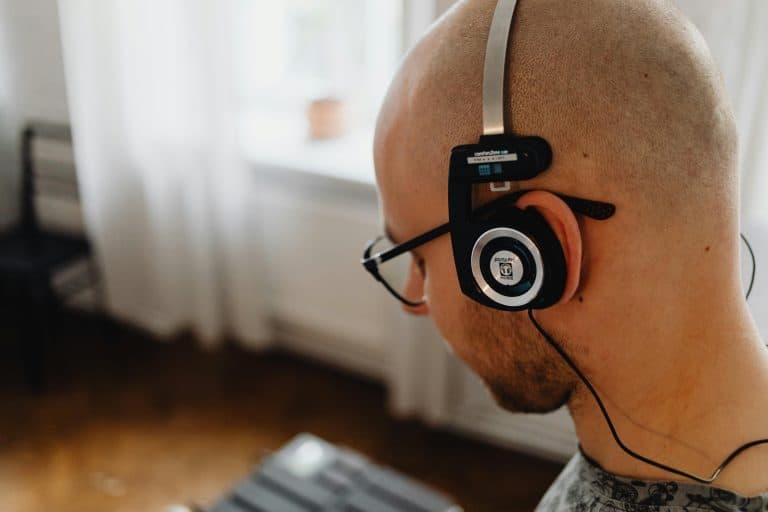
Binaural and stereo audio may seem similar, but they create completely different listening experiences. Stereo delivers the familiar left-right soundstage used in most music, while binaural recording captures sound the way human ears naturally hear it, placing the listener inside a full 3D environment. Knowing the difference helps musicians, podcasters, and sound designers choose the right method for their projects.

9 Creative Projects and Experiments to Try With Contact Microphones

9 Creative Projects and Experiments to Try With Contact Microphones

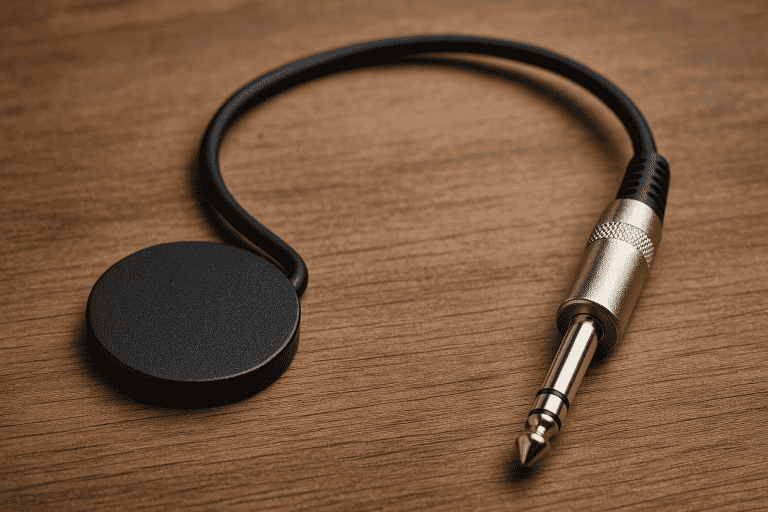
Contact microphones let you explore sound in ways traditional mics can’t. By capturing surface vibrations from everyday objects, instruments, and natural materials, they open the door to experiments in music, sound design, and Foley work. This guide explores creative projects you can try, from turning household tools into instruments to recording mechanical textures, outdoor resonance, water vibrations, and DIY builds.

Insta360 Introduces “Wave,” Its AI-Driven Microphone-Speaker for Smarter Meetings

Insta360 Introduces “Wave,” Its AI-Driven Microphone-Speaker for Smarter Meetings

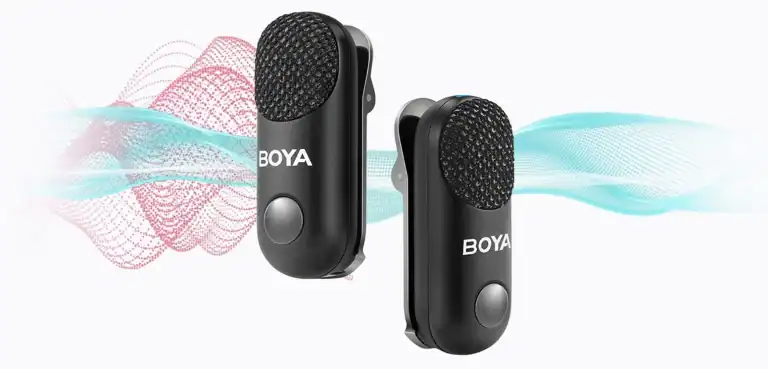
Insta360’s new AI-powered Wave microphone and speaker system brings high-end audio intelligence to hybrid meetings. With advanced noise suppression, built-in transcription, and seamless webcam pairing, it aims to simplify communication and automate note-taking in real time.

Mounting and Positioning Tips for Contact Mics

Mounting and Positioning Tips for Contact Mics

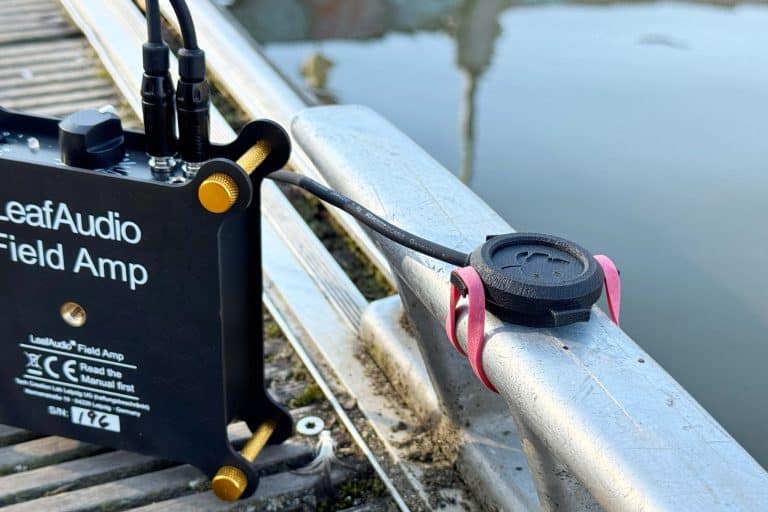
Mounting and positioning play a crucial role in how contact microphones capture sound. From guitars and drums to field recordings of metal, glass, or even water, placement determines the tone, resonance, and clarity of your recordings. Learning how to manage resonance, reduce handling noise, and experiment with different surfaces helps you unlock the full creative potential of contact mics.