Safety and Listening Considerations with Binaural Beats
Table of Contents
Binaural beats have gained significant attention in recent years as a tool for relaxation, meditation, focus, and sleep support. By presenting slightly different sound frequencies to each ear, binaural beats create the perception of a third tone inside the brain. This auditory illusion can influence brainwave activity and potentially promote states associated with calmness, concentration, or deep rest.
While many listeners find binaural beats beneficial, understanding the safety and listening considerations with binaural beats is essential before incorporating them into your daily routine. Listening responsibly ensures that you experience the benefits while avoiding potential discomfort or misuse.
What Are Binaural Beats?
Binaural beats occur when two tones of slightly different frequencies are played separately in each ear through headphones. The brain processes the difference between the tones and perceives a third rhythmic pulse: the binaural beat.
For example, if a 200 Hz tone is played in one ear and a 210 Hz tone is played in the other, the brain interprets a 10 Hz binaural beat, which falls within the alpha brainwave range associated with relaxation.
Different frequency ranges are often used for specific purposes:
- Delta (0.5–4 Hz): Deep sleep and restoration
- Theta (4–8 Hz): Meditation and creativity
- Alpha (8–13 Hz): Relaxation and calm focus
- Beta (13–30 Hz): Alertness and productivity
- Gamma (30+ Hz): High-level cognitive processing
Although research is still evolving, many listeners report improvements in concentration, stress reduction, and sleep quality.
Why Safety Matters When Listening to Binaural Beats
Like any form of audio stimulation, binaural beats should be used thoughtfully. Because they interact with the brain’s auditory processing system and may influence mental states, improper listening habits could lead to discomfort for some users.
Understanding binaural beats listening safety helps ensure a positive and balanced listening experience.
Some listeners may experience:
- Headaches from prolonged headphone use
- Ear fatigue from high volume levels
- Mild dizziness or disorientation during deep relaxation sessions
- Distraction, if used in situations that require full alertness
These effects are typically temporary and avoidable with proper listening practices.
Use Headphones for Proper Binaural Beat Perception

One of the most important listening considerations with binaural beats is the use of stereo headphones. Because each ear must receive a slightly different tone, binaural beats work best when:
- Headphones deliver separate audio channels to each ear
- External sound interference is minimized
- The listener can clearly perceive the frequency difference
Listening through speakers can reduce or eliminate the binaural effect because the tones mix in the air before reaching the ears.
For the best experience, use comfortable headphones that allow extended listening without pressure on the ears.
Keep Volume at Safe Listening Levels
Maintaining a safe volume is essential when listening to any audio content, including binaural beats. Listening at excessively high levels can lead to ear fatigue or hearing damage over time. A good rule is to keep the volume at a level where the sound is clearly audible but not overpowering.
Recommended listening practices include:
- Keeping volume at moderate levels
- Avoiding sudden volume spikes
- Taking breaks during long sessions
Many binaural tracks are designed to be soft and ambient, meaning they work effectively even at low volume levels.
Start with Short Listening Sessions
If you are new to binaural beats, it is best to begin with shorter sessions to observe how your body and mind respond. Begin with sessions of 10 to 20 minutes, then gradually extend listening time if you feel comfortable.
Short sessions allow listeners to:
- Become familiar with the auditory experience
- Evaluate how different frequencies affect mood and focus
- Avoid sensory fatigue
Over time, some listeners incorporate binaural beats into longer meditation or relaxation sessions lasting 30–60 minutes.
Avoid Listening While Driving or Operating Machinery
Certain binaural beat frequencies promote deep relaxation or meditative states. These effects can reduce alertness, which may be unsafe in certain situations.
For safety reasons, avoid listening to binaural beats when:
- Driving a vehicle
- Operating heavy machinery
- Performing tasks requiring full concentration
- Situations where awareness and quick reactions are necessary
Instead, use binaural beats in calm environments where you can fully relax or focus without risk.
Consider Health Conditions and Sensitivities
Although binaural beats are generally safe for most people, individuals with certain neurological conditions should consult a medical professional before using them regularly. For example, people with epilepsy or seizure disorders may be more sensitive to rhythmic auditory stimulation.
Other listeners who should proceed cautiously include those with:
- Severe migraines triggered by sound
- Sensory processing sensitivities
- Inner ear conditions
If you experience discomfort such as dizziness, headaches, or anxiety while listening, discontinue use and consult a healthcare professional.
Choose High-Quality Audio Sources
The quality of the binaural beat recording can significantly influence the listening experience. Poorly produced tracks may introduce distortion, uneven frequencies, or distracting audio artifacts that reduce effectiveness and increase listening fatigue.
When selecting audio tracks:
- Choose reputable producers or audio platforms
- Look for professionally engineered recordings
- Ensure the track clearly states the intended frequency range
High-quality recordings create smoother soundscapes that make binaural beats easier and more comfortable to listen to.
Create the Right Listening Environment
The environment you choose can influence how effective binaural beats are. For optimal results:
- Find a quiet, comfortable space
- Minimize distractions
- Sit or lie in a relaxed position
- Combine listening with breathing exercises or meditation
A calm environment enhances the brain’s ability to process auditory cues and enter desired mental states such as relaxation or focused attention.
Understanding Individual Differences in Response
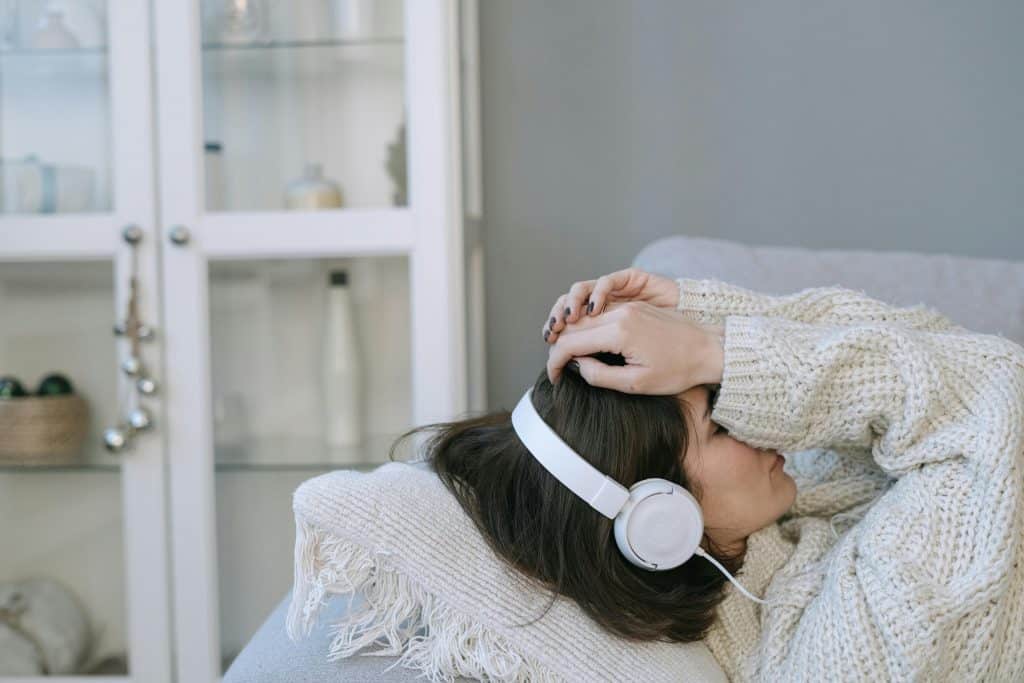
Not everyone experiences binaural beats in the same way. Some listeners report noticeable improvements in relaxation, concentration, or sleep, while others feel little effect. This variation occurs because brainwave responses and sensory processing differ between individuals.
Factors that may influence results include:
- Listening consistency
- Mental state before listening
- Environmental distractions
- Audio quality
- Personal sensitivity to sound frequencies
Experimenting with different frequency ranges can help determine what works best for your goals.
Final Thoughts
Binaural beats offer a fascinating example of how sound can interact with brainwave activity and mental states. Many people incorporate them into routines for meditation, focus, or sleep improvement.
However, understanding safety and listening considerations with binaural beats is essential for a positive experience. Using headphones, maintaining safe volume levels, starting with short sessions, and choosing high-quality audio recordings all contribute to responsible listening. When used thoughtfully, binaural beats can be a safe and effective tool for enhancing relaxation, concentration, and overall well-being.
Frequently Asked Questions
Are binaural beats safe to listen to every day?
Yes, most people can safely listen to binaural beats daily when used at moderate volume levels and reasonable session lengths. Regular breaks and proper headphone use help prevent listening fatigue.
Can binaural beats damage hearing?
Binaural beats themselves do not damage hearing. However, listening at excessively high volumes for long periods may contribute to hearing strain, just like any other audio content.
Do binaural beats work without headphones?
They may still be audible through speakers, but the binaural effect is significantly reduced. Stereo headphones are necessary to deliver different frequencies to each ear and produce the intended brainwave perception.
Can binaural beats cause headaches?
Some listeners may experience mild headaches if the volume is too high or sessions are too long. Lowering the volume and limiting session duration typically resolves this issue.
Are binaural beats scientifically proven?
Research on binaural beats is ongoing. Some studies suggest they may influence brainwave patterns and relaxation responses, but results vary between individuals and listening conditions.