9 Creative Projects and Experiments to Try With Contact Microphones

9 Creative Projects and Experiments to Try With Contact Microphones

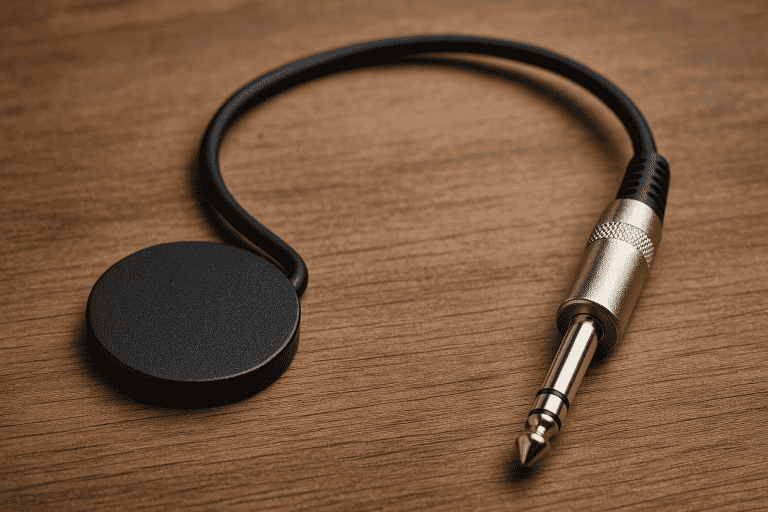
Contact microphones let you explore sound in ways traditional mics can’t. By capturing surface vibrations from everyday objects, instruments, and natural materials, they open the door to experiments in music, sound design, and Foley work. This guide explores creative projects you can try, from turning household tools into instruments to recording mechanical textures, outdoor resonance, water vibrations, and DIY builds.

Mounting and Positioning Tips for Contact Mics

Mounting and Positioning Tips for Contact Mics

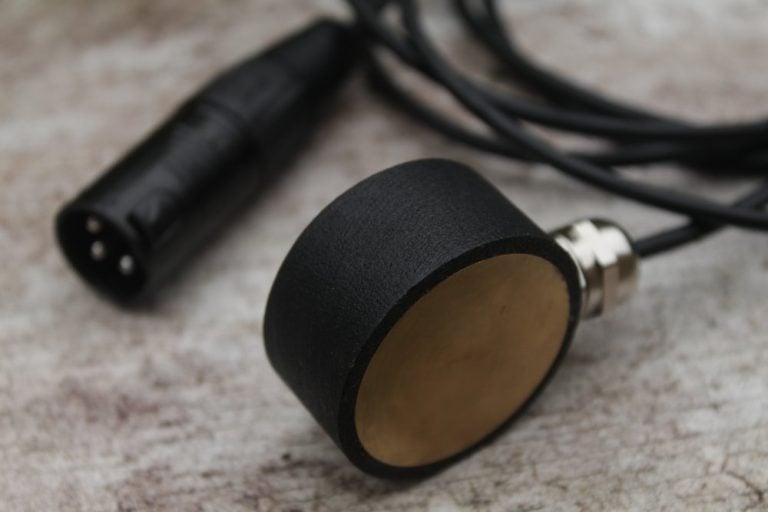
Mounting and positioning play a crucial role in how contact microphones capture sound. From guitars and drums to field recordings of metal, glass, or even water, placement determines the tone, resonance, and clarity of your recordings. Learning how to manage resonance, reduce handling noise, and experiment with different surfaces helps you unlock the full creative potential of contact mics.

How to Build Your Own DIY Contact Microphone

How to Build Your Own DIY Contact Microphone

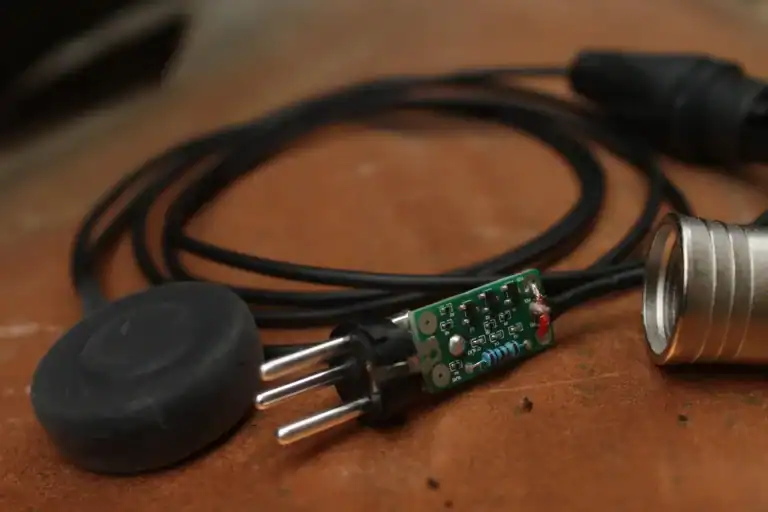
A diy contact microphone lets you capture vibrations directly from surfaces, instruments, and objects for unique sound recordings. With just a piezo disk, wires, hot glue, and a soldering iron, you can build your own contact mic and connect it to an audio interface, amplifier, or mixer. Adding insulation like heat shrink tubing and using shielded cable ensures durability and the best sound quality.

6 Best Uses for Contact Microphones in Field Recording

6 Best Uses for Contact Microphones in Field Recording

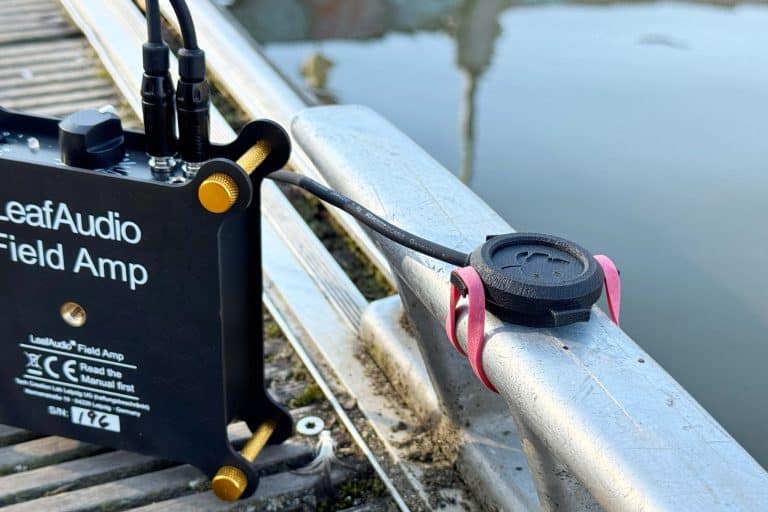
Contact microphones capture vibrations directly from solid objects, making them ideal for recording hidden or subtle sounds in field work. From resonating surfaces and industrial machinery to natural soundscapes and musical textures, they allow recordists to isolate unique audio without environmental noise interference.