The Difference Between Binaural and Stereo Recording

The Difference Between Binaural and Stereo Recording

Binaural and stereo audio may seem similar, but they create completely different listening experiences. Stereo delivers the familiar left-right soundstage used in most music, while binaural recording captures sound the way human ears naturally hear it, placing the listener inside a full 3D environment. Knowing the difference helps musicians, podcasters, and sound designers choose the right method for their projects.

Binaural Recording Equipment and Gear Recommendations

Binaural Recording Equipment and Gear Recommendations

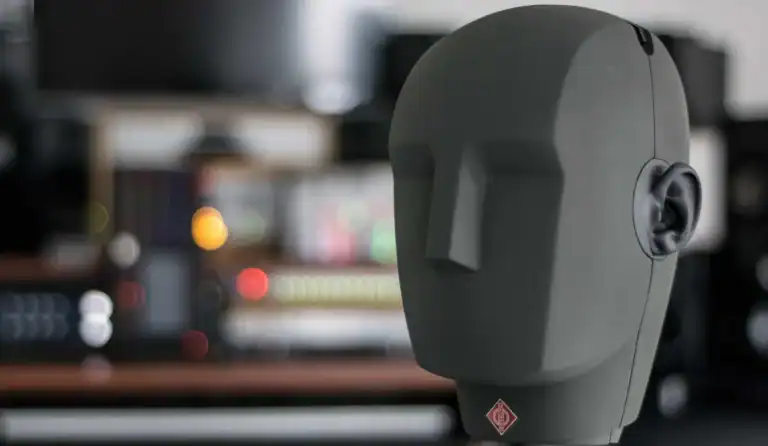
Binaural recording equipment lets creators reproduce audio the way human ears naturally hear it, making recordings sound three-dimensional and lifelike. Whether you’re using in-ear mics or a full dummy head system, this guide explores recommended gear, recording methods, FAQs, and tips to help you start capturing immersive sound for ASMR, VR, music, and field production.

New “Visual Microphone” Lets Scientists Hear Sound by Watching Vibrations

New “Visual Microphone” Lets Scientists Hear Sound by Watching Vibrations

Scientists have developed a new type of “visual microphone” that captures sound by observing tiny vibrations on objects rather than using traditional audio sensors. The technology converts visual motion into sound, opening new possibilities where regular microphones fall short.

9 Creative Projects and Experiments to Try With Contact Microphones

9 Creative Projects and Experiments to Try With Contact Microphones

Contact microphones let you explore sound in ways traditional mics can’t. By capturing surface vibrations from everyday objects, instruments, and natural materials, they open the door to experiments in music, sound design, and Foley work. This guide explores creative projects you can try, from turning household tools into instruments to recording mechanical textures, outdoor resonance, water vibrations, and DIY builds.