Binaural Recording Equipment and Gear Recommendations
Table of Contents
Capturing audio the way human hearing naturally does has become a game-changer for filmmakers, podcasters, ASMR creators, and VR designers. With the right equipment, you can record realistic, three-dimensional sound that feels like real life, where listeners hear every whisper, movement, and texture as if they’re standing inside the space with you.
What You Need to Record Immersive Binaural Audio
A proper setup can be simple or advanced, depending on your budget. Every binaural recording system revolves around one goal: placing two external microphones the same average distance apart as human ears and capturing sound separately for each channel, left and right.
Essential gear to purchase includes:
- Binaural microphones or dummy head systems
- A portable recorder (USB, XLR, or phone compatible)
- Monitoring headset
- Adapters and extension cables
- Optional accessories like windscreens to minimize unwanted noise and power supplies
Whether you’re buying your first pair or upgrading your setup, this equipment list gives you a strong foundation for recording in any environment.
Why Binaural Recordings Feel Real to Listeners
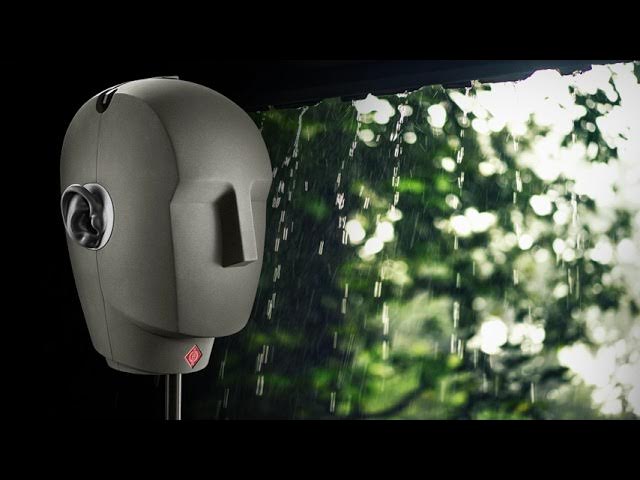
What makes binaural audio different is how it interacts with the ear canal. Sound waves enter one ear slightly before the other, bounce off the head, and arrive at different intensities. Your brain uses these subtle differences to map space, creating the illusion of three-dimensional soundscapes similar to natural human hearing.
When done right, binaural recordings reproduce the following:
- Room reflections
- Directional cues
- Changes in space, distance, and movement
- Tiny environmental sounds you’d normally tune out
That’s why ASMR triggers, VR experiences, and nature ambience feel so lifelike.
The Experience That Mimics Human Hearing
At its core, binaural audio works because it copies the geometry of human hearing. Two microphones, two ears, and a realistic position create a signal that your brain interprets the same way it interprets everyday sound.
Use cases include:
- Music and live performance
- Video games
- Research on perception
- Storytelling podcasts
- VR, AR, and mixed-reality environments
If you want your audience to hear sound that feels like they are inside the moment, binaural audio is the tool that best resembles human hearing.
Binaural Recording Methods: Choose the Right Approach
There are three core binaural recording methods, each with a difference in price, workflow, and level of sound realism. Choosing the right method depends entirely on your goals, budget, and how realistic you need your recordings to sound.
1. In-Ear / Ear-Mounted Mics
Two lightweight binaural microphone capsules fit directly in your ears or clip near them to record sound from your personal point of hearing. This setup is portable and pairs well with mobile devices, making it ideal for creators who shoot vlogs, ASMR recordings, or outdoor footage on the go.
2. Dummy Head Systems
A sculpted head houses two binaural microphones spaced exactly like ears. This professional setup delivers the best binaural audio possible and is commonly used in film production, acoustic research, and high-end live music performance where sound realism matters.
3. Spaced Stereo Alternatives (Quasi-Binaural)
This isn’t technically true binaural, but placing two small external microphones at ear width still creates impressive stereo separation. It’s an extremely inexpensive method and a great option for beginners who want to learn how binaural sound works without a large investment.
Why Dummy Heads Still Lead for True Binaural Audio
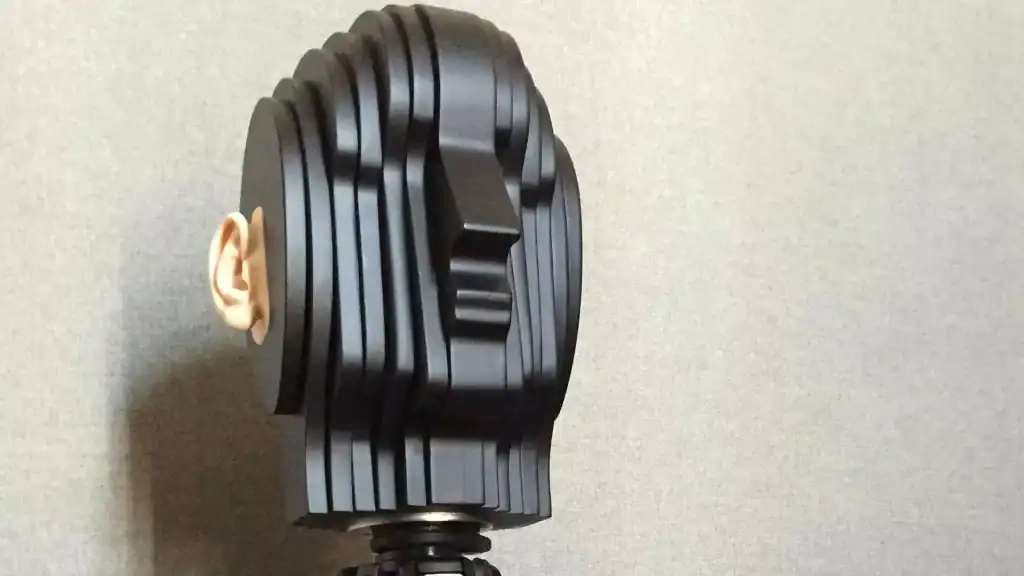
While ear-mounted microphones are convenient, binaural audio is usually achieved using a physical head model. The shape directs sound into the ears exactly as it would on a real person.
Benefits include:
- Highly accurate spatial reproduction
- Clear left-right ear sound separation
- Perfect placement of directional cues
- Professional consistency session after session
This is why film engineers, acoustic labs, and symphony recordings often purchase and rely on dummy-head rigs.
Difference Between Dummy Head Setups and Other Binaural Methods
The biggest difference between dummy head setups and in-ear or spaced stereo approaches comes from how accurately they model a real listener.
One key difference is how the physical form redirects reflections. A dummy head places mics where your ears sit, and the head-shaped shell naturally blocks and filters the wavefront. By contrast, an in-ear method keeps the capsules in your ears and relies less on a physical form to guide sound. A spaced pair method simply uses the average ear width, which is a major difference in how the wavefront is heard and interpreted.
A subtle difference relates to timing: a dummy rig preserves tiny MS delays that reach each ear at a slightly different MS point. Engineers rely on MS timing and MS cues to decode spatial cues, and the MS arrival variation can be the audio difference that listeners notice most.
Most dummy head rigs also use a professional XLR connector, while compact in-ear rigs connect directly into portable recorders.
Top Options for Binaural Microphones
Choosing the right gear often comes down to budget, so here’s a quick look at what you can expect at different price levels, from starter microphones to professional tools, so you can make a smart purchase.
Entry Level (Affordable and Inexpensive)
For beginners or creators who just want to experiment, the Sound Professionals SP-TFB-2 provides an in-ear binaural microphone pair that plugs directly into a phone or compact recorder, making it easy to get started.
Another solid option is the Roland CS-10EM, which functions as both earbuds and built-in binaural microphones, allowing you to monitor and record at the same time without switching gear.
Mid-Range
If you want higher fidelity without spending thousands, the 3Dio FS mic is a fan favorite among ASMR artists because it preserves natural acoustic feedback, subtle reverb, and fine detail.
Also in this range is the Hooke Verse, a versatile set with both Bluetooth and USB connectivity that works especially well for YouTube creators and mobile workflows.
High-End / Professional
At the top tier, the Neumann KU 100 stands as the industry-standard dummy head binaural microphone system, delivering some of the most accurate and true binaural audio available.
Another trusted choice is the Sennheiser AMBEO line of smart headsets and binaural microphone sets, which are widely used for VR production and location recording where precision and realism are crucial.
Must-Have Extras and Accessories for Binaural Mics
Small upgrades dramatically improve your final audio. Must-haves include:
- Wind protection for outdoor noise control
- Portable power banks
- Splitters and adapters to plug mics into devices via USB or XLR connection
- Quality closed-back headphones to monitor without bleed
- Shock mounts for handling microphone noise
The Bottom Line
Capturing immersive binaural audio doesn’t require a huge microphone budget. Even a cheap in-ear microphone pair can create convincing binaural recordings, while high-end rigs deliver unmatched realism.
Choose your microphone, pick the method that matches your goals, and you’ll be ready to produce three-dimensional sound that turns ordinary recording sessions into lifelike sonic journeys.
FAQ: Your Binaural Recording Questions Answered
What is a binaural microphone used for?
A binaural microphone is used to record sound the way human hearing does, with realistic direction, distance, and movement cues. These microphones are commonly used for games, ASMR, VR, film, and life-like field recordings.
Why do binaural recordings depend so much on the ears?
Binaural recording works by capturing sound the same way your ears do in real life. Each of your ears hears sound from a slightly different angle, distance, and volume, which your brain uses to locate where a sound is coming from.
When two microphones are placed where your ears would normally sit, the recording preserves those tiny timing and level changes. That means listeners wearing headsets hear audio as if the sound reached their own ears in the same order and intensity.
What is the best binaural microphone?
With choices ranging from pocket-sized ear mics to full dummy head systems, it helps to know which microphone options deliver the best results at each skill level and budget. Here are the top microphone picks for different types of users:
- The best microphone for professional/true binaural audio: Neumann KU 100 dummy head
- The best binaural microphone for beginners: Roland CS-10EM Mic or Sound Professionals SP-TFB-2 Mic
- The best binaural microphone for YouTube creators: 3Dio FS Mic
How to record binaural audio?
Place two microphones at ear height, either using an in-ear binaural microphone or a dummy head. Connect them to a recorder, adjust levels evenly for both channels, monitor using a headset, and start recording. Minimize handling noise and pick a quiet area for best results.
How do you avoid unwanted noise when recording?
To reduce unwanted noise, start by choosing a quiet location and avoid touching cables or clothing while recording. Wind can introduce noise outdoors, so using small foam windscreens or fur covers on the mics helps a lot. Finally, monitor your levels with a headset. If you hear noise, adjust gain or reposition your setup before you continue recording.
What is the best way to listen to a binaural head recording?
Always use quality headphones, preferably over-ear, closed-back designs. Binaural sound relies on left-right ear separation. Speakers mix both channels in the air, removing the spatial effect. A headset lets you fully hear and feel the directional information.
Why does binaural audio sound more real than standard stereo?
Binaural audio is different from standard stereo because it creates sound that feels more lifelike. Each microphone records sound the same way you hear it in everyday environments. Your brain processes tiny timing and volume differences to figure out where sounds are coming from, so when you listen back, you hear depth, distance, and direction that standard stereo simply can’t create or reproduce.