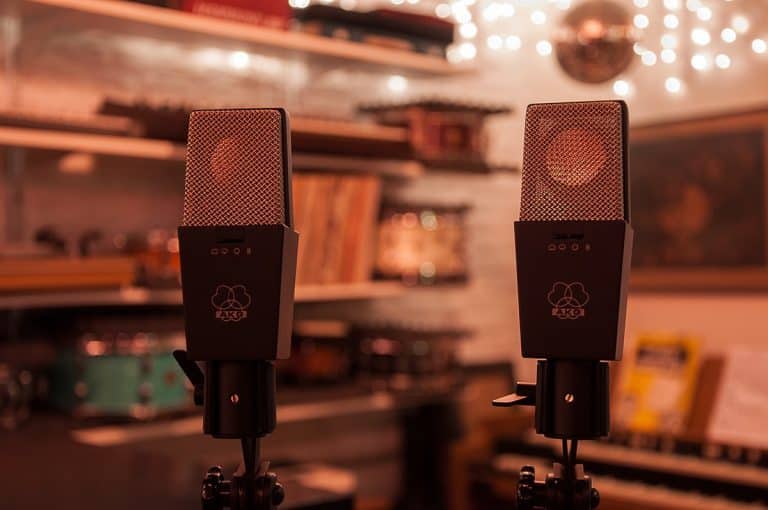
The Difference Between Binaural and Stereo Recording
Table of Contents
A lot of people throw around the terms binaural and stereo recording like they mean the same thing. They don’t. Both capture sound in a way our ears can recognize, but the experience you get — especially when listening through headphones — is totally different. If you’re into music production, podcasting, ASMR, or sound design for games and film, understanding the difference between binaural and stereo recording helps you choose the right technique for your project.
What Is Stereo Recording?
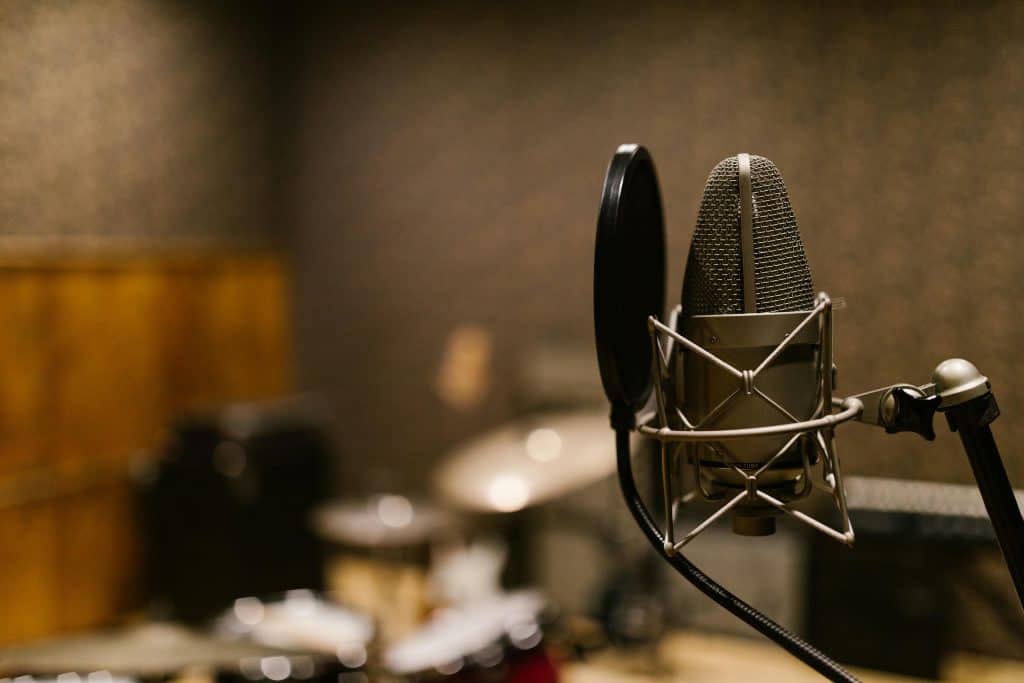
Stereo recording is the method most of us grew up with. Whether you listen on speakers, earbuds, or a car stereo, you’re hearing sound captured through a left channel and a right channel. Stereo microphones or mic arrays can be positioned to create a sense of direction, width, and space.
For example, when a guitar sits slightly left in a mix, and a piano pushes right, your brain picks up placement. It feels wide and musical, but it’s still essentially two channels feeding your ears separately.
How Stereo Captures Space
Stereo relies on mic placement, panning, and level differences to imply where a sound sits. Common techniques include:
- XY, with two mics angled in one spot
- ORTF, with microphones spaced apart
- AB spaced pairs for wider rooms
These setups work great for live concerts, orchestral recordings, or any music where you want clarity without overwhelming realism.
What Makes Binaural Recording Different
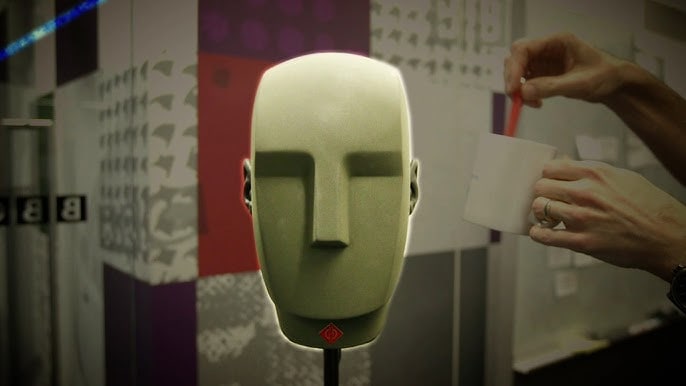
Binaural recording takes immersive sound one step further. Instead of simply splitting into left and right, binaural audio captures sound as your ears would naturally hear it. Engineers use two microphones positioned inside ear-shaped structures or a dummy human head.
Because the mics sit where your ears would be, the recording picks up subtle timing shifts and frequency changes created by your skull, outer ears, and head shape. Your brain interprets these clues as distance, height, and location — even behind or above you.
Why Binaural Sounds So Real
Put on a pair of headphones, and a binaural recording feels like you’re standing inside the environment:
- Voices sound like they’re whispering over your shoulder
- Footsteps seem to circle around your head
- Outdoor ambience wraps you in a full 360-degree space
This is why ASMR artists, VR developers, game studios, and immersive audio creators love the technique. It takes listeners somewhere stereo simply can’t.
When To Choose Stereo vs Binaural
Neither style is “better” — they serve different creative goals.
Choose Stereo When:
- The recording is for speakers or car systems
- You want a clean, musical mix
- You’re controlling instruments inside a mix
Choose Binaural When:
- The audience will listen on headphones
- You want natural spatial cues and immersion
- The goal is realism, presence, and atmosphere
Where Audio Tech Is Going
Stereo will always dominate mainstream music — it’s flexible, familiar, and easy to work with. But as virtual reality, immersive gaming, and 3D sound apps grow, binaural recording is becoming a major tool. Paired with spatial plugins and AI-driven mixing, audio is moving closer to how we hear the real world.
Final Takeaway
Stereo recording gives you a dynamic left-right soundstage and works beautifully for nearly every traditional music or broadcast application. Binaural recording tricks the brain into believing it is physically inside an environment. Understanding the difference lets you pick the method that matches your sound, audience, and experience.