
Understanding Binaural Microphone Setups and Dummy Heads
Table of Contents
Binaural audio is one of the most fascinating developments in modern sound recording. Unlike traditional stereo recordings, binaural recording aims to replicate how humans naturally hear sound in the real world. When done correctly, it can create an incredibly immersive listening experience where audio seems to come from specific directions, distances, and environments.
If you have ever listened to a recording through headphones and felt like someone was whispering behind you or walking around the room, chances are you were hearing a binaural recording.
Understanding how binaural microphone setups and dummy heads work can help audio creators, musicians, filmmakers, and even hobbyists produce more lifelike soundscapes.
What Is Binaural Audio?
Binaural audio is a recording technique designed to mimic the way human ears perceive sound. Humans hear sound through two ears, and the brain processes tiny differences in timing, volume, and frequency between the left and right ears.
A binaural microphone setup captures these subtle differences. When played back through headphones, the listener experiences spatial audio that feels three-dimensional.
This technique is widely used in:
- VR and AR experiences
- Film and gaming sound design
- ASMR recordings
- Experimental music production
- Nature and field recordings
The goal is simple: recreate realistic human hearing.
How Binaural Microphone Setups Work
A binaural microphone setup places two microphones where human ears would normally be located. These microphones capture sound from slightly different angles, which helps recreate natural spatial perception.
Several factors influence how effective a binaural setup is:
Microphone Placement
Correct placement is essential. The microphones must sit approximately the same distance apart as human ears — usually around 17 to 18 centimeters. This spacing helps simulate natural hearing and ensures accurate stereo imaging.
Ear Shape Simulation
Human ears are not flat surfaces. The folds and curves of the outer ear affect how sound waves reach the ear canal. Many advanced binaural recording systems simulate this structure to reproduce realistic directional cues.
Head Shadow Effect
When sound travels around a human head, the head slightly blocks or filters certain frequencies depending on the direction. A proper binaural microphone setup accounts for this “head shadow” effect, helping the brain interpret where sound originates.
What Is a Dummy Head Microphone?
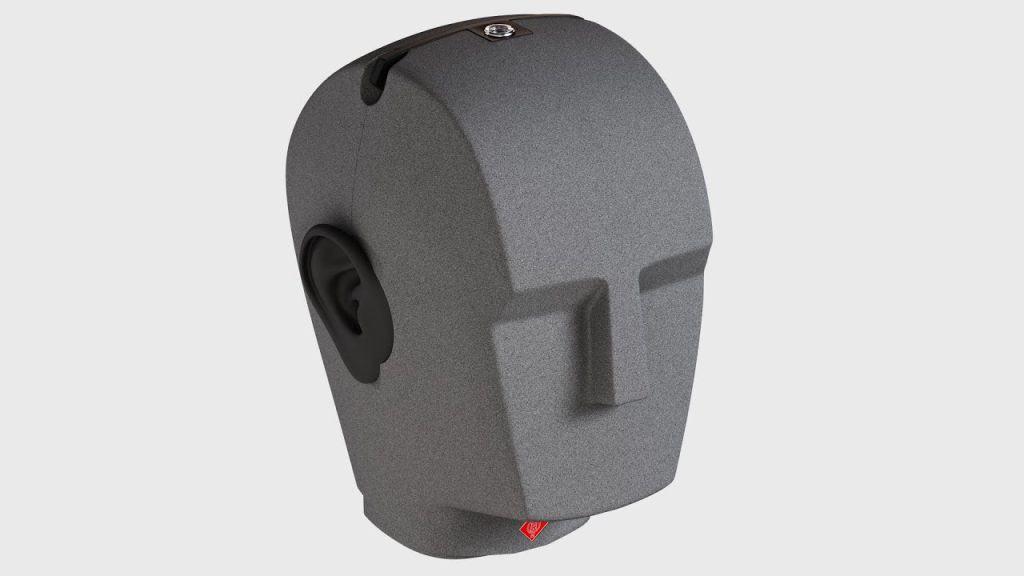
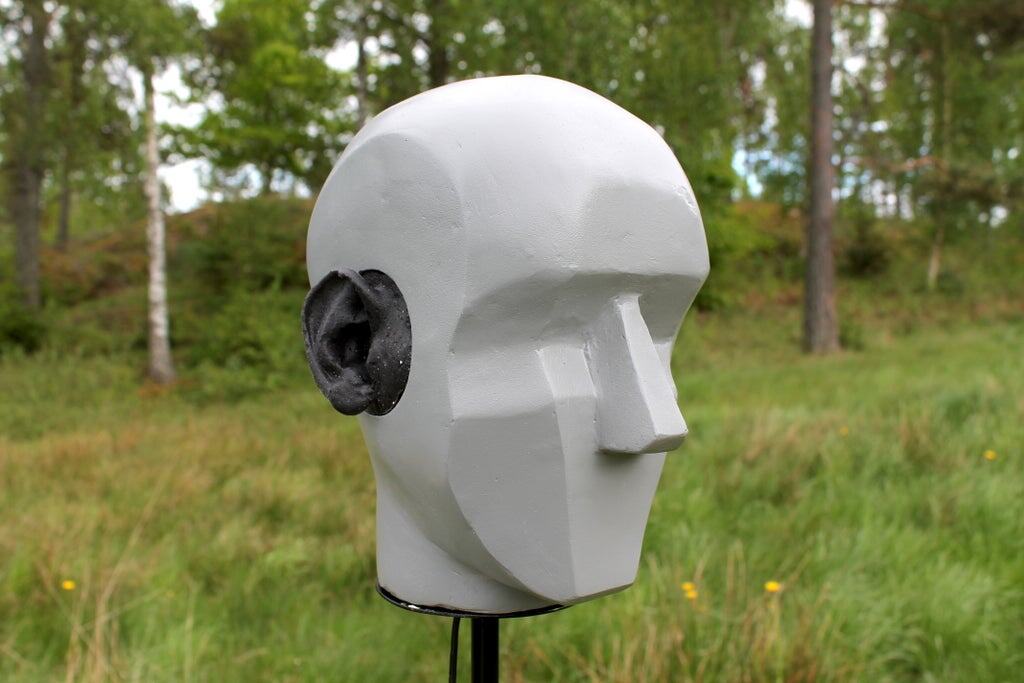
A dummy head microphone is a specialized recording device shaped like a human head. It contains microphones placed inside artificial ears, designed to replicate natural human listening conditions. These systems are commonly used in professional binaural recordings.
Dummy head microphones are typically built with:
- A life-sized head structure
- Realistic silicone ears
- Microphones placed inside the ear canals
This setup captures sound exactly as a human would hear it from that position.
Why Dummy Heads Improve Binaural Recordings
Dummy heads enhance binaural recordings because they replicate the physical characteristics of human hearing.
Realistic Spatial Audio
The artificial ears modify sound waves just like human ears do, which helps the brain interpret direction, distance, and movement more accurately.
Natural Sound Filtering
Human ears naturally filter frequencies depending on where sound originates. Dummy head microphones recreate these filtering effects.
Better Headphone Playback
When recordings made with dummy heads are played through headphones, they deliver highly immersive spatial sound. Listeners may perceive sounds as coming from:
- Behind them
- Above or below
- Moving around the room
This level of realism is difficult to achieve with traditional stereo recording.
Types of Binaural Microphone Setups
There are several ways to capture binaural sound depending on budget, equipment, and recording goals.
Dummy Head Systems
Professional dummy head microphones provide the most accurate results. These are commonly used in research labs, film production, and high-end audio work.
In-Ear Microphones
In-ear microphones are worn like earbuds and record sound directly from the listener’s ear position. This creates a personalized binaural recording.
These setups are popular among:
- Field recordists
- YouTube creators
- ASMR artists
DIY Binaural Rigs
Some creators build simple binaural microphone setups using two small microphones spaced apart on a stand or head-shaped mount.
While these setups lack realistic ear shapes, they can still produce convincing spatial recordings.
Common Uses for Binaural Recording
Binaural audio has become increasingly popular across several industries.
ASMR Content
ASMR creators often rely on binaural microphone setups to create intimate, close-up sound experiences. Whispering, tapping, and brushing sounds become more realistic when recorded with binaural techniques.
Virtual Reality and Gaming
VR environments require immersive audio to match the visual experience. Binaural recordings help simulate sound direction and movement inside virtual spaces.
Music Production
Some musicians experiment with binaural microphones to create unique listening experiences where instruments appear to surround the listener.
Sound Design and Film
Sound designers use binaural recordings to create realistic environmental effects, such as footsteps approaching from behind or voices moving across a scene.
Tips for Getting the Best Binaural Recordings
Even with good equipment, technique plays a huge role in binaural audio quality.
- Choose quiet recording environments whenever possible, since unwanted background noise can reduce immersion.
- Use headphones while monitoring your recordings to ensure spatial cues are captured correctly.
- Pay attention to sound movement. Walking around a binaural microphone setup can create powerful directional effects.
- Experiment with distance. Close sounds feel intimate, while distant sounds can create a sense of space and atmosphere.
The Future of Binaural Audio
Binaural recording is becoming more important as immersive technologies grow. Virtual reality, spatial audio platforms, and advanced gaming environments all rely on realistic sound positioning. As audio equipment improves, binaural microphone setups and dummy heads will likely become more accessible to creators outside professional studios.
From ASMR channels to cinematic productions, binaural sound is transforming how audiences experience audio.
Frequently Asked Questions
What is the difference between stereo and binaural audio?
Stereo audio uses two channels to create left and right sound separation. Binaural audio goes further by recreating the natural hearing process, including direction, distance, and spatial positioning.
Do binaural recordings only work with headphones?
Yes, binaural recordings are designed primarily for headphone listening. Speakers cannot accurately reproduce the spatial cues that headphones provide.
Are dummy head microphones necessary for binaural recording?
No, but they improve realism. Simple binaural microphone setups can still produce immersive audio, though dummy heads provide more accurate ear and head simulation.
Why do binaural recordings sound so realistic?
Binaural recordings capture the tiny timing and frequency differences between both ears, which helps the brain interpret where sounds are located in space.
Can binaural audio be used for music?
Yes. Many experimental musicians and producers use binaural microphones to create immersive music experiences that surround the listener.


