

The Best Neumann Microphones
Your Ultimate Guide to the Best Neumann Microphones
Neumann microphones represent the highest standard in studio recording. The brand has been producing professional microphones since 1928 and is widely known for its condenser designs used in music, broadcast, and film production.
What sets Neumann apart is not just sound quality, but consistency, engineering precision, and long-term reliability. Many of its microphones are designed to capture audio with minimal coloration, allowing engineers to shape sound during mixing rather than at the source.
This guide covers the best Neumann microphones, focusing on sound accuracy, versatility, and real studio performance.
Which Neumann Microphone Is Best?
- 5 microphones compared on the same points
- No brand pays to appear or to rank higher
- Updated when models change or are discontinued
Our top picks
Editor’s choice
Best Overall
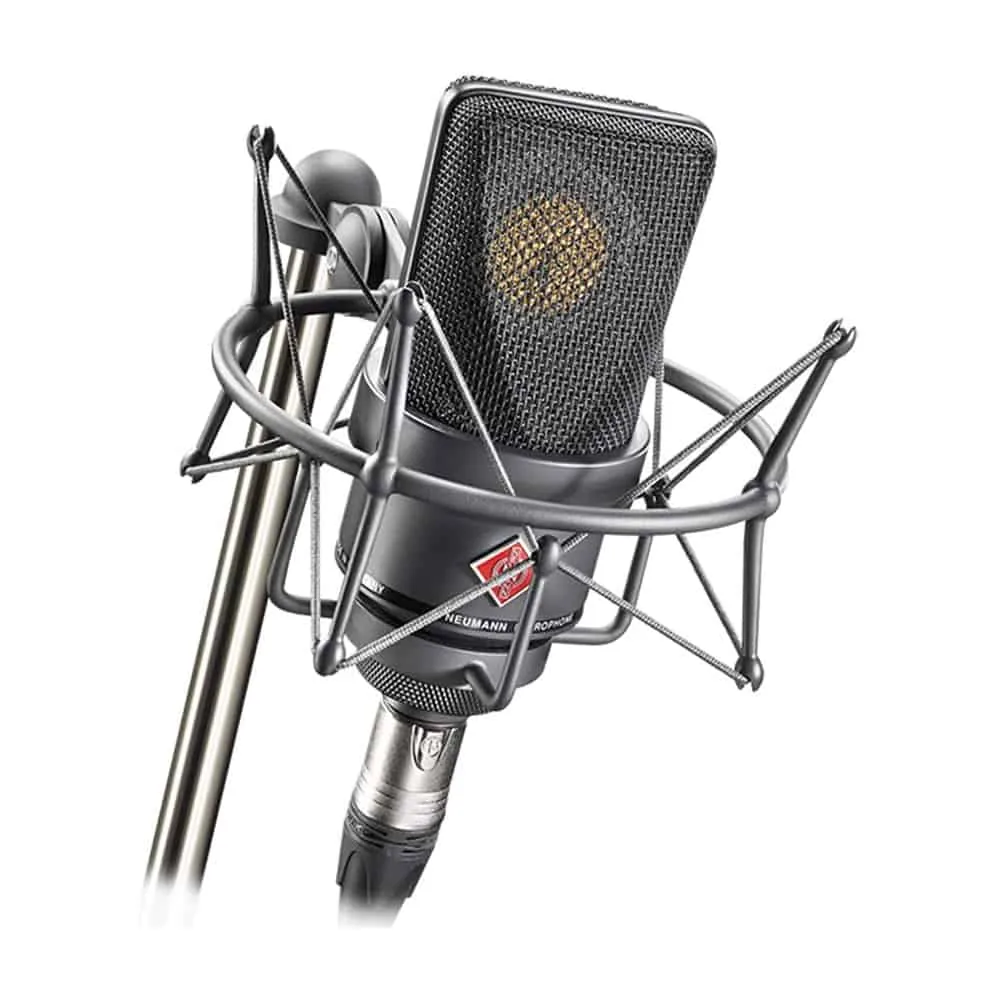
Neumann TLM 103
A modern studio microphone that delivers detailed, low-noise performance for vocals and instruments.
$1,295.00
Best Studio
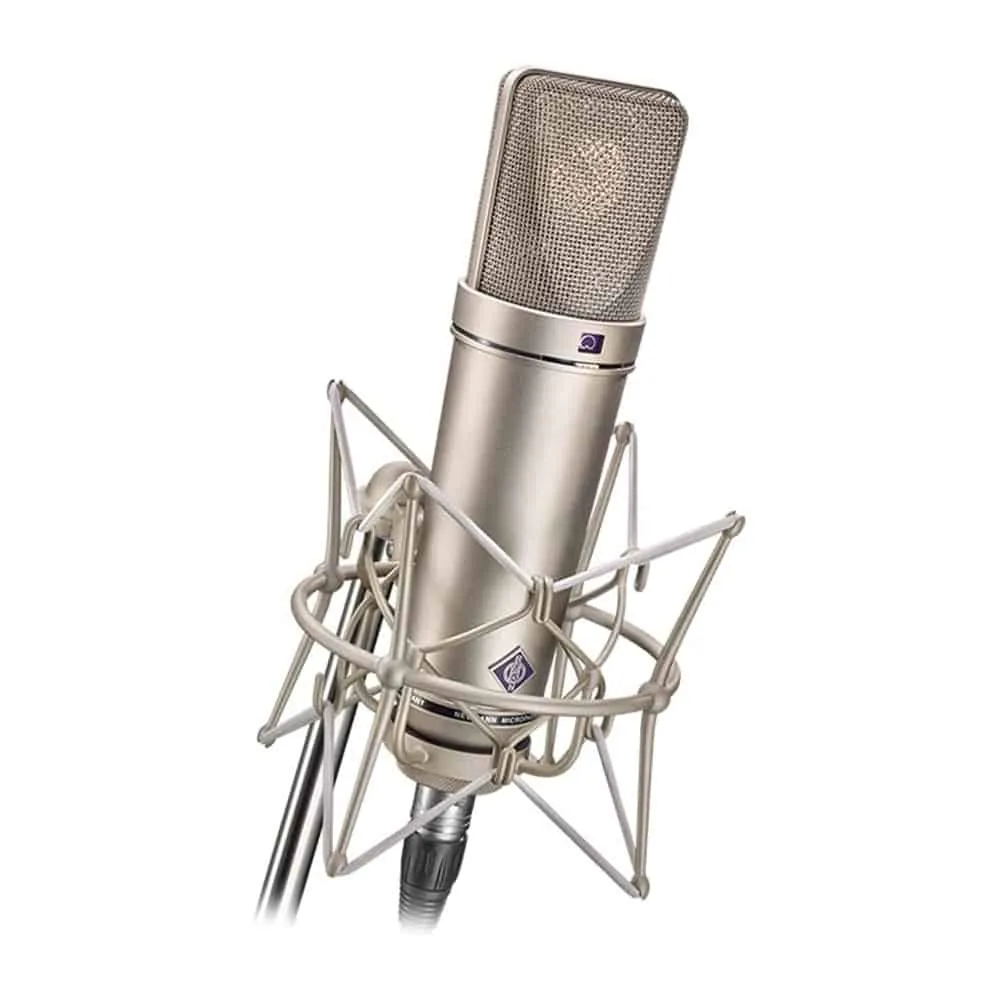
Neumann U 87 Ai
A legendary multi-pattern microphone that defines professional recording standards.
$3,995.00
Best Entry-Level
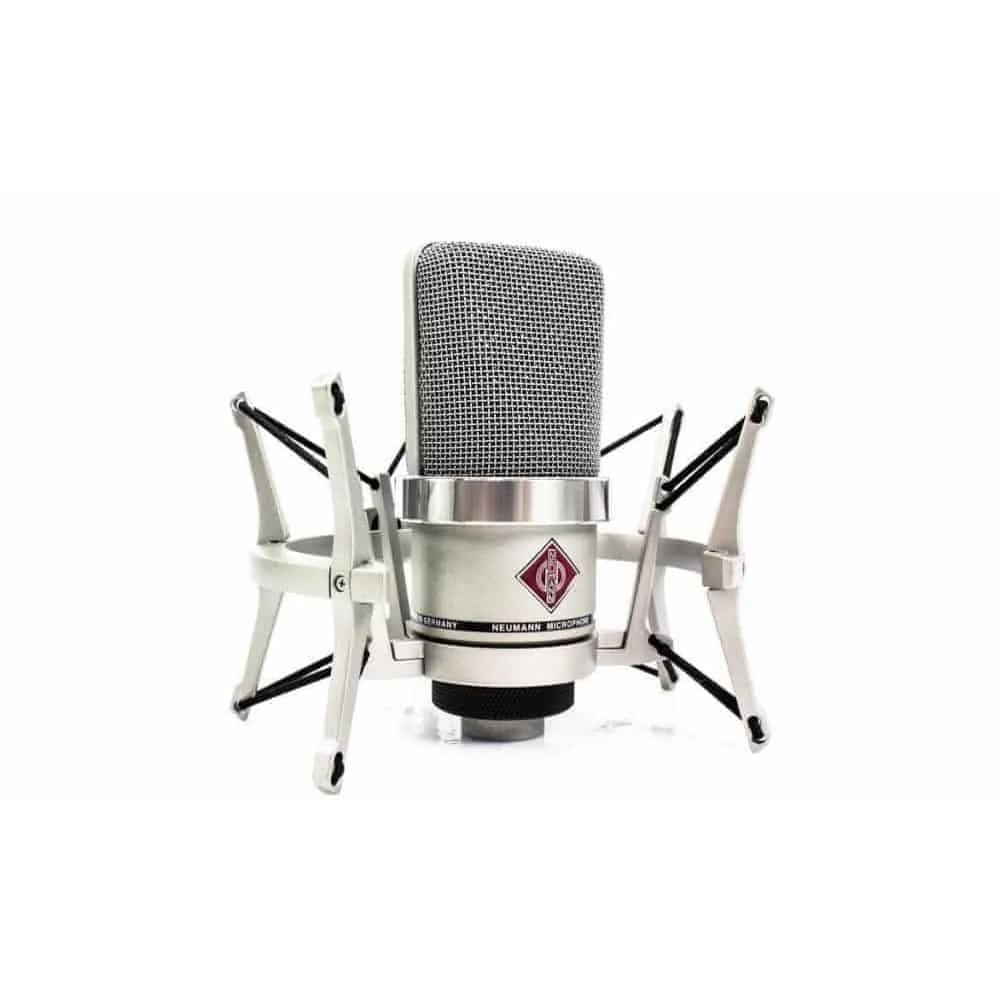
Neumann TLM 102
A compact condenser microphone that brings Neumann sound to smaller studios.
Compared at a glance
| Photo | Model | Best for | Highlights | Buy |
|---|---|---|---|---|
| Neumann TLM 103 | Best Overall | Extremely low self-noise |
Check price
$1,295.00 |
|
| Neumann U 87 Ai | Best Studio | Ideal for recording vocals |
Check price
$3,995.00 |
|
| Neumann TLM 102 | Best Entry-Level | Excellent vocal quality and clarity |
Check price
$799.00 |
|
| Neumann TLM 107 | — | — |
Check price
$1,595.00 |
|
| Neumann KMS 105 | — | Steady frequency response |
Check price
$799.00 |
Every pick reviewed
#1 Best Overall
Neumann TLM 103
Sound Quality: ⭐ ⭐ ⭐ ⭐ ⭐
Design: ⭐ ⭐ ⭐ ⭐ ⭐
Features: ⭐ ⭐ ⭐ ⭐
The TLM 103 is often considered the most practical high-end Neumann microphone because it delivers flagship-level sound quality in a simplified design.
It uses a large-diaphragm capsule derived from the legendary U 87, which gives it a clear and focused sound with enhanced presence in the upper frequencies. This makes vocals stand out naturally in a mix without requiring heavy processing.
One of its strongest technical advantages is its extremely low self-noise. At around 7 dB-A, it captures very quiet sources without introducing hiss, which is critical for voiceover work and detailed recordings.
The microphone uses transformerless circuitry, which contributes to a clean and direct signal with a wide dynamic range. It can handle loud sources such as drums or guitar amps without distortion.
The limitation is its single cardioid pattern. It focuses on one recording style rather than offering multiple configurations. However, that simplicity is part of its appeal.
What we like
- Extremely low self-noise
- Has a wide frequency response range
- Premium internal and external build quality
What we don’t
- Expensive
$1,295.00
Check price on Amazon Opens in a new tab · we may earn a commission
#2 Best Studio
Neumann U 87 Ai
Sound Quality: ⭐ ⭐ ⭐ ⭐
Design: ⭐ ⭐ ⭐ ⭐ ⭐
Features: ⭐ ⭐ ⭐ ⭐ ⭐
The U 87 Ai is one of the most iconic microphones ever created and remains a standard in professional studios.
It features a dual-diaphragm capsule with three selectable polar patterns, allowing it to adapt to different recording situations. This includes vocals, instruments, and room capture.
The sound profile is balanced and natural, which is why it has been used on countless recordings. It does not exaggerate frequencies, making it easier to shape sound during mixing.
The microphone also includes a low-frequency roll-off and pad switch, which allows better control over different recording conditions.
This level of flexibility comes with a higher price and requires a controlled environment to fully utilize its capabilities.
What we like
- Ideal for recording vocals
- Premium and robust
- Warm and clear audio
- Balanced frequency response
- Great for recording electric guitar amplifiers
What we don’t
- Expensive
$3,995.00
Check price on Amazon Opens in a new tab · we may earn a commission
#3 Best Entry-Level
Neumann TLM 102
Sound Quality: ⭐ ⭐ ⭐ ⭐ ⭐
Design: ⭐ ⭐ ⭐ ⭐ ⭐
Features: ⭐ ⭐ ⭐ ⭐
The TLM 102 is designed as an entry point into Neumann microphones while maintaining the brand’s core sound quality.
It uses a large-diaphragm capsule with a slightly boosted high-frequency range, which helps vocals sound clearer and more present.
Despite its smaller size, it offers a wide dynamic range and can handle high sound pressure levels without distortion. This makes it suitable for vocals, instruments, and even louder sources.
The design removes advanced features such as multiple patterns and onboard controls to keep it simple and more affordable.
This microphone works best in smaller studio setups where ease of use and consistent performance are important.
What we like
- Excellent vocal quality and clarity
- Can be used as a dual-mic amp setup
- Wide-range frequency response
What we don’t
- Pricey
$799.00
Check price on Amazon Opens in a new tab · we may earn a commission
#4
Neumann TLM 107
Sound Quality: ⭐ ⭐ ⭐ ⭐ ⭐
Design: ⭐ ⭐ ⭐ ⭐
Features: ⭐ ⭐ ⭐ ⭐ ⭐
The TLM 107 is designed to offer maximum flexibility within a modern Neumann microphone.
It features multiple polar patterns along with pad and high-pass filter options, allowing it to adapt to different recording environments and sound sources.
The sound profile is neutral and controlled, making it suitable for both vocals and instruments. It captures detail without adding excessive coloration.
The digital-style control interface allows users to adjust settings directly on the microphone, which simplifies workflow compared to traditional switch-based designs.
This microphone is best suited for users who need one microphone that can handle multiple recording scenarios.
$1,595.00
Check price on Amazon Opens in a new tab · we may earn a commission
#5
Neumann KMS 105
Sound Quality: ⭐ ⭐ ⭐ ⭐ ⭐
Design: ⭐ ⭐ ⭐ ⭐
Features: ⭐ ⭐ ⭐ ⭐
The KMS 105 is designed for live performance while maintaining studio-level sound quality.
It uses a condenser capsule with a supercardioid pattern, which provides strong vocal clarity while reducing feedback and background noise.
The microphone includes effective pop protection and a durable design that can handle stage use.
Its sound is detailed and open, making it suitable for singers who want a more refined vocal tone compared to dynamic microphones.
This microphone works best in controlled live environments where sound engineers can manage levels properly.
What we like
- Steady frequency response
- Excellent build quality
- Consistent and smooth polar pattern
What we don’t
$799.00
Check price on Amazon Opens in a new tab · we may earn a commission
So, which one should you buy?
Final Note
Neumann microphones represent the benchmark for studio recording quality.
They are designed for accuracy, consistency, and long-term reliability rather than convenience. This makes them a strong investment for users who want professional results.
The right choice depends on your setup. For most users, the TLM 103 offers the best balance. For advanced studios, the U 87 Ai provides unmatched flexibility.
When to Choose a Neumann Microphone
Neumann microphones are best suited for users who prioritize audio accuracy and long-term quality.
They are ideal for studio recording, voiceover work, and professional music production where capturing detail matters more than convenience.
They are less suited for beginners or untreated environments, since their sensitivity will reveal imperfections in the recording space.
Frequently Asked Questions
What Makes Neumann Microphones Different?
Neumann microphones are built around precision engineering and consistent sound reproduction.
Unlike many brands that emphasize character, Neumann focuses on capturing audio accurately. This makes their microphones easier to work with during mixing because the original recording remains clean.
Another key factor is their capsule design. Many Neumann microphones use large-diaphragm capsules that provide extended frequency response and detailed transient capture.
The brand also has a long history of innovation, with models like the U 87 becoming industry standards used across decades of recordings.