

Vocal Microphones
We have reviewed 57 vocal microphones. Filter by price, brand or rating, read every vocal microphone review, or start with the guide if you would rather we just told you.
- Judged on the same points as every microphone we review
- No brand pays to appear or to rank higher
- Updated when models change or are discontinued
The short answer
The Best Microphone for Vocals
-
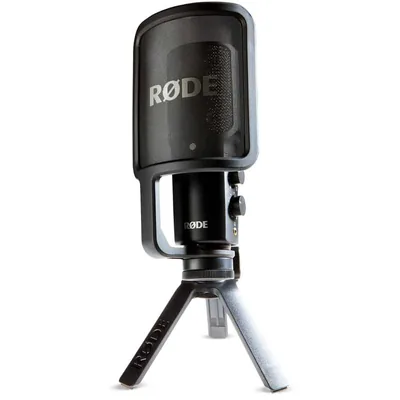
Røde NT-USB Microphone
5.0
$179.00
- Brand
- Rode
- Type
- USB
- Polar pattern
- Cardioid
If there’s one thing that the modern era has brought us, it’s convenience. Thanks to advancements in technology, things that wo...
-
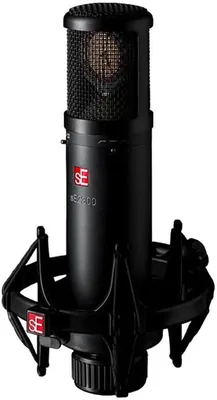
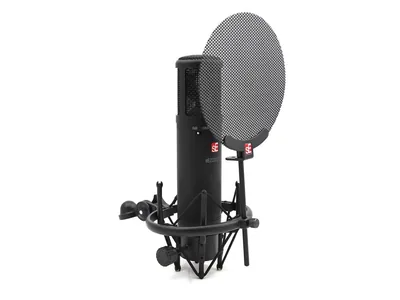
sE Electronics sE2300 Microphone
5.0
$399.00
- Brand
- sE Electronics
- Type
- Condenser
- Polar pattern
- Multi-pattern
In only two short decades, sE Electronics has risen to the top of the industry and become an internationally respected brand th...
-
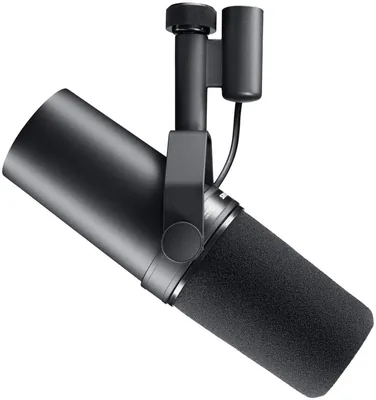
Shure SM7B Microphone
5.0
$429.00
- Brand
- Shure
- Type
- XLR
- Polar pattern
- Cardioid
Shure has been in the microphone game a long time, since 1932, in fact. Over the years, they’ve built a reputation as one of th...
-
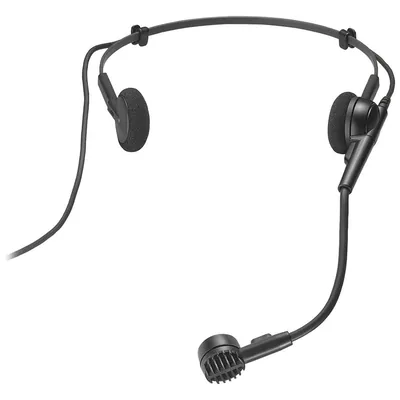
Audio-Technica PRO 8HEx Microphone
4.7
$99.00
- Brand
- Audio-Technica
- Type
- Dynamic
- Polar pattern
- Hypercardioid
Live performances are always thrilling for both the audience and the performers. Artists on stage have the time of their lives,...
-
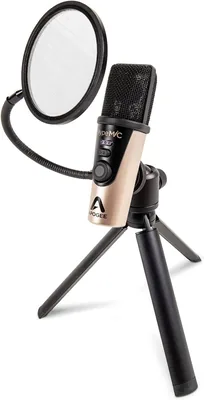
Apogee HypeMiC
4.7
$399.00
- Brand
- Apogee
- Type
- USB
- Polar pattern
- Cardioid
In this Apogee HypeMiC review, we will be tackling all the ins and outs of this tiny but mighty USB mic. With the ability to de...
-
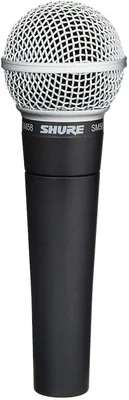
Shure SM58 Microphone
4.7
$109.00
- Brand
- Shure
- Type
- Dynamic
- Polar pattern
- Cardioid
The Shure SM58 Microphone is probably the defining image for microphones, the archetypal microphone if you will, with an unassu...
-
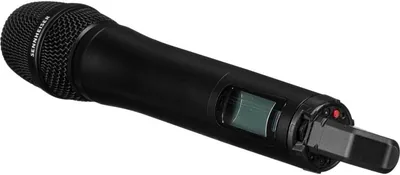
Sennheiser EW 500 G4-935 Microphone
4.7
- Brand
- Sennheiser
- Type
- Wireless
- Polar pattern
- Unidirectional
When it comes to a solid wireless system that delivers astounding vocal acuity, Sennheiser is an expert. The brand has long sin...
Read the review See alternativeNo longer on Amazon. Our alternative: Sennheiser Wireless Lavalier Set ew 500 G4-MKE2-GW+)
-
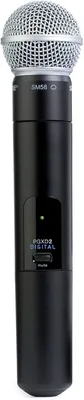
Shure PGXD24/SM58-X8 Microphone
4.7
- Brand
- Shure
- Type
- Wireless
- Polar pattern
- Unidirectional
When it comes to live performances, wired microphones can be inconvenient. Whether you’re delivering a speech or singing a song...
Read the review See alternativeNo longer on Amazon. Our alternative: Shure SM58 Pro XLR Dynamic Vocal Microphone
-
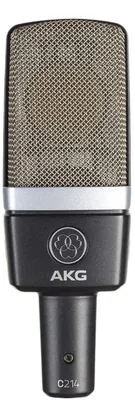
AKG C214 Microphone
4.7
$372.61
- Brand
- AKG
- Type
- Condenser
- Polar pattern
- Cardioid
When it comes to technical design and engineering, AKG stands head and shoulders above the rest. The company’s reputation for w...
-
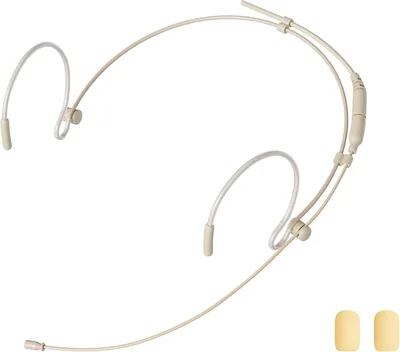
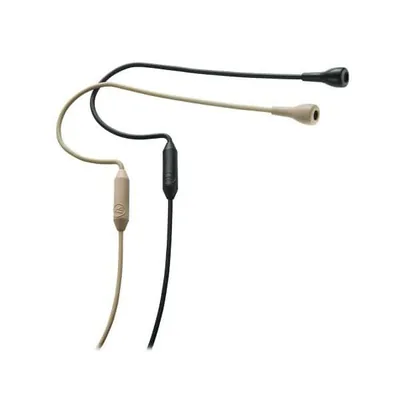
JK MIC-J 071S Headset Microphone
4.3
$46.00
- Brand
- JK Audio
- Type
- Condenser
- Polar pattern
- Omnidirectional
Finding a headset microphone that balances comfort, durability, and audio clarity, without blowing your budget, can be a challe...
-
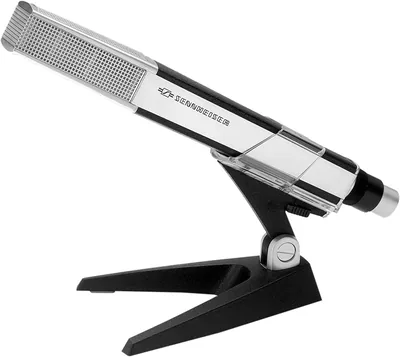
Sennheiser MD 441-U Microphone
4.3
$1,249.00
- Brand
- Sennheiser
- Type
- Dynamic
- Polar pattern
- Supercardioid
The Sennheiser MD 441-U Microphone is a dynamic super-cardioid condenser mic that can perform and deliver sound at the utmost p...
-
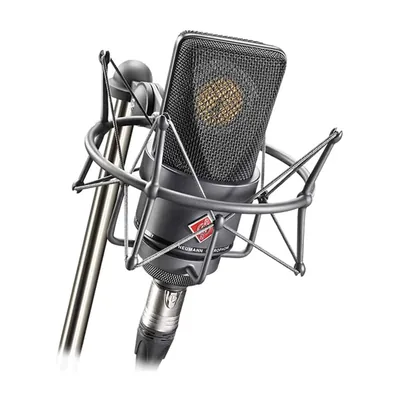
Neumann TLM 103 Microphone
4.3
$1,295.00
- Brand
- Neumann
- Type
- Condenser
- Polar pattern
- Cardioid
Without a doubt, one of the most recognizable names in the microphone industry is Neumann. This German brand, created by George...
-
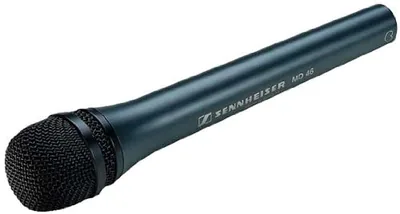
Sennheiser MD 46 Microphone
4.3
$149.00
- Brand
- Sennheiser
- Type
- Dynamic
- Polar pattern
- Cardioid
Microphones have been used to capture a variety of different sound sources. In fact, just name the sound source and you’ll prob...
-
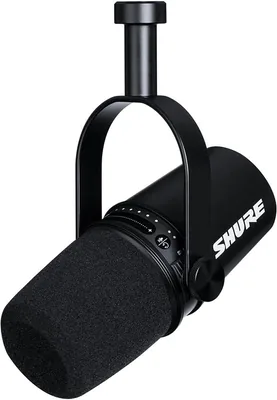
Shure MV7 Microphone
4.3
$299.00
- Brand
- Shure
- Type
- Dynamic
- Polar pattern
- Cardioid
Our lives have been completely transformed by technology and the advantages it gives. While recording music and audio has been ...
-
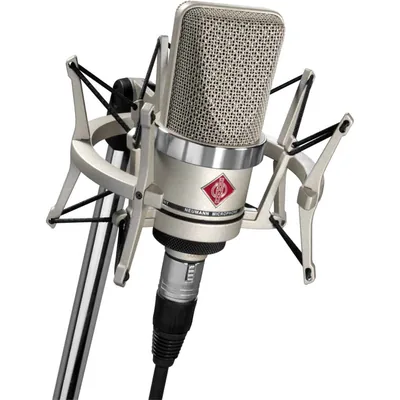
Neumann TLM 102 Microphone
4.3
$799.00
- Brand
- Neumann
- Type
- Condenser
- Polar pattern
- Cardioid
It’s no secret that Georg Neumann GmbH (also more popularly known as Neumann) microphones are considered among the best of the ...
-
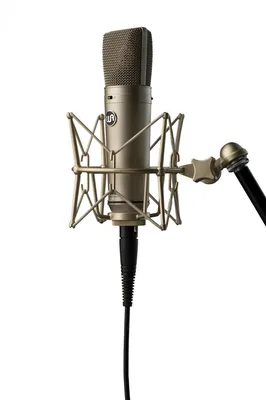
Warm Audio WA-87 Microphone
4.3
- Brand
- Warm Audio
- Type
- Condenser
- Polar pattern
- Multi-pattern
For a company that was founded in 2011, Warm Audio has made great leaps to become an industry favorite. Within a few short year...
Read the review See alternativeNo longer on Amazon. Our alternative: Warm Audio WA-87jr Large Diaphragm Condenser Mic
-
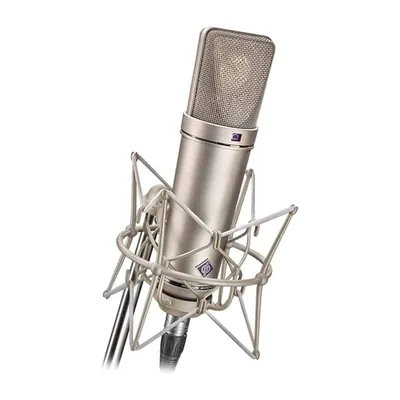
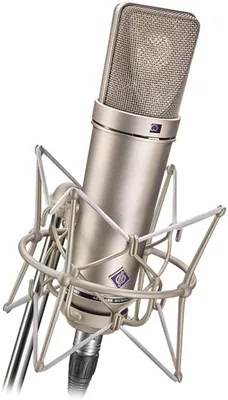
Neumann U87 AI Microphone
4.3
$3,995.00
- Brand
- Neumann
- Type
- Condenser
Georg Neumann GmbH, known popularly as Neumann, is a German company that was founded in 1928. In the decades since it’s achieve...
-
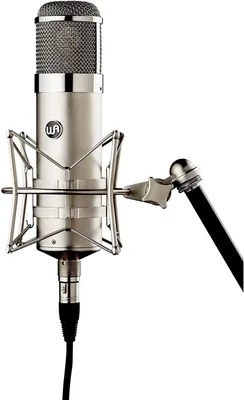
Warm Audio WA-47 Microphone
4.3
$899.99
- Brand
- Warm Audio
- Type
- Condenser
- Polar pattern
- Multi-pattern
When it comes to recording voices, each microphone has its own personality, but one thing that manufacturers try to emulate in ...
-
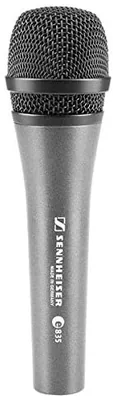
Sennheiser E835 Microphone
4.3
$129.95
- Brand
- Sennheiser
- Type
- Dynamic
- Polar pattern
- Cardioid
If quality is what you’re looking for, then Sennheiser has it. A German brand that’s well known for its high-fidelity products,...
-
Røde NT1A Microphone
4.3
$289.00
- Brand
- Rode
- Type
- Condenser
- Polar pattern
- Cardioid
Ask anyone for a list of the best microphones for podcasting or other recording activities and you can be sure that the Austral...
-
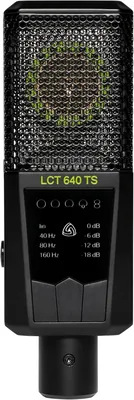
Lewitt LCT 640 TS
4.0
$949.99
- Brand
- Lewitt
- Type
- Condenser
- Polar pattern
- Multi-pattern
Welcome to our Lewitt LCT 640 TS review, where we dive into what makes this microphone a standout in the world of home and prof...
-
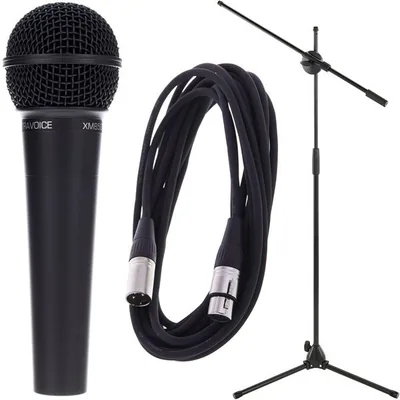
Behringer XM8500 Microphone
4.0
- Brand
- Behringer
- Type
- Dynamic
- Polar pattern
- Unidirectional
Believe it or not, there are plenty of incredible microphones out there that don’t cost a fortune if you know where to look. Ma...
Read the review See alternativeNo longer on Amazon. Our alternative: Shure SM58 Pro XLR Dynamic Vocal Microphone
-
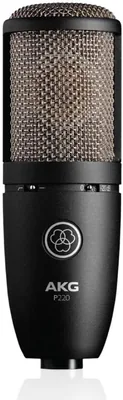
AKG P220 Microphone
4.0
$129.00
- Brand
- AKG
- Type
- Condenser
- Polar pattern
- Cardioid
AKG is a force to be reckoned with in the professional recording industry, and it’s not hard to see why. Their microphones have...
-
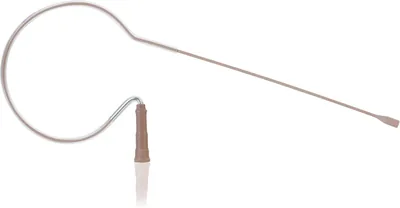
Countryman E6 Omnidirectional Earset Microphone
$520.00
- Brand
- Countryman
- Type
- Condenser
- Polar pattern
- Omnidirectional
The Countryman E6 Omnidirectional Earset Microphone is a go-to choice for professionals who need clear, hands-free audio withou...
-
Audio-Technica System 10 ATW-1101/H92-TH
$439.95
- Brand
- Audio-Technica
- Type
- Wireless
- Polar pattern
- Omnidirectional
Whether you’re delivering a presentation, leading a fitness class, or performing on stage, having dependable audio equipment is...
-
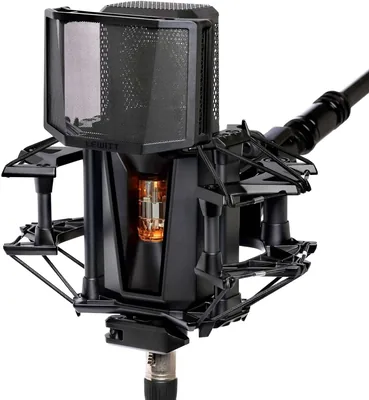
LEWITT Pure Tube
$1,499.00
- Brand
- Lewitt
- Type
- Condenser
- Polar pattern
- Cardioid
The LEWITT Pure Tube microphone is more than just a tool for recording. It’s a gateway to sonic perfection, especially for voca...
-
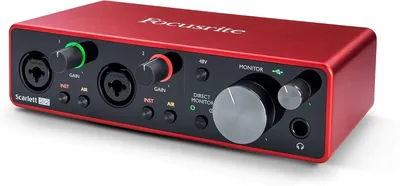
Focusrite Scarlett 2i2 Studio Bundle
- Brand
- Focusrite
- Type
- Condenser
What makes the Focusrite Scarlett 2i2 Studio Bundle a popular choice for musicians, podcasters, and home studio enthusiasts see...
Read the review See alternativeNo longer on Amazon. Our alternative: Focusrite Scarlett 2i2 Studio Podcast Bundle
-
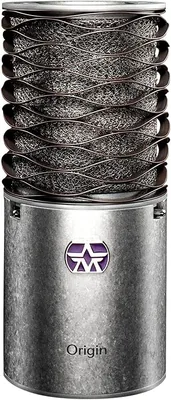
Aston Origin Large Diaphragm Condenser Mic
$222.94 Was
$249.00Save 10%- Brand
- Aston
- Type
- Condenser
- Polar pattern
- Cardioid
The Aston Origin Large Diaphragm Condenser Mic from British Company Aston stands out with its sleek design and innovative build...
-
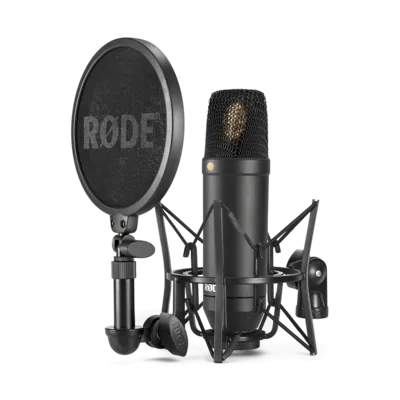
RØDE NT1 Studio Condenser Mic
$209.82 List price
$269.00Save 22%- Brand
- Rode
- Type
- Condenser
- Polar pattern
- Cardioid
Welcome to the RØDE NT1 Studio Condenser Mic review. Renowned for its exceptional sound quality and low self-noise, the RODE NT...
-
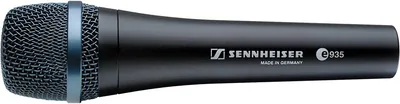
Sennheiser E935
$199.95
- Brand
- Sennheiser
- Type
- Dynamic
- Polar pattern
- Cardioid
The Sennheiser E935 is where precision meets performance. With its exceptional clarity and robust build quality, the E935 mic s...
-
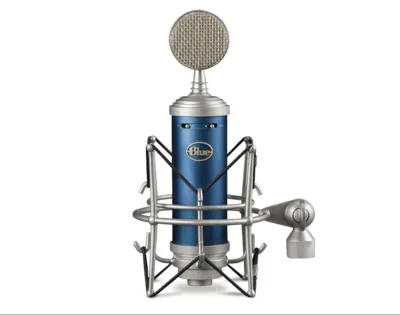
Blue Bluebird Microphone
$289.12
- Brand
- Blue
- Type
- Condenser
- Polar pattern
- Cardioid
Introducing the Blue Bluebird microphone, a powerhouse in the realm of professional audio recording. Renowned for its pristine ...
-
Audio-Technica ATR2100-USB Microphone
- Brand
- Audio-Technica
- Type
- USB
- Polar pattern
- Cardioid
While the Audio-Technica ATR2100-USB Microphone has already been replaced by the ATR2100x-USB, this rugged handheld mic still d...
Read the review See alternativeNo longer on Amazon. Our alternative: Audio-Technica AT2005USB Cardioid Dynamic USB/XLR Microphone
-
ALABS XLR Condenser Microphone
$49.99 List price
$59.99Save 17%- Brand
- ALABS
- Type
- Condenser
- Polar pattern
- Cardioid
While most studio microphones are priced quite high, the ALABS XLR Condenser Microphone proves that it can do its job at an aff...
-
ALABS Iron Mini-WL Microphone
$43.99
- Brand
- ALABS
- Type
- USB
- Polar pattern
- Cardioid
Mini, powerful, and easy to use. The new ALABS Iron Mini-WL Microphone is the work-play USB condenser mic that can cater to hyb...
-
MAONO PM500 Series Professional Large-Diaphragm Microphone Set
$149.99
- Brand
- MAONO
- Type
- Condenser
- Polar pattern
- Cardioid
If you want a microphone that combines tradition and innovation, then look no further than the MAONO PM500 Professional XLR Con...
-
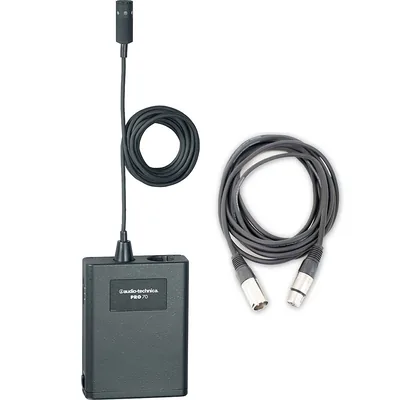
Audio-Technica Pro 70 Microphone
$159.00
- Brand
- Audio-Technica
- Type
- Lavalier
Finding the right lavalier microphone for your profession, passion, or hobby can be a difficult task, especially if you don’t k...
-
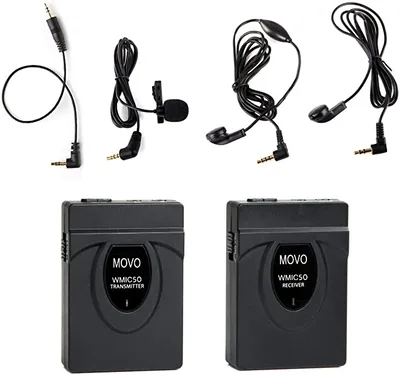
Movo WMIC50 Microphone
$14.95
- Brand
- Movo
- Type
- Lavalier
- Polar pattern
- Bidirectional
Whether you’re a journalist interviewing people or a content creator shooting for a new video, the Movo WMIC50 makes it easy to...
-
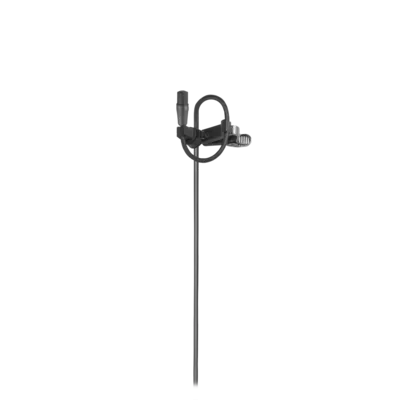
Audio-Technica AT899 Microphone
- Brand
- Audio-Technica
- Type
- Lavalier
- Polar pattern
- Omnidirectional
For interviews, documentary, film, theater, and stage applications, the Audio-Technica AT899 is a very low-profile lavalier mic...
Read the review See alternativeNo longer on Amazon. Our alternative: Audio-Technica BP899CW Omnidirectional Lavalier Microphone Wireless
-
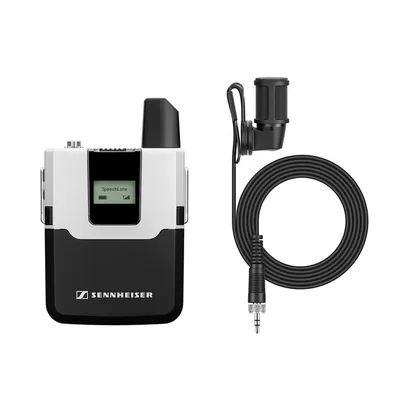
Sennheiser MKE 40 Microphone
- Brand
- Sennheiser
- Type
- Lavalier
- Polar pattern
- Unidirectional
If you’re a professional movie maker, you’ll know that audio is 50% of a good film experience. The numbers are even higher if y...
Read the review See alternativeNo longer on Amazon. Our alternative: Sennheiser MKE 600 Shotgun Microphone
-
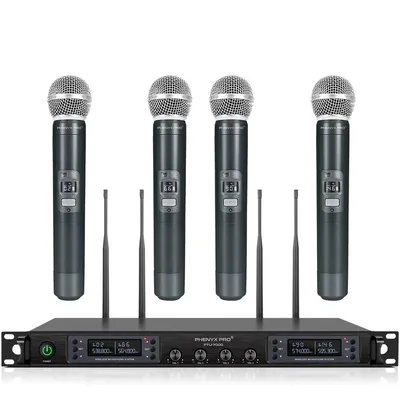
Phenyx Pro PTU-7000A Microphone
- Brand
- Phenyx Pro
- Type
- Dynamic
- Polar pattern
- Cardioid
A solid wireless system that accommodates more than one speaker or vocalist can be tough to find, much less on a tight budget. ...
Read the review See alternativeNo longer on Amazon. Our alternative: Phenyx Pro UHF Metal Dynamic Handheld Mic
-
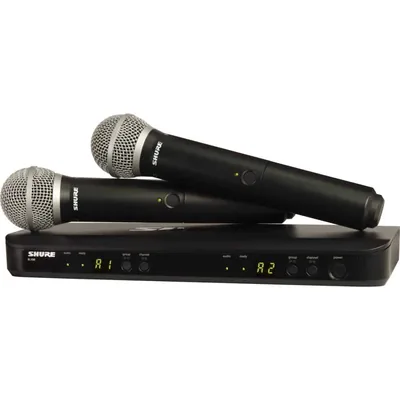
Shure BLX288/PG58 Microphone
$659.00
- Brand
- Shure
- Type
- Dynamic
- Polar pattern
- Cardioid
Shure is highly regarded for its quality microphones used by audio professionals around the world, but they also make accessibl...
-
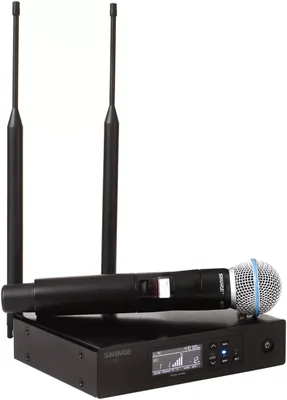
Shure QLXD24/B58 Microphone
- Brand
- Shure
- Type
- Wireless
- Polar pattern
- Supercardioid
The Shure QLXD24/B58 handheld wireless microphone system is a fantastic option if you’re looking for a wireless and professiona...
-
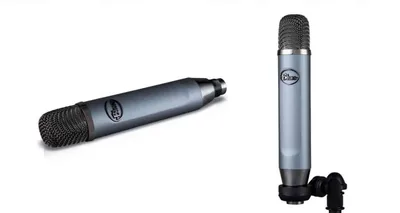
Blue Ember XLR Microphone
$82.99
- Brand
- Blue
- Type
- XLR
- Polar pattern
- Cardioid
Blue makes a wide microphone range at an excellent value for different types of audio and voice recordings, from video sound fo...
-
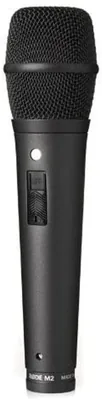
Røde M2 Microphone
$167.74 List price
$189.00Save 11%- Brand
- Rode
- Type
- Condenser
- Polar pattern
- Supercardioid
When we think about the right live vocal mic during a performance, dynamic microphones are always the first thing that will com...
-
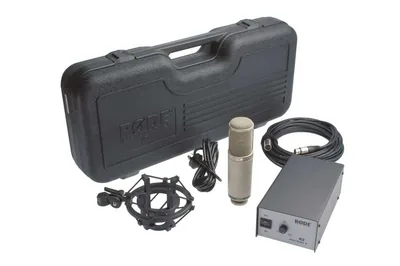
Rode K2 Microphone
$699.00
- Brand
- Rode
- Type
- Condenser
- Polar pattern
- Multi-pattern
Tube condenser microphones are one of the most coveted tools by studio engineers. Different from other mics in the market, a tu...
-
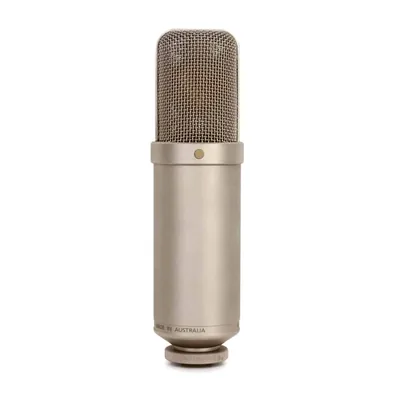
Rode NTK Microphone
$619.00
- Brand
- Rode
- Type
- Condenser
- Polar pattern
- Cardioid
Condenser microphones are the top choice of gear in recording studios. They are mostly used to record voice-overs, singing, or ...
-
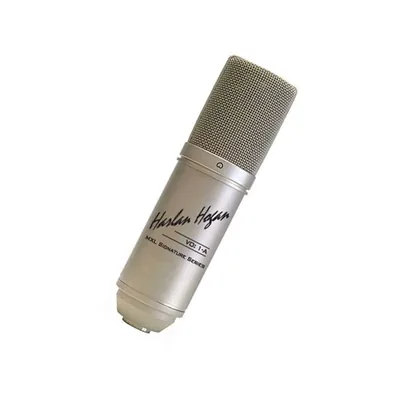
Harlan Hogan VO Microphone
$399.99
- Brand
- Harlan Hogan
- Type
- Condenser
- Polar pattern
- Cardioid
In the world of voice acting, Harlan Hogan is a legend with numerous credits to his name. As a professional voice actor and a p...
-
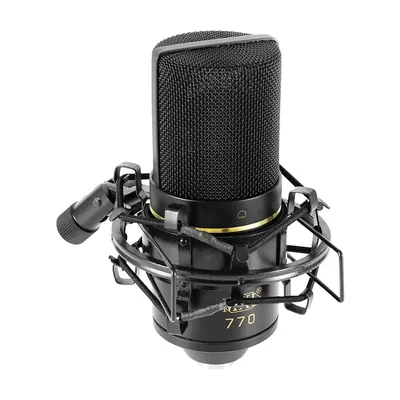
MXL 770 Microphone
$99.95
- Brand
- MXL
- Type
- Condenser
- Polar pattern
- Cardioid
An important thing to consider when it comes to buying microphones is their price. Microphones can be rather expensive, especia...
-
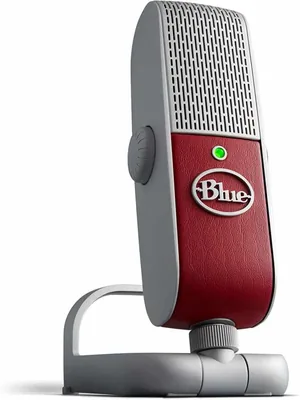
Blue Raspberry Microphone
- Brand
- Blue
- Type
- USB
- Polar pattern
- Cardioid
Within a few short years since its establishment, Blue Microphones has put together a microphone line that is not just function...
Read the review See alternativeNo longer on Amazon. Our alternative: Logitech Creators Blue Yeti USB Microphone
-
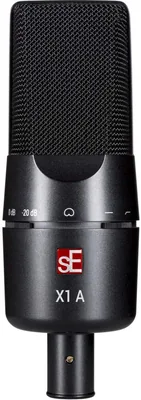
sE Electronics X1 A Microphone
$99.00
- Brand
- sE Electronics
- Type
- Condenser
- Polar pattern
- Cardioid
In the two decades since its establishment, sE Electronics has focused its energies on manufacturing affordable microphones wit...
-
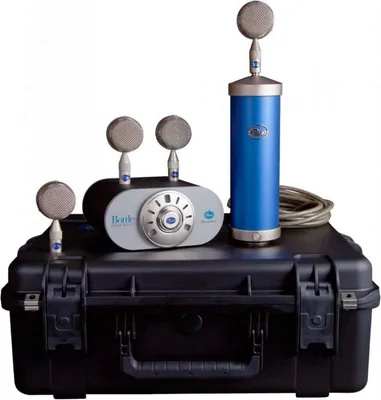
Blue Bottle Microphone
- Brand
- Blue
- Type
- Condenser
- Polar pattern
- Multi-pattern
Since the company’s establishment in 1995, Blue Microphones has been at the forefront of the affordable mics game for years. Th...
Read the review See alternativeNo longer on Amazon. Our alternative: Blue Microphone Baby Bottle XLR Cardioid Condenser Microphone
-
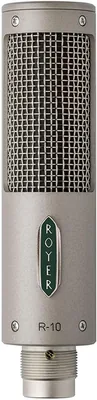
Royer R-10 Microphone
$1,298.00
- Brand
- Royer Labs
- Type
- Dynamic
- Polar pattern
- Bidirectional
Ribbon mics might not be as popular as they were once before, but Royer Labs has certainly shown they’re back on the rise. For ...
-
Warm Audio WA-251 Microphone
$779.99 Was
$899.00Save 13%- Brand
- Warm Audio
- Type
- Condenser
- Polar pattern
- Multi-pattern
No matter how much technology improves, there are still some things that the classics do better. Vintage mics are known for the...
-
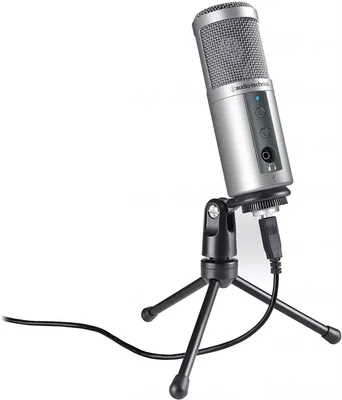
Audio-Technica ATR2500 Microphone
- Brand
- Audio-Technica
- Type
- USB
- Polar pattern
- Cardioid
The landscape of recording has changed in recent years, and many would say for the better. For aspiring musicians, podcasters, ...
Read the review See alternativeNo longer on Amazon. Our alternative: Audio-Technica ATR2500x-USB Cardioid Condenser Microphone
-
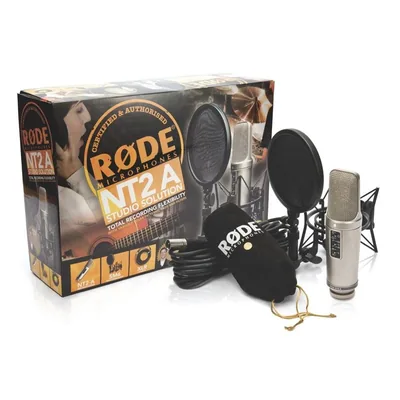
Rode NT2A Microphone
$276.00 List price
$419.00Save 34%- Brand
- Rode
- Type
- Condenser
- Polar pattern
- Multi-pattern
When buying a new microphone, there are tons of factors that you’ll need to consider before biting the bullet. Polar patterns, ...
-
sE Electronics sE2200a II C Microphone
- Brand
- sE Electronics
- Type
- Condenser
- Polar pattern
- Cardioid
Every home studio needs a workhorse, and there’s no condenser microphone that carries the burden better than the sE Electronics...
Read the review See alternativeNo longer on Amazon. Our alternative: SE ELECTRONICS sE2200 Large Diaphragm Cardioid Condenser Mic
-
AKG C414-XLS Microphone
$1,037.09 Was
$1,140.00Save 9%- Brand
- AKG
- Type
- Condenser
- Polar pattern
- Multi-pattern
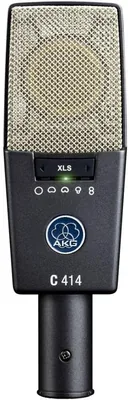
Austrian acoustics engineering and manufacturing company AKG has been in the business since 1947, and has produced dozens of mi...
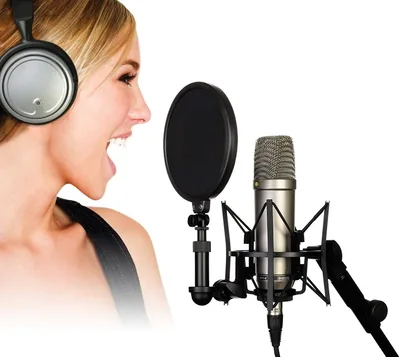
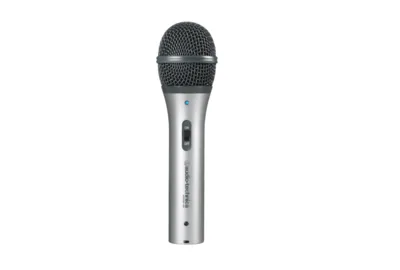
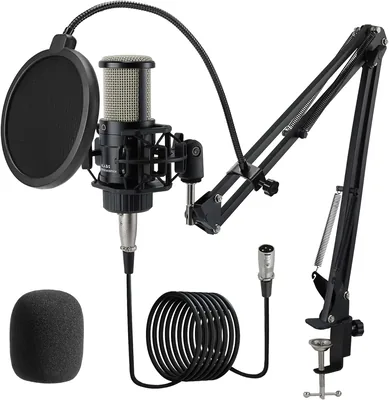
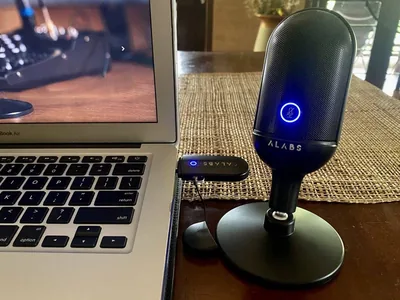
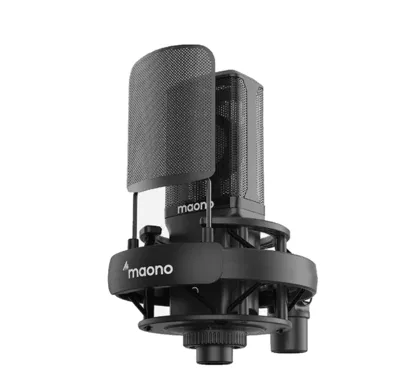

Vocal microphones are at the center of any recording or performance setup. Whether you’re singing, recording voiceovers, or producing music, the microphone you choose has a direct impact on how your voice is captured and heard. A great vocal recording isn’t just about talent. It depends on clarity, tone, and how well your microphone translates your voice into a usable signal.
This guide is your central hub for vocal microphones. It covers the different types, what features matter, how to set up your mic properly, and how to get the best results from your voice. From here, you can also explore our full guide to the best vocal microphones for different styles and budgets.
What Is a Vocal Microphone?
A vocal microphone is designed specifically to capture the human voice with accuracy and detail. Unlike general-purpose microphones, vocal mics are tuned to emphasize the frequency range where voices sit. This helps vocals sound clear, present, and natural in a mix. They’re used in:
- Studio recording
- Live performances
- Podcasting and voiceovers
- Music production
The goal of a vocal microphone is not just to record sound, but to capture the character and nuance of a voice.
Why Microphone Quality Matters for Vocals
When it comes to vocals, small differences in quality are easy to hear. The right microphone can enhance your voice, while the wrong one can make it sound flat or harsh.
Tone and Clarity
A quality microphone captures the natural tone of your voice without adding unwanted coloration. It preserves detail in both soft and powerful sections, allowing your performance to come through clearly. This is especially important for singing, where dynamics and expression play a big role.
Consistency Across Takes
Recording vocals often involves multiple takes. A good microphone provides consistent results, so your voice sounds the same from one take to the next. This makes editing and mixing much easier, especially when layering vocals or comping recordings together.
Professional Sound
Clean, well-recorded vocals are essential for a polished final product. Whether you’re releasing music or recording voiceovers, audio quality influences how your work is perceived. A strong vocal recording can elevate your entire production.
Types of Vocal Microphones
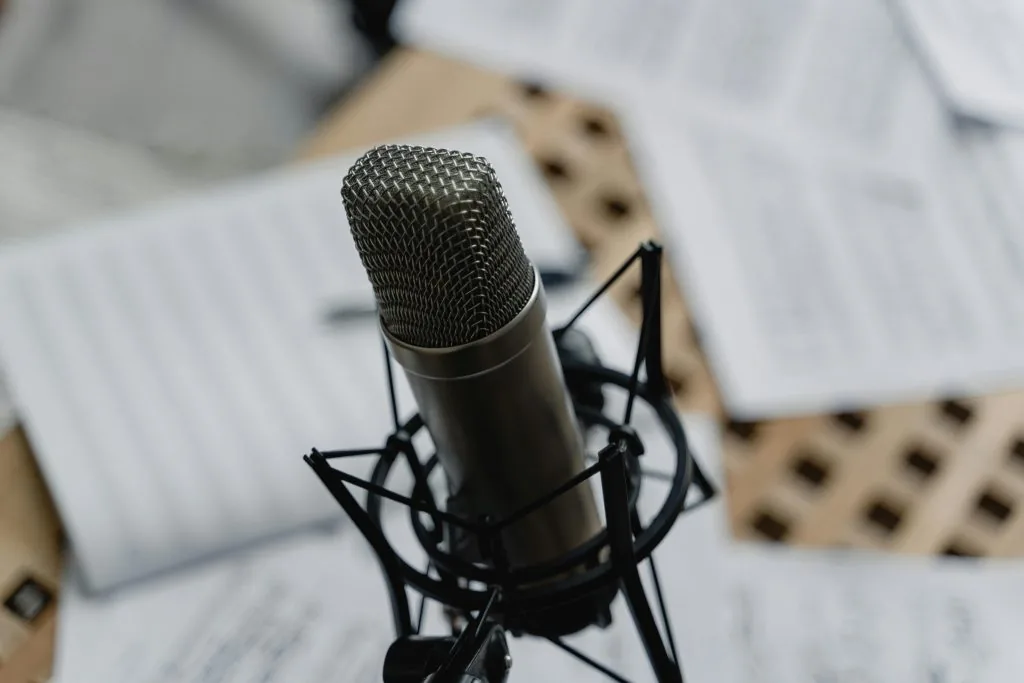
Different microphones are suited to different vocal applications. Choosing the right type depends on how and where you record.
Dynamic Microphones
Dynamic microphones are durable and handle loud sound levels well. They’re commonly used for live performances and louder vocal styles because they’re less sensitive to background noise, making them useful in environments that aren’t fully treated. Brands like Shure are well known for reliable dynamic vocal microphones.
Condenser Microphones
Condenser microphones are widely used in studio recording. They capture more detail and nuance, making them ideal for vocals that require clarity and depth. They work best in quiet, controlled environments where background noise is minimal. Manufacturers such as AKG and Audio-Technica produce popular condenser vocal mics.
USB Microphones
USB microphones are designed for simple recording setups. They connect directly to a computer and are often used for home recording, voiceovers, and basic vocal work. They’re convenient but offer less control compared to professional setups.
XLR Microphones
XLR microphones are used in professional recording environments. They require an audio interface but provide greater flexibility and higher audio quality. They’re ideal for singers, producers, and creators who want more control over their sound.
Key Features to Look for in a Vocal Microphone
Choosing a vocal microphone involves more than picking a popular model. It’s about finding a mic that complements your voice and recording setup.
Frequency Response
The frequency response determines how a microphone captures different parts of your voice. A well-balanced response ensures your vocals sound full without being overly bright or muddy. Some microphones emphasize certain frequencies, which can enhance or change the character of your voice.
Sensitivity and Detail
Sensitivity affects how much detail your microphone captures. Higher sensitivity allows for more nuance, especially in softer vocal passages. This is important for expressive performances where subtle changes in tone matter.
Noise Handling
A good vocal microphone should minimize unwanted noise. This includes both background sounds and internal noise from the microphone itself. Clean recordings are easier to mix and require less processing later.
Build and Reliability
Durability is important, especially for live use. A well-built microphone can handle repeated use and maintain consistent performance over time. Even in studio settings, build quality contributes to long-term reliability.
USB vs XLR for Vocals
Choosing between USB and XLR depends on your goals and setup. USB microphones are convenient for beginners. XLR setups offer more flexibility and better long-term results.
Choose USB if:
- You want a simple recording solution
- You are working in a basic home setup
- You need quick and easy recording
Choose XLR if:
- You want higher audio quality
- You plan to produce music or professional recordings
- You want more control over your sound
Best Vocal Microphone Setup
Your microphone is only one part of the recording chain. A proper setup ensures you get the best possible sound.
Essential Gear
- Microphone
- Stand or shock mount
- Pop filter
- Headphones for monitoring
- Audio interface for XLR setups
These elements help stabilize your mic, reduce unwanted noise, and allow you to monitor your recordings accurately.
Mic Placement
Placement affects tone and clarity. Position your microphone at a comfortable distance, usually 4 to 8 inches for vocals. Using a pop filter and maintaining consistent positioning helps control plosives and keeps your sound even across takes.
Recording Environment
The space you record in has a major impact on vocal quality. Hard surfaces create reflections that can muddy your sound. Adding soft materials or recording in a treated space helps capture a cleaner vocal signal that is easier to work with.
Common Vocal Microphone Mistakes
Most vocal recording issues come from technique and setup rather than the microphone itself. Small inconsistencies can have a noticeable impact on how your vocals sound in the final mix.
Inconsistent Distance
Changing your distance from the microphone affects both tone and volume. Getting too close can make your voice sound boomy or overpowering, while moving too far away makes it thin and distant.
Keeping a steady position helps maintain a consistent sound across takes. This is especially important when recording multiple layers or editing vocals together.
Poor Gain Settings
Gain determines how strong your recorded signal is. If it’s too high, louder parts of your performance will distort and clip, which cannot be fixed later. If it’s too low, your recording may sound weak and require boosting, which can introduce noise. Setting proper levels ensures your vocals are clear, balanced, and usable in the mix.
Ignoring Room Acoustics
Your environment plays a major role in vocal quality. Hard surfaces reflect sound, creating echo and reverb that can make your vocals sound muddy or distant. Even a good microphone cannot fully compensate for a poor room. Simple improvements like adding soft materials or choosing a quieter space can make a significant difference.
No Monitoring
Recording without monitoring means you are not hearing what the microphone is actually capturing. Issues like background noise, clipping, or inconsistent levels may go unnoticed until it’s too late.
Using headphones to monitor your audio in real time allows you to catch problems early and maintain a consistent, clean recording throughout your session.
How to Improve Vocal Recordings Without Upgrading Your Mic
Before buying new gear, focus on improving your setup.
- Adjust microphone placement
- Improve your recording environment
- Control your vocal levels
- Use basic processing like EQ and compression
These changes can significantly improve your recordings without additional cost.
Who Needs Which Type of Vocal Microphone?
Different users have different needs depending on how they record, perform, and shape their sound.
Beginners
If you’re just starting out, ease of use is the priority. USB microphones are a practical entry point because they require no additional gear and allow you to start recording immediately.
They work well for basic vocal recordings, demos, and voiceovers. While they may not offer advanced control, they’re capable of producing clean results when paired with good technique and a decent recording environment.
Intermediate Users
As you become more serious about recording, control and consistency start to matter more. Moving to an entry-level XLR setup gives you access to better sound shaping and more reliable performance.
With an audio interface, you can manage gain more precisely and achieve a cleaner signal. This setup is ideal for singers, content creators, and home studio users who want to improve the quality of their recordings.
Professionals
For professional use, every detail counts. High-end XLR microphones, combined with quality preamps, interfaces, and acoustic treatment, provide the most accurate and consistent vocal recordings.
These setups are designed for studio environments where tone, clarity, and precision are critical. They allow for full control over the recording chain, resulting in polished, industry-level vocals.
Final Thoughts
Vocal microphones are essential tools for capturing your voice accurately and professionally. The right microphone depends on your voice, your environment, and your goals. Focus on clarity, consistency, and proper setup. With the right approach, you can achieve high-quality vocal recordings at any level.