

Audio-Technica Microphones
All 11 Audio-Technica microphones we have reviewed, with what each one is good at, or read every Audio-Technica review. Start with the buying guide if you want the short answer.
- Judged on the same points as every microphone we review
- No brand pays to appear or to rank higher
- Updated when models change or are discontinued
The short answer
The Best Audio-Technica Microphones
-
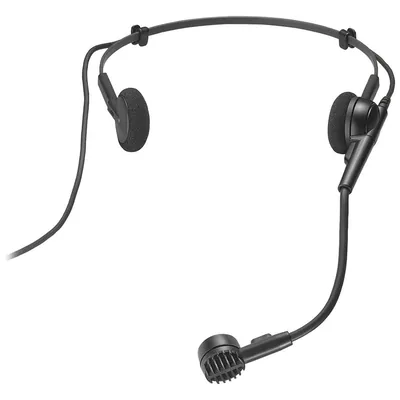
Audio-Technica PRO 8HEx Microphone
4.7
$99.00
- Brand
- Audio-Technica
- Type
- Dynamic
- Polar pattern
- Hypercardioid
Live performances are always thrilling for both the audience and the performers. Artists on stage have the time of their lives,...
-
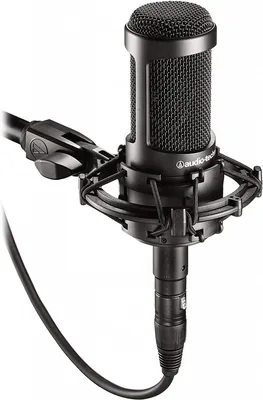
Audio-Technica AT2035 Microphone
4.3
$155.00
- Brand
- Audio-Technica
- Type
- Condenser
- Polar pattern
- Cardioid
Over the years, Audio-Technica has comfortably established itself as a manufacturer of top-quality budget and mid-priced microp...
-
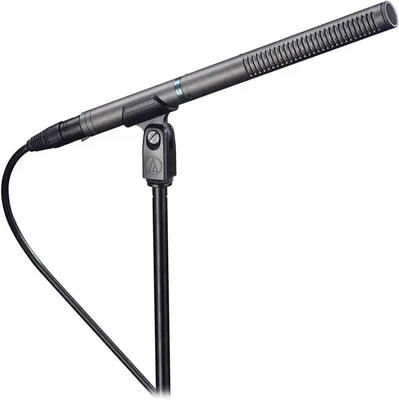
Audio-Technica AT897 Microphone
4.0
$269.00
- Brand
- Audio-Technica
- Type
- Shotgun
- Polar pattern
- Supercardioid
When it comes to recording sound on the go, film, and video enthusiasts have a range of different options available for the job...
-
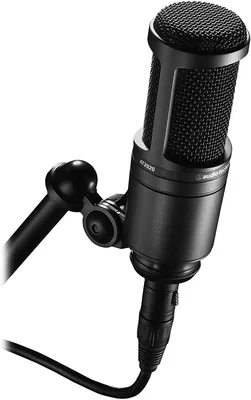
Audio-Technica AT2020 Microphone
4.0
$117.00
- Brand
- Audio-Technica
- Type
- Condenser
- Polar pattern
- Cardioid
If you’re on the market for an affordable beginner mic that’s under or around USD $100, chances are you’re spoiled for choice. ...
-
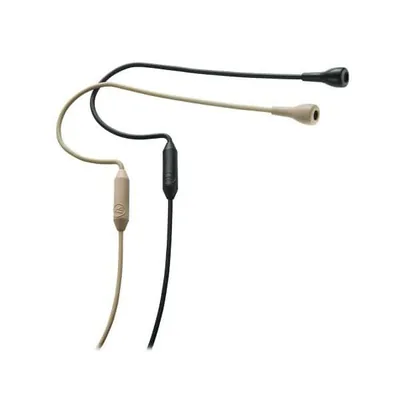
Audio-Technica System 10 ATW-1101/H92-TH
$439.95
- Brand
- Audio-Technica
- Type
- Wireless
- Polar pattern
- Omnidirectional
Whether you’re delivering a presentation, leading a fitness class, or performing on stage, having dependable audio equipment is...
-
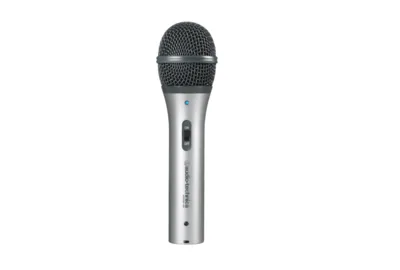
Audio-Technica ATR2100-USB Microphone
- Brand
- Audio-Technica
- Type
- USB
- Polar pattern
- Cardioid
While the Audio-Technica ATR2100-USB Microphone has already been replaced by the ATR2100x-USB, this rugged handheld mic still d...
Read the review See alternativeNo longer on Amazon. Our alternative: Audio-Technica AT2005USB Cardioid Dynamic USB/XLR Microphone
-
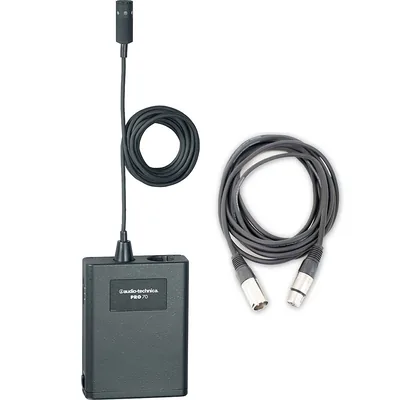
Audio-Technica Pro 70 Microphone
$159.00
- Brand
- Audio-Technica
- Type
- Lavalier
Finding the right lavalier microphone for your profession, passion, or hobby can be a difficult task, especially if you don’t k...
-
Audio-Technica AT899 Microphone
- Brand
- Audio-Technica
- Type
- Lavalier
- Polar pattern
- Omnidirectional
For interviews, documentary, film, theater, and stage applications, the Audio-Technica AT899 is a very low-profile lavalier mic...
Read the review See alternativeNo longer on Amazon. Our alternative: Audio-Technica BP899CW Omnidirectional Lavalier Microphone Wireless
-
Audio-Technica System 10 ATW-1102 Microphone
$349.95
- Brand
- Audio-Technica
- Type
- Dynamic
- Polar pattern
- Unidirectional
It doesn’t matter if you’re a presenter, lecturer, or musician. Any job that requires clean, crisp vocals is going to need a hi...
-
Audio-Technica AT8004L Microphone
- Brand
- Audio-Technica
- Type
- Dynamic
- Polar pattern
- Omnidirectional
Picking out the perfect microphone for your setup takes a lot of research. Some microphones work better in certain recording si...
Read the review See alternativeNo longer on Amazon. Our alternative: Audio-Technica AT875R Condenser Microphone
-
Audio-Technica ATR2500 Microphone
- Brand
- Audio-Technica
- Type
- USB
- Polar pattern
- Cardioid
The landscape of recording has changed in recent years, and many would say for the better. For aspiring musicians, podcasters, ...
Read the review See alternativeNo longer on Amazon. Our alternative: Audio-Technica ATR2500x-USB Cardioid Condenser Microphone
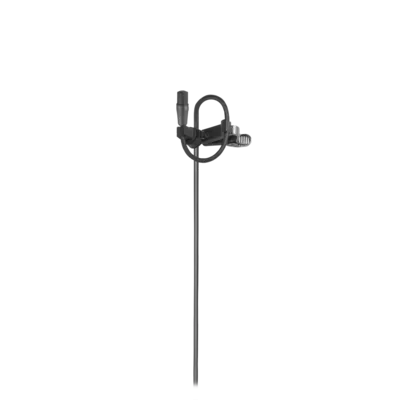
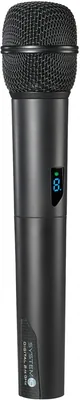
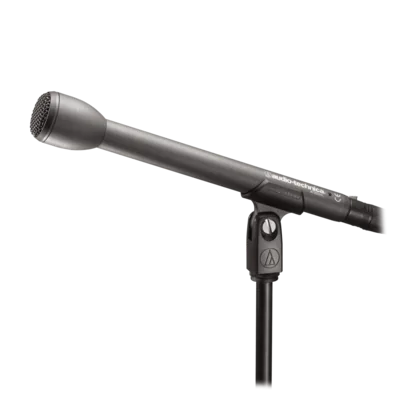
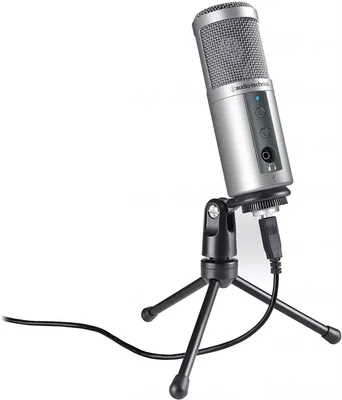
Audio-Technica microphones are widely used across studios, home setups, and live environments. They’ve built a reputation for delivering consistent performance at accessible price points, which makes them a go-to brand for beginners and professionals alike.
This guide breaks down how Audio-Technica microphones actually perform in real-world use. You’ll learn about the different types, key features, use cases, and the common mistakes that impact sound quality.
What Are Audio-Technica Microphones Known For?
Audio-Technica is known for balancing affordability with performance. Their microphones tend to offer clean, usable sound without requiring heavy post-processing. That’s why models like the AT2020 have become industry entry points for creators, podcasters, and musicians.
In practical terms, the best Audio-Technica microphones are known for:
- Strong value across entry to mid-range budgets
- Reliable performance in both home and studio setups
- Accessible sound quality without complex setups
They don’t always aim for high-end coloration or niche sound profiles. Instead, they focus on consistency, which is what most users actually need.
Types of Audio-Technica Microphones
Choosing the right microphone starts with understanding how each type behaves in real-world conditions.
Condenser Microphones
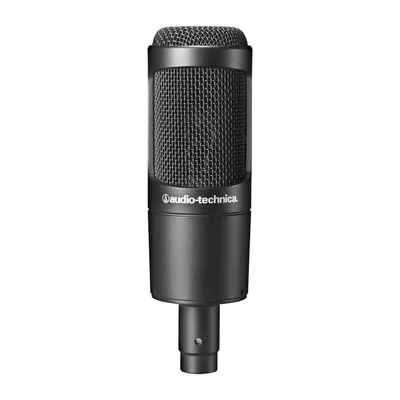
Condenser microphones are the most popular category in the Audio-Technica lineup. Models like the Audio-Technica AT2020 and Audio-Technica AT2035 are widely used for vocals, streaming, and home studio recording. These microphones are designed to capture detail. They respond well to vocal dynamics and subtle tonal changes, which makes them ideal for:
- Voice recording
- Singing
- Acoustic instruments
In practice, they perform best in quiet or treated environments. If your room has echo or background noise, a condenser mic will pick it up. They also require phantom power, so you’ll need an audio interface or mixer to use them properly.
Dynamic Microphones
Dynamic microphones in the Audio-Technica range focus on control and durability. They’re less sensitive than condenser mics, which makes them more suitable for untreated rooms or live environments. These are typically used for:
- Live vocals
- Podcasting in noisy spaces
- Loud sound sources
Dynamic mics won’t capture as much detail, but they often produce cleaner results when background noise is an issue.
USB Microphones
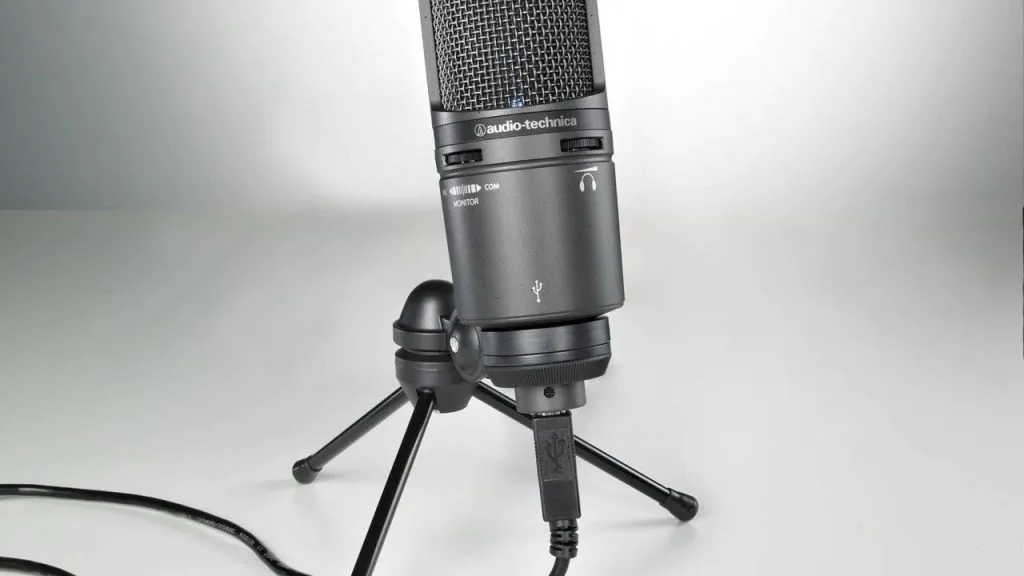
USB microphones are built for simplicity. A model like the Audio-Technica AT2020USB+ removes the need for an interface by combining everything into one unit. This makes it a strong option for:
- Beginners
- Remote workers
- Streamers
- Content creators
Setup is quick, and you can start recording almost immediately. The limitation is flexibility. You’re locked into the built-in components, so upgrading later usually means replacing the entire mic.
Lavalier and Shotgun Microphones
Audio-Technica also offers microphones designed for video and mobile recording. Lavalier microphones clip onto clothing and maintain consistent audio levels, while shotgun microphones focus on directional sound capture. These are commonly used for:
- Interviews
- Video production
- On-camera content
They’re built for practical use where traditional studio microphones aren’t suitable.
Key Features to Look for in Audio-Technica Microphones
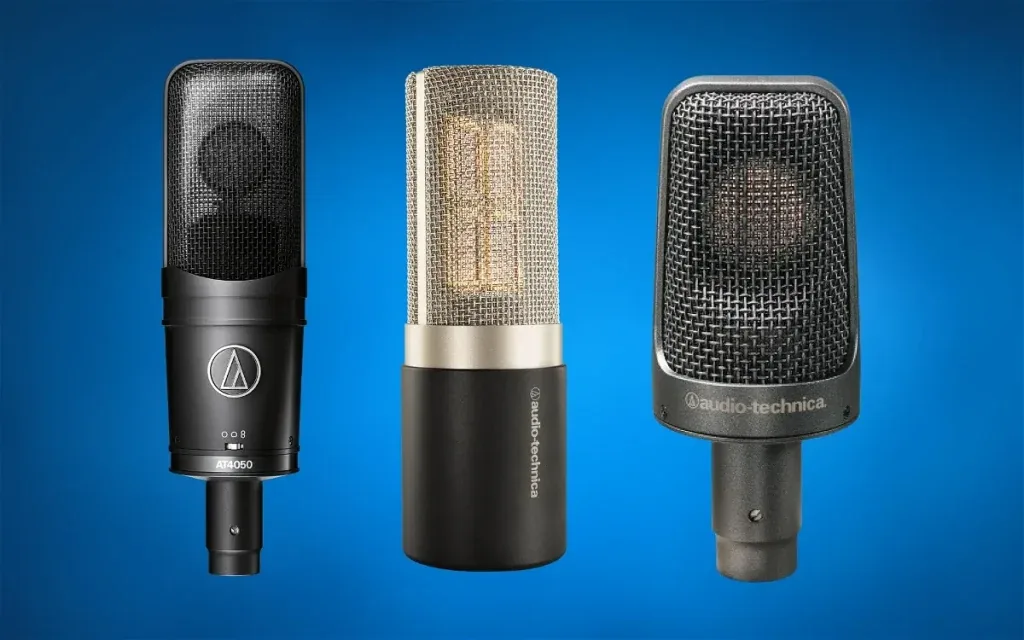
Specs only matter if you understand how they affect real performance.
Sound Profile
Audio-Technica microphones generally aim for a neutral to slightly bright sound. This works well for vocals because it adds clarity without making the audio sound overly processed. However, if your voice is already sharp, you may need to adjust placement or EQ.
Polar Patterns
Most Audio-Technica microphones use a cardioid pattern, which focuses on sound from the front. This helps reduce background noise and keeps your audio focused. Some higher-end models offer multiple patterns, which adds flexibility for different recording setups.
Frequency Response
Frequency response affects how natural your audio sounds. Instead of focusing on the widest range, look for balance. Clear mids are especially important for vocals, since that’s where most of the voice sits.
Build Quality
Audio-Technica microphones are generally well-built for their price range. They may not feel as heavy as high-end studio mics, but they’re durable enough for regular use in both home and semi-professional setups.
Connectivity and Upgrade Path
You’ll need to decide between USB and XLR. USB microphones are easier to use, while XLR microphones give you more control and upgrade options. If you plan to expand your setup, XLR is the better long-term choice.
Best Uses for Audio-Technica Microphones
Different models perform better in different scenarios, and choosing based on use case usually makes a bigger difference than choosing based on price.
Studio Recording
For studio work, condenser microphones like the Audio-Technica AT2035 are designed to capture detail and nuance. They respond well to vocal dynamics, which makes them a strong choice for singing, voiceovers, and acoustic instruments.
In a controlled environment, these microphones produce a clean, natural sound that requires minimal correction. The key is having a quiet space, because any background noise or echo will also be captured.
Podcasting and Streaming
For simple setups, a USB microphone like the Audio-Technica AT2020USB+ offers an easy starting point. You can plug it in and start recording without worrying about extra gear. However, if your room isn’t treated, a dynamic microphone often performs better. It reduces background noise and keeps your voice more focused, which is critical for consistent podcast or stream quality.
Live Performances
Dynamic microphones are better suited for live use because they handle high sound pressure levels without distortion. They’re also less sensitive to surrounding noise, which helps reduce feedback and keeps your vocals clear even in loud environments. This makes them a reliable choice for stage performances and rehearsals where conditions aren’t controlled.
Video and Content Creation
For video work, flexibility matters more than raw audio detail. Lavalier microphones keep your voice consistent as you move, while shotgun microphones focus on directional sound capture. This makes them ideal for interviews, vlogs, and on-camera content where traditional mic placement isn’t practical.
Common Mistakes When Choosing an Audio-Technica Microphone
Most issues come from mismatched setups rather than poor equipment, even with a reliable brand like Audio-Technica.
Choosing the Wrong Type for Your Environment
A condenser mic in a noisy or echo-filled room will capture everything, including unwanted reflections and background sounds. If your space isn’t controlled, a dynamic mic usually produces cleaner and more usable audio by focusing on your voice and rejecting more of the room.
Overvaluing Specs
Specs don’t guarantee performance. Two microphones with similar frequency ranges can sound completely different depending on how they interact with your voice. What matters more is tonal balance and how the mic behaves in your setup.
Ignoring Mic Technique
Positioning has a direct impact on clarity and tone. Being too far from the mic makes your voice sound thin, while being too close can introduce boominess and plosives. Small adjustments in angle and distance can noticeably improve your sound without any additional cost.
Skipping Proper Setup
Using an XLR microphone without proper gain staging or a decent interface limits its performance. If your gain levels are off or your interface introduces noise, even a good microphone won’t sound right. The entire signal chain needs to be considered, not just the mic itself.
Expecting One Mic to Do Everything
No single microphone excels in every situation. Trying to use one mic for vocals, streaming, instruments, and live performance usually leads to compromises. Matching the microphone to your primary use case delivers better and more consistent results.
How to Choose the Right Audio-Technica Microphone
Start with Your Primary Use Case
If you’re recording vocals in a controlled space, a condenser mic will give you more detail and clarity. If you’re dealing with background noise or an untreated room, a dynamic mic provides better control and cleaner results.
Consider Your Setup and Gear
USB microphones are the easiest option for quick setups and beginners. XLR microphones require more equipment, but they offer better flexibility and upgrade potential if you plan to improve your setup over time.
Match the Microphone to Your Voice and Environment
Your voice tone and recording space have a bigger impact than specs. A microphone that complements your voice and works well in your environment will always outperform a more expensive option that doesn’t fit your setup.
Audio-Technica vs Other Brands
AKG vs Audio-Technica
AKG leans more toward studio refinement and balanced sound, while Audio-Technica focuses on accessibility and value. If you want a slightly more polished studio tone, AKG has the edge. If you want reliable performance at a lower entry point, Audio-Technica is often the better choice.
Shure vs Audio-Technica
Shure is known for durability and live performance. Compared to Audio-Technica, Shure microphones tend to perform better in demanding stage environments, while Audio-Technica offers more variety in affordable studio-focused models.
Rode vs Audio-Technica
Rode focuses heavily on content creators and ease of use, especially with plug-and-play solutions. Audio-Technica offers similar accessibility but often provides a more neutral sound profile, which gives you more flexibility during editing and post-production.
Final Thoughts
Audio-Technica microphones are popular for a reason. They deliver reliable performance without unnecessary complexity. If you choose the right type, match it to your environment, and set it up properly, you can get professional-quality audio without overspending.