
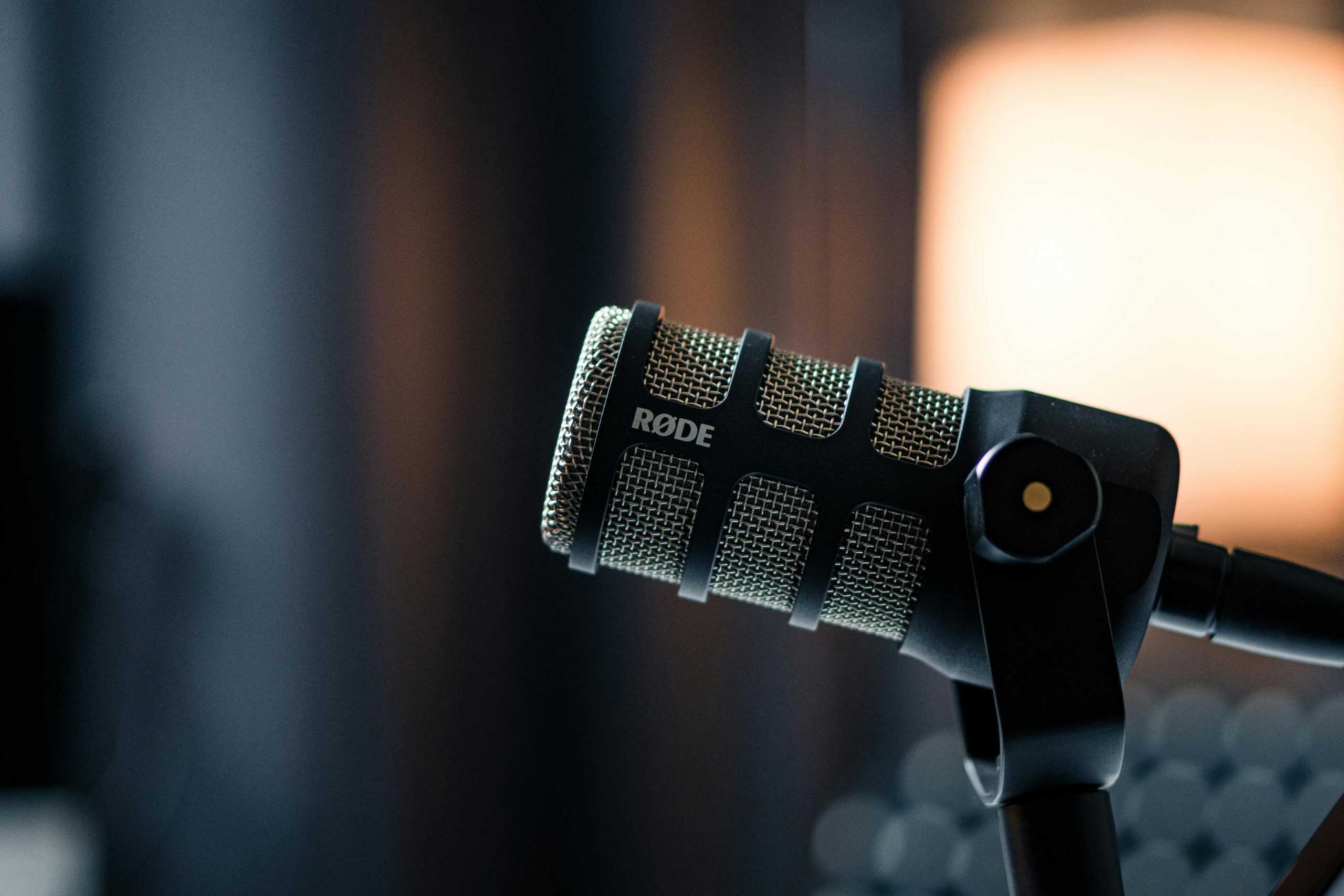
Podcasting microphones are the foundation of any serious audio setup. You can have great content, a solid script, and strong branding, but if your audio sounds poor, listeners won’t stick around. Sound quality is what separates amateur podcasts from professional productions.
Whether you’re just starting or upgrading your setup, this page will walk you through how microphones work, what types exist, how to choose the right one, and how to get the best sound possible. From here, you’ll also be able to explore our deeper guides, including our full breakdown of the best podcast microphones for different budgets and use cases.
What Is a Podcasting Microphone?
A podcasting microphone is a device that captures your voice and converts it into an electrical signal that can be recorded, processed, and published as audio content. While technically any microphone can record audio, podcasting microphones are designed to prioritize:
- Vocal clarity
- Background noise rejection
- Consistent tone
- Ease of use for spoken-word content
Unlike general-purpose mics, podcasting microphones are tuned specifically for speech, making voices sound fuller, warmer, and more engaging.
Why Podcast Microphone Quality Matters
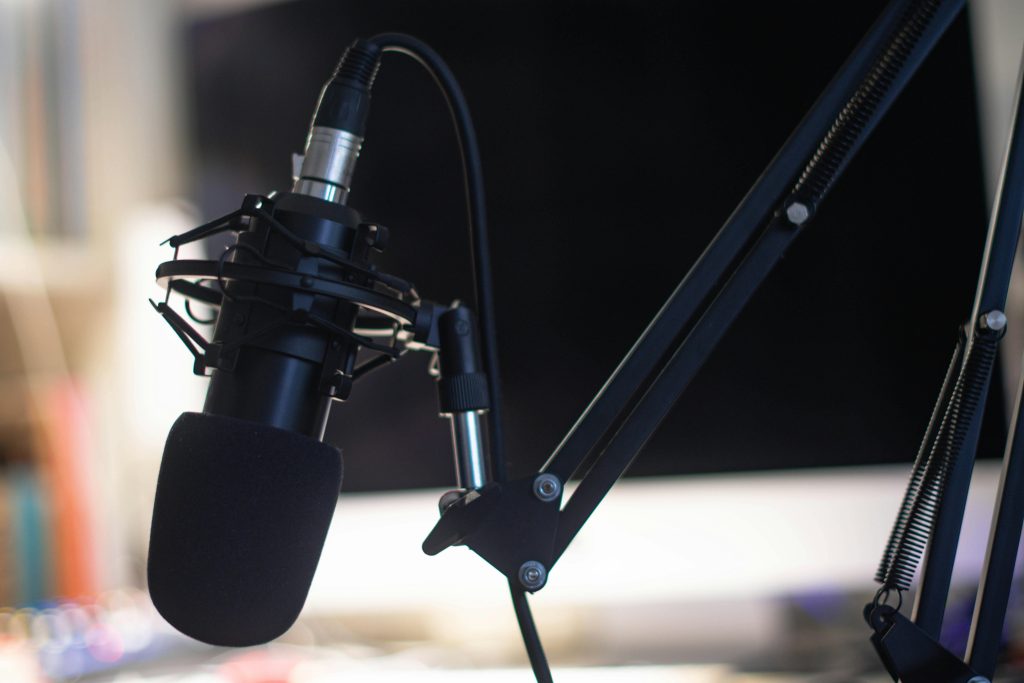
Audio quality directly impacts listener retention, perceived authority, and overall engagement. Poor audio creates friction. Background noise, echo, and distortion make it harder for listeners to focus on what you’re saying. On the other hand, clean, well-recorded audio builds trust and keeps people listening longer.
There are three key reasons why your microphone choice matters:
Listener Experience
Clear audio does more than just “sound better.” It directly affects how long people stay engaged with your content. Podcasts are often consumed passively during commutes, workouts, or while multitasking, so any friction in audio quality becomes amplified.
If your voice sounds distant, muffled, or inconsistent in volume, listeners have to work harder to follow along. Over time, that creates fatigue, and fatigue leads to drop-off. On the other hand, a clean, well-balanced microphone captures your voice with clarity and presence, making it easier for listeners to stay focused for 30, 60, or even 90 minutes.
Good microphones also handle dynamics better. That means your quieter moments remain audible, and your louder moments don’t distort. The result is a smoother, more comfortable listening experience that keeps your audience coming back.
Brand Perception
Audio quality plays a major role in how your podcast is perceived, often within the first few seconds. Before listeners evaluate your content, they subconsciously judge how it sounds.
A polished, studio-like sound immediately signals credibility. It tells your audience that you take your podcast seriously, which in turn makes them more likely to take your message seriously. This is especially important if you’re building authority in a niche, running interviews, or representing a business.
On the flip side, poor audio (background hiss, echo, inconsistent levels) can make even great content feel unprofessional. It creates doubt about your overall quality and attention to detail. In competitive spaces, that’s often enough for listeners to switch to another show.
Strong audio helps position your podcast alongside established creators, not because of budget, but because of execution.
Editing Flexibility
The quality of your raw recording determines how much control you have in post-production. A good microphone captures a clean, balanced signal with minimal noise, giving you more freedom to shape your sound during editing. When your source audio is strong, tools like EQ, compression, and noise reduction enhance your voice rather than repair it. You can fine-tune tone, improve consistency, and create a polished final product without introducing artifacts or distortion.
In contrast, poor recordings limit what’s possible. Trying to fix background noise, echo, or clipping often degrades the audio further. You end up spending more time editing, with worse results. Better microphones reduce the need for heavy processing altogether. They give you a solid foundation, so your workflow becomes faster, more efficient, and far more consistent from episode to episode.
Types of Podcasting Microphones
Understanding microphone types is essential before making a purchase. Each type has strengths depending on your environment and recording style.
Dynamic Microphones
Dynamic microphones are known for their durability and ability to reject background noise. They’re ideal for:
- Noisy environments
- Untreated rooms
- Close-up speaking
They capture less room ambience, making them a go-to choice for podcasters recording at home without acoustic treatment. Well-known examples include models from Shure and Electro-Voice.
Condenser Microphones
Condenser microphones are more sensitive and capture a wider range of frequencies. They’re best suited for:
- Treated studios
- Controlled environments
- High-detail vocal recordings
While they deliver richer sound, they also pick up more background noise, which can be problematic in untreated spaces. Brands like Audio-Technica and AKG are known for high-quality condenser microphones.
USB Microphones
USB microphones connect directly to your computer without additional equipment. They’re ideal for:
- Beginners
- Solo podcasters
- Quick, plug-and-play setups
USB mics combine convenience with decent sound quality, making them one of the most popular choices for new creators.
XLR Microphones
XLR microphones require an audio interface or mixer, but they offer significantly more flexibility and control. They’re best for:
- Advanced setups
- Multi-person podcasts
- Professional production environments
While they require more investment, XLR microphones provide better long-term scalability.
Key Features to Consider When Choosing a Podcast Mic
Choosing the right microphone isn’t just about brand or price. It’s about matching the mic to your environment, voice, and workflow.
Polar Pattern
The polar pattern determines how the microphone picks up sound. The most common for podcasting is cardioid, which captures sound from the front while rejecting noise from the sides and rear. This helps isolate your voice and reduce distractions.
Frequency Response
This refers to how the microphone captures different frequencies. For podcasting, you want a mic that emphasizes mid-range frequencies where the human voice sits. This creates a warm, natural tone without sounding harsh or thin.
Sensitivity and Gain
Some microphones require more gain to reach optimal levels. This is especially true for many dynamic microphones. If your mic needs a lot of gain, you may also need a quality audio interface or a preamp to avoid introducing noise.
Build Quality
A well-built microphone lasts longer and performs more consistently. Metal construction, solid mounting options, and reliable connectors are indicators of a quality mic that can handle long-term use.
USB vs XLR: Which Should You Choose?
This is one of the most common decisions new podcasters face. As a general rule, USB is about convenience. XLR is about control and scalability.
Choose USB if:
- You want a simple setup
- You’re recording solo
- You don’t want extra equipment
Choose XLR if:
- You want higher audio quality
- You plan to upgrade over time
- You need multiple microphones
Best Microphone Setup for Podcasting
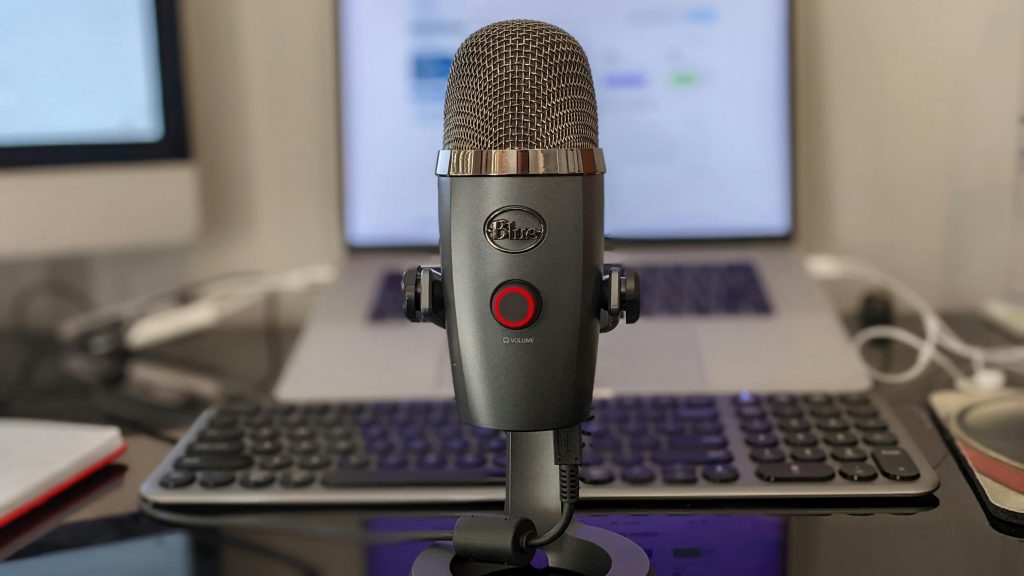
Your microphone is only one part of the setup. To get the best results, you need to consider the full signal chain.
Essential Components
- Microphone
- Stand or boom arm
- Pop filter or windscreen
- Headphones for monitoring
- Audio interface (for XLR setups)
Each component plays a role in improving clarity and consistency.
Recording Environment
Even the best microphone will sound bad in a poor environment. Hard surfaces create echo and reverb. Soft materials like curtains, carpets, and foam panels help absorb sound and improve recording quality. You don’t need a professional studio, but basic acoustic treatment makes a significant difference.
Common Podcast Microphone Mistakes
Most podcast audio problems aren’t caused by bad gear. They come from small, avoidable mistakes that affect how your microphone captures sound.
Speaking Too Far from the Mic
Distance is one of the biggest killers of audio quality. The farther you are from the microphone, the more it picks up your room instead of your voice. That means less clarity, more echo, and a thinner overall sound.
For most podcast setups, staying within 2–6 inches of the mic keeps your voice full and present while minimizing background noise.
Poor Mic Positioning
Pointing the microphone directly at your mouth can increase harsh sounds like “p” and “s” (plosives and sibilance). At the same time, placing it too far off-axis can make your voice sound dull.
A slight angle just off to the side of your mouth usually gives the best balance. You maintain clarity while reducing those distracting bursts of air.
Ignoring Gain Levels
Gain controls how much signal your microphone sends into your recording. If it’s too high, your audio clips and distorts, which is impossible to fix later. If it’s too low, you’ll need to boost it in editing, which also raises background noise.
A good rule is to aim for consistent levels that peak around -10dB to -6dB. That gives you enough volume without risking distortion.
Bad Room Acoustics
Even a high-end microphone will struggle in a bad environment. Hard surfaces reflect sound, creating echo and reverb that make your recording feel distant and unprofessional.
Simple fixes, like adding rugs, curtains, or foam panels, can dramatically improve your sound. The goal is to reduce reflections so your microphone captures your voice, not the room around it.
How to Improve Your Podcast Audio (Without Buying a New Mic)
Before upgrading your gear, optimize what you already have.
- Adjust your mic placement
- Reduce background noise
- Improve your recording environment
- Use proper gain staging
- Apply light post-processing (EQ and compression)
These changes often have a bigger impact than switching microphones.
Who Needs Which Type of Podcast Microphone?
Different creators need different setups. The right microphone depends on your experience level, recording environment, and how much control you want over your audio.
Beginners
If you’re just starting out, simplicity matters more than perfection. USB microphones are the easiest way to get up and running with minimal friction. You plug them into your computer, select them as your input, and start recording.
They’re ideal for solo podcasts, basic interviews, and creators who don’t want to deal with extra gear. While they may not offer the same level of control as more advanced setups, they’re more than capable of producing clean, professional-sounding audio when used correctly.
Intermediate Podcasters
Once you’ve got a few episodes under your belt, you’ll start noticing the limitations of plug-and-play setups. This is where upgrading to an XLR dynamic microphone makes a real difference.
Dynamic XLR mics give you better control over your sound, especially in untreated or slightly noisy environments. Paired with a basic audio interface, they allow you to fine-tune gain, reduce background noise, and maintain more consistent audio across recordings. This stage is about improving quality without overcomplicating your workflow.
Professional Creators
For experienced podcasters, audio becomes part of the brand. High-end XLR setups, combined with quality audio interfaces, preamps, and proper acoustic treatment, offer the highest level of control and consistency. These setups are designed for multi-person podcasts, remote interviews, and studio-level production. You can shape your sound precisely, manage multiple inputs, and maintain broadcast-quality audio across every episode.
At this level, it’s not just about sounding good. It’s about sounding consistent, polished, and instantly recognizable.
Final Thoughts
Podcasting microphones are more than just tools. They define how your voice is heard, how your content is perceived, and how professional your podcast feels. The right microphone doesn’t have to be expensive. It just needs to match your environment, your workflow, and your goals.
Start with the basics. Focus on clarity and consistency. Then build your setup as your podcast grows. That’s how you go from sounding like a beginner to sounding like a brand.