

Dynamic Microphones
We have reviewed 32 dynamic microphones. Filter by price, brand or rating, read every dynamic microphone review, or start with the guide if you would rather we just told you.
- Judged on the same points as every microphone we review
- No brand pays to appear or to rank higher
- Updated when models change or are discontinued
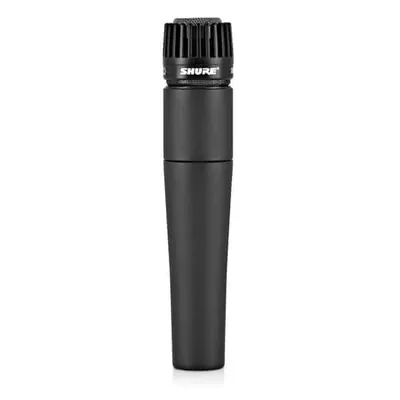
The short answer
The Best Dynamic Mic
-
Shure SM7B Microphone
5.0
$429.00
- Brand
- Shure
- Type
- XLR
- Polar pattern
- Cardioid
Shure has been in the microphone game a long time, since 1932, in fact. Over the years, they’ve built a reputation as one of th...
-
Royer R-121 Microphone
5.0
$1,599.00
- Brand
- Royer Labs
- Type
- Dynamic
- Polar pattern
- Bidirectional
Lauded by Recording Magazine as “one of the classic microphones of the 21st century,” the Royer 121 is the company’s flagship m...
-
Audio-Technica PRO 8HEx Microphone
4.7
$99.00
- Brand
- Audio-Technica
- Type
- Dynamic
- Polar pattern
- Hypercardioid
Live performances are always thrilling for both the audience and the performers. Artists on stage have the time of their lives,...
-
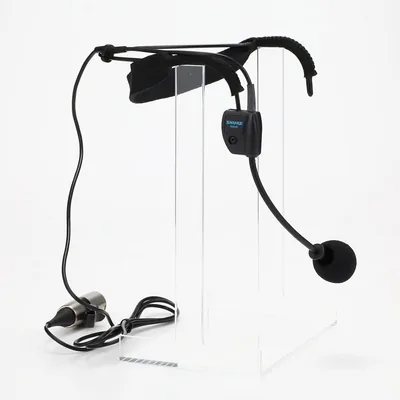
Shure WH20XLR Dynamic Headset Microphone
4.7
$99.00
- Brand
- Shure
- Type
- Dynamic
- Polar pattern
- Unidirectional
In our Shure WH20XLR Dynamic Headset Microphone review, we’ll explore what makes this mic stand out in its category. From its r...
-
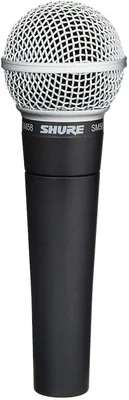
Shure SM58 Microphone
4.7
$109.00
- Brand
- Shure
- Type
- Dynamic
- Polar pattern
- Cardioid
The Shure SM58 Microphone is probably the defining image for microphones, the archetypal microphone if you will, with an unassu...
-
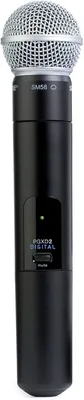
Shure PGXD24/SM58-X8 Microphone
4.7
- Brand
- Shure
- Type
- Wireless
- Polar pattern
- Unidirectional
When it comes to live performances, wired microphones can be inconvenient. Whether you’re delivering a speech or singing a song...
Read the review See alternativeNo longer on Amazon. Our alternative: Shure SM58 Pro XLR Dynamic Vocal Microphone
-
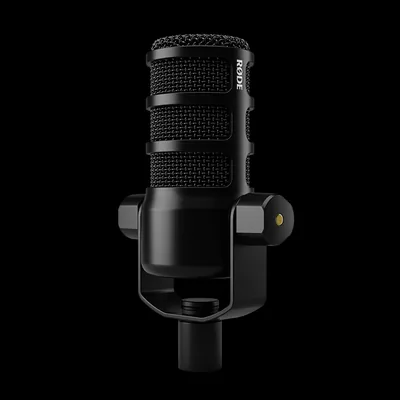
Rode PodMic
4.3
$85.00
- Brand
- Rode
- Type
- Dynamic
- Polar pattern
- Cardioid
Welcome to the Rode PodMic review, where we delve into the prowess of this dynamic capsule broadcast microphone designed to ele...
-
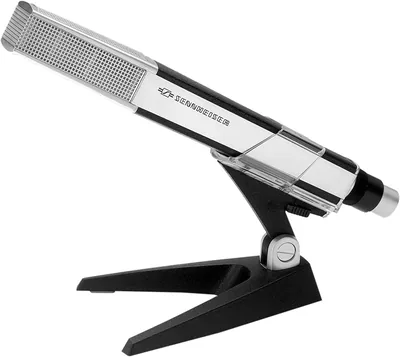
Sennheiser MD 441-U Microphone
4.3
$1,249.00
- Brand
- Sennheiser
- Type
- Dynamic
- Polar pattern
- Supercardioid
The Sennheiser MD 441-U Microphone is a dynamic super-cardioid condenser mic that can perform and deliver sound at the utmost p...
-
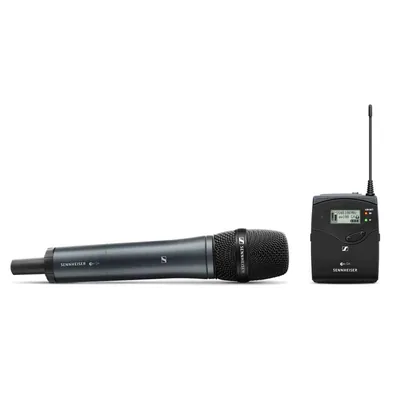
Sennheiser Pro Audio EW 135P G4 Microphone
4.3
- Brand
- Sennheiser
- Type
- Wireless
- Polar pattern
- Cardioid
The Sennheiser EW 135P G4 camera-mount wireless handheld microphone system is the perfect choice for professional recordings, f...
Read the review See alternativeNo longer on Amazon. Our alternative: Sennheiser Pro Audio Portable Lavalier Wireless Set, AW+ (ew 512P G4
-
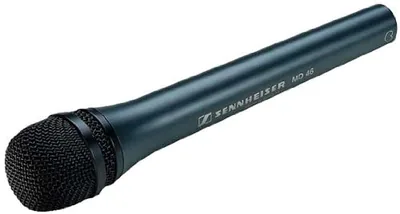
Sennheiser MD 46 Microphone
4.3
$149.00
- Brand
- Sennheiser
- Type
- Dynamic
- Polar pattern
- Cardioid
Microphones have been used to capture a variety of different sound sources. In fact, just name the sound source and you’ll prob...
-
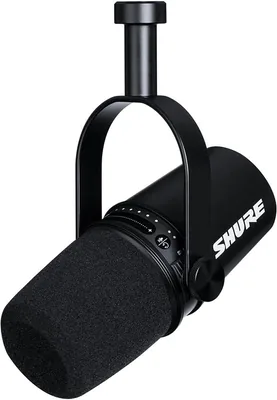
Shure MV7 Microphone
4.3
$299.00
- Brand
- Shure
- Type
- Dynamic
- Polar pattern
- Cardioid
Our lives have been completely transformed by technology and the advantages it gives. While recording music and audio has been ...
-
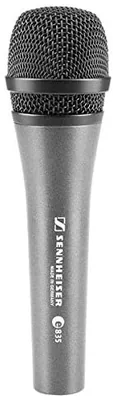
Sennheiser E835 Microphone
4.3
$129.95
- Brand
- Sennheiser
- Type
- Dynamic
- Polar pattern
- Cardioid
If quality is what you’re looking for, then Sennheiser has it. A German brand that’s well known for its high-fidelity products,...
-
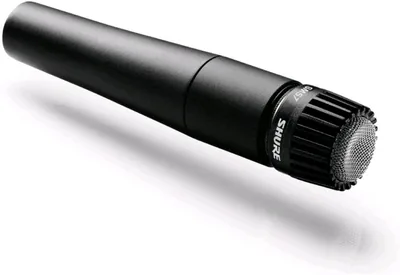
Shure SM57 Microphone
4.3
$109.00
- Brand
- Shure
- Type
- Dynamic
- Polar pattern
- Cardioid
Durability. A dynamic range that can pick up both low and high frequencies. Portability. Practicality. Affordability. Power. Al...
-
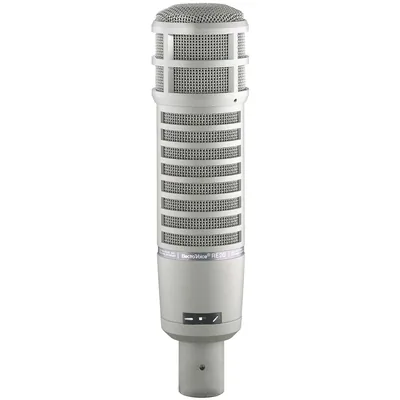
Electro-Voice RE20 Broadcast Announcer Microphone
4.0
$449.00
- Brand
- Electro-Voice
- Type
- Dynamic
- Polar pattern
- Cardioid
The Electro-Voice RE20 Broadcast Announcer Microphone is hailed as the gold standard radio broadcast and go-to vocal mic for ma...
-
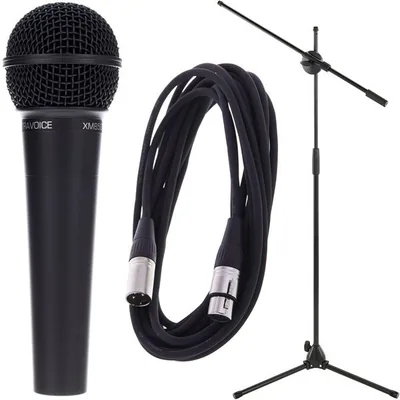
Behringer XM8500 Microphone
4.0
- Brand
- Behringer
- Type
- Dynamic
- Polar pattern
- Unidirectional
Believe it or not, there are plenty of incredible microphones out there that don’t cost a fortune if you know where to look. Ma...
Read the review See alternativeNo longer on Amazon. Our alternative: Shure SM58 Pro XLR Dynamic Vocal Microphone
-
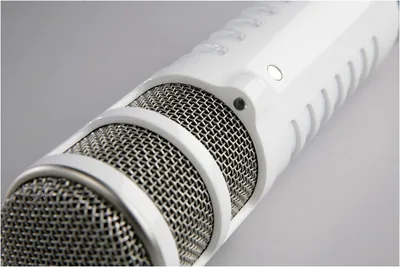
RODE Podcaster
$169.95 List price
$289.00Save 41%- Brand
- Rode
- Type
- USB
- Polar pattern
- Cardioid
Looking for a dynamic USB mic that’s perfect straight out of the box and delivers consistent, broadcast-level audio? The RODE P...
-
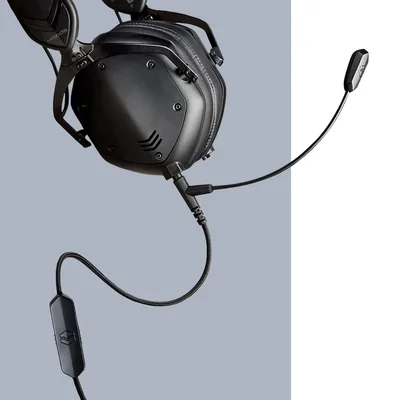
V-MODA BoomPro X
- Brand
- V-MODA
- Type
- USB
- Polar pattern
- Cardioid
In this V-MODA BoomPro X review, we will introduce to you a detachable microphone that can be used for gaming, attending virtua...
-
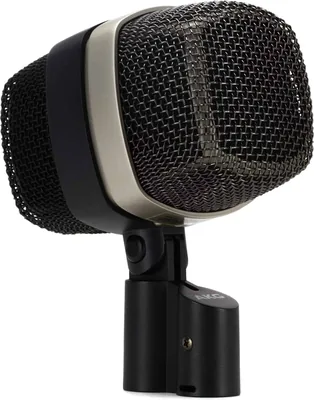
AKG D12 VR Microphone
$699.00
- Brand
- AKG
- Type
- Dynamic
- Polar pattern
- Cardioid
Welcome to our review of the AKG D12 VR microphone, a powerhouse in the realm of large-diaphragm dynamic microphones. Boasting ...
-
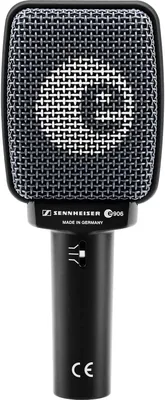
Sennheiser E906 Dynamic Instrument Microphone
$219.00
- Brand
- Sennheiser
- Type
- Dynamic
- Polar pattern
- Supercardioid
Dive into the world of unparalleled sound clarity and versatility in our Sennheiser E906 Dynamic Instrument Microphone review. ...
-
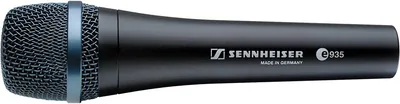
Sennheiser E935
$199.95
- Brand
- Sennheiser
- Type
- Dynamic
- Polar pattern
- Cardioid
The Sennheiser E935 is where precision meets performance. With its exceptional clarity and robust build quality, the E935 mic s...
-
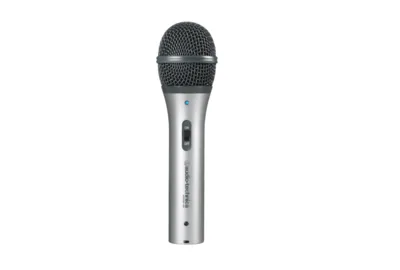
Audio-Technica ATR2100-USB Microphone
- Brand
- Audio-Technica
- Type
- USB
- Polar pattern
- Cardioid
While the Audio-Technica ATR2100-USB Microphone has already been replaced by the ATR2100x-USB, this rugged handheld mic still d...
Read the review See alternativeNo longer on Amazon. Our alternative: Audio-Technica AT2005USB Cardioid Dynamic USB/XLR Microphone
-
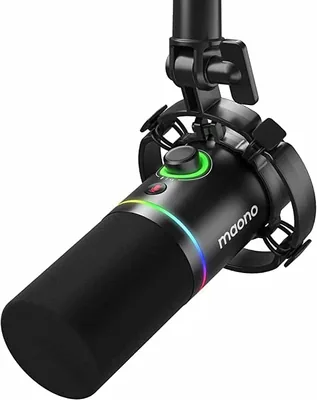
Maono USB/XLR Podcast Dynamic Microphone PD200X
$73.99
- Brand
- MAONO
- Type
- Dynamic
- Polar pattern
- Cardioid
If you’re looking for an entry-level microphone that has the performance and features of a professional mic, then look no furth...
-
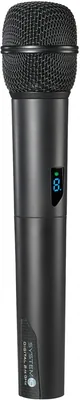
Audio-Technica System 10 ATW-1102 Microphone
$349.95
- Brand
- Audio-Technica
- Type
- Dynamic
- Polar pattern
- Unidirectional
It doesn’t matter if you’re a presenter, lecturer, or musician. Any job that requires clean, crisp vocals is going to need a hi...
-
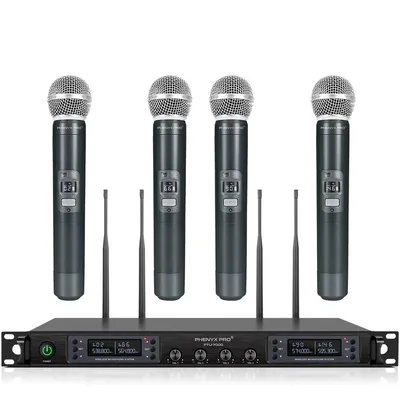
Phenyx Pro PTU-7000A Microphone
- Brand
- Phenyx Pro
- Type
- Dynamic
- Polar pattern
- Cardioid
A solid wireless system that accommodates more than one speaker or vocalist can be tough to find, much less on a tight budget. ...
Read the review See alternativeNo longer on Amazon. Our alternative: Phenyx Pro UHF Metal Dynamic Handheld Mic
-
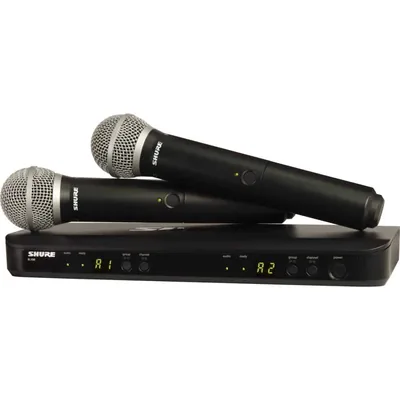
Shure BLX288/PG58 Microphone
$659.00
- Brand
- Shure
- Type
- Dynamic
- Polar pattern
- Cardioid
Shure is highly regarded for its quality microphones used by audio professionals around the world, but they also make accessibl...
-
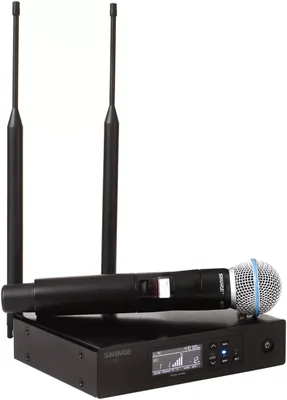
Shure QLXD24/B58 Microphone
- Brand
- Shure
- Type
- Wireless
- Polar pattern
- Supercardioid
The Shure QLXD24/B58 handheld wireless microphone system is a fantastic option if you’re looking for a wireless and professiona...
-
Audio-Technica AT8004L Microphone
- Brand
- Audio-Technica
- Type
- Dynamic
- Polar pattern
- Omnidirectional
Picking out the perfect microphone for your setup takes a lot of research. Some microphones work better in certain recording si...
Read the review See alternativeNo longer on Amazon. Our alternative: Audio-Technica AT875R Condenser Microphone
-
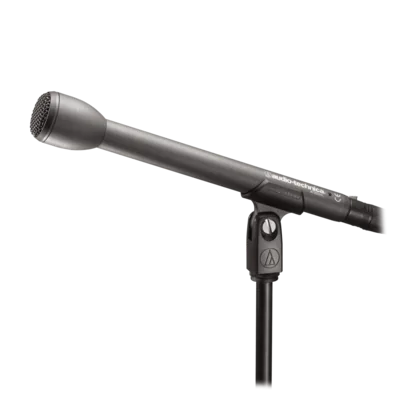
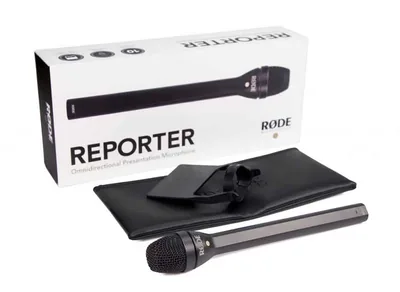
Røde Reporter Microphone
$149.00
- Brand
- Rode
- Type
- Dynamic
- Polar pattern
- Omnidirectional
At its heart, sound is all about communication. Whether it’s conveying emotion and art through music or narrating an event thro...
-
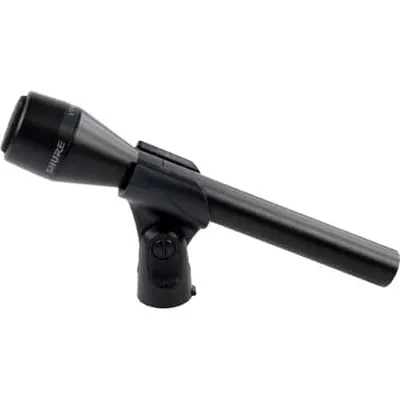
Shure VP64A Microphone
- Brand
- Shure
- Type
- Dynamic
- Polar pattern
- Omnidirectional
Video and audio have gone hand in hand for over a century, and recording technology has evolved in the same way. Not every reco...
Read the review See alternativeNo longer on Amazon. Our alternative: Shure SM58 Pro XLR Dynamic Vocal Microphone
-
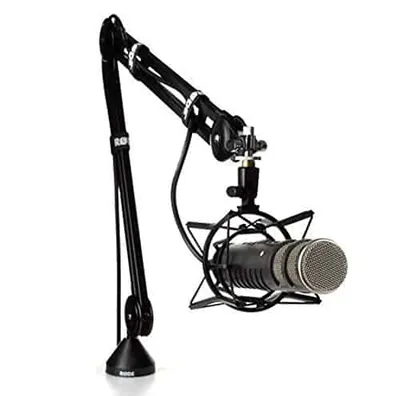
Rode Procaster Microphone
$199.00 List price
$239.00Save 17%- Brand
- Rode
- Type
- Dynamic
- Polar pattern
- Cardioid
Since its establishment as Freedman Electronics in 1967 and subsequent rebranding as Røde in the 1990s, Røde Microphones has de...
-
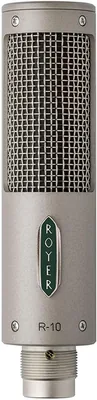
Royer R-10 Microphone
$1,298.00
- Brand
- Royer Labs
- Type
- Dynamic
- Polar pattern
- Bidirectional
Ribbon mics might not be as popular as they were once before, but Royer Labs has certainly shown they’re back on the rise. For ...
-
Sennheiser MD421 II Microphone
$429.00
- Brand
- Sennheiser
- Type
- Dynamic
- Polar pattern
- Cardioid
Classic mics are classic for a reason, and the Sennheiser 421 has done enough in its long history to warrant an entry into the ...
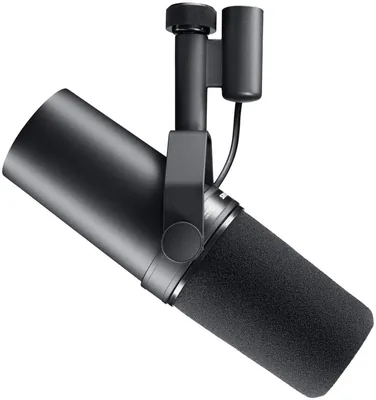
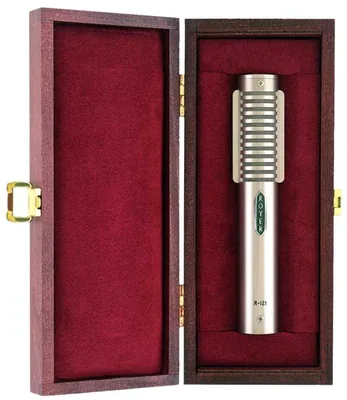
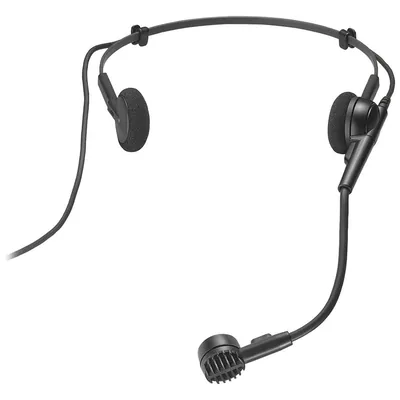
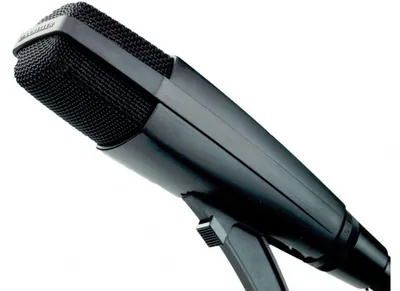
Dynamic microphones are known for their consistency in real-world conditions. They’re built to handle loud sound sources, reject background noise, and keep working even in less-than-perfect environments. That’s why they’re used everywhere from live stages to podcast setups and streaming desks.
But most assume dynamic microphones are “lower quality” because they capture less detail than condenser mics. In reality, they’re designed differently. They prioritize control and focus over sensitivity, which often makes them the better choice outside of a studio.
This guide breaks everything down. You’ll learn how dynamic microphones work, when to use them, what features matter, and how to get the best results from your setup. If you’re looking for specific recommendations, check our guide to the best dynamic microphones once you finish here.
What Is a Dynamic Microphone?
A dynamic microphone uses a moving coil and magnet to convert sound into an electrical signal. When sound hits the diaphragm, it moves a coil within a magnetic field, which generates the audio signal. This design makes dynamic microphones less sensitive than condenser microphones. They don’t pick up as much detail, but they also don’t pick up as much unwanted noise. The result is a microphone that focuses on what’s directly in front of it while naturally reducing background distractions.
Why Dynamic Microphones Are So Popular
Dynamic microphones are widely used because they’re reliable and forgiving. They tend to perform well in:
- Noisy environments
- Untreated rooms
- Live settings
- Close-mic recording setups
They don’t require external power in most cases, and they can handle high sound pressure levels without distorting. This makes them ideal for both beginners and professionals who need consistent results without a complex setup.
Who Should Use a Dynamic Microphone?
Dynamic microphones are best for situations where control and noise rejection matter more than capturing fine detail.
Podcasters and Streamers
If you’re recording in a typical room without acoustic treatment, a dynamic mic is often the safer choice. It focuses on your voice and reduces background noise, which helps your audio sound cleaner without needing heavy editing. This is why many popular podcast and streaming setups rely on dynamic microphones.
Content Creators and YouTubers
For voiceovers, talking-head videos, and desk setups, dynamic microphones provide consistent, focused audio. They’re especially useful if your recording environment isn’t perfectly controlled. You’ll spend less time fixing noise issues and more time creating content.
Musicians and Live Performers
Dynamic microphones are built to handle loud sound sources like vocals, guitar amps, and drums. They’re durable, reliable, and less sensitive to stage noise, which makes them the standard choice for live performances.
Beginners and Home Setups
If you’re just starting out and don’t have a treated space, a dynamic mic is often easier to work with. It’s more forgiving of mistakes and environmental issues, which makes it a practical first step into recording.
Dynamic vs Condenser Microphones
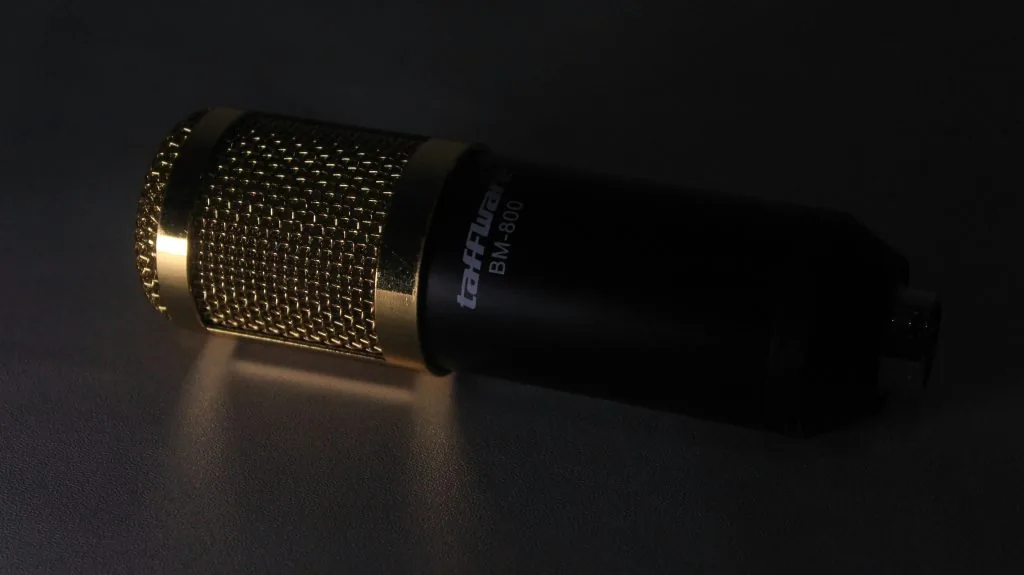
This is one of the most important comparisons when choosing a microphone, and it’s where a lot of decisions go wrong. It’s not about which one is “better” overall. It’s about which one works better in your specific setup.
Dynamic Microphones
Dynamic microphones are designed to focus on what’s directly in front of them and ignore as much else as possible. That makes them especially useful in real-world conditions where you can’t fully control noise or acoustics.
Because they’re less sensitive, they won’t pick up as much room echo, keyboard noise, or background sound. This often results in cleaner, more focused audio without needing heavy editing. They also tend to perform best when used up close, which naturally improves clarity and consistency.
Condenser Microphones
Condenser microphones are built to capture nuance. They pick up subtle details in your voice, including high-frequency clarity and tonal variation, which can make recordings sound more polished.
However, that sensitivity comes with trade-offs. They don’t just capture your voice. They capture your entire environment. In a well-treated room, this creates a clean, professional sound. In an untreated space, it can introduce echo, background noise, and distractions that are harder to fix later.
Key Features to Look for in a Dynamic Microphone
Not all dynamic microphones are the same. Understanding the key features helps you choose one that fits your setup.
Polar Patterns
Most dynamic microphones use a cardioid pattern, which focuses on sound from the front and reduces noise from the sides and rear. This makes them effective at isolating your voice, especially in noisy environments.
Some models offer supercardioid or hypercardioid patterns for even tighter focus, but these require more precise positioning.
Frequency Response
Dynamic microphones often have a more limited frequency response compared to condenser mics, but that’s not necessarily a disadvantage. Many are tuned specifically for vocals, which helps them sound clear and controlled without excessive brightness or harshness. This can make them easier to work with, especially in untreated rooms.
Gain Requirements
Dynamic microphones typically require more gain than condenser microphones. This means your audio interface needs to provide enough clean gain to drive the mic properly. If it doesn’t, your signal may sound weak or noisy. Understanding your interface’s capabilities is important when choosing a dynamic mic.
Build Quality
Dynamic microphones are known for their durability. They’re designed to handle physical use, which makes them ideal for live settings and frequent handling. A solid build also helps maintain consistent performance over time.
Common Dynamic Microphone Mistakes
Dynamic microphones are forgiving, but they’re not foolproof. Most issues come from misunderstanding how they’re meant to be used. Because they behave differently from condenser mics, applying the wrong habits can quickly limit their performance.
Placing the Mic Too Far Away
Dynamic microphones are designed for close use, and this is where most people go wrong. If the mic is too far from your mouth, your voice loses presence and starts to sound weak or distant. You’ll also end up increasing gain to compensate, which brings in more background noise and reduces overall clarity.
Keeping the mic within a few inches allows it to capture a strong, focused signal. This is what gives dynamic mics that clean, controlled sound they’re known for.
Not Using Enough Gain
Dynamic microphones require more gain than most people expect. If your interface doesn’t provide enough clean gain, your recordings will sound quiet and lack energy. The common mistake is recording at low levels and boosting later. This raises the noise floor and makes your audio sound less clean than it should be. Instead, set your gain properly at the source. You want a strong signal that doesn’t rely on heavy boosting in post.
Ignoring Positioning
Even though dynamic microphones reject a lot of background noise, placement still plays a big role in how they sound. Angle affects tone. Speaking directly into the mic can sound more aggressive, while a slight off-axis position smooths out harshness. Distance affects both volume and bass response. Small adjustments here can noticeably improve clarity and make your recordings sound more consistent.
Assuming They Fix Everything
Dynamic microphones help reduce noise, but they don’t eliminate it. If your room is loud or echo-heavy, those issues will still show up in your recording. The mic simply makes them less obvious compared to a condenser. Your environment, setup, and technique still matter. Treat the mic as part of the solution, not the entire solution.
How to Set Up a Dynamic Microphone Properly
A proper setup ensures your microphone performs at its best. Dynamic mics are straightforward to use, but getting the details right is what separates average audio from clean, professional results.
Positioning
Keep the microphone close to your mouth, typically within a few inches. This allows the mic to capture a strong signal while naturally reducing background noise. Position it slightly off-axis to reduce plosives and keep your tone balanced.
Consistency is important. If your position changes while recording, your levels and sound will shift as well.
Setting Gain Levels
Set your gain while speaking at your normal recording volume. Don’t adjust based on exaggerated loudness or whispering, as this leads to inconsistent results. You want a clear, strong signal that stays below distortion. Because dynamic microphones need more gain, take the time to dial this in properly rather than relying on post-processing to fix it.
Environment Control
Dynamic microphones are more forgiving, but your environment still affects your sound. Reducing background noise and limiting reflections helps your recordings sound tighter and more focused. Even simple changes like closing windows or adding soft materials can make a difference. A better environment makes it easier for your mic to do its job.
Software Setup
Make sure your recording software is using your microphone or audio interface as the input source. This is a common issue, especially when switching between devices. Tools like Audacity, Adobe Audition, and GarageBand allow you to monitor levels, record clean audio, and make adjustments if needed.
Before recording anything important, do a quick test. Listen back for noise, distortion, or uneven levels. Fixing these early ensures your final audio is consistent and requires less editing later.
When Should You Use a Dynamic Microphone?
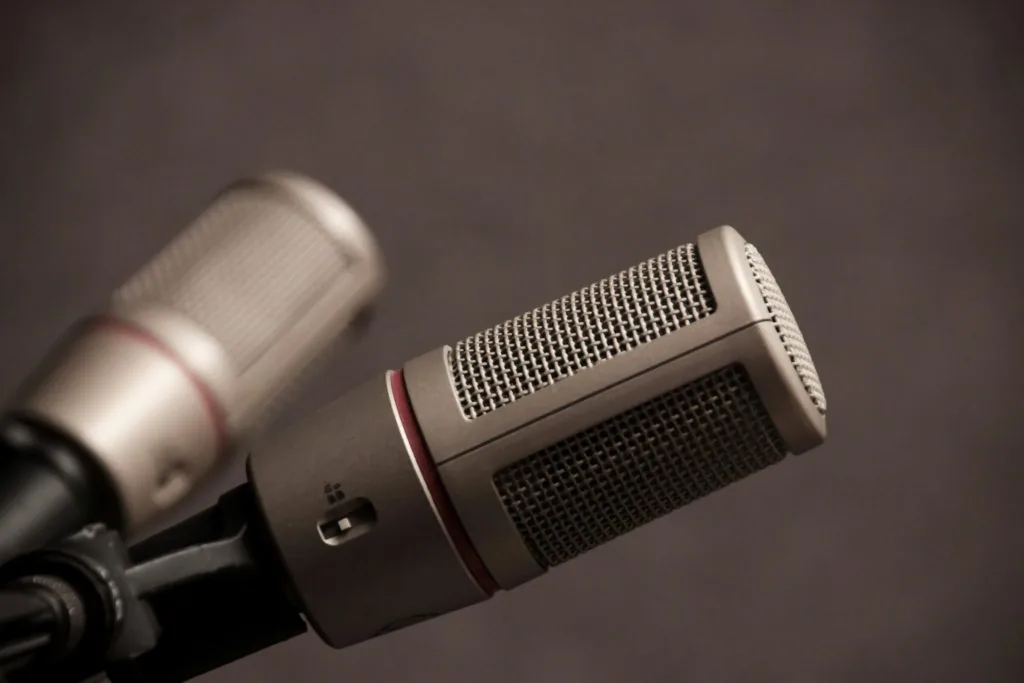
Dynamic microphones are the best choice when you need reliability and control. They work well when:
- You’re recording in a noisy or untreated space
- You want to minimize background noise
- You’re working with loud sound sources
- You need a durable, low-maintenance setup
If your environment is well controlled and you want maximum detail, a condenser microphone may be a better option.
Final Thoughts
Dynamic microphones are one of the most practical tools for recording in real-world conditions. They’re reliable, forgiving, and capable of producing clean, focused audio when used correctly. If you understand how to position and set them up properly, they can deliver results that rival more complex setups.