

The Best Rode Microphones
Your Ultimate Guide to the Best Rode Microphones
Rode microphones are built around versatility, consistency, and modern recording flexibility. Unlike brands that focus purely on studio environments, Rode designs microphones that work across home studios, content creation, podcasting, and professional production.
The key strengths to look for are self-noise performance, connectivity options, and how well the mic adapts to different setups, since many Rode models are designed to scale from beginner to advanced use.
Which Rode Microphone Is Best?
- 5 microphones compared on the same points
- No brand pays to appear or to rank higher
- Updated when models change or are discontinued
Our top picks
Editor’s choice
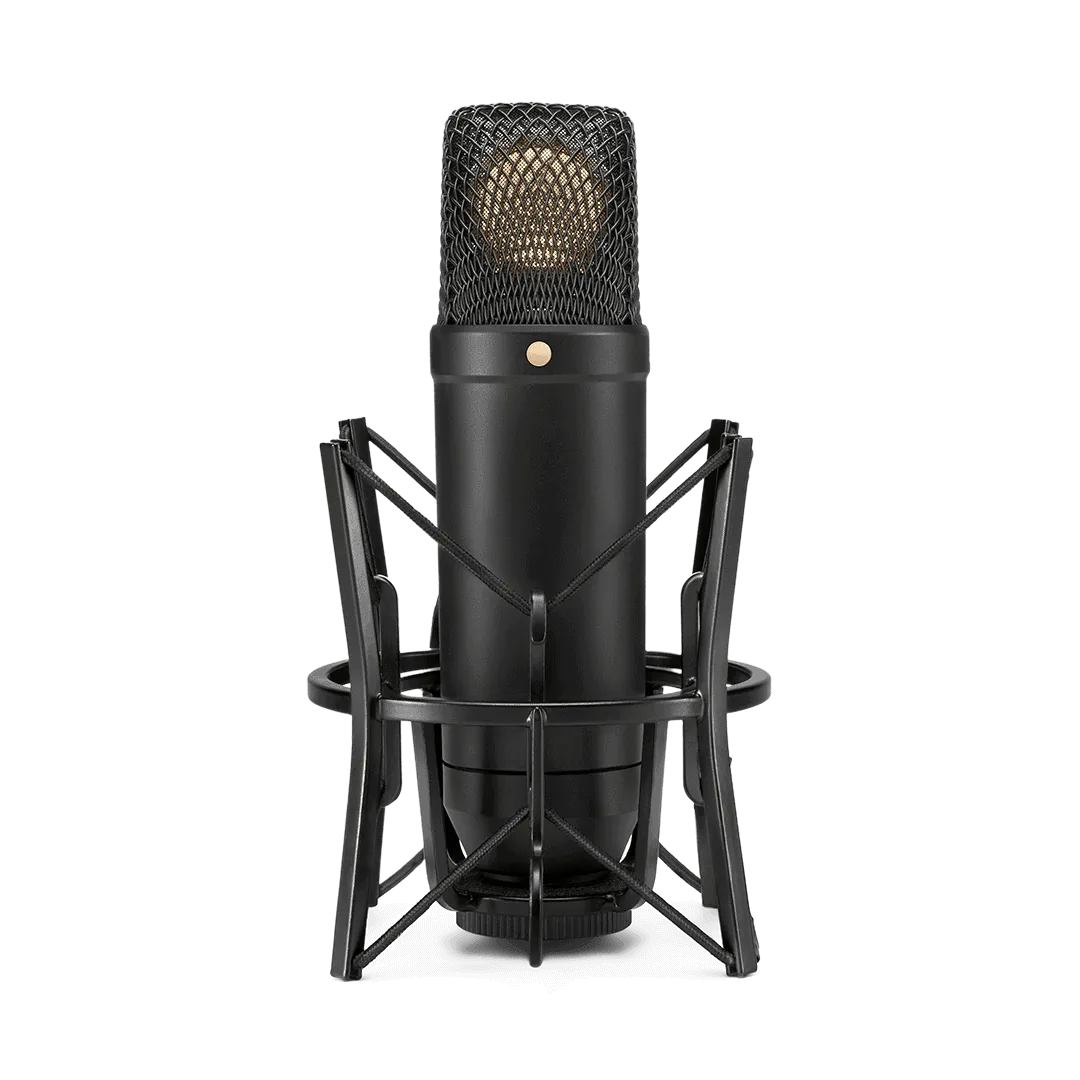
Best Overall
Rode NT1 (5th Gen)
A versatile studio microphone that delivers professional sound with both USB and XLR connectivity.
$209.82
List price $269.00
Save 22%
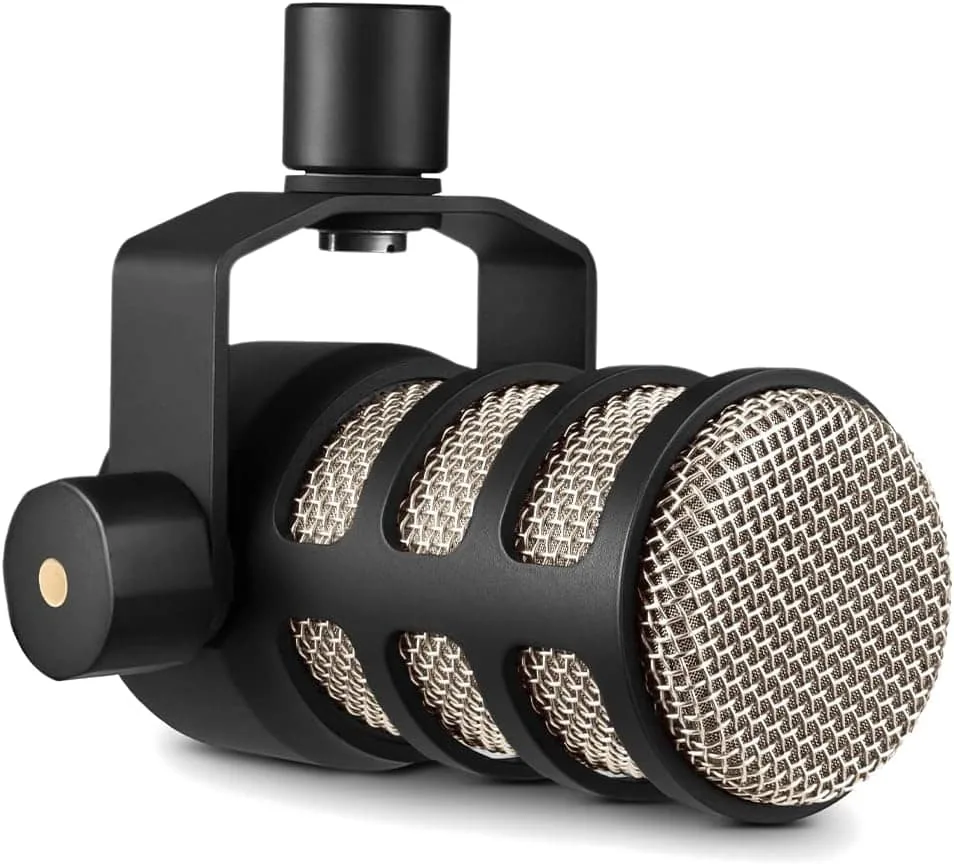
Best Broadcast
Rode PodMic
A focused dynamic microphone designed for clear and controlled voice recording.
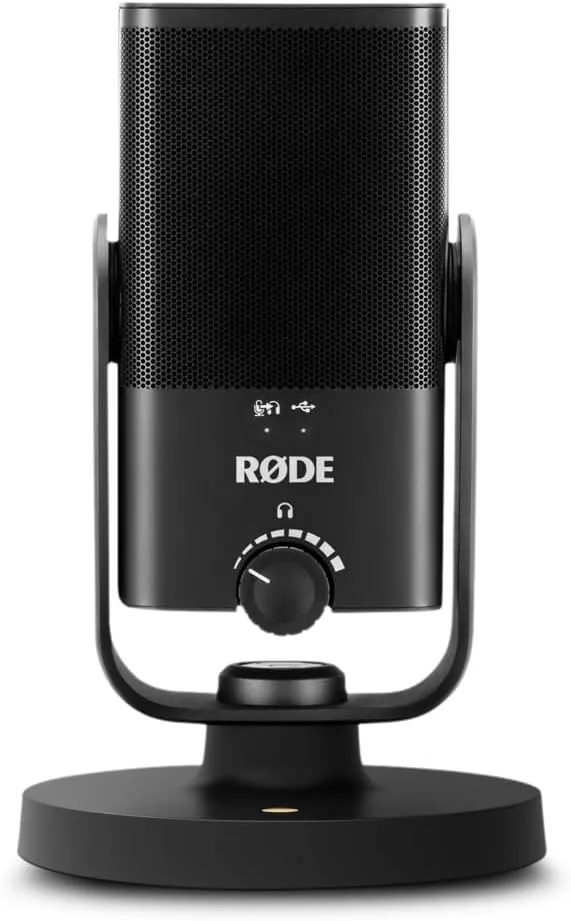
Best USB
Rode NT-USB Mini
A compact USB microphone that provides reliable sound with minimal setup.
Compared at a glance
| Photo | Model | Best for | Highlights | Buy |
|---|---|---|---|---|
| Rode NT1 (5th Gen) | Best Overall | Great vocal and instrument mic |
Check price
$209.82
List price |
|
| Rode PodMic | Best Broadcast | Versatile USB and XLR connection |
Check price
$85.00 |
|
| Rode NT-USB Mini | Best USB | — |
Check price
$109.00 |
|
| Rode NT1 Signature Series | — | — | Check price | |
| Rode VideoMic NTG | — | — |
Check price
$229.90 |
Every pick reviewed
#1 Best Overall
Rode NT1 (5th Gen)
Sound Quality: ⭐ ⭐ ⭐ ⭐ ⭐
Design: ⭐ ⭐ ⭐ ⭐
Features: ⭐ ⭐ ⭐ ⭐ ⭐
The NT1 (5th Gen) stands out because it combines high-end studio sound with modern recording flexibility.
It uses a large-diaphragm condenser capsule that delivers a clean and detailed sound with a controlled high end. One of its defining features is its extremely low self-noise, which allows it to capture subtle vocal details without introducing hiss.
What makes this version unique is its dual connectivity. It supports both XLR and USB output, allowing it to function in traditional studio setups or plug directly into a computer. This removes the need to choose between beginner and professional workflows.
The frequency response is balanced and natural, which makes it suitable for vocals, instruments, and voiceover work. It does not overly color the sound, which gives more control during mixing.
The main limitation is sensitivity. Like most condenser microphones, it will pick up room reflections and background noise, which makes placement and environment important.
What we like
- Great vocal and instrument mic
- Has an integrated pop shield, pop filter, and shock mount
- Excellent audio performance for home and professional studio setups
- Durable build
- Low levels of noise and rejects noise
What we don’t
- Can be a slightly price point for some
- Requires phantom power
- No headphone jack
$209.82
List price $269.00
Save 22%
Check price on Amazon Opens in a new tab · we may earn a commission
#2 Best Broadcast
Rode PodMic
Sound Quality: ⭐ ⭐ ⭐ ⭐ ⭐
Design: ⭐ ⭐ ⭐ ⭐
Features: ⭐ ⭐ ⭐ ⭐
The PodMic is designed specifically for voice applications such as podcasting, streaming, and broadcasting.
It uses a dynamic capsule with a cardioid pickup pattern, which helps reduce background noise and focus on the speaker. This makes it easier to use in untreated environments compared to condenser microphones.
The sound profile is tuned for speech, with a strong midrange presence that keeps vocals clear and consistent. This helps voices cut through mixes without requiring heavy processing.
The build quality is also a standout feature. It has a solid metal construction and integrated mount, which improves durability and reduces the need for additional accessories.
The trade-off is that it requires an audio interface and higher gain to perform properly, which adds complexity compared to USB microphones.
What we like
- Versatile USB and XLR connection
- Multiple accessories are included in the box
- Value for money
- Can be used in various recording applications (voiceovers, gaming, streaming, podcasting, etc.)
What we don’t
- No stand included
- Can weigh quite a bit
$85.00
Check price on Amazon Opens in a new tab · we may earn a commission
#3 Best USB
Rode NT-USB Mini
Sound Quality: ⭐ ⭐ ⭐ ⭐
Design: ⭐ ⭐ ⭐ ⭐
Features: ⭐ ⭐ ⭐ ⭐
The NT-USB Mini focuses on simplicity without sacrificing sound quality.
It uses a condenser capsule tuned for voice clarity, making it suitable for streaming, calls, and content creation. The sound is clean and controlled, with a slightly present midrange that keeps vocals clear.
The compact design makes it easy to integrate into small setups, and the magnetic desk stand adds flexibility for positioning.
It also includes a headphone output for zero-latency monitoring, which helps maintain consistent audio levels while recording.
Compared to higher-end microphones, it offers fewer customization options, but it delivers consistent results with minimal setup.
$109.00
Check price on Amazon Opens in a new tab · we may earn a commission
#4
Rode NT1 Signature Series
Sound Quality: ⭐ ⭐ ⭐ ⭐
Design: ⭐ ⭐ ⭐ ⭐
Features: ⭐ ⭐ ⭐ ⭐
The NT1 Signature Series is designed to deliver high-end studio performance in a more streamlined format.
It uses the same core capsule design as the NT1, which gives it a warm and detailed sound profile. This makes it particularly strong for vocals and acoustic instruments.
The microphone maintains a low noise floor and high SPL handling, which allows it to capture both quiet and loud sources accurately.
Compared to the 5th Gen version, it removes USB functionality and focuses purely on XLR performance. This simplifies the design while maintaining sound quality.
It is best suited for users who want professional recording quality without additional features.
Check price on Amazon Opens in a new tab · we may earn a commission
#5
Rode VideoMic NTG
Sound Quality: ⭐ ⭐ ⭐ ⭐ ⭐
Design: ⭐ ⭐ ⭐ ⭐
Features: ⭐ ⭐ ⭐ ⭐
The VideoMic NTG is designed for video creators who need focused audio capture in dynamic environments.
It uses a shotgun design that isolates sound from the front while reducing noise from the sides and rear. This makes it ideal for filming, interviews, and outdoor recording.
The microphone includes built-in digital switching and USB connectivity, allowing it to be used with cameras, computers, and mobile devices.
Its sound profile is clear and directional, which helps isolate dialogue even in noisy environments.
It requires careful positioning to achieve the best results, but it provides a level of control that standard microphones cannot match.
$229.90
Check price on Amazon Opens in a new tab · we may earn a commission
So, which one should you buy?
Final Note
Rode microphones are built around flexibility and reliability.
They offer options for different users, from beginners to professionals, without sacrificing sound quality. Their ability to adapt to different setups makes them one of the most practical choices available.
The right choice depends on your setup. For most users, the NT1 (5th Gen) offers the best balance. For voice-focused content, the PodMic is more suitable.
When to Choose a Rode Microphone
Rode microphones are ideal when you need flexibility and long-term usability.
They work well for content creation, podcasting, music recording, and video production. Their wide range of options allows users to start with simple setups and scale up over time.
They are less suited for users who need extremely specialized microphones for niche studio applications.
Frequently Asked Questions
What Makes Rode Microphones Different?
Rode microphones are built around adaptability across different recording environments.
The brand focuses on creating microphones that work for both beginners and professionals. This includes offering USB models for simple setups and XLR models for advanced recording chains.
Another defining feature is low-noise performance. Many Rode condenser microphones are designed to capture clean audio with minimal background hiss, which improves overall recording quality.
Rode also emphasizes practical design. Features like dual connectivity, onboard controls, and integrated mounts make their microphones easier to use without sacrificing performance.