
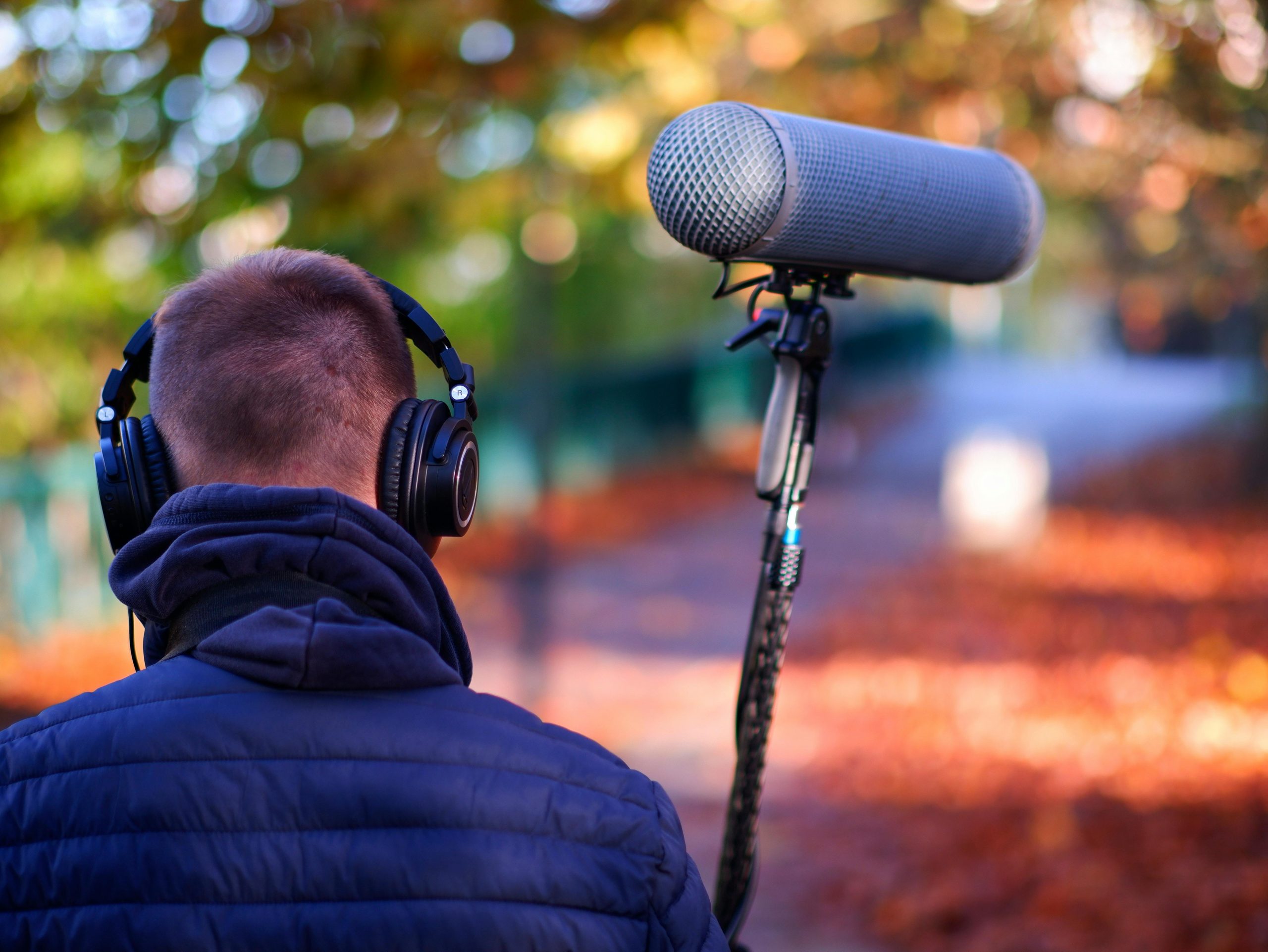
Shotgun microphones are built for capturing sound from a specific direction while rejecting everything else. They’re widely used in filmmaking, interviews, YouTube production, and field recording because they allow you to record clear audio without placing a microphone directly in front of the speaker.
But shotgun mics don’t magically isolate sound. They still pick up the environment, and if you don’t use them properly, your audio can sound thin, distant, or overly echoey.
This guide breaks everything down. You’ll learn how shotgun microphones work, when to use them, what features actually matter, and how to set them up for clean, professional audio. If you’re looking for specific recommendations, check our guide to the best shotgun microphones once you finish here.
What Is a Shotgun Microphone?
A shotgun microphone is a highly directional mic designed to capture sound from the front while reducing noise from the sides and rear. It uses an interference tube in front of the capsule to narrow the pickup area. This is what gives it that focused, directional sound. The result is a microphone that can capture dialogue or sound from a distance without needing to be visible in the shot.
This makes shotgun mics ideal for:
- Video production
- Interviews
- Film and TV
- Outdoor recording
- Documentary work
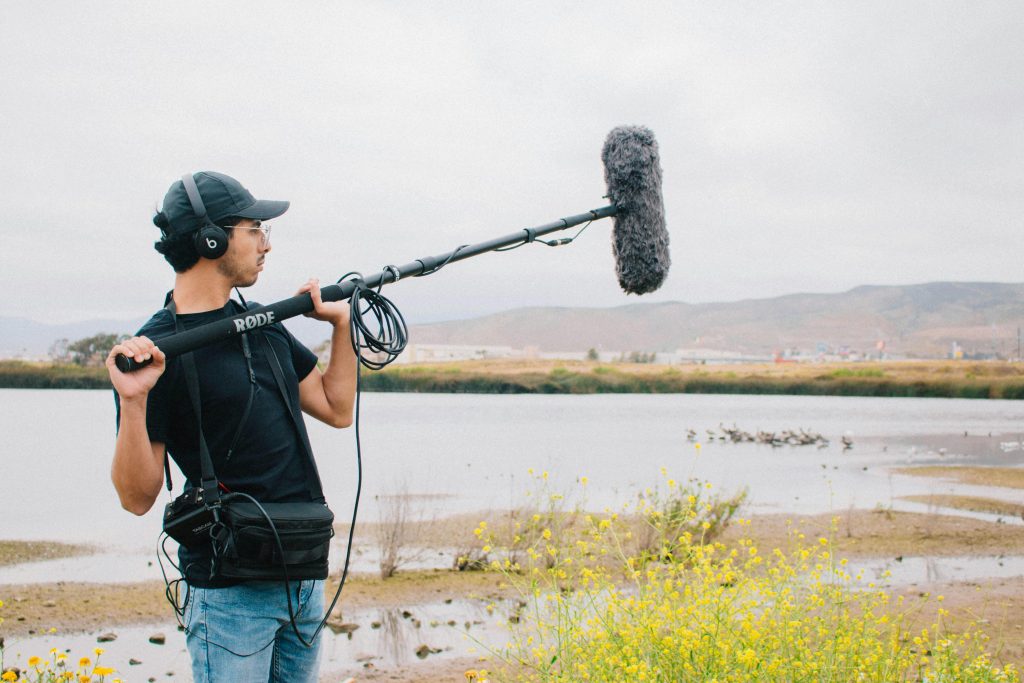
They’re often mounted on boom poles, cameras, or stands, depending on the setup.
How Shotgun Microphones Work
Shotgun microphones don’t just “zoom in” on sound. Instead, they reduce off-axis noise by canceling out sound waves entering from the sides. This creates a narrow pickup pattern that focuses on what’s directly in front of the mic.
However, this doesn’t mean they ignore the environment completely. Reflections, background noise, and room acoustics still affect your recording. That’s why positioning and environment matter just as much as the microphone itself.
Who Should Use a Shotgun Microphone?
Shotgun microphones are best for situations where you need distance and direction without sacrificing clarity. They’re designed to stay out of the shot while still capturing focused audio, but they work best when you understand their limits. They don’t replace good placement or a controlled environment, but they give you more flexibility when you can’t position a mic directly in front of someone.
Filmmakers and Videographers
Shotgun mics are a standard tool in video production because they let you capture clean dialogue without showing the microphone on camera. Mounted on a boom pole, they can be positioned just out of frame and aimed directly at the speaker’s mouth.
This setup keeps audio close and controlled while maintaining a clean visual composition. It’s especially useful for narrative scenes, interviews, and documentary work where hiding the mic is part of the production quality. The key is keeping the shotgun mics for film production as close as possible without entering the frame. The closer you get, the more natural and full your audio will sound.
YouTubers and Content Creators
If you’re filming from a distance or want to avoid having a visible microphone in your setup, a shotgun mic is a practical solution. It works well for desk setups, tutorials, and talking-head videos where you’re not sitting right next to a mic.
Mounted on a camera or a small boom arm, it allows you to maintain a clean look while still improving audio quality compared to built-in camera mics. However, distance still matters. If the mic is too far away, your audio can start to sound thin or pick up more room noise than expected.
Journalists and Field Recorders
In fast-moving or unpredictable environments, shotgun microphones help you stay flexible. You can quickly point the mic toward your subject and capture usable audio without needing to attach anything to them. This makes them useful for interviews, documentaries, and on-location reporting where time and mobility are important. They also allow you to maintain some distance, which can be helpful in situations where placing a lav mic isn’t practical or appropriate.
Event and Outdoor Recording
Shotgun mics are often used to capture specific sounds in busy or noisy environments. Their directional design helps focus on a subject while reducing surrounding noise, which is useful at events, performances, or outdoor shoots.
That said, they’re not immune to environmental challenges. Wind, crowd noise, and reflections can still affect your recording. Using proper wind protection and positioning the mic carefully makes a noticeable difference in how clean your audio turns out.
Key Features to Look for in a Shotgun Microphone
Not all shotgun microphones perform the same. Understanding the features helps you choose one that actually fits your setup.
Directionality and Pickup Pattern
Shotgun microphones typically use a supercardioid or lobar pickup pattern. These patterns focus tightly on the front while reducing sound from the sides. The tighter the pattern, the more precise your positioning needs to be. A highly directional mic can sound great when aimed correctly, but poor positioning can lead to weak or inconsistent audio.
Length of the Interference Tube
Longer shotgun microphones tend to have narrower pickup patterns, which can improve isolation in outdoor environments. Shorter models are often better for indoor use, where reflections can cause longer mics to sound unnatural or echo-heavy. Choosing the right length depends on where you plan to use the mic.
Sensitivity and Noise Handling
A good shotgun mic should capture detail without introducing excessive noise. Lower self-noise is especially important for quiet recordings, while proper sensitivity ensures your subject sounds clear without needing excessive gain.
Power Options
Shotgun microphones can be powered in different ways. Some use battery power, while others require phantom power from an audio interface or camera. Make sure your setup supports the power requirements of the mic you choose.
Mounting and Accessories
Shock mounts and wind protection are essential for shotgun microphones. A shock mount reduces handling noise and vibrations, while windshields or dead cats help control wind noise during outdoor recording. These accessories aren’t optional if you want consistent results.
Common Shotgun Microphone Mistakes
Shotgun microphones are powerful tools, but they’re easy to misuse. Most issues come from misunderstanding how they actually work.
Placing the Mic Too Far Away
Even though shotgun mics are directional, they’re not designed to record from extreme distances. If the mic is too far from the subject, your audio will sound thin and pick up more environmental noise. Keeping the mic as close as possible while staying out of frame is key.
Using Shotgun Mics Indoors Incorrectly
Shotgun microphones can struggle in untreated indoor spaces. Reflections from walls and ceilings can interfere with the directional pickup, making the audio sound hollow or unnatural. In some cases, a different microphone type may perform better indoors.
Poor Aiming
Shotgun microphones require precise aiming. If the mic isn’t pointed directly at the sound source, you’ll lose clarity and volume. Even small changes in angle can affect how your audio sounds.
Ignoring Wind and Handling Noise
Without proper wind protection, outdoor recordings can become unusable. Handling noise from boom poles or camera movement can also affect audio if you’re not using a proper shock mount.
How to Set Up a Shotgun Microphone Properly
A good setup ensures your microphone captures clean, focused audio. Shotgun mics are directional, but they’re not forgiving. Small mistakes in placement or environment can quickly affect clarity, so getting the fundamentals right makes a noticeable difference.
Positioning and Distance
Positioning is everything with a shotgun mic. Keep the microphone as close to the subject as possible while staying out of frame. The closer the mic is, the more direct your sound will be and the less influence the environment will have.
Aim the mic directly at the speaker’s mouth or upper chest area. This is where the strongest and most consistent sound comes from. If the mic drifts off-axis, even slightly, you’ll lose clarity and volume.
Consistency also matters. If the mic position changes during recording, your audio levels and tone will shift, which is difficult to fix later.
Mounting
A proper mount prevents unwanted noise from ruining your recording. Shotgun microphones are sensitive to vibrations, especially when attached to cameras or boom poles. Using a shock mount isolates the mic from handling noise, movement, and small vibrations that would otherwise be picked up. If you’re using a boom pole, keep your grip steady and movements controlled. Sudden shifts or adjustments can transfer directly into the audio.
A stable setup doesn’t just improve sound quality; it also makes your recordings more consistent.
Environment Control
Even though shotgun mics are designed to focus on what’s in front of them, they still capture reflections and background noise.
In indoor environments, hard surfaces can cause echo and make your audio sound hollow or distant. If possible, choose a space with softer materials or add basic sound treatment to reduce reflections. Outdoors, wind becomes the biggest issue. Without proper wind protection, even light wind can overpower your audio. Using a windscreen or a dead cat helps maintain clarity and keeps your recording usable.
Being aware of your surroundings and adjusting accordingly is just as important as the mic itself.
Setting Levels
Setting your gain correctly ensures your audio is strong and clean without distortion. Speak at your normal recording volume while adjusting levels, not louder or softer than usual. Watch your input meters and aim for consistent peaks that stay below clipping. If your levels are too high, your audio will distort. If they’re too low, boosting them later will introduce noise.
A clean signal at the source gives you more flexibility in editing and results in a more professional final sound.
Software Setup
Make sure your recording device or software is using the shotgun mic as the active input. This is a common issue, especially when switching between built-in mics and external gear. Tools like Audacity, Adobe Audition, and GarageBand allow you to monitor levels in real time, record clean audio, and make adjustments if needed.
Before recording anything important, do a short test. Listen back carefully and check for issues like background noise, distortion, or inconsistent levels. Fixing these early ensures your final recording sounds clean and controlled without needing heavy correction later.
When Should You Use a Shotgun Microphone?
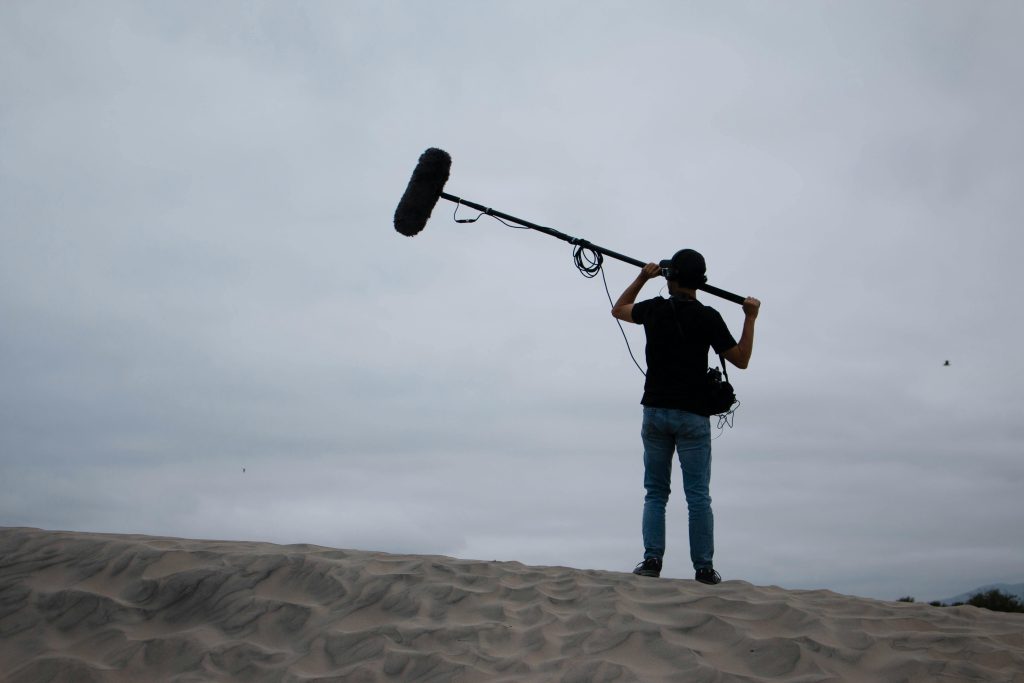
Shotgun microphones are ideal when you need directional audio without placing a mic directly on your subject. They work best when:
- You need to keep the microphone out of frame
- You’re recording dialogue from a short distance
- You’re working in controlled or outdoor environments
- You need focused audio in busy settings
They’re not always the best choice for indoor recording or situations where you can place a microphone closer to the speaker.
Final Thoughts
Shotgun microphones offer a balance between distance and clarity, but they require proper technique to perform well. Understanding how directionality, placement, and environment interact is what makes the difference between average and professional audio. If you use them correctly, they’re one of the most effective tools for capturing clean, focused sound in video production.