

Interview Microphones
We have reviewed 21 interview microphones. Filter by price, brand or rating, read every interview microphone review, or start with the guide if you would rather we just told you.
- Judged on the same points as every microphone we review
- No brand pays to appear or to rank higher
- Updated when models change or are discontinued
The short answer
The Best Microphone for Interviews
-
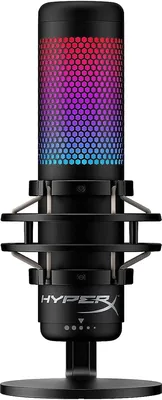
HyperX QuadCast S
5.0
- Brand
- HyperX
- Type
- USB
- Polar pattern
- Multi-pattern
In this HyperX QuadCast S review, we list what this USB microphone has to offer. Whether it’s elevating your audio experience i...
-
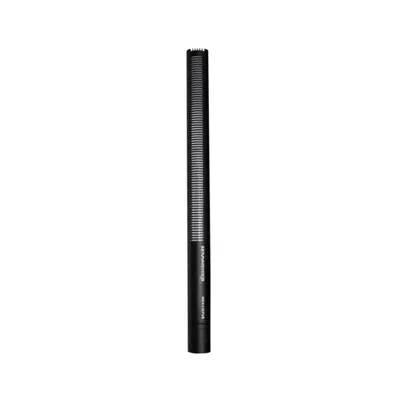
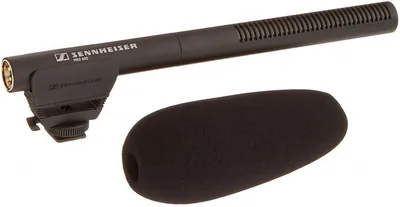
Sennheiser MKE 600 Microphone
5.0
$277.35 List price
$349.00Save 21%- Brand
- Sennheiser
- Type
- Shotgun
- Polar pattern
- Supercardioid
Shotgun mics may not be the most popular option in a home or studio setting, but they lead the way when it comes to recording i...
-
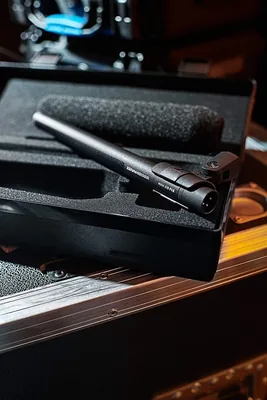
Sennheiser MKH 416 Microphone
5.0
$1,025.00
- Brand
- Sennheiser
- Type
- Shotgun
- Polar pattern
- Hypercardioid
Microphones are undeniably an integral part of modern lifestyle, even when we aren’t actually using them. Even if you’ve never ...
-
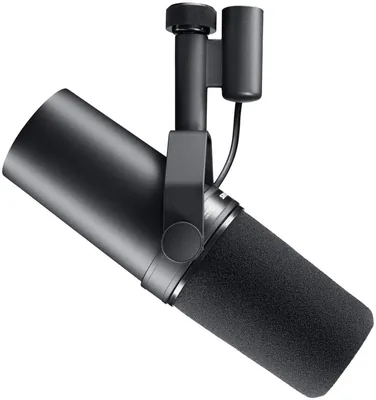
Shure SM7B Microphone
5.0
$429.00
- Brand
- Shure
- Type
- XLR
- Polar pattern
- Cardioid
Shure has been in the microphone game a long time, since 1932, in fact. Over the years, they’ve built a reputation as one of th...
-
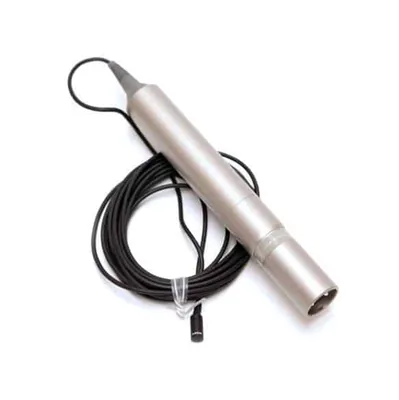
Sony ECM77B Microphone
4.3
$319.00
- Brand
- Sony
- Type
- Lavalier
- Polar pattern
- Omnidirectional
While casual recording as a hobby has increased over the years, there is still a huge market for professional recording equipme...
-
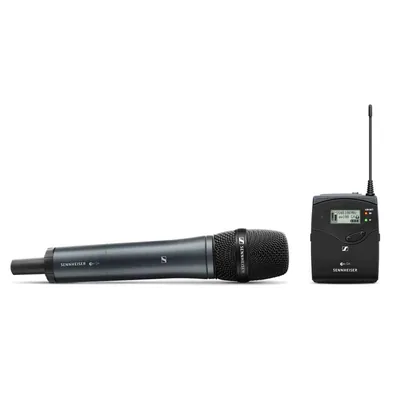
Sennheiser Pro Audio EW 135P G4 Microphone
4.3
- Brand
- Sennheiser
- Type
- Wireless
- Polar pattern
- Cardioid
The Sennheiser EW 135P G4 camera-mount wireless handheld microphone system is the perfect choice for professional recordings, f...
Read the review See alternativeNo longer on Amazon. Our alternative: Sennheiser Pro Audio Portable Lavalier Wireless Set, AW+ (ew 512P G4
-
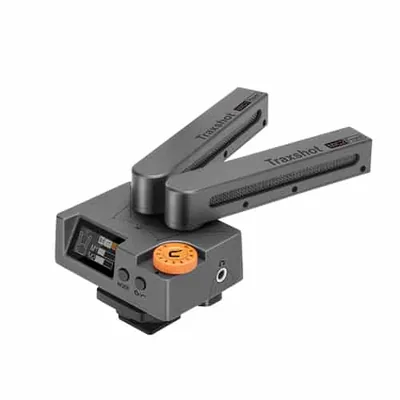
Comica Traxshot Microphone
4.3
- Brand
- Comica
- Type
- Shotgun
- Polar pattern
- Supercardioid
When you’re recording audio, you want to have as many options available to you. Not every recording situation is going to be th...
Read the review See alternativeNo longer on Amazon. Our alternative: comica Traxshot Pro Super Cardioid Transformable All-in-One External Shotgun Microphone
-
Sennheiser MKE 200 Microphone
4.3
$74.98
- Brand
- Sennheiser
- Type
- Shotgun
- Polar pattern
- Supercardioid
When you work with technology, you know that it can be both a blessing and a curse. The faster technology advances, the more co...
-
Shure VP83F Microphone
4.3
$199.00
- Brand
- Shure
- Type
- Shotgun
- Polar pattern
- Supercardioid
No other medium is as closely tied to sound as video. The twin powers of video and audio allow viewers to fully immerse themsel...
-
Shure MVL Microphone
4.3
$76.00 List price
$86.00Save 12%- Brand
- Shure
- Type
- Lavalier
- Polar pattern
- Omnidirectional
If there’s one defining feature of the 21st century, it’s movement and flexibility. Content is everywhere, and with smartphones...
-
Electro-Voice RE20 Broadcast Announcer Microphone
4.0
$449.00
- Brand
- Electro-Voice
- Type
- Dynamic
- Polar pattern
- Cardioid
The Electro-Voice RE20 Broadcast Announcer Microphone is hailed as the gold standard radio broadcast and go-to vocal mic for ma...
-
Audio-Technica AT897 Microphone
4.0
$269.00
- Brand
- Audio-Technica
- Type
- Shotgun
- Polar pattern
- Supercardioid
When it comes to recording sound on the go, film, and video enthusiasts have a range of different options available for the job...
-
Giant Squid Audio Lab Mono Microphone
- Brand
- Giant Squid Audio Lab
- Type
- Lavalier
- Polar pattern
- Omnidirectional
Giant Squid Audio Lab is one of the best mic brands if you’re looking for low prices but high quality. The brand’s lavalier mic...
Read the review See alternativeNo longer on Amazon. Our alternative: TechZoneAudioProducts Stellar X3 Large Diaphragm Condenser Microphone
-
Sennheiser EW 122P G4-A Microphone
- Brand
- Sennheiser
- Type
- Lavalier
- Polar pattern
- Cardioid
The Sennheiser EW 122P G4 camera-mount wireless lavalier microphone system is reliable, flexible, and broadcast quality, making...
Read the review See alternativeNo longer on Amazon. Our alternative: Sennheiser Pro Audio ME 4-N cardioid EW microphone
-
Audio-Technica AT8004L Microphone
- Brand
- Audio-Technica
- Type
- Dynamic
- Polar pattern
- Omnidirectional
Picking out the perfect microphone for your setup takes a lot of research. Some microphones work better in certain recording si...
Read the review See alternativeNo longer on Amazon. Our alternative: Audio-Technica AT875R Condenser Microphone
-
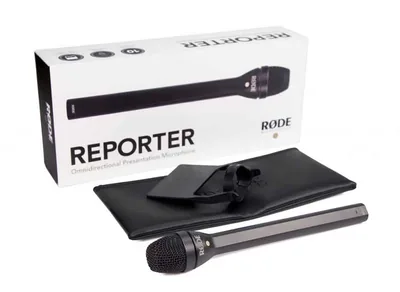
Røde Reporter Microphone
$149.00
- Brand
- Rode
- Type
- Dynamic
- Polar pattern
- Omnidirectional
At its heart, sound is all about communication. Whether it’s conveying emotion and art through music or narrating an event thro...
-
Shure VP64A Microphone
- Brand
- Shure
- Type
- Dynamic
- Polar pattern
- Omnidirectional
Video and audio have gone hand in hand for over a century, and recording technology has evolved in the same way. Not every reco...
Read the review See alternativeNo longer on Amazon. Our alternative: Shure SM58 Pro XLR Dynamic Vocal Microphone
-
Sennheiser ClipMic Microphone
- Brand
- Sennheiser
- Type
- Lavalier
- Polar pattern
- Omnidirectional
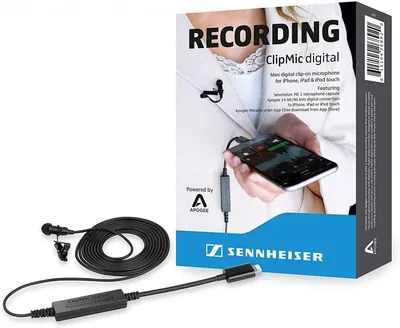
The magic of the 21st century is that recording doesn’t always have to be in a sterile studio setting. Thanks to smartphones an...
Read the review See alternativeNo longer on Amazon. Our alternative: MAYBESTA Wireless Mini Microphone
-
Røde Videomic Pro Microphone
$181.00
- Brand
- Rode
- Type
- Shotgun
- Polar pattern
- Supercardioid
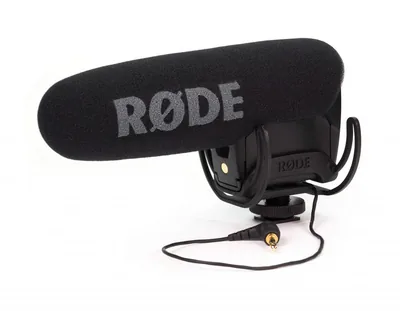
The great thing about living in the modern era is just how much freedom content creators now have to do things on their own. Wh...
-
Røde SmartLav+ Microphone
$55.90
- Brand
- Rode
- Type
- Lavalier
- Polar pattern
- Omnidirectional
Sound is basically everywhere, and through the decades humans have constantly been challenged on how to best record it. From al...
-
Rode NTG2 Microphone
$269.00
- Brand
- Rode
- Type
- Shotgun
- Polar pattern
- Supercardioid
If there’s one thing you can say about media in the 21st century, it’s that filmmaking and videography have never been more acc...
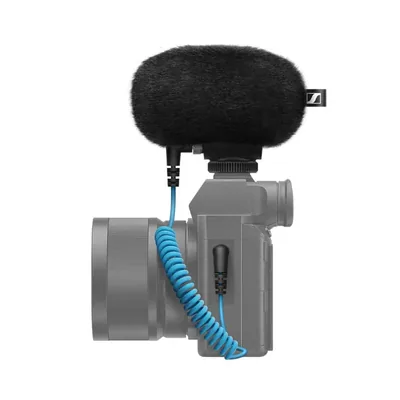
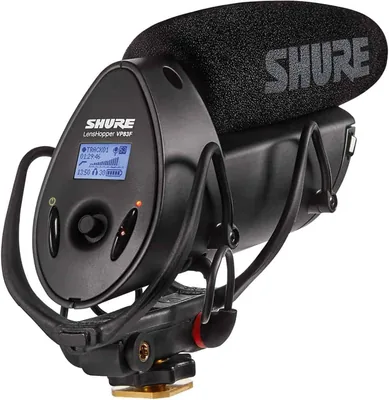
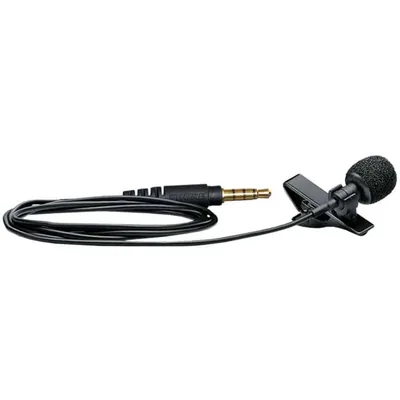
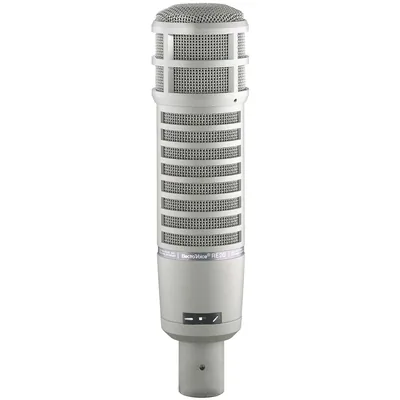
Interview microphones are built for one thing: capturing clear, natural dialogue between two or more people. Whether you’re recording podcasts, conducting on-camera interviews, or gathering audio for documentaries, your mic setup determines how professional and usable your conversations sound.
Unlike controlled studio recordings, interviews often happen in unpredictable environments. That means your microphone needs to handle movement, background noise, and multiple voices without losing clarity.
This guide is your central hub for interview microphones. It covers the different types, what features matter most, how to set up your gear properly, and how to avoid common mistakes. From here, you can also explore our full guide to the best interview microphones for different scenarios and budgets.
What Is an Interview Microphone?
An interview microphone is designed to capture speech clearly from one or more speakers, often in real-world environments rather than controlled studios.
These microphones are built to prioritize clear dialogue, reduce background noise, and remain reliable even when conditions aren’t ideal. They also need to be flexible in how they’re positioned, since interviews can involve movement, multiple speakers, or changing setups.
You’ll typically find them used across podcasts, on-camera interviews, journalism, and documentary work. In all of these cases, the goal is the same: capture clean, natural conversation that’s easy to understand without distracting noise or inconsistencies.
Why Microphone Quality Matters for Interviews
In interviews, your content relies entirely on conversation. If the audio is unclear, the message is lost.
Clarity of Speech
Interviews depend on every word being understood. A good microphone ensures voices are captured clearly without distortion, muffling, or competing background noise. This is especially important when recording multiple speakers or fast-paced conversations.
Consistency Between Speakers
Different voices have different volumes and tones. A quality microphone setup helps maintain balance so one speaker doesn’t overpower the other. Consistent levels make the conversation easier to follow and reduce the need for heavy editing later.
Professional Presentation
Clean audio gives your interviews a polished feel. Whether you’re publishing content online or using it for professional work, sound quality shapes how your content is perceived. Strong audio makes your interviews feel credible and well-produced.
Types of Interview Microphones
Different interview setups require different microphone types. The right choice depends on how and where you’re recording.
Lavalier Microphones
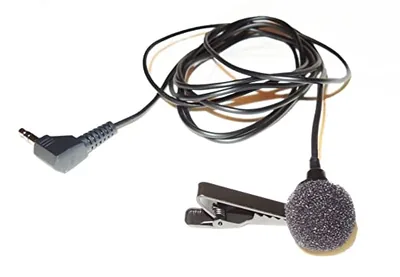
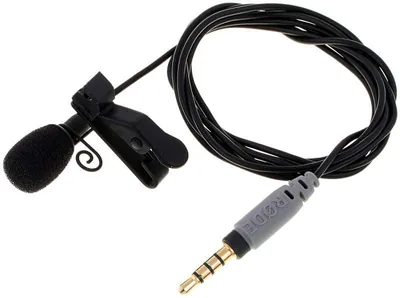
Lavalier mics are small clip-on microphones worn by each speaker. They’re widely used for interviews because they keep audio consistent regardless of movement. They’re ideal for on-camera interviews, presentations, and situations where you want the microphone to stay out of view.
Handheld Microphones
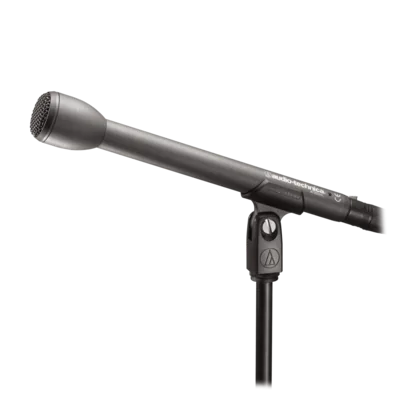
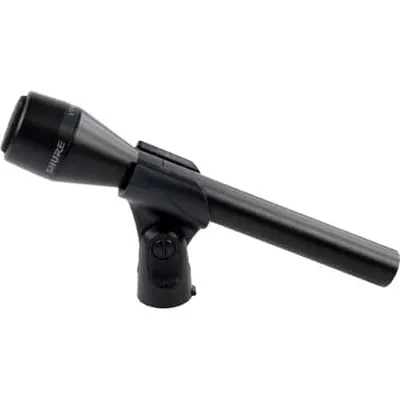
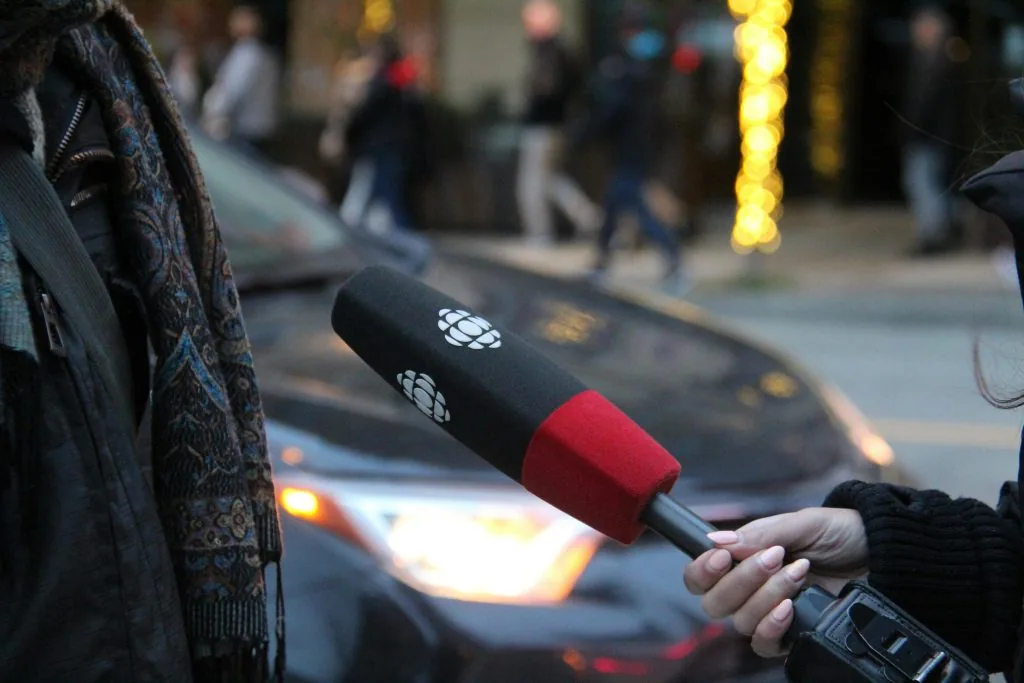
Handheld microphones are commonly used in journalism and live interviews. They’re easy to position and can be passed between speakers if needed. They work well in controlled or semi-controlled environments where the interviewer manages mic placement.
Shotgun Microphones
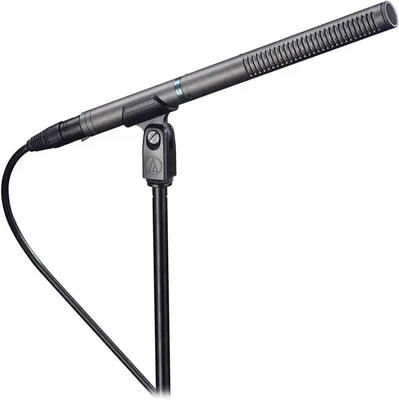
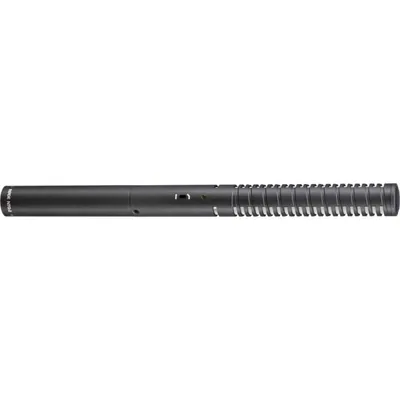
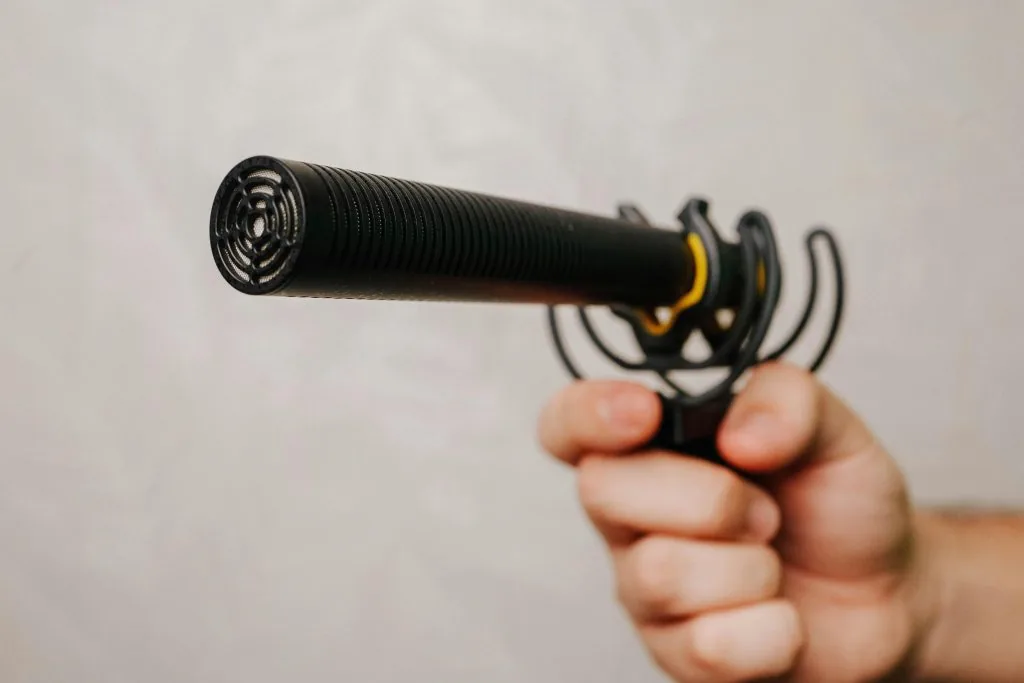
Shotgun microphones capture sound from a specific direction. They’re often mounted on cameras or boom poles and are useful for interviews where using visible microphones isn’t practical. However, these types of mics require careful positioning to maintain consistent audio.
Wireless Microphone Systems
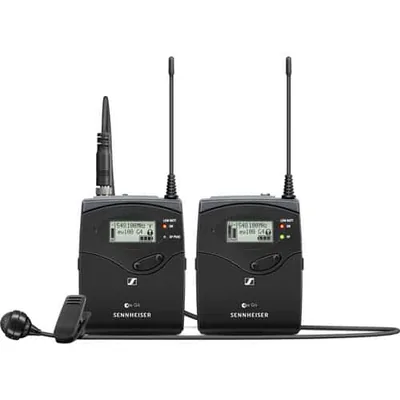
Wireless systems allow speakers to move freely without being restricted by cables. They’re often used with lavalier or handheld microphones. They’re ideal for dynamic interviews, outdoor filming, or situations where mobility is important.
Key Features to Look for in an Interview Microphone
Choosing an interview microphone is about reliability and clarity in real-world conditions. Unlike studio setups, interviews often involve movement, multiple speakers, and unpredictable environments, so your gear needs to handle all of that without issues.
Speech Focus
Your microphone should prioritize voices above everything else. Strong mid-range capture ensures speech sounds clear, natural, and easy to follow. This is especially important when recording conversations, where tone, articulation, and subtle vocal details help convey meaning. A mic that handles speech well reduces the need for heavy editing later.
Noise Control
Interviews rarely happen in perfectly quiet spaces. Background noise from traffic, crowds, or indoor environments can quickly interfere with your audio.
A microphone with good noise control helps isolate voices and reduce distractions. This makes your recordings more usable, especially for outdoor interviews or public settings where you can’t control the environment.
Ease of Setup
Interview setups should be quick and dependable. You don’t want to spend time troubleshooting connections or adjusting complex settings while your subject is waiting. Simple plug-and-play options, clear controls, and reliable connections help you focus on the conversation instead of the technical side of recording.
Flexibility
Interviews can vary from one-on-one conversations to group discussions, and from indoor setups to on-location shoots. Your microphone should adapt to these changes without requiring a complete overhaul of your setup.
Whether you’re using lavalier mics for multiple speakers or a handheld for quick interactions, flexibility ensures you can maintain consistent audio quality across different scenarios.
Wired vs Wireless for Interviews
Choosing between wired and wireless setups depends on your recording style. Wired setups are reliable and simple. Wireless systems offer convenience and flexibility.
Choose Wired if:
- You’re recording in a controlled environment
- You want a stable, interference-free connection
- You don’t need mobility
Choose Wireless if:
- You need freedom of movement
- You’re recording on location
- You want a cleaner visual setup
Best Interview Microphone Setup
A good setup ensures your microphones perform reliably during recording.
Essential Gear
- Microphone or microphones for each speaker
- Stands, clips, or mounting options
- Headphones for monitoring
- Recorder or audio interface
- Wireless system if needed
Having the right support gear helps maintain consistent positioning and audio quality.
Mic Placement
Placement is critical for interviews. Lavalier mics should be positioned close to the speaker’s mouth, usually clipped to clothing. Handheld mics should be held at a consistent distance, while shotgun mics need to be aimed carefully to capture both voices clearly.
Environment Awareness
Interviews often take place in unpredictable environments. Being aware of background noise, echo, and other distractions helps you adjust your setup accordingly. Simple changes like choosing a quieter location or repositioning your mic can make a big difference.
Common Interview Microphone Mistakes
Most interview audio issues come from setup and handling rather than the microphone itself. Small mistakes can quickly affect how clear and balanced your conversation sounds.
Poor Mic Placement
Placement is critical when recording more than one speaker. If a microphone is too far from one person or angled incorrectly, their voice can sound distant or unclear while the other remains sharp. Keeping consistent positioning for each speaker ensures both voices are captured evenly, making the conversation easier to follow.
Uneven Audio Levels
When one speaker is significantly louder than the other, it disrupts the flow of the interview. Listeners may need to adjust volume constantly or struggle to hear certain parts. Setting balanced levels before you start recording helps maintain a smooth, consistent listening experience and reduces the need for heavy correction later.
Ignoring Background Noise
Interviews often take place in less controlled environments, where noise can easily interfere with dialogue. Traffic, crowds, or room echo can quickly overpower voices if not managed properly. Being mindful of your location and positioning your microphones carefully can help minimize these distractions and keep the focus on the conversation.
No Monitoring
Recording without monitoring means you are not aware of what the microphone is actually capturing. Issues like noise, clipping, or weak signal may go unnoticed until the session is over. Listening through headphones while recording allows you to catch and fix problems in real time, ensuring your interview audio stays clear and usable.
How to Improve Interview Audio Without Upgrading Your Mic
Before investing in new equipment, focus on improving your setup.
- Adjust microphone placement
- Reduce background noise
- Balance audio levels between speakers
- Monitor your recordings
These steps often have a bigger impact than changing microphones.
Who Needs Which Type of Interview Microphone?
Different users have different needs depending on how they conduct interviews and the environments they work in.
Beginners
If you’re just starting out, simplicity and reliability are key. Lavalier microphones or basic handheld mics are easy to use and don’t require much setup. They allow you to focus on the conversation instead of technical details, while still delivering clear and consistent audio for most situations.
Intermediate Users
As you start recording interviews more frequently, flexibility becomes more important. Wireless systems and multi-microphone setups give you more control over positioning and movement. This is especially useful for on-camera interviews or dynamic environments where speakers aren’t stationary. These setups help maintain consistent audio even as conditions change.
Professionals
For professional work, audio quality and consistency need to hold up across different environments. High-end wireless systems, shotgun microphones, and more advanced setups provide greater control and reliability. These solutions are designed for broadcast and production use, where capturing clean, balanced dialogue is critical regardless of location or setup complexity.
Final Thoughts
Interview microphones are all about clarity, consistency, and reliability. The right setup doesn’t need to be complicated. It just needs to capture every voice clearly and handle real-world conditions without issues. Focus on placement, environment, and balance. Get those right, and your interviews will sound professional every time.