An Introduction to Binaural Recording Techniques
Table of Contents
Binaural recording is an audio technique designed to capture sound the way humans naturally hear it. By mimicking the structure of the human head and ears, binaural recordings create a three-dimensional listening experience that feels immersive and realistic when played back through headphones.
This introduction explains what binaural recording is, how it works, and where it is most commonly used today.
What Is Binaural Recording?
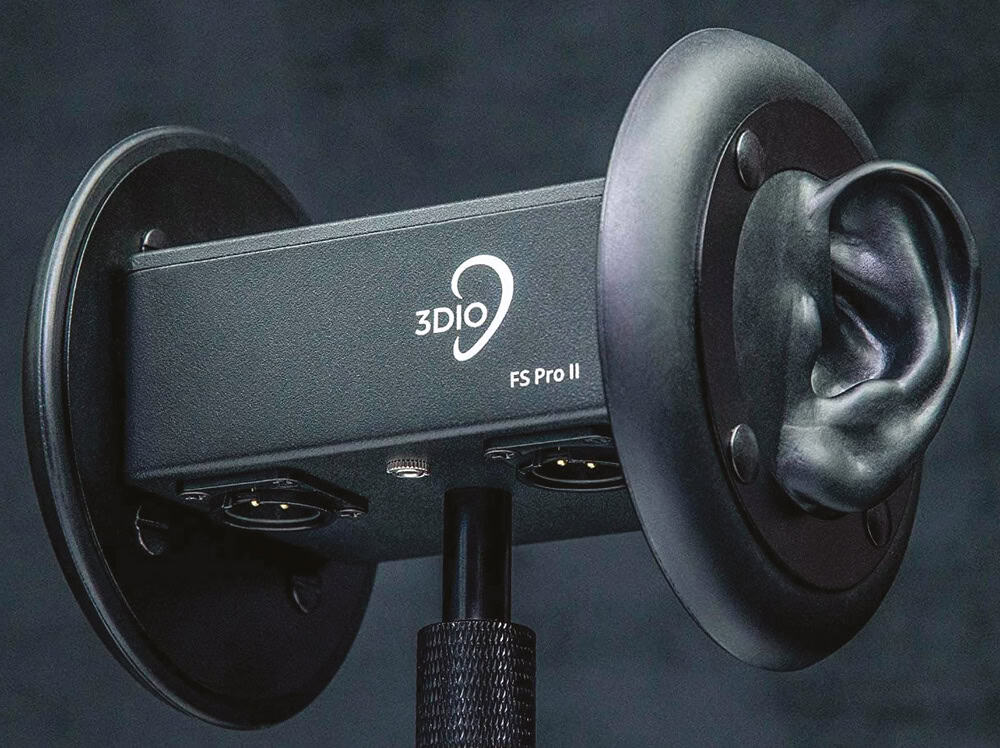
Binaural recording is a method of audio capture that uses two microphones positioned to simulate human ears. The goal is to reproduce how sound arrives at each ear at slightly different times, angles, and intensities.
When listened to through headphones, binaural recordings can create the sensation that sounds are coming from specific directions, distances, and even heights around the listener.
How Binaural Recording Works
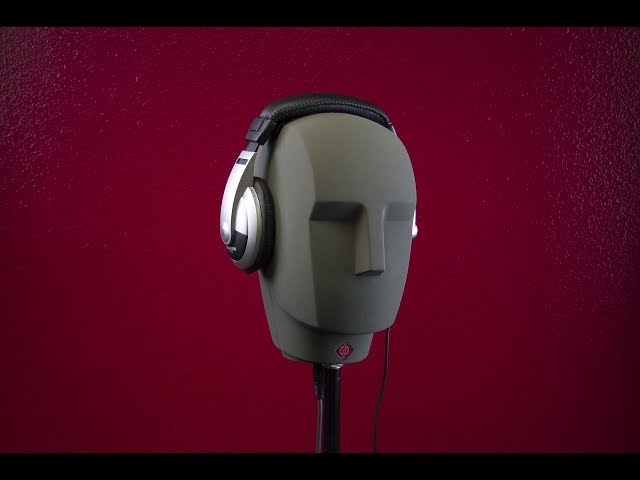
Human hearing relies on subtle differences between the left and right ears. Binaural recording captures these differences using a physical or simulated head-related setup.
Key elements include using two microphones placed where ears would naturally be to capture how sound arrives at each side of the head. The shape of the head plays an important role by affecting how sound reflects and diffracts before reaching the microphones, while the contours of the ears further alter how sound enters each channel.
Together with the natural time and level differences between the left and right microphones, these factors allow binaural recordings to closely replicate the way humans perceive spatial sound.
Common Binaural Recording Setups
There are several ways to achieve binaural recordings, depending on budget and purpose.
Dummy Head Microphones
These setups use a life-sized head model with microphones placed inside artificial ears. They provide highly realistic spatial recordings and are often used in research and professional audio work.
In-Ear Binaural Microphones
Small microphones worn inside the ears allow creators to record binaural audio while moving naturally through an environment. This setup is popular for field recording, video production, and immersive storytelling.
Simulated Binaural Recording
Some recordings are created using software that applies binaural effects during post-production. While convenient, these often lack the realism of true binaural capture.
Why Headphones Are Essential for Binaural Audio
Binaural recordings are designed specifically for headphone playback.
Headphones deliver separate audio signals to each ear, which is essential for maintaining the spatial detail captured in binaural recordings. This separation preserves directional cues such as distance and positioning, while also preventing the sound mixing and interference that naturally occurs when audio is played through speakers.
Listening to binaural audio through speakers reduces the three-dimensional effect and collapses much of the spatial detail.
Common Uses of Binaural Recording
Binaural recording has grown in popularity across multiple fields.
Common applications include:
- Virtual reality and immersive media
- Film and game sound design
- ASMR and relaxation content
- Music experimentation
- Acoustic research and psychoacoustics
Its ability to place listeners inside an environment makes it especially effective for immersive experiences.
Advantages of Binaural Recording
Binaural techniques offer several benefits over traditional stereo recording.
Advantages include:
- Highly realistic spatial sound
- Strong sense of presence and depth
- Minimal post-processing required
- Natural reproduction of real-world environments
For certain projects, binaural audio can feel more lifelike than surround sound systems.
Limitations and Challenges
Despite its strengths, binaural recording has limitations.
Challenges include:
- Reduced effectiveness over speakers
- Sensitivity to head shape differences between listeners
- Limited control over spatial placement after recording
- Potential discomfort for listeners unfamiliar with the effect
These factors should be considered when choosing binaural techniques.
Getting Started With Binaural Recording
Beginners can start experimenting with binaural audio using simple tools.
Entry-level steps include starting with in-ear binaural microphones, which are easy to use and well-suited for beginners. Recording in quiet, controlled environments helps capture clean spatial detail without unwanted noise, while monitoring playback through headphones allows you to hear the full binaural effect. Keeping microphone placement consistent is also important, as even small changes in position can noticeably affect the spatial characteristics of the recording.
Practice helps develop an understanding of how movement and positioning affect spatial sound.
Final Thoughts
Binaural recording offers a powerful way to capture sound as it is naturally experienced by the human ear. While it is not suitable for every project, it excels in creating immersive, realistic audio environments that draw listeners into the scene.
As immersive media continues to grow, binaural techniques are becoming an increasingly valuable tool for audio creators.
Frequently Asked Questions
Is binaural recording the same as 3D audio?
Binaural recording is one form of 3D audio, specifically designed to replicate human hearing through headphones.
Can binaural audio be used for music?
Yes. Some artists use binaural techniques to create immersive musical experiences, though it is less common in mainstream production.
Do I need special headphones?
No special headphones are required, but higher-quality headphones improve clarity and spatial detail.