

The Best Shure Microphones
Your Ultimate Guide to the Best Shure Microphones
Shure microphones are built around durability, vocal clarity, and consistency across decades of use. Unlike brands that specialize in one category, Shure has shaped both live performance and studio recording with models that remain industry standards today. The SM series alone has been used since the 1960s and is still among the best-selling microphones worldwide.
When choosing a Shure microphone, the key factors are intended use, pickup pattern, and whether you need USB convenience or XLR flexibility.
Which Shure Microphone Is Best?
- 5 microphones compared on the same points
- No brand pays to appear or to rank higher
- Updated when models change or are discontinued
Our top picks
Editor’s choice
Best Overall
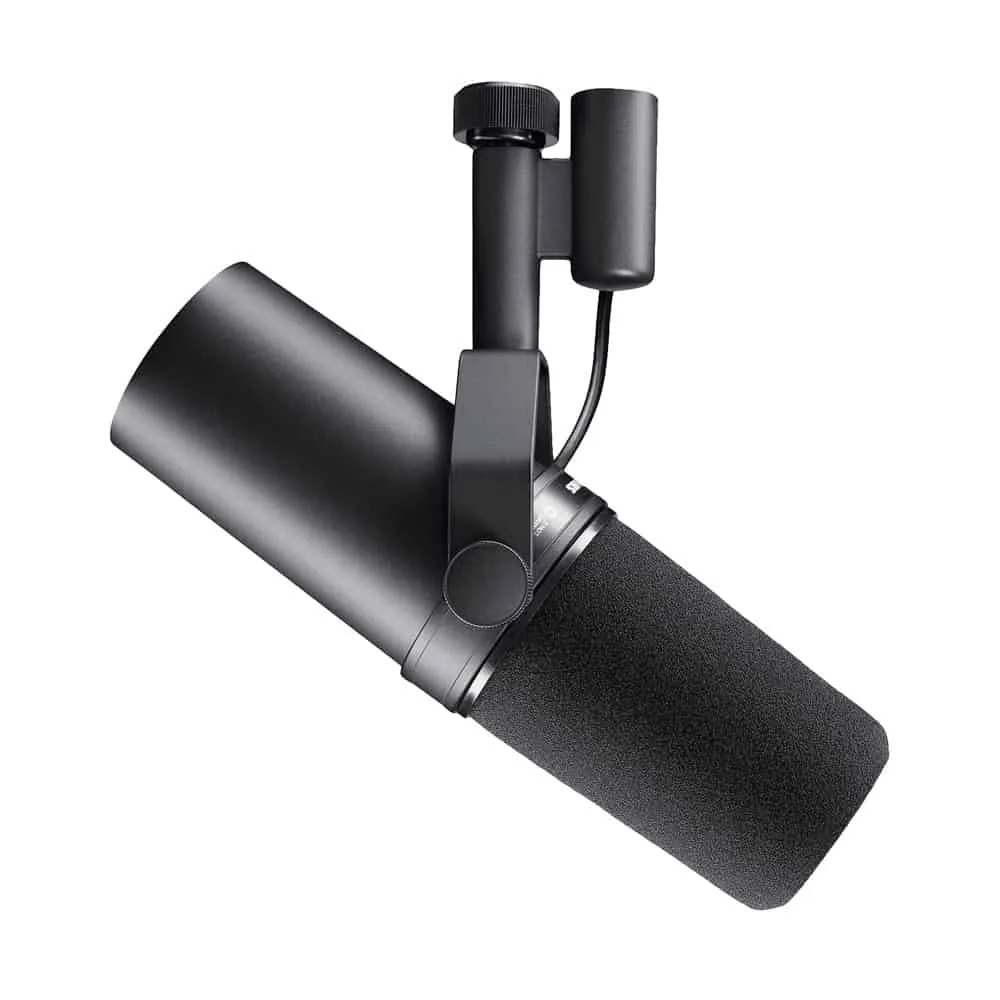
Shure SM7B
A broadcast-quality microphone that delivers smooth and controlled vocals for professional recording.
$429.00
Best Hybrid
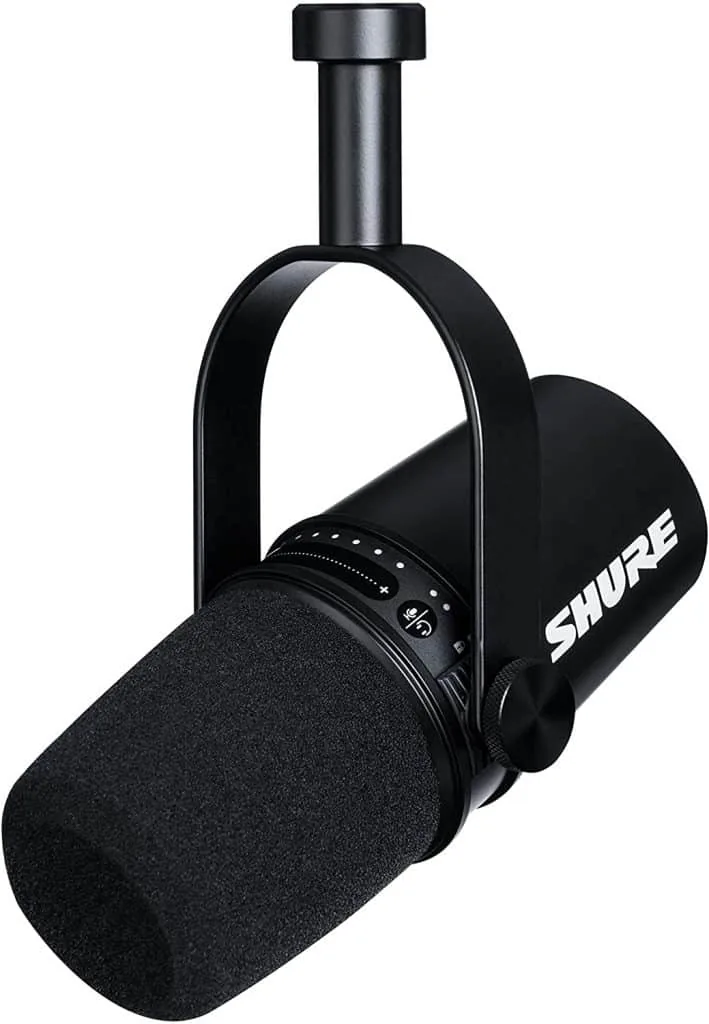
Shure MV7 Microphone
A flexible microphone that combines USB convenience with studio-level performance.
$299.00
Best Live
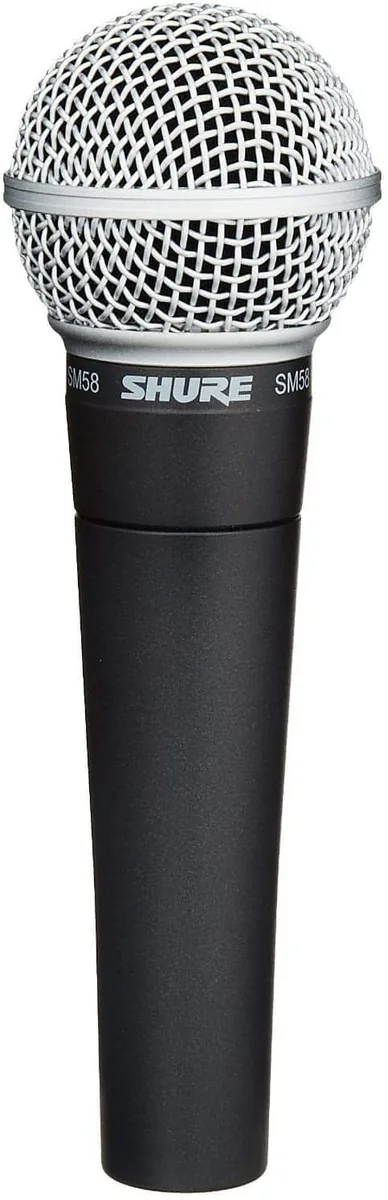
Shure SM58 Microphone
A durable and reliable microphone that defines live vocal performance.
$109.00
Compared at a glance
| Photo | Model | Best for | What stands out | Buy |
|---|---|---|---|---|
| Shure SM7B | Best Overall | — |
$429.00 Check price |
|
| Shure MV7 Microphone | Best Hybrid | Has both USB and XLR output |
$299.00 Check price |
|
| Shure SM58 Microphone | Best Live | Dynamic microphone |
$109.00 Check price |
|
| Shure SM57 | — | — | Check price | |
| Shure SM81 | — | — |
$439.00 Check price |
Every pick reviewed
#1 Best Overall
Shure SM7B
Sound Quality: ⭐ ⭐ ⭐ ⭐ ⭐
Design: ⭐ ⭐ ⭐ ⭐ ⭐
Features: ⭐ ⭐ ⭐ ⭐
The SM7B is one of the most recognizable microphones in professional audio because it delivers controlled, broadcast-quality sound that works across multiple applications.
It uses a dynamic cardioid design that focuses tightly on the voice while reducing background noise. This makes it suitable for podcasting, voiceover work, and studio recording.
The sound profile is warm and balanced, with smooth mids that keep vocals natural and consistent. Built-in switches allow adjustment of bass roll-off and midrange presence, giving more control over tonal shaping.
Another defining feature is its internal air suspension system, which reduces vibrations and mechanical noise. This helps maintain clean recordings even in less controlled setups.
The main requirement is gain. The SM7B needs a strong preamp or interface to reach its full potential, which adds complexity compared to USB microphones.
$429.00
Check price on Amazon Opens in a new tab · we may earn a commission
#2 Best Hybrid
Shure MV7 Microphone
Sound Quality: ⭐ ⭐ ⭐ ⭐ ⭐
Design: ⭐ ⭐ ⭐ ⭐
Features: ⭐ ⭐ ⭐ ⭐ ⭐
The MV7 is designed to bridge the gap between traditional studio microphones and modern content creation.
It is inspired by the SM7B but adds both USB and XLR connectivity, allowing it to work with simple setups or professional audio chains.
The microphone includes built-in digital processing and software integration, which allows users to adjust tone, gain, and compression directly from their computer.
Its sound profile focuses on vocal clarity with a slightly tighter response compared to the SM7B, making it easier to use without advanced equipment.
This flexibility makes it one of the most adaptable microphones in the Shure lineup.
What we like
- Has both USB and XLR output
- Has a touch panel for gain control
- Highly versatile
What we don’t
- Windscreen may be loose
$299.00
Check price on Amazon Opens in a new tab · we may earn a commission
#3 Best Live
Shure SM58 Microphone
Sound Quality: ⭐ ⭐ ⭐ ⭐ ⭐
Design: ⭐ ⭐ ⭐ ⭐ ⭐
Features: ⭐ ⭐ ⭐ ⭐
The SM58 is one of the most widely used microphones in the world and is considered the standard for live vocal performance.
It uses a dynamic cardioid design that reduces feedback and background noise, making it ideal for stage use.
The sound emphasizes midrange clarity, which helps vocals remain intelligible even in loud environments.
Its rugged construction allows it to withstand heavy use, making it a reliable choice for performers and event setups.
While it does not capture the same level of detail as condenser microphones, it excels in durability and consistency.
What we like
- Dynamic microphone
- Automatic setup out of the box
- Comes with several transmitter options
What we don’t
- Has no on/off switch
$109.00
Check price on Amazon Opens in a new tab · we may earn a commission
#4
Shure SM57
Sound Quality: ⭐ ⭐ ⭐ ⭐ ⭐
Design: ⭐ ⭐ ⭐ ⭐
Features: ⭐ ⭐ ⭐ ⭐
The SM57 is one of the most versatile microphones in Shure’s lineup, widely used for instruments and studio applications.
It shares a similar capsule design with the SM58 but uses a different grille, allowing closer placement to sound sources such as guitar amps and drums.
The sound is clear and controlled, making it suitable for recording instruments with strong transients.
Its durability and consistency make it a long-term investment for both live and studio setups.
It does not include advanced features, but its reliability and flexibility make it a staple in audio production.
Check price on Amazon Opens in a new tab · we may earn a commission
#5
Shure SM81
Sound Quality: ⭐ ⭐ ⭐ ⭐
Design: ⭐ ⭐ ⭐ ⭐
Features: ⭐ ⭐ ⭐ ⭐
The SM81 is a condenser microphone designed for precision recording and accuracy.
It captures a wide frequency range with minimal coloration, making it suitable for acoustic instruments and detailed studio work.
The microphone includes a low-frequency filter and pad, which provide additional control over recording conditions.
Its sound profile is neutral and controlled, which allows engineers to shape the audio during mixing rather than relying on the microphone’s coloration.
It requires a treated environment to perform at its best, as it captures more detail than dynamic microphones.
$439.00
Check price on Amazon Opens in a new tab · we may earn a commission
So, which one should you buy?
Final Note
Shure microphones are built around consistency, durability, and practical performance. They offer solutions for live use, studio recording, and content creation, making them one of the most versatile brands available.
The right choice depends on your setup. The SM7B offers the best overall performance, while the MV7 provides flexibility for modern workflows.
What Makes Shure Microphones Different?
Shure microphones are known for long-term reliability and consistent performance. The brand has been producing microphones for decades, with models like the SM58 remaining industry standards for live performance.
One of their defining characteristics is durability. Many Shure microphones are designed to withstand heavy use without performance degradation.
Another key factor is their focus on controlled sound. Instead of capturing excessive detail, many models prioritize clarity and noise rejection, which makes them easier to use in different environments.
When to Choose a Shure Microphone
Shure microphones are ideal when you need reliable performance across different situations. They work well for live performance, podcasting, and recording, where consistency and durability are important. They are less suited for users who prioritize ultra-detailed studio recording without proper acoustic control.