
Your Ultimate Guide to the Best Elgato Microphones
Elgato microphones are designed for a very specific audience: content creators who want studio-quality audio without complex setups. Instead of focusing purely on hardware, Elgato builds its ecosystem around software integration, workflow control, and real-time audio management.
Most of their microphones are paired with Wave Link software, which allows users to mix multiple audio sources and control levels without needing a traditional mixer.
This guide covers the best Elgato microphones, focusing on sound quality, usability, and how well each fits into a creator workflow.
Which Elgato Microphone Is Best?
Editor's Choice  Best Overall | 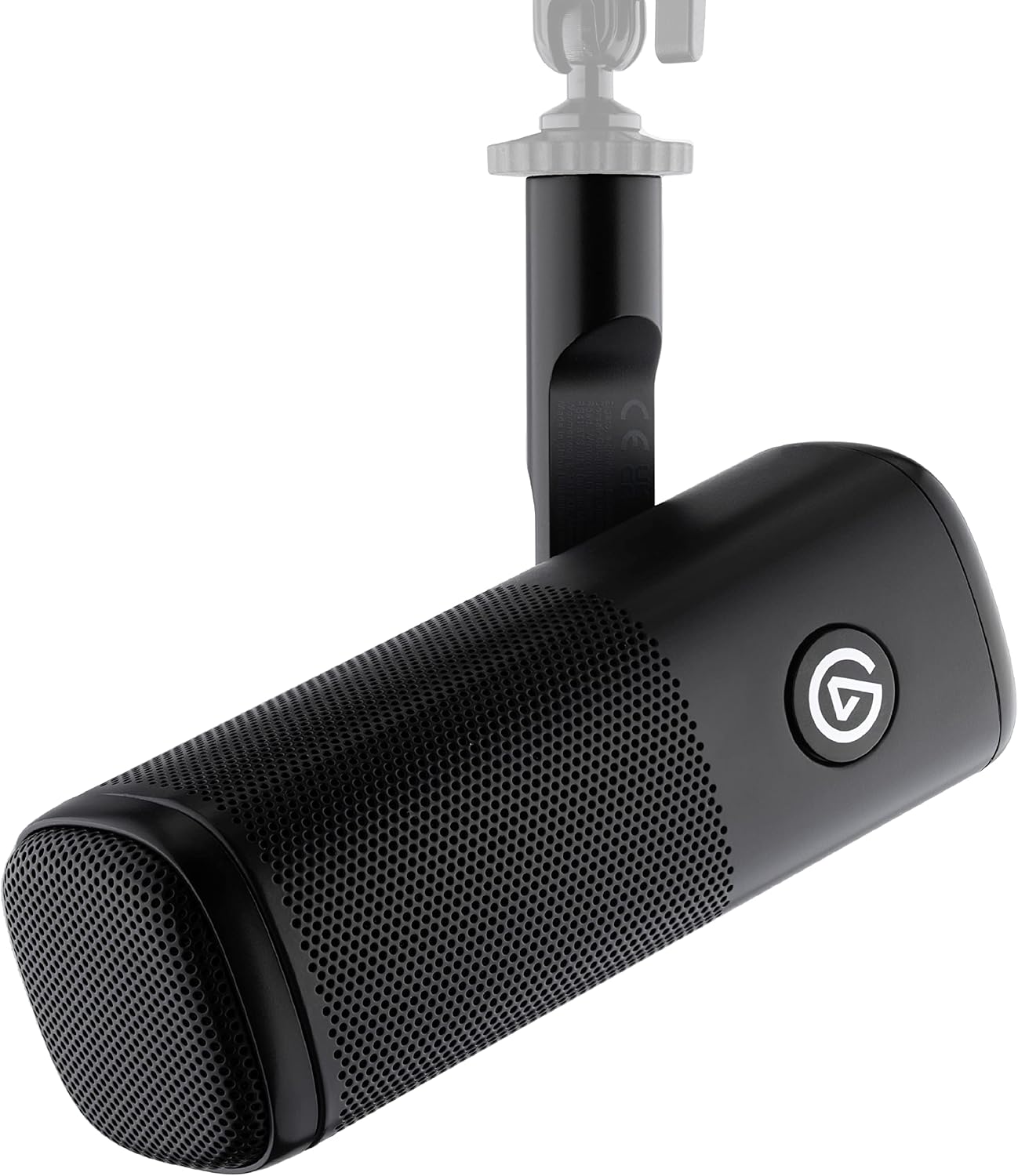 Best XLR | 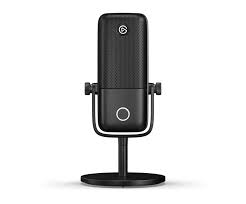 Best Budget |
Elgato Wave:3A versatile USB microphone that combines clean sound with powerful audio control features. | Elgato Wave DXA focused dynamic microphone that delivers controlled vocal clarity in any environment. | Elgato Wave:1A simplified USB microphone that offers reliable performance and software integration. |
Sound Quality: ★★★★★
Design: ★★★★
Features: ★★★★★
| Sound Quality: ★★★★★
Design: ★★★★
Features: ★★★★
| Sound Quality:★★★★
Design: ★★★
Features: ★★★★
|
Let’s Go Over Each Elgato Microphone
#1: Elgato Wave:3
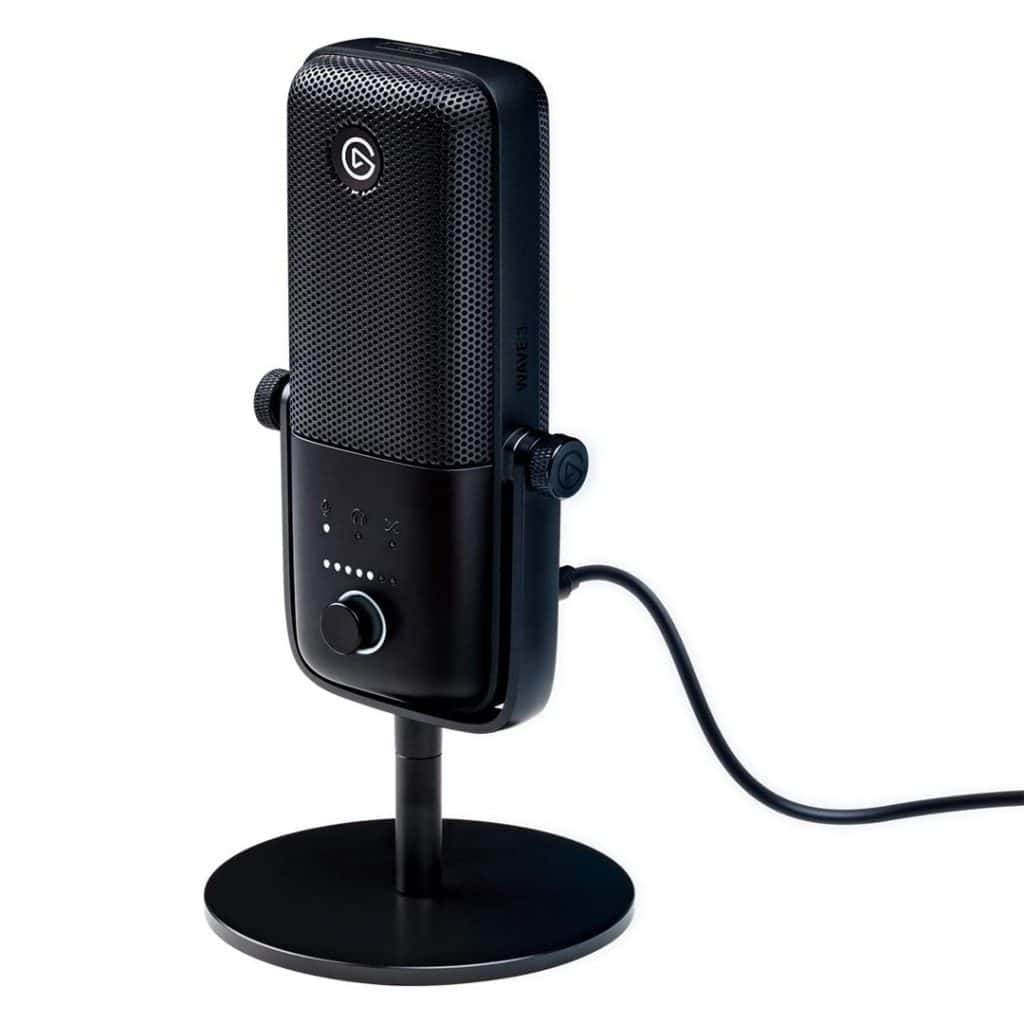
The Wave:3 is the core of Elgato’s microphone lineup because it combines solid audio performance with advanced software-driven control.
It uses a cardioid condenser capsule designed to capture voice clearly while minimizing unwanted noise. The sound is clean and balanced, making it suitable for streaming, podcasting, and voice recording. Unlike many USB microphones, it avoids excessive bass boost, which helps maintain clarity across different voices.
One of its defining features is Clipguard technology. This system monitors input levels and automatically prevents distortion by switching signal paths when audio peaks. This makes it much easier to maintain consistent audio without constant manual adjustment.
The Wave Link software is where the microphone becomes more powerful. It allows users to mix multiple audio sources, such as game audio, music, and voice, into separate outputs. This replaces the need for external mixers and simplifies complex setups.
In real-world use, the Wave:3 stands out because it reduces friction. It is not just a microphone; it is part of a workflow system that helps creators manage audio more efficiently.
Pros and Cons of the Elgato Wave:3
| Pros | Cons |
|---|---|
| ✔️ Good for home studios ✔️ Condenser mic ✔️ USB connectivity ✔️ Sleek profile ✔️ Comes with the Wave Link software ✔️ Clipguard feature | ✖️ May not be good for capturing multiple people in the same room |
#2: Elgato Wave DX
The Wave DX represents Elgato’s move into more traditional audio setups, offering a dynamic XLR microphone designed for controlled vocal recording.
Unlike the Wave:3, this microphone focuses on hardware performance rather than USB convenience. Its dynamic capsule reduces background noise naturally, making it much easier to use in untreated environments.
The sound profile is tuned for speech, with a strong midrange presence that keeps vocals clear and consistent. This makes it particularly effective for podcasting, streaming, and voiceover work where intelligibility matters more than fine detail.
Because it is an XLR microphone, it requires an audio interface such as the Wave XLR. This adds complexity but also provides more control over gain and signal processing.
In practice, the Wave DX is more forgiving than condenser microphones. It handles room noise better and allows for consistent results even in less controlled setups.
Pros and Cons of the Elgato Wave DX
| Pros | Cons |
|---|---|
| ✔️ Excellent noise rejection ✔️ Clear, focused vocal sound ✔️ Ideal for untreated rooms ✔️ Strong broadcast-style tone | ✖️ Requires audio interface ✖️ Less detailed than condensers ✖️ Limited versatility outside voice |
#3: Elgato Wave:1
The Wave:1 is designed for users who want the core Elgato experience at a lower price point.
It uses a similar condenser capsule to the Wave:3, but with simplified controls and fewer onboard features. The sound is clear and balanced, making it suitable for voice recording, streaming, and general content creation.
It still supports Wave Link software, which means users get access to the same digital mixing capabilities as higher-end models. This is one of its biggest advantages, as it allows beginners to build more advanced audio setups over time.
Compared to the Wave:3, it lacks hardware controls like multifunction dials and advanced processing. However, the core audio quality remains consistent, which makes it a strong value option.
In real-world use, the Wave:1 works best as a starting point for creators who want good audio without paying for extra features they may not need yet.
Pros and Cons of the Elgato Wave:1
| Pros | Cons |
|---|---|
| ✔️ Affordable entry into Elgato ecosystem ✔️ Clean and consistent audio ✔️ Supports Wave Link software ✔️ Easy to use | ✖️ Fewer onboard controls ✖️ Limited feature set ✖️ Sensitive to room noise |
#4: Elgato Wave Neo
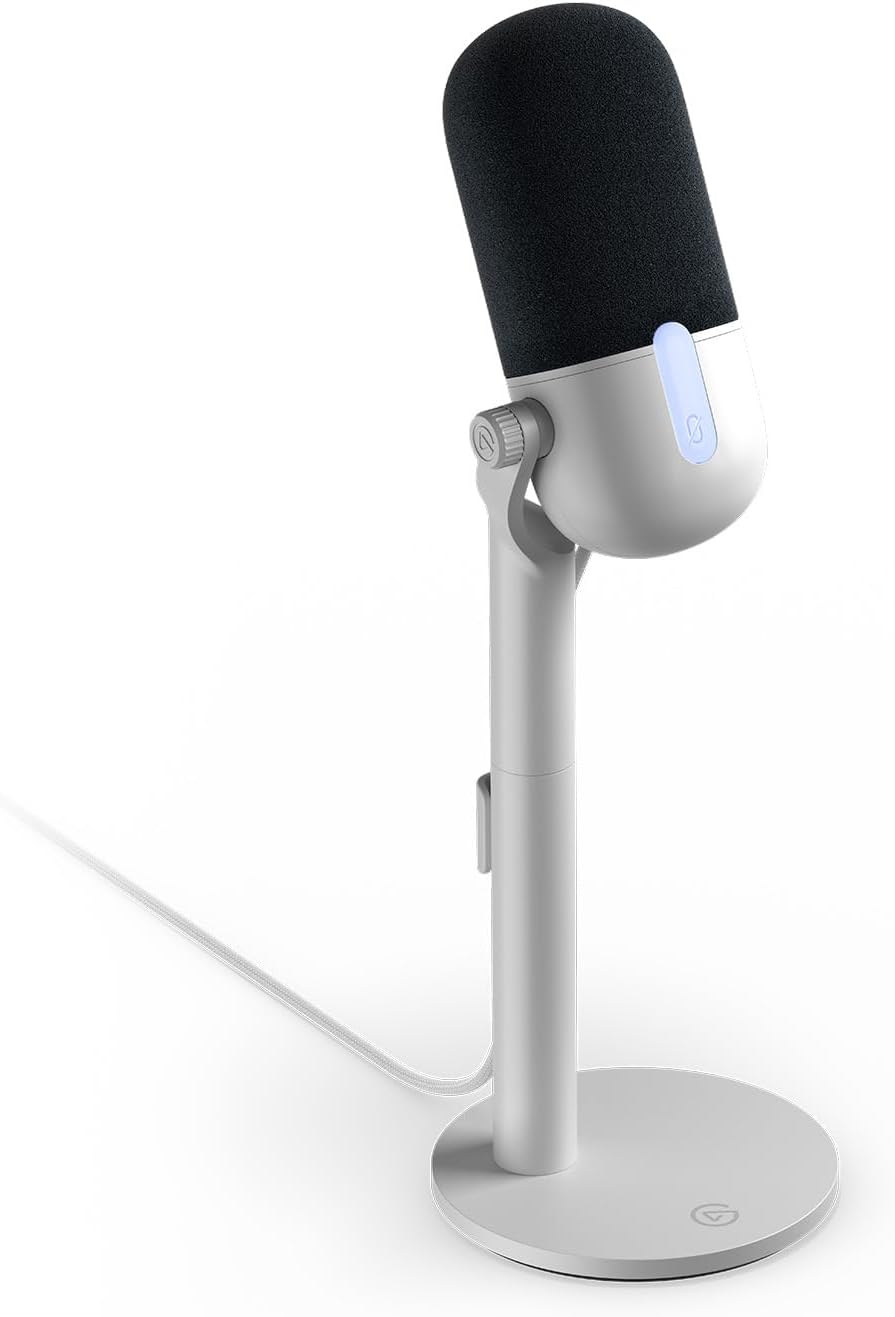
The Wave Neo is designed for users who prioritize simplicity and portability over advanced features.
It uses a compact condenser design that focuses on voice clarity. The sound is clean and direct, making it suitable for streaming, calls, and casual recording. While it does not offer the depth of larger microphones, it maintains a consistent vocal presence.
Its smaller size makes it easier to fit into minimal setups, which is useful for creators working with limited desk space. The simplified design also means fewer controls, which reduces complexity for beginners.
Unlike higher-end models, it focuses on core functionality rather than advanced processing. This makes it more approachable but also limits flexibility.
In practice, the Wave Neo works best as a lightweight solution for everyday use rather than a full production microphone.
Pros and Cons of the Elgato Wave Neo
| Pros | Cons |
|---|---|
| ✔️ Compact and portable ✔️ Simple to use ✔️ Clean vocal clarity ✔️ Good for small setups | ✖️ Limited features ✖️ Less depth than larger mics ✖️ Fewer controls |
What Makes Elgato Microphones Different?
Elgato microphones are built around workflow integration rather than standalone performance. The key difference is the Wave Link system, which allows users to control multiple audio sources and create separate mixes. This removes the need for external mixers and simplifies audio management.
Another defining feature is real-time processing. Technologies like Clipguard prevent distortion automatically, which reduces the need for constant monitoring. Overall, Elgato focuses on making audio easier to manage rather than purely higher in quality.
When to Choose an Elgato Microphone
Elgato microphones are best when your priority is efficient workflow and ease of use. They’re ideal for streaming, podcasting, and content creation where managing multiple audio sources is important. Their integration with software allows for quick adjustments without interrupting recording.
They’re less suited for traditional studio environments where maximum audio fidelity and customization are required.
Final Note
Elgato microphones are designed around efficiency and control. They’re not just recording tools. They’re part of a broader system that helps creators manage audio more effectively. If you value simplicity, integration, and workflow optimization, Elgato offers one of the most streamlined solutions available.
Editor’s Choice
Elgato Wave:3
The Wave:3 stands out because it delivers more than just sound quality. It provides a complete system for managing audio.
Its combination of clean recording, automatic distortion control, and integrated mixing software makes it one of the most practical microphones for content creators.
What makes it the best overall choice is how it simplifies complex workflows while still delivering professional-level results.