

The Best Condenser Microphones
Your Ultimate Guide to the Best Condenser Microphones
Condenser microphones are all about detail, sensitivity, and accuracy. The best ones don’t just capture your voice. They reveal texture, tone, and nuance that dynamic microphones often miss. When choosing one, the key factors are self-noise, frequency response, SPL handling, and how well it performs in your recording environment.
Below is a fully structured, high-value guide with the top condenser microphones available on the market.
Which Condenser Microphone Is Best?
- 5 microphones compared on the same points
- No brand pays to appear or to rank higher
- Updated when models change or are discontinued
Our top picks
Editor’s choice
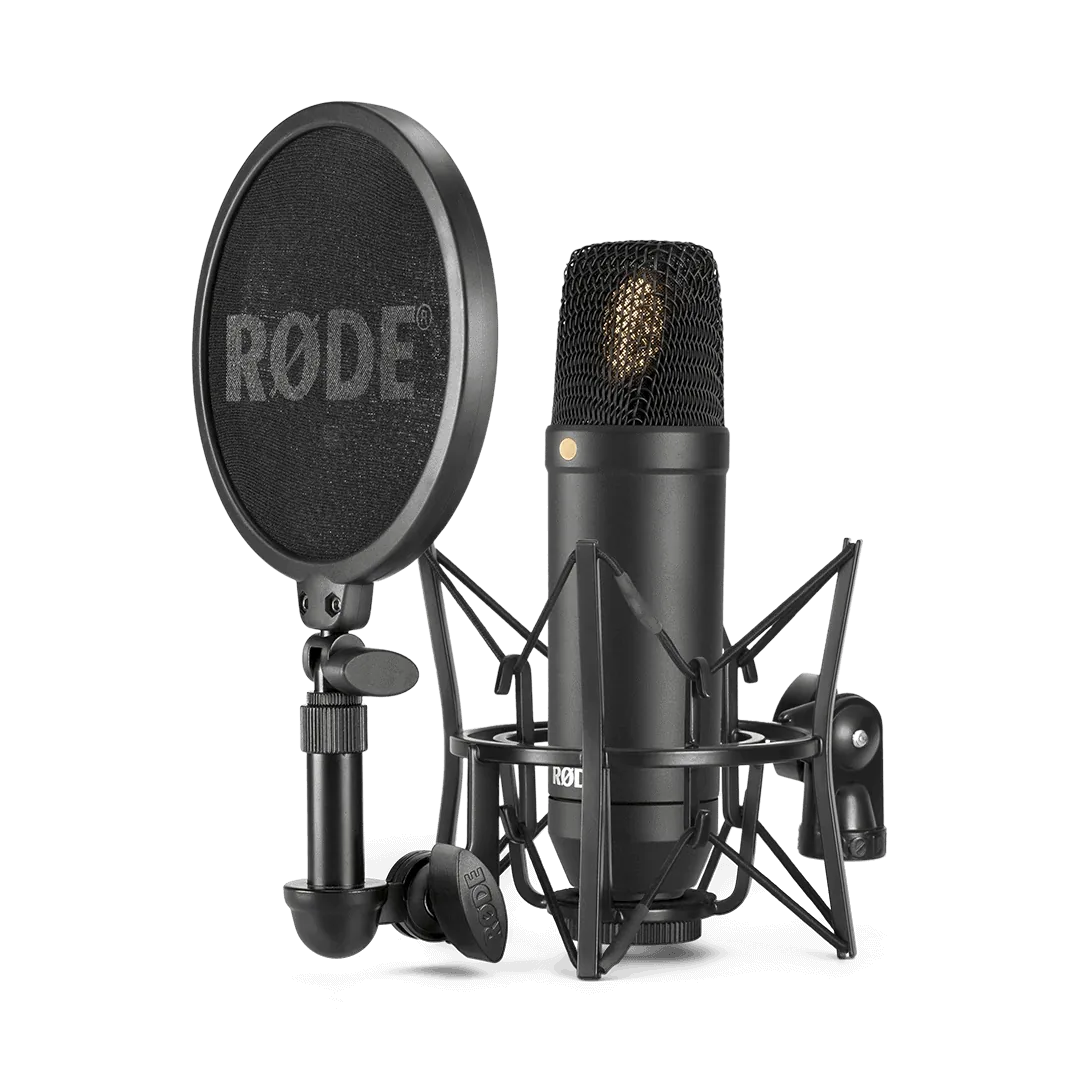
Best Overall
Rode NT1 (5th Gen)
A versatile condenser microphone that delivers ultra-clean audio with both XLR and USB connectivity for any recording setup.
$209.82
List price $269.00
Save 22%
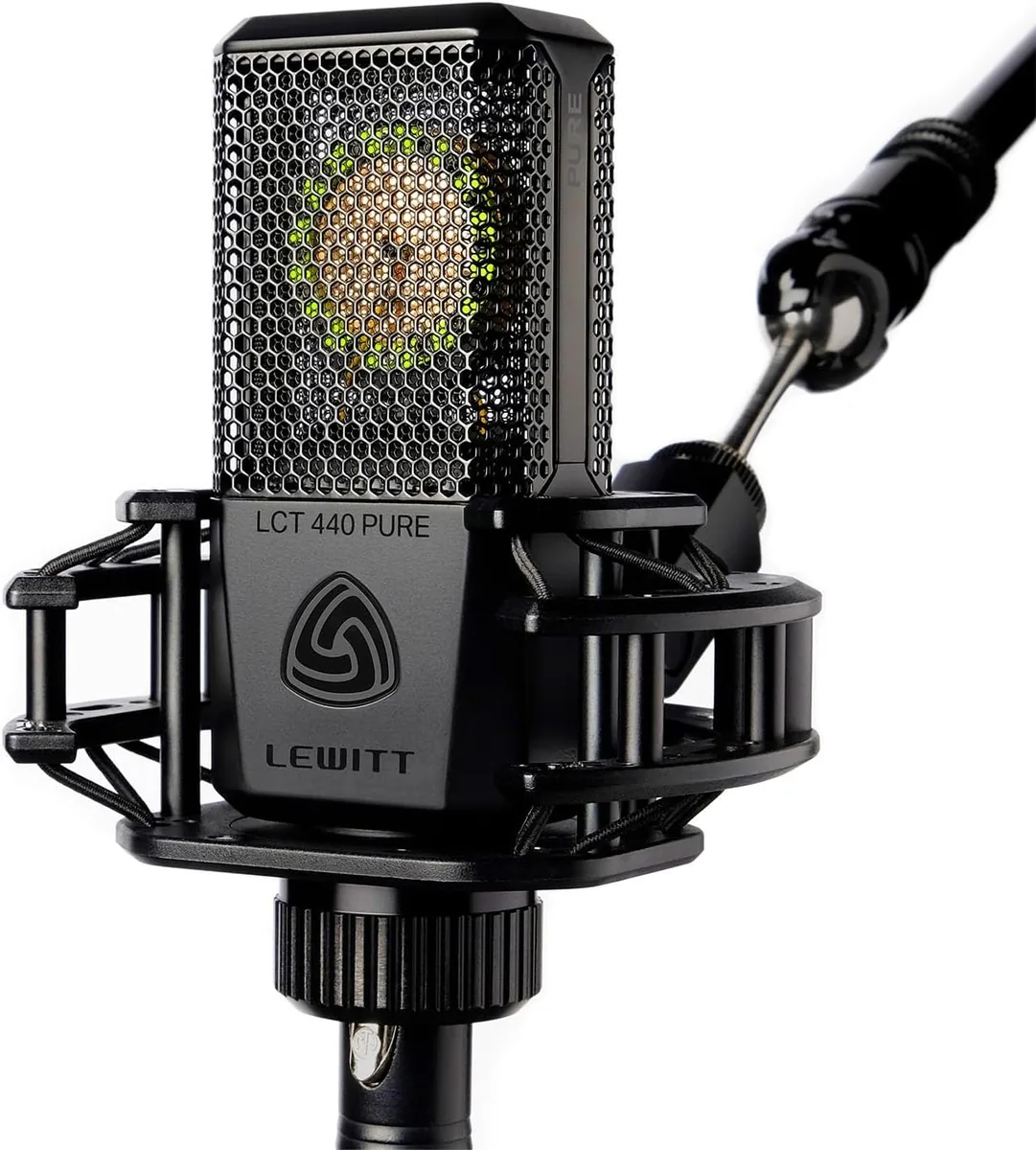
Best Studio Condenser Microphone
Lewitt LCT 440 PURE
A premium studio condenser microphone known for extremely clean audio and low self-noise.
$249.00
List price $299.00
Save 17%
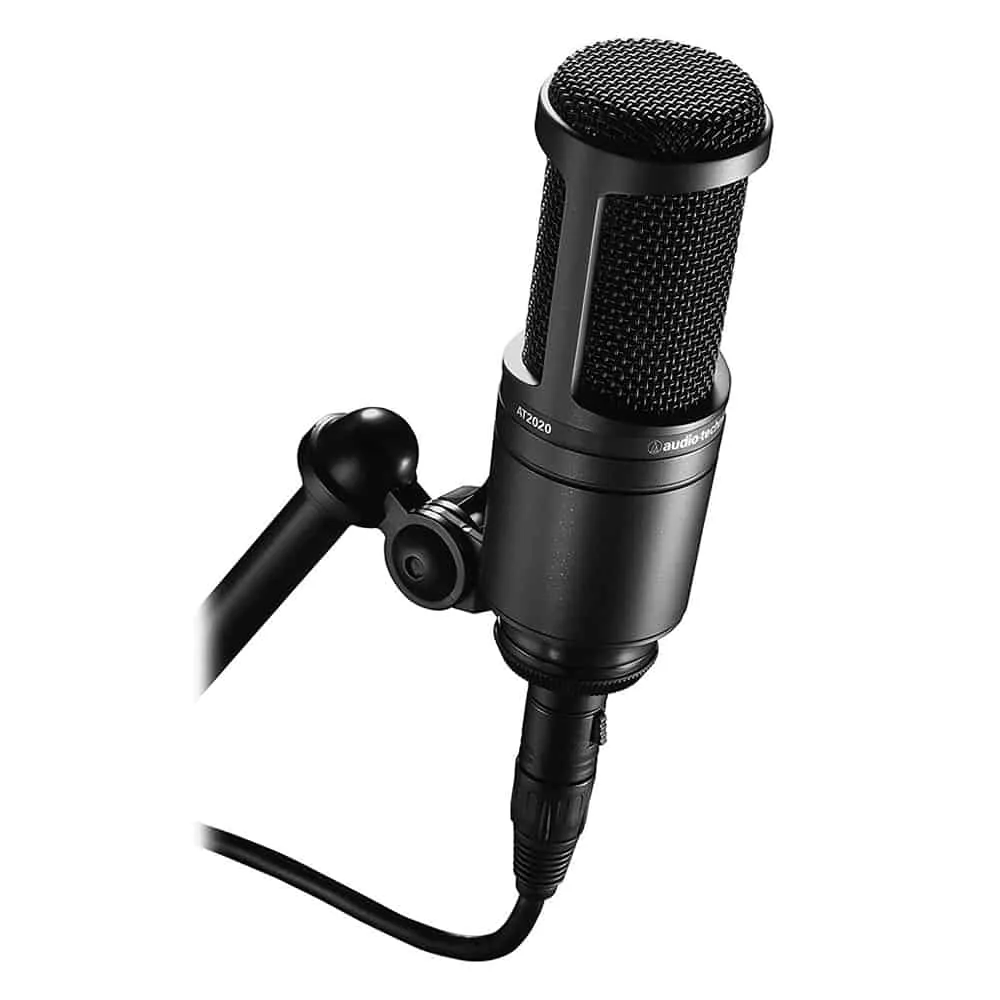
Best Budget Condenser Microphone
Audio-Technica AT2020
A popular entry-level condenser mic offering reliable sound for home studios and beginners.
Compared at a glance
| Photo | Model | Best for | Highlights | Buy |
|---|---|---|---|---|
| Rode NT1 (5th Gen) | Best Overall | Great vocal and instrument mic |
Check price
$209.82
List price |
|
| Lewitt LCT 440 PURE | Best Studio Condenser Microphone | — |
Check price
$249.00
List price |
|
| Audio-Technica AT2020 | Best Budget Condenser Microphone | USB connectivity |
Check price
$117.00 |
|
| sE Electronics X1 S | — | — |
Check price
$261.55 |
|
| TZ Stellar X2 | — | — |
Check price
$319.99 |
Every pick reviewed
#1 Best Overall
Rode NT1 (5th Gen)
Sound Quality: ⭐ ⭐ ⭐ ⭐ ⭐
Design: ⭐ ⭐ ⭐ ⭐
Features: ⭐ ⭐ ⭐ ⭐ ⭐
The Rode NT1 (5th Gen) is one of the most complete condenser microphones available today because it combines studio-grade sound with modern flexibility.
At its core is a large-diaphragm condenser capsule known for its extremely low self-noise, which is one of the defining features of the NT1 line. This allows it to capture subtle vocal details without introducing hiss, making recordings cleaner and easier to process later.
What separates this version from previous generations is its hybrid design. It supports both XLR and USB output, meaning it can function as a traditional studio microphone or plug directly into a computer. This makes it suitable for both beginners and advanced users.
In real-world use, the NT1 delivers a balanced and natural sound profile. It doesn’t overly color the voice, which gives you more flexibility in post-production. It performs particularly well for vocals, acoustic instruments, and voiceover work.
The limitation is typical of condensers. It will pick up room reflections. Without some level of acoustic control, you won’t get the full benefit of its clarity.
What we like
- Great vocal and instrument mic
- Has an integrated pop shield, pop filter, and shock mount
- Excellent audio performance for home and professional studio setups
- Durable build
- Low levels of noise and rejects noise
What we don’t
- Can be a slightly price point for some
- Requires phantom power
- No headphone jack
$209.82
List price $269.00
Save 22%
Check price on Amazon Opens in a new tab · we may earn a commission
#2 Best Studio Condenser Microphone
Lewitt LCT 440 PURE
Sound Quality: ⭐ ⭐ ⭐ ⭐ ⭐
Design: ⭐ ⭐ ⭐ ⭐
Features: ⭐ ⭐ ⭐ ⭐
The Lewitt LCT 440 PURE is built for one thing: clean, professional recording.
It uses a high-quality large-diaphragm capsule with a very low noise floor, which allows it to capture detail without introducing unwanted artifacts. This becomes especially noticeable when recording vocals, where breath detail and subtle tonal changes matter.
The sound profile leans slightly modern, with a controlled high-end that avoids harshness. This makes it easier to work with compared to brighter condenser microphones that can become fatiguing.
Unlike more feature-heavy microphones, the LCT 440 PURE keeps things simple. There are no switches or multiple patterns. It focuses entirely on delivering consistent, high-quality sound. That simplicity actually works in its favor, as there’s less to adjust and more predictability in recordings.
It performs best in treated environments where its clarity can fully shine.
$249.00
List price $299.00
Save 17%
Check price on Amazon Opens in a new tab · we may earn a commission
#3 Best Budget Condenser Microphone
Audio-Technica AT2020
Sound Quality: ⭐ ⭐ ⭐ ⭐
Design: ⭐ ⭐ ⭐ ⭐
Features: ⭐ ⭐ ⭐ ⭐
The Audio-Technica AT2020 is one of the most widely used entry-level condenser microphones, and for good reason.
It provides a balanced frequency response that works well for both vocals and instruments. While it doesn’t have the depth or refinement of higher-end models, it produces clean, usable audio that holds up well in most recording scenarios.
One of its strengths is consistency. It doesn’t exaggerate certain frequencies too much, which makes recordings easier to edit and mix. This is especially helpful for beginners who don’t have advanced audio processing tools.
Because it’s a condenser mic, it still requires a relatively controlled environment. In noisy or echo-heavy spaces, it will pick up unwanted sound.
Overall, it’s a strong starting point for anyone building a home studio.
What we like
- USB connectivity
- Affordable
- Great for vocal recording and voice overs
What we don’t
- May require a pre-amp
- Sensitive to noise
$117.00
Check price on Amazon Opens in a new tab · we may earn a commission
#4
sE Electronics X1 S
Sound Quality: ⭐ ⭐ ⭐ ⭐
Design: ⭐ ⭐ ⭐ ⭐
Features: ⭐ ⭐ ⭐ ⭐
The sE Electronics X1 S is built around one key idea: adaptability without complexity.
At its core, it uses a large-diaphragm condenser capsule designed to deliver a balanced, slightly modern sound. The low end feels controlled rather than exaggerated, while the high frequencies remain present without becoming overly sharp.
This makes it particularly usable across different vocal types. It doesn’t overly favor bright or deep voices, which is often a limitation with more colored microphones.
What really sets this mic apart is how it handles different recording conditions. The built-in attenuation pad allows it to capture louder sources, like guitar amps or percussion, without distortion, while the low-cut filter helps reduce rumble and unwanted low-end noise before it even reaches your interface. These aren’t just convenience features. They reduce the need for heavy post-processing and give you cleaner raw recordings.
In practice, the X1 S feels more forgiving than many condensers in its range. It still benefits from a treated room, but it doesn’t exaggerate harsh reflections as aggressively as brighter microphones. That makes it a strong option for home studios where conditions aren’t perfect.
It’s not the most “character-heavy” mic, but that’s exactly why it works so well across different applications. You can use it for vocals one day, instruments the next, and still get consistent, usable results.
$261.55
Check price on Amazon Opens in a new tab · we may earn a commission
#5
TZ Stellar X2
Sound Quality: ⭐ ⭐ ⭐ ⭐
Design: ⭐ ⭐ ⭐ ⭐
Features: ⭐ ⭐ ⭐ ⭐
The TZ Stellar X2 is one of those microphones that immediately stands out because of how it shapes sound rather than just capturing it.
Unlike neutral microphones, the Stellar X2 leans toward a richer, more polished tone. The low end has a bit more body, and the upper mids are slightly enhanced, which gives vocals a fuller and more “produced” feel straight out of the microphone. This can be especially useful if you want recordings that already sound close to finished without heavy EQ.
Where it performs best is in vocal recording. It adds presence without sounding overly bright, which helps voices sit more naturally in a mix. It also handles dynamics well, capturing both softer passages and louder peaks without collapsing or distorting.
Another strength is how it competes with higher-priced microphones. In real-world use, it delivers a level of depth and tonal richness that you’d typically expect from more expensive studio gear. That’s where its value really comes in. It narrows the gap between mid-range and high-end microphones.
The trade-off is that it’s slightly more colored than neutral options. For some users, that’s a benefit. For others, especially those who prefer to shape sound entirely in post, it may feel less flexible.
Overall, this is a microphone that prioritizes sound character and musicality, making it a strong choice for vocals and creative recording work.
$319.99
Check price on Amazon Opens in a new tab · we may earn a commission
So, which one should you buy?
Final Note
Condenser microphones are built for one thing: capturing detail. When used correctly, they bring out the depth, texture, and nuance in your voice or instrument in a way that simpler microphones can’t match.
But that level of detail works both ways. A good condenser won’t just capture your performance. It will also reveal your environment. That’s why choosing the right microphone isn’t just about specs or price. It’s about how well it fits your setup, your space, and your workflow.
How to Choose the Right Condenser Microphone
The most important factor is your recording space. A high-end condenser microphone won’t perform well if your room has echo or background noise.
You should also consider how you plan to use the microphone. Vocals require clarity and presence, while instruments may require better transient response.
Finally, think about your setup. XLR microphones offer better scalability, while USB options are more convenient.
Frequently Asked Questions
What Makes Condenser Microphones Different?
Condenser microphones are designed to capture more detail than dynamic microphones. They use a sensitive diaphragm that responds to subtle changes in sound pressure, which is why they are preferred for vocals and studio recording.
This sensitivity comes with a trade-off. They also pick up background noise, room reflections, and environmental sounds more easily. That’s why they perform best in controlled environments.