

AKG Microphones
All 7 AKG microphones we have reviewed, with what each one is good at, or read every AKG review. Start with the buying guide if you want the short answer.
- Judged on the same points as every microphone we review
- No brand pays to appear or to rank higher
- Updated when models change or are discontinued
The short answer
The Best AKG Microphones
-
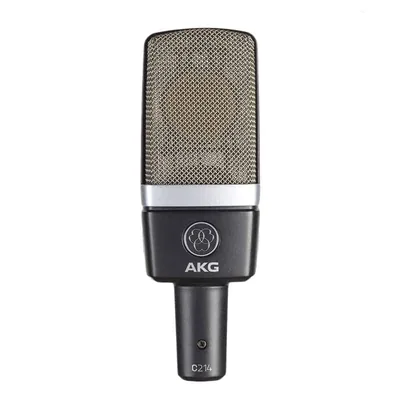
AKG C214 Microphone
4.7
$372.61
- Brand
- AKG
- Type
- Condenser
- Polar pattern
- Cardioid
When it comes to technical design and engineering, AKG stands head and shoulders above the rest. The company’s reputation for w...
-
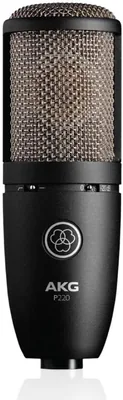
AKG P220 Microphone
4.0
$129.00
- Brand
- AKG
- Type
- Condenser
- Polar pattern
- Cardioid
AKG is a force to be reckoned with in the professional recording industry, and it’s not hard to see why. Their microphones have...
-
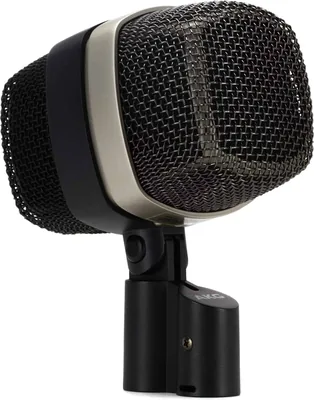
AKG D12 VR Microphone
$699.00
- Brand
- AKG
- Type
- Dynamic
- Polar pattern
- Cardioid
Welcome to our review of the AKG D12 VR microphone, a powerhouse in the realm of large-diaphragm dynamic microphones. Boasting ...
-
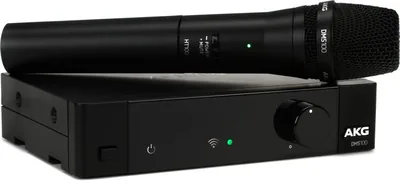
AKG DMS100 Microphone
$274.00
- Brand
- AKG
- Type
- Wireless
Wireless mic systems that have excellent audio quality and have a ton of positive reviews are one of the greatest assets of a l...
-
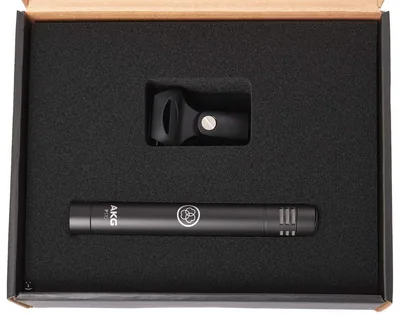
AKG Perception 170 Microphone
$69.99
- Brand
- AKG
- Type
- Condenser
- Polar pattern
- Cardioid
Picking the right microphone for your setup and needs can take a lot of hard work and research. There are about as many microph...
-
AKG C451 B Microphone
$580.00
- Brand
- AKG
- Type
- Condenser
- Polar pattern
- Cardioid
The history of professional recording is long and storied and contains hundreds of fantastic mics that have made their impact o...
-
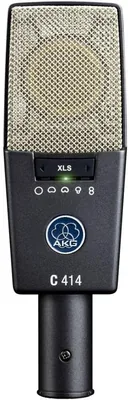
AKG C414-XLS Microphone
$1,037.09 Was
$1,140.00Save 9%- Brand
- AKG
- Type
- Condenser
- Polar pattern
- Multi-pattern
Austrian acoustics engineering and manufacturing company AKG has been in the business since 1947, and has produced dozens of mi...

AKG microphones have been part of professional audio for decades. You’ll find them in recording studios, live venues, broadcast setups, and home studios because they solve a simple problem well: capturing clean, reliable sound across different environments.
This guide breaks down how AKG microphones actually perform in real-world use. It covers types, features, use cases, and the mistakes that usually lead to disappointing audio.
What Are AKG Microphones Known For?
AKG built its reputation on precision and consistency. The best AKG microphones aim for a balanced, natural sound rather than heavy coloration. That matters because it gives you flexibility in post-production. You’re not fighting against exaggerated bass or harsh highs.
Another key strength is consistency across models. If you upgrade within the AKG range, the sound profile doesn’t suddenly shift in a way that forces you to relearn your setup. In practical terms, that’s why AKG is often chosen for:
- Vocals that need clarity without sounding overly processed
- Acoustic instruments where detail matters
- Live environments where reliability is non-negotiable
Types of AKG Microphones
Understanding the different types of AKG microphones isn’t just about categories. Each type behaves differently depending on your environment, your voice, and how you position it.
Condenser Microphones
Condenser microphones are built for detail and sensitivity. They respond quickly to sound, which allows them to capture subtle dynamics like vocal texture, breath, and room ambience. Popular examples include:
- AKG C214
- AKG C414 XLII
In real use, these microphones shine in controlled environments. If you’re recording vocals in a treated room, the C214 delivers a clean, focused sound without sounding thin. The C414 XLII goes further by offering multiple polar patterns, which let you adapt to different recording situations like solo vocals, duets, or room capture.
The trade-off is sensitivity. These mics will pick up reflections, background noise, and even subtle room imperfections. If your space isn’t treated, that extra detail can work against you. They also require phantom power and proper gain staging. Without that, you won’t get the performance you’re paying for.
Dynamic Microphones
Dynamic microphones are designed to control sound rather than expose it. A model like the AKG D5 handles high sound pressure levels without distortion, which makes it ideal for live vocals and loud sources.
In practice, dynamic mics solve two common problems. First, they reduce background noise. Because they’re less sensitive, they focus more on what’s directly in front of them. Second, they’re forgiving. If your mic placement isn’t perfect or your room isn’t treated, you can still get usable audio. This makes them a strong choice for:
- Live performances
- Podcasting in untreated rooms
- Streaming setups with background noise
You won’t get the same level of detail as a condenser mic, but you’ll often get cleaner, more controlled audio in real-world conditions.
USB Microphones
USB microphones prioritize simplicity over flexibility. The AKG Lyra is a good example. It combines the microphone, preamp, and interface into one device, so you can plug it directly into your computer and start recording. This setup removes a lot of friction. You don’t need to think about interfaces, gain chains, or additional gear.
In real use, USB mics are ideal for:
- Podcasting
- Video calls
- Content creation
- Remote work
The limitation shows up when you want more control. You can’t easily upgrade individual parts of your setup, and you’re restricted by the built-in preamp and conversion quality. For beginners or convenience-focused setups, that trade-off is usually worth it.
Lavalier and Wireless Microphones
Lavalier and wireless systems are designed for movement. Instead of optimizing for raw audio quality, they optimize for consistency while you’re moving, speaking, or presenting. These are commonly used for:
- Interviews where both hands need to be free
- Presentations where you’re walking or gesturing
- Video production where visible microphones aren’t ideal
Lavalier mics clip onto clothing and maintain a consistent distance from your mouth, which helps keep levels stable. Wireless systems remove cables, but they introduce new variables like signal interference and battery management. When set up properly, they deliver reliable audio in situations where traditional microphones simply aren’t practical.
Key Features to Look for in AKG Microphones
Specs don’t matter unless you understand how they affect real performance.
Sound Signature
AKG microphones tend to lean toward a clean and slightly bright sound. That brightness helps vocals cut through a mix, especially in music recording or spoken word content. It reduces the need for heavy EQ later.
However, if your voice already has a lot of high-end presence, that same characteristic can make it sound harsh. Matching the mic to your voice matters more than chasing specs.
Polar Patterns
Polar patterns control what the microphone hears and what it ignores. A cardioid pattern focuses on sound in front of the mic, which is ideal for most recording setups. It reduces background noise and keeps the signal focused.
Multi-pattern microphones like the C414 give you more flexibility. You can switch patterns depending on whether you’re recording one person, multiple people, or ambient sound. This isn’t just a feature. It directly affects clarity and noise control.
Frequency Response
Frequency response tells you how a microphone captures low, mid, and high frequencies. A wider range doesn’t automatically mean better sound. What matters is how balanced that range is.
For vocal recording, the midrange is critical. That’s where most of the voice sits. If the mids are clear and present, your audio will sound natural even without heavy processing.
Build Quality
AKG microphones are generally built to handle regular use. This matters more than people expect. A solid build reduces handling noise, improves durability, and ensures consistent performance over time. For live use, durability is non-negotiable. For studio use, it affects long-term reliability.
Connectivity and Setup
The choice between XLR and USB isn’t just technical. It changes how you work. XLR microphones give you flexibility. You can upgrade your interface, preamp, or signal chain over time. USB microphones remove complexity but lock you into a fixed setup. If you plan to grow your setup, XLR is the better long-term choice.
Best Uses for AKG Microphones
AKG microphones aren’t one-size-fits-all. They perform best when matched to the right use case.
Studio Recording
For studio work, condenser microphones like the AKG C414 XLII are the standard. They capture detail, dynamics, and nuance, which makes them ideal for vocals and instruments. In a treated environment, they deliver professional-level results.
Podcasting and Streaming
For podcasting, your environment matters more than your budget. If your room is untreated, a dynamic mic may give you cleaner results. If your space is controlled, a USB mic like the AKG Lyra offers a simple and effective solution.
Live Performances
Live environments demand reliability. Dynamic microphones like the AKG D5 are built to handle high volume, movement, and unpredictable conditions without breaking down or distorting.
Video and Content Creation
For video work, mobility and consistency matter more than raw audio detail. Lavalier and wireless systems allow you to move naturally while maintaining clear audio, which is critical for interviews, vlogs, and presentations.
Common Mistakes When Choosing an AKG Microphone
Most audio issues come from decisions, not equipment quality. Even well-known models from AKG can underperform if the setup or use case is wrong.
Choosing the Wrong Type for Your Environment
A high-end condenser mic in a noisy room often sounds worse than a mid-range dynamic mic. That’s because condenser microphones pick up everything, not just your voice. If your space has echo, traffic noise, or background activity, a sensitive mic will amplify those problems. In that situation, a dynamic mic gives you tighter, more controlled audio by rejecting more of the room.
The key is to match the microphone to your environment. Quiet, treated spaces benefit from condenser detail. Untreated or noisy setups benefit from dynamic control.
Overvaluing Specs
Specs like frequency range, sensitivity, and max SPL look impressive, but they rarely tell the full story. Two microphones can have similar specs on paper and sound completely different in practice. What matters more is how the mic responds to your voice and how it behaves in your recording space.
Instead of focusing on numbers, pay attention to:
- How the mic handles your vocal tone
- Whether it exaggerates harsh frequencies
- How much background noise it captures
Real-world testing and use case alignment matter far more than spec sheets.
Ignoring Mic Technique
Mic technique is one of the biggest factors in sound quality, yet it’s often overlooked. Distance affects tone and clarity. Too far, and your voice sounds thin and distant. Too close, and you introduce boominess and plosives. Angle also matters. Speaking slightly off-axis can reduce harsh consonants and improve balance.
Small adjustments can make a noticeable difference:
- Moving a few inches closer improves presence
- Tilting the mic slightly reduces popping sounds
- Keeping consistent positioning stabilizes volume
Before upgrading your gear, it’s worth refining how you use the mic you already have.
Skipping Proper Setup
Using an XLR microphone without proper gain staging or a decent interface limits its performance. If the gain is too low, your audio will sound weak and noisy once boosted. If it’s too high, you risk distortion and clipping. A poor-quality interface can also introduce noise or reduce clarity, regardless of how good the microphone is.
Your signal chain matters just as much as the mic itself:
- Microphone
- Cable quality
- Audio interface or preamp
- Recording settings
When one part of that chain is weak, the final result suffers. Getting the basics right often delivers a bigger improvement than switching microphones.
Expecting One Mic to Do Everything
No single microphone excels in every situation, even within a strong lineup like AKG. Each microphone is designed with a specific purpose in mind. A condenser mic that sounds great on vocals might pick up too much noise for streaming. A dynamic mic that works perfectly on stage may lack the detail needed for studio recordings.
Trying to use one mic for vocals, instruments, streaming, and live performance usually leads to compromises. You end up adjusting your setup constantly instead of getting consistent results. A more practical approach is to match the mic to your primary use case. If you record vocals in a controlled environment, choose a condenser. If you stream or record in a noisy space, a dynamic mic makes more sense. For mobile or video work, a lavalier or wireless system is often the better fit.
You don’t need a large collection, but relying on one “do-it-all” microphone usually limits your overall sound quality.
How to Choose the Right AKG Microphone
Start with Your Primary Use Case
If you’re recording vocals in a treated space, a condenser mic is the better fit because it captures more detail. If you’re working in a noisy or untreated room, a dynamic mic will give you cleaner, more controlled audio by reducing background noise.
Consider Your Setup and Gear
If you want a simple, plug-and-play option, a USB microphone is the easiest choice. If you’re planning to build a more advanced setup with better flexibility and upgrade potential, an XLR microphone paired with an audio interface is the better route.
Match the Microphone to Your Voice and Environment
Your voice, recording space, and mic placement all play a bigger role than specs. A microphone that complements your tone and works well in your environment will produce far better results than simply choosing the most expensive option.
AKG Microphones vs Other Brands
Shure vs AKG
Shure leans heavily toward durability and live performance, while AKG focuses more on studio clarity and balanced sound. If you need a microphone that can handle stage use and rough environments, Shure often has the edge. If your priority is cleaner, more detailed audio for recording, AKG is usually the better fit.
Audio-Technica vs AKG
Audio-Technica is known for offering strong value across different price points, especially for beginners and intermediate users. Compared to AKG, their microphones can feel more accessible, but AKG tends to deliver a more refined and consistent sound profile, particularly in studio-focused models.
Rode vs AKG
Rode focuses on ease of use and modern content creation, with many plug-and-play options for streamers and creators. AKG, on the other hand, leans more toward traditional studio performance and flexibility. If you want simplicity and a quick setup, Rode is appealing. If you want more control and a cleaner, more natural sound, AKG stands out.
Final Thoughts
AKG microphones aren’t about hype. They’re about consistent, reliable performance. If you match the microphone to your environment, use case, and setup, you’ll get results that hold up whether you’re recording, streaming, or performing live. That’s what makes them a long-term choice rather than just another upgrade.