

The Best Blue Microphones
Your Ultimate Guide to the Best Blue Microphones
Blue Microphones built its reputation on making studio-style audio accessible to everyday creators. The brand helped popularize USB microphones for podcasting, streaming, and home recording, with models like the Yeti becoming industry staples due to their versatility and ease of use.
When choosing a Blue microphone, the key factors are pickup patterns, ease of use, sound profile, and recording flexibility, especially since most of their lineup is designed for plug-and-play setups rather than complex studio chains.
Which Blue Microphone Is Best?
- 5 microphones compared on the same points
- No brand pays to appear or to rank higher
- Updated when models change or are discontinued
Our top picks
Editor’s choice
Best Overall
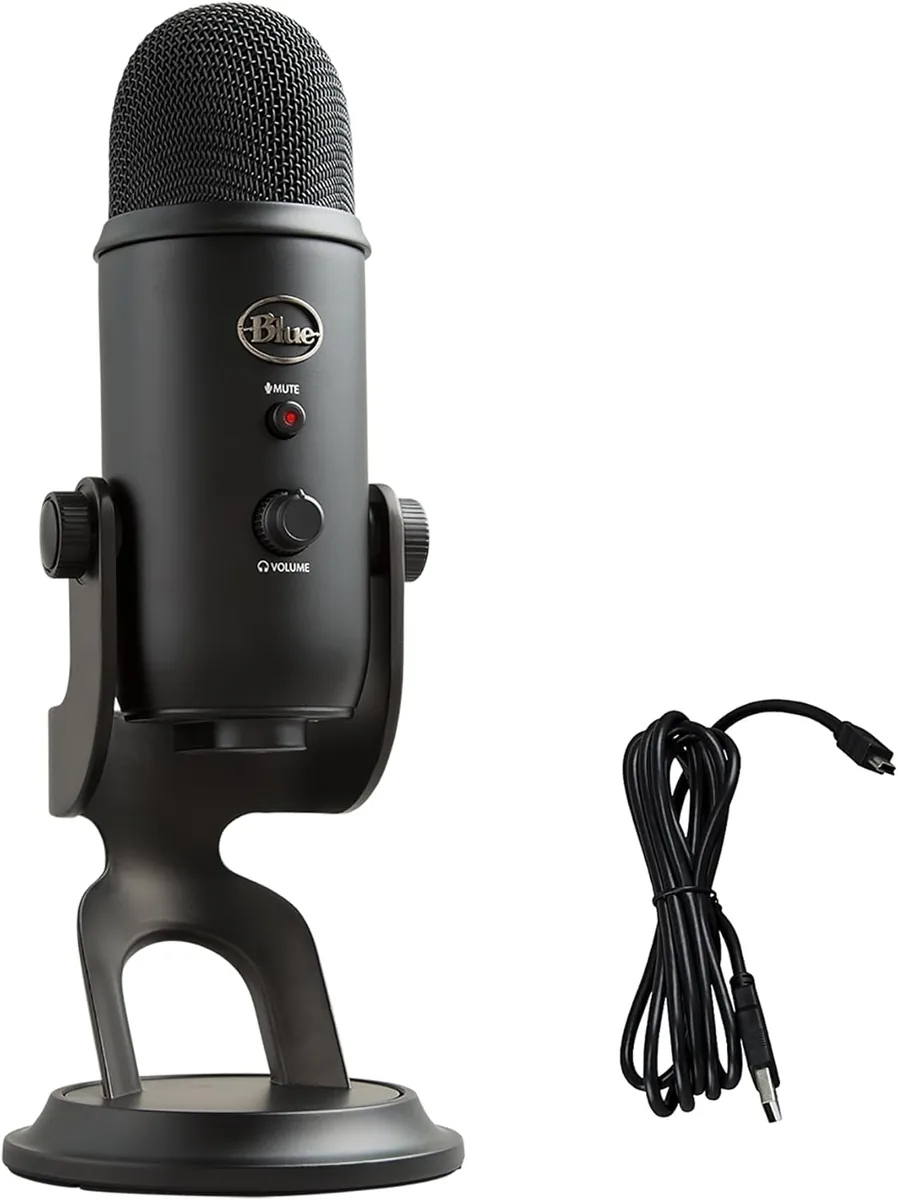
Blue Yeti
A versatile USB microphone that adapts to multiple recording scenarios with strong overall performance.
$99.99
List price $139.99
Save 29%
Best Advanced
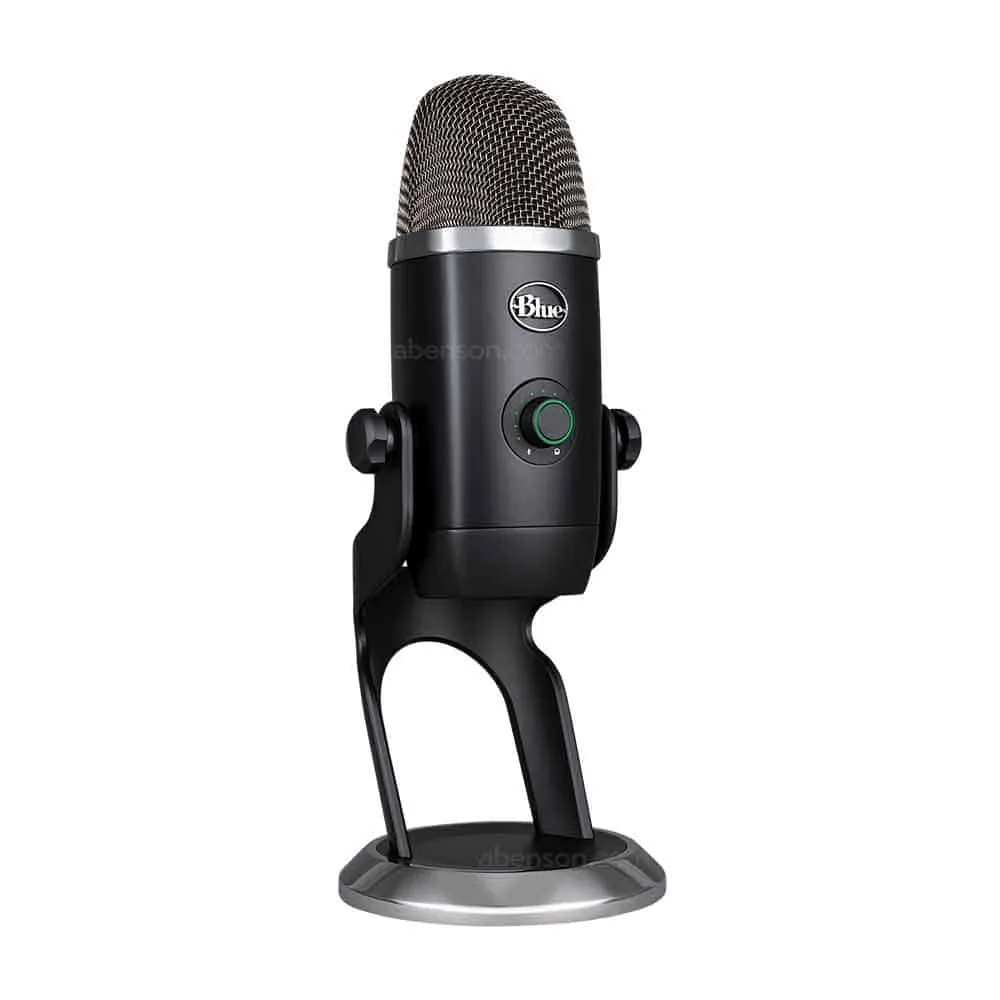
Blue Yeti X
An upgraded Yeti with improved clarity, real-time monitoring, and advanced audio control features.
$159.99
See the alternative Opens in a new tab
No longer on Amazon. Our alternative: Logitech G Blue Yeti 2 USB Mic
Best Budget
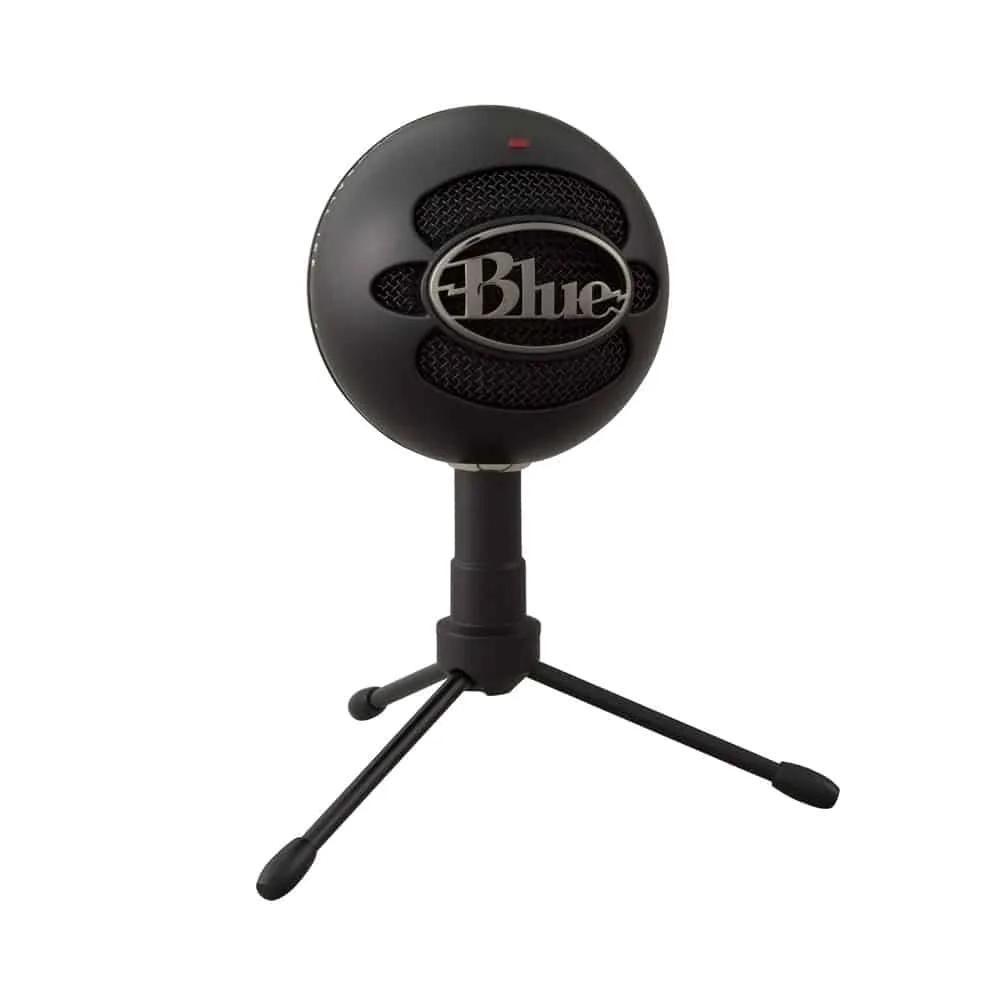
Blue Snowball iCE
A simple and affordable microphone that delivers clear audio for beginners and casual users.
$42.99
List price $49.99
Save 14%
See the alternative Opens in a new tab
No longer on Amazon. Our alternative: Logitech for Creators Blue Snowball iCE USB Microphone
Compared at a glance
| Photo | Model | Best for | Highlights | Buy |
|---|---|---|---|---|
| Blue Yeti | Best Overall | — |
Check price
$99.99
List price |
|
| Blue Yeti X | Best Advanced | Decent sound performance |
See alternative
No longer on Amazon. Our alternative: Logitech G Blue Yeti 2 USB Mic $159.99 |
|
| Blue Snowball iCE | Best Budget | — |
See alternative
No longer on Amazon. Our alternative: Logitech for Creators Blue Snowball iCE USB Microphone
$42.99
List price |
|
| Blue Yeti Nano | — | — |
Check price
$79.99
List price |
|
| Blue Ember | — | Quality sound for livestreaming, Youtube, and podcasting |
Check price
$82.99 |
Every pick reviewed
#1 Best Overall
Blue Yeti
Sound Quality: ⭐ ⭐ ⭐ ⭐ ⭐
Design: ⭐ ⭐ ⭐ ⭐
Features: ⭐ ⭐ ⭐ ⭐ ⭐
The Blue Yeti is widely considered the benchmark for USB microphones because it combines strong sound quality with unmatched versatility in its class.
It uses a tri-capsule condenser design, allowing it to switch between four pickup patterns: cardioid, omnidirectional, bidirectional, and stereo. This flexibility means it can handle solo recording, interviews, group discussions, and even basic music recording without changing microphones.
In practice, the Yeti delivers a full, clear sound with a slightly enhanced low end that gives vocals more presence. This makes it particularly effective for podcasting and streaming, where voice clarity is critical.
Another strength is usability. It connects via USB and includes onboard controls for gain, mute, and headphone monitoring, making it easy to adjust audio without additional software.
The trade-off is sensitivity. Like most condenser USB mics, it picks up background noise and room reflections, so placement and environment still matter.
$99.99
List price $139.99
Save 29%
Check price on Amazon Opens in a new tab · we may earn a commission
#2 Best Advanced
Blue Yeti X
Sound Quality: ⭐ ⭐ ⭐ ⭐ ⭐
Design: ⭐ ⭐ ⭐ ⭐
Features: ⭐ ⭐ ⭐ ⭐ ⭐
The Blue Yeti X builds on the original Yeti by focusing on refinement and control rather than reinvention.
It uses a more advanced capsule array that captures greater detail, resulting in a clearer and more defined sound. This is particularly noticeable in voice recordings, where subtle nuances come through more cleanly.
One of its standout features is the LED metering system, which provides real-time feedback on your audio levels. This helps prevent clipping and makes it easier to maintain consistent recordings.
It also integrates with Blue VO!CE software, allowing users to apply effects like compression, EQ, and noise reduction without needing external tools.
In real-world use, the Yeti X feels more polished and controlled than the standard Yeti, especially for creators who want more precision in their recordings.
What we like
- Decent sound performance
- Included G Hub and Blue VO!CE Software
- Switchable patterns
- Built-in shockmount and stand
- Headphones compatible
What we don’t
- Pop filter and Compass Boom Arm are sold separately
- High-pass filter can still be improved on
#3 Best Budget
Blue Snowball iCE
Sound Quality: ⭐ ⭐ ⭐ ⭐
Design: ⭐ ⭐ ⭐ ⭐
Features: ⭐ ⭐ ⭐ ⭐
The Snowball iCE is designed for users who want a simple, reliable entry point into recording.
It uses a condenser capsule with a cardioid pickup pattern, focusing on sound directly in front of the mic while reducing background noise. This makes it suitable for voice recording, video calls, and beginner streaming setups.
The sound profile is straightforward, clear, and slightly mid-focused. It doesn’t offer the depth of higher-end microphones, but it produces consistent, usable audio for everyday use.
Its biggest advantage is simplicity. There are no complex controls or settings. Just plug it in and start recording.
While it lacks flexibility, it performs well within its category and remains one of the most accessible microphones available.
#4
Blue Yeti Nano
Sound Quality: ⭐ ⭐ ⭐ ⭐
Design: ⭐ ⭐ ⭐ ⭐
Features: ⭐ ⭐ ⭐ ⭐
The Yeti Nano is designed for users who want the core Yeti experience in a smaller, more streamlined form.
It uses a dual-capsule condenser design with two pickup patterns: cardioid and omnidirectional. While this is less flexible than the full Yeti, it covers the most common recording scenarios.
The sound is clean and focused, with slightly less low-end depth compared to the standard Yeti. This makes it well-suited for speech, video calls, and streaming, where clarity matters more than richness.
Its compact size makes it easier to fit into tight desk setups, and it integrates well with Blue VO!CE software for additional control.
In practice, it offers a balance between simplicity and performance, making it ideal for creators with limited space.
$79.99
List price $119.99
Save 33%
Check price on Amazon Opens in a new tab · we may earn a commission
#5
Blue Ember
Sound Quality: ⭐ ⭐ ⭐ ⭐
Design: ⭐ ⭐ ⭐
Features: ⭐ ⭐ ⭐ ⭐
The Blue Ember stands apart from most of the lineup because it’s built for traditional studio setups rather than USB convenience.
It uses a side-address condenser capsule designed to capture detailed audio with a balanced frequency response. Compared to USB models, it delivers a more natural and refined sound, especially for vocals and instruments.
Because it uses an XLR connection, it requires an audio interface. This adds complexity but also provides more control over gain and processing.
In real-world use, the Ember performs best in controlled environments where its detail can be fully appreciated. It’s less forgiving than dynamic microphones but offers a noticeable upgrade in audio quality.
This is the microphone for users who want to move beyond plug-and-play setups and into more serious recording.
What we like
- Quality sound for livestreaming, Youtube, and podcasting
- Versatile for different audio recordings
- Affordable price point
What we don’t
$82.99
Check price on Amazon Opens in a new tab · we may earn a commission
So, which one should you buy?
Final Note
Blue microphones are built around ease of use and versatility. They’re designed for creators who want good audio without dealing with complex setups. Whether you’re streaming, recording, or starting a podcast, they provide a straightforward way to improve sound quality.
The key is understanding your needs. If you want maximum flexibility, the Yeti remains the strongest option. If you need something more compact or budget-friendly, the Nano or Snowball iCE makes more sense. In the end, Blue microphones aren’t about chasing perfection. They’re about making high-quality audio accessible and easy to use.
When to Choose a Blue Microphone
Blue microphones are best suited for users who prioritize ease of use and versatility over complex audio setups. They’re particularly effective for content creation. Streaming, podcasting, voiceovers, and video production benefit from microphones that are quick to set up and easy to adjust. USB connectivity removes the need for additional equipment, which lowers the barrier to entry significantly.
They also work well in situations where flexibility is important. If you regularly switch between recording styles, such as solo voice recording, interviews, or group discussions, a multi-pattern microphone like the Yeti can handle all of these without requiring different gear.
For beginners, Blue microphones offer a practical starting point. Instead of learning about gain staging, interfaces, and signal chains, users can focus on recording and content creation. This makes them one of the easiest ways to improve audio quality quickly.
However, they are less ideal for highly controlled studio environments. Because most Blue microphones are USB-based and designed for convenience, they don’t offer the same level of control or upgrade potential as XLR setups. They’re also more sensitive to room acoustics. Condenser USB microphones will pick up background noise and reflections, so placement and environment still matter.
In short, Blue microphones are the right choice when you want good audio with minimal setup and maximum flexibility, especially for digital content creation.
Frequently Asked Questions
What Makes Blue Microphones Different?
Blue microphones became popular by solving a very specific problem: making studio-style audio simple enough for everyday creators. Unlike traditional audio brands that focus on XLR setups and professional studios, Blue built its lineup around USB-based recording. This allowed users to plug directly into a computer without needing an interface, mixer, or complex signal chain.
That shift is what made microphones like the Yeti and Snowball widely adopted not just by professionals, but by streamers, podcasters, and remote workers.
Another defining feature is multi-pattern recording. Many Blue microphones use multiple capsules that allow switching between cardioid, omnidirectional, bidirectional, and stereo modes. This effectively replaces the need for multiple microphones in different scenarios. This flexibility is a major reason why the Yeti became one of the most widely used USB microphones. It adapts to solo recording, interviews, and group setups without additional gear.
Blue microphones also emphasize on-device control. Instead of relying entirely on software, many models include physical gain knobs, mute buttons, and headphone monitoring. This allows users to make quick adjustments in real time, which is especially useful for live streaming and recording sessions. At a sound level, most Blue microphones lean toward a slightly enhanced, broadcast-friendly tone. Vocals often sound fuller and more present compared to flatter studio microphones. While this isn’t as neutral as high-end condensers, it makes recordings sound “finished” with minimal editing.
Overall, Blue microphones are designed around convenience, flexibility, and immediate usability, rather than pure technical precision.