
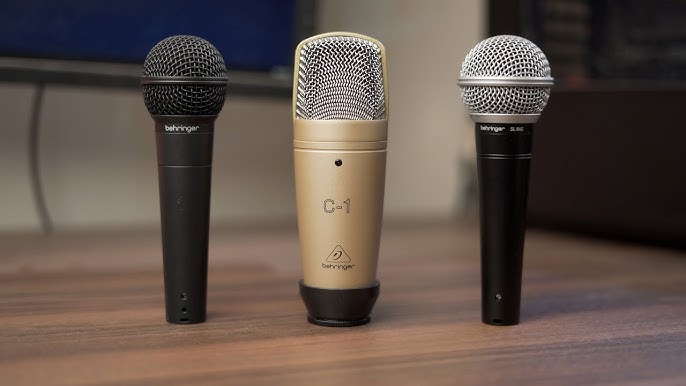
Behringer microphones are known for one thing above all else: accessibility. They’re designed to give you usable audio without requiring a big budget, which makes them popular for beginners, home studios, and casual creators.
This guide breaks down how Behringer microphones actually perform in real-world use. It covers types, features, best use cases, and the common mistakes that usually lead to disappointing results.
What Are Behringer Microphones Known For?
Behringer focuses on affordability and practicality. Their microphones aren’t trying to compete with high-end studio gear. Instead, they aim to provide solid, functional performance for users who want to get started without overspending. In practical terms, the best Behringer microphones are known for:
- Budget-friendly pricing across most categories
- Simple, no-frills designs that are easy to use
- Decent performance for entry-level recording and live use
They’re often the first step into audio for many users, especially those building their first setup.
Types of Behringer Microphones
Understanding the different types helps you avoid buying a mic that doesn’t fit your setup.
Condenser Microphones
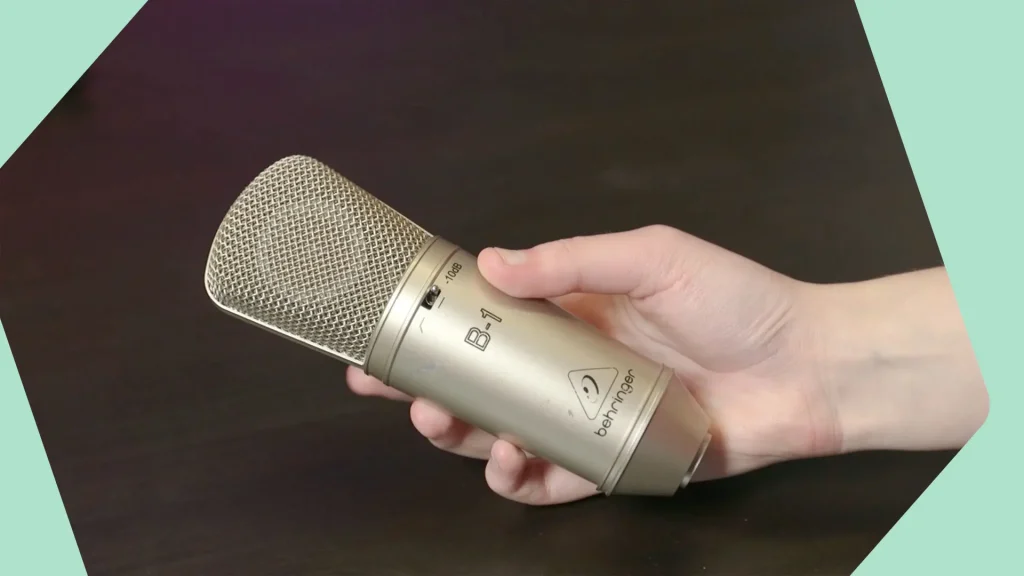
Behringer condenser microphones are built for basic studio recording. Models like the Behringer C-1 and Behringer B-1 are commonly used for vocals, voiceovers, and simple home studio setups. They capture more detail than dynamic mics, which makes them suitable for:
- Vocal recording
- Acoustic instruments
- Basic studio work
In real use, they perform best in quieter environments. Because they’re sensitive, they will pick up room noise and echo if your space isn’t controlled. They also require phantom power, so you’ll need an audio interface or mixer.
Dynamic Microphones
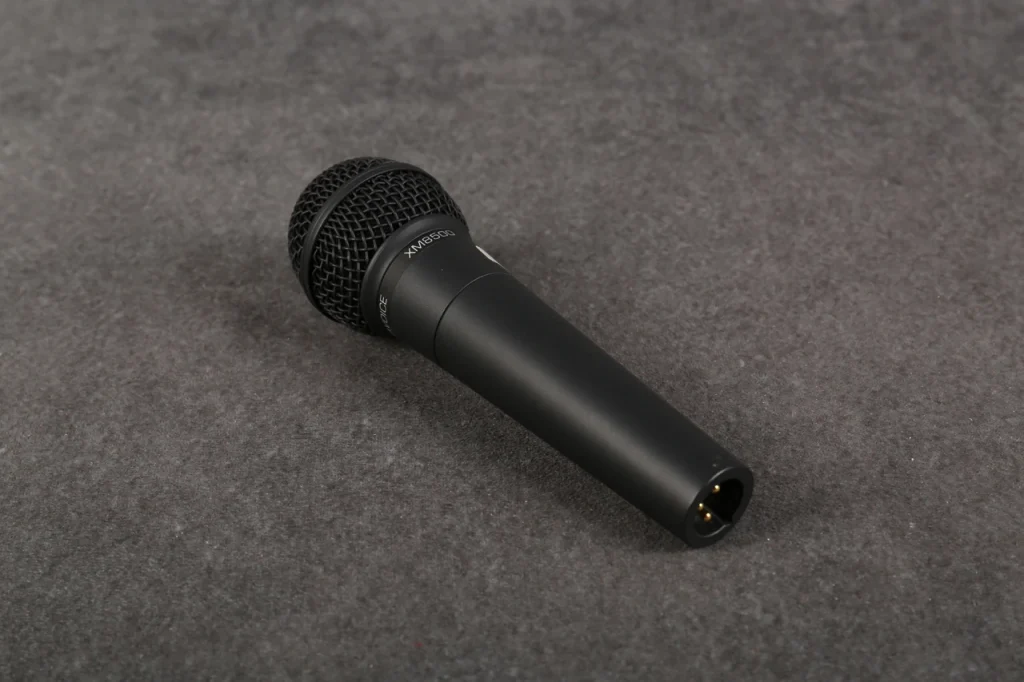
Dynamic microphones are where Behringer often delivers the most value. A model like the Behringer XM8500 is widely known as a budget-friendly option for live vocals and general use. These microphones are:
- More durable
- Less sensitive to background noise
- Better suited for untreated rooms
They’re ideal for live performances, podcasting in noisy spaces, and general-purpose use where conditions aren’t perfect.
USB Microphones
Behringer also offers USB microphones designed for convenience. These are built for users who want to record without setting up an audio interface. They’re commonly used for:
- Streaming
- Video calls
- Basic content creation
Setup is simple, but flexibility is limited compared to XLR microphones.
Lavalier and Instrument Microphones
Behringer produces a range of niche microphones for specific use cases. These include lavalier mics for hands-free recording and instrument mics for drums and amplifiers. They’re designed for practical use rather than high-end performance, but they get the job done for entry-level setups.
Key Features to Look for in Behringer Microphones
Understanding the right features helps you get the most value from a budget microphone. With Behringer, the goal isn’t perfection; it’s getting reliable, usable audio for your setup.
Sound Quality and Tuning
Behringer microphones are tuned for practical use rather than precision. You’ll get clear, functional audio that works well for vocals, streaming, and basic recording. However, the sound may not feel as refined or polished as higher-end brands straight out of the box.
In real use, a bit of EQ and compression often helps shape the final result. This isn’t a drawback; it’s part of working with budget gear. As long as the base signal is clean, you can improve it significantly in post.
Noise Handling
Noise handling varies depending on the type of microphone. Dynamic models like the Behringer XM8500 do a better job of rejecting background noise, which makes them more reliable in untreated or noisy environments.
Condenser microphones, on the other hand, are more sensitive. They capture more detail, but also more room noise. If your space isn’t controlled, this can quickly affect clarity. Choosing the right type based on your environment is more important than chasing better specs.
Build Quality
Behringer microphones are built to be functional and reliable for regular use. They won’t have the same weight or premium feel as higher-end microphones, but they’re durable enough for home recording, practice, and light live use. For heavy touring or professional studio work, you may want something more robust. For most entry-level setups, though, the build quality is more than sufficient.
Connectivity and Setup
Behringer offers both XLR and USB microphones, and your choice affects how you build your setup. XLR microphones give you more control over gain, processing, and upgrades. You can improve your setup over time by upgrading your interface or preamp.
USB microphones simplify everything. You plug them in and start recording, which makes them ideal for beginners or quick setups. The trade-off is flexibility. USB is easier, XLR is more expandable.
Value for Money
This is where Behringer stands out. You’re getting solid entry-level performance at a lower price point, which makes these microphones a practical starting point for most users. They’re especially useful if you’re learning, experimenting, or building your first setup. You can focus on technique and workflow before investing in more advanced gear.
Best Uses for Behringer Microphones
Behringer microphones work best when matched to realistic expectations and specific use cases.
Home Recording
For beginners, condenser microphones like the Behringer C-1 provide a straightforward entry into recording. They’re suitable for vocals, voiceovers, and basic instrument tracking in quiet environments. While they won’t deliver high-end studio polish, they produce a clean enough signal to work with.
Podcasting and Streaming
Dynamic microphones like the Behringer XM8500 often perform better in untreated rooms. They reduce background noise and keep your voice focused, which is critical for clarity. This makes them a practical choice for podcasting, streaming, and voice content where consistency matters more than detail.
Live Performances
Behringer dynamic microphones are commonly used for live vocals and rehearsals. They can handle high volume levels without distorting and offer reliable performance for budget setups. While they may not match premium stage microphones, they’re more than capable for small venues and practice sessions.
Practice and Learning Setups
One of the strongest use cases for Behringer microphones is learning. They allow you to experiment with mic placement, recording techniques, and basic audio processing without a large investment. This makes them ideal for beginners who want to understand how audio works before upgrading.
Common Mistakes When Choosing a Behringer Microphone
Most issues come from expectations rather than the microphone itself. With a budget-focused brand like Behringer, understanding limitations is what separates usable audio from frustrating results.
Expecting High-End Studio Quality
Behringer microphones are built to deliver functional, entry-level performance. They can sound clean and usable, but they’re not tuned to deliver polished, studio-ready audio straight out of the box. If you’re expecting the same depth, warmth, or refinement you’d get from higher-end microphones, you’ll likely feel underwhelmed.
In real use, these microphones benefit from basic processing. A bit of EQ, compression, and proper gain can noticeably improve the final sound. Think of them as a solid foundation rather than a finished product.
Choosing the Wrong Type for Your Environment
A condenser mic in a noisy or reflective room will pick up everything, not just your voice. That includes echo, fan noise, traffic, and even subtle room reflections. This often leads to recordings that sound distant or messy, even if the microphone itself is working properly.
If your space isn’t treated, a dynamic microphone is usually the better choice. It focuses more on your voice and rejects more background noise, which results in cleaner and more controlled audio.
Ignoring Setup and Signal Chain
Even budget microphones depend heavily on the rest of your setup. If your gain is too low, your audio will sound weak and noisy when boosted. If it’s too high, you’ll introduce distortion. Low-quality cables or a weak interface can also add unwanted noise or reduce clarity.
Your signal chain matters:
- Microphone
- Cable
- Audio interface or input device
- Recording settings
If one part is off, the entire result suffers. Fixing your setup often improves the sound more than upgrading your microphone.
Overlooking Mic Technique
Mic technique is one of the easiest ways to improve audio, but it’s often ignored. Distance affects tone and presence. Being too far away makes your voice sound thin and distant. Being too close can exaggerate bass and introduce plosives.
Angle also plays a role. Speaking slightly off-axis can reduce harsh sounds and improve clarity. Small adjustments, like moving a few inches closer or repositioning the mic, can make a noticeable difference without changing your gear.
Expecting One Mic to Do Everything
No single microphone performs equally well across all use cases. A condenser mic might work well for vocals, but struggles in a noisy environment. A dynamic mic might handle streaming well, but lack detail for studio recording.
Trying to use one mic for vocals, streaming, instruments, and live use usually leads to compromises in sound quality. It’s more effective to choose a microphone based on your primary use case and optimize for that scenario.
How to Choose the Right Behringer Microphone
Start with Your Primary Use Case
Think about how you’ll use the microphone most of the time. If you’re recording vocals or voiceovers in a quiet space, a condenser mic will give you more detail and clarity. If you’re dealing with background noise, streaming, or live environments, a dynamic mic will give you better control and cleaner results.
Consider Your Setup and Budget
Your setup determines how much flexibility you have. If you want something quick and simple, a USB microphone lets you start recording immediately. If you’re willing to invest in an interface and build a setup over time, an XLR microphone gives you more control over your sound.
Budget matters too, but it’s better to balance your spending across your entire setup rather than focusing only on the microphone.
Match Expectations to Use Case
Behringer microphones perform best when used within their intended range. If you expect them to handle professional studio work without proper setup or processing, you’ll run into limitations. But if you match the microphone to your needs and environment, it can deliver surprisingly solid results.
The goal isn’t perfection. It’s getting clean, reliable audio that fits your setup and improves over time as you refine your technique.
Behringer vs Other Brands
Audio-Technica vs Behringer
Audio-Technica offers more refined sound quality and consistency, especially for studio recording. Behringer focuses more on affordability and accessibility. If budget is your priority, Behringer is a strong starting point. If you want a more polished sound, Audio-Technica is the better option.
AKG vs Behringer
AKG leans toward studio-quality sound and balanced performance, while Behringer focuses on entry-level usability. AKG is better suited for more serious recording setups, while Behringer works well for beginners and casual use.
Shure vs Behringer
Shure microphones are known for durability and professional live performance. Compared to Behringer, they offer stronger build quality and reliability. Behringer, however, provides a more budget-friendly entry point for users just getting started.
Final Thoughts
Behringer microphones aren’t about premium performance. They’re about accessibility and practicality. If you match the microphone to your setup, understand its limitations, and set it up correctly, you can get solid results without spending a lot.