How to Create Immersive Soundscapes with Binaural Audio
Table of Contents
Close your eyes, put on a good pair of headphones, and suddenly you’re not just listening to sound. You’re inside it. Footsteps pass behind you. A whisper brushes your left ear. Rain seems to fall all around, not just from a speaker in front of you.
That’s the magic of binaural audio, and when it’s done right, it can turn ordinary recordings into deeply immersive soundscapes. Whether you’re working on music, podcasts, ASMR, games, or experimental audio art, binaural techniques let you create experiences that feel strikingly real.
Here’s how to do it, from the basics to practical recording and mixing tips.
What Makes Binaural Audio Different?
Binaural audio works by mimicking how humans naturally hear sound. Instead of recording audio in stereo and panning left or right, binaural recording captures sound the way it reaches each ear, including subtle timing differences and frequency changes caused by the shape of the head and ears.
When played back through headphones, the brain interprets these cues as three-dimensional space. The result is depth, distance, and direction that standard stereo simply can’t match.
Essential Gear for Binaural Soundscapes
You don’t need a massive studio to get started, but your tools matter.
Binaural Microphones
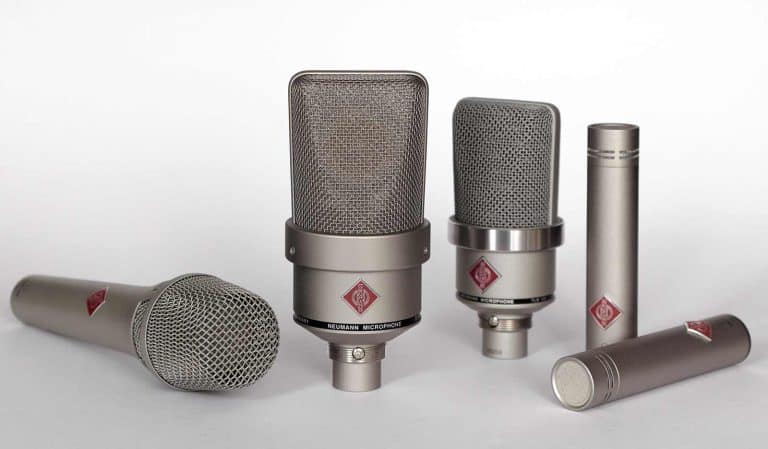
These are typically shaped like human ears or designed to be worn on the head. They capture sound exactly as a listener would hear it in real life.
Options range from professional dummy-head microphones to compact in-ear models that plug directly into portable recorders.
Headphones
Closed-back headphones are crucial, not just for listening, but for monitoring your recordings. Since binaural audio is headphone-dependent, speakers won’t give you an accurate sense of the final experience.
Portable Recorder or Audio Interface
A clean, low-noise recorder helps preserve subtle spatial details. Many binaural creators work outdoors or on location, so portability is often more important than studio features.
Choosing the Right Environment
Soundscapes live or die by their environment. Quiet spaces let subtle details shine, while busy environments create layered, dynamic scenes. Forests, cafes, city streets, empty rooms, and stairwells all offer different spatial qualities.
Before recording, pause and listen. Ask yourself:
- Where is the sound coming from?
- How far away is it?
- How does it move through space?
This awareness directly translates into more convincing binaural recordings.
Recording Techniques That Feel Real
Binaural audio rewards intentional movement and positioning.
Let Sound Move Naturally
Instead of forcing effects later, capture motion during recording. Walk slowly, turn your head, or allow objects to pass around you. These real-world movements create authentic spatial transitions that plugins struggle to replicate.
Control Distance
Small changes in distance dramatically affect immersion. A sound recorded inches from the microphone feels intimate. The same sound recorded several feet away feels ambient and spacious.
Record Longer Takes
Soundscapes benefit from time. Longer recordings allow listeners to settle into the environment and notice subtle changes: wind shifts, background noise, or distant movement.
Editing Without Killing the Space
Post-production is where many binaural recordings lose their magic. Avoid aggressive processing. Heavy compression, stereo widening, or excessive EQ can flatten spatial cues. The goal is clarity, not polish.
Light noise reduction, gentle EQ adjustments, and volume balancing usually go a long way. Always monitor with headphones and check how the sound feels, not just how it looks on a waveform.
Using Binaural Audio Creatively
Binaural soundscapes aren’t just for realism. They’re powerful storytelling tools.
Creators use them for:
- Meditation and relaxation audio
- Horror and suspense experiences
- Interactive storytelling and games
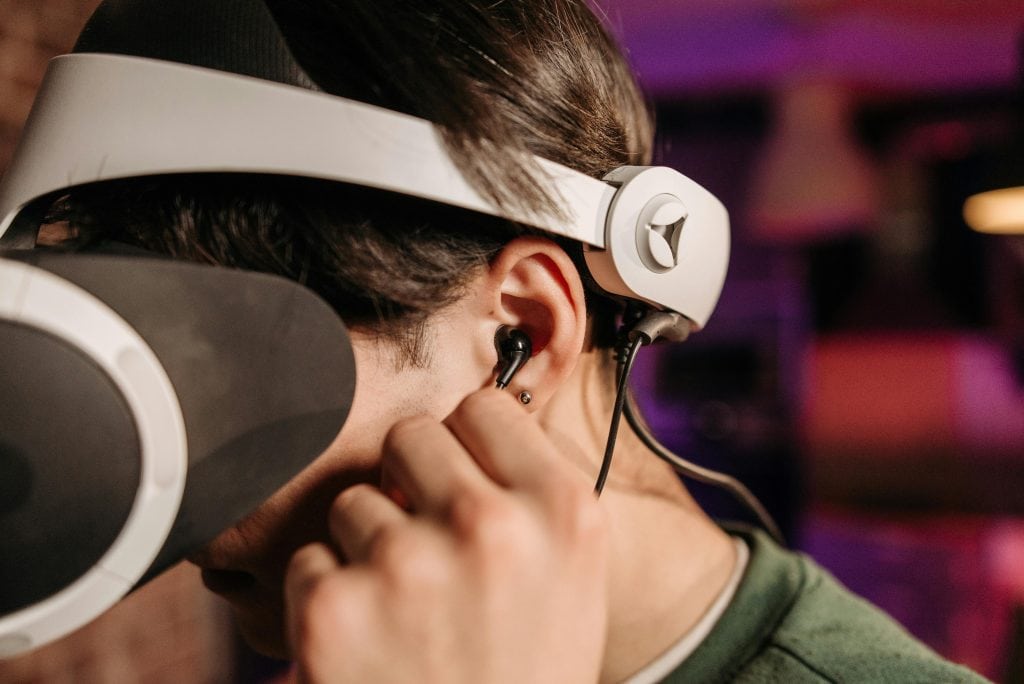
- Virtual reality and augmented reality projects
By guiding sound movement intentionally, you can lead a listener’s attention without a single visual cue.
Common Mistakes to Avoid
Many beginners stumble in the same places:
- Recording too loudly and clipping subtle details
- Editing on speakers instead of headphones
- Overusing artificial spatial effects
- Ignoring background noise during recording
Binaural audio thrives on restraint. The more natural it feels, the more immersive it becomes.
Why Binaural Audio Keeps Growing
As headphones become the default way people consume audio, on phones, laptops, and VR headsets, binaural soundscapes make more sense than ever.
They don’t just deliver sound. They create presence. And once listeners experience true spatial audio, it’s hard to go back to flat, left-right sound again.