
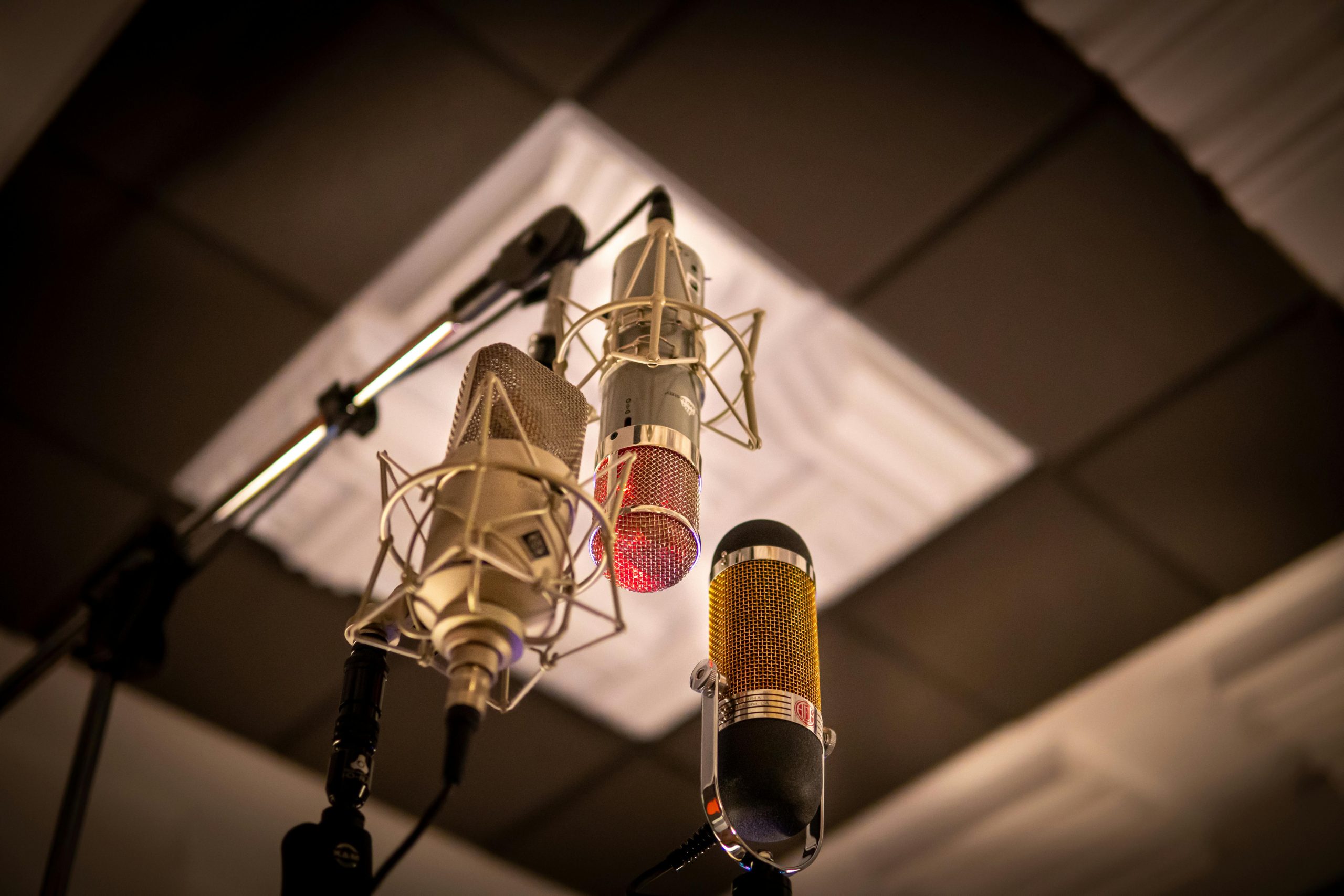
Music recording microphones are the foundation of any recording setup. Whether you are capturing vocals, instruments, or full arrangements, the microphone you use shapes how your sound is translated into a recording. Every recording starts at the source. If the microphone does not capture your sound accurately, no amount of mixing or editing will fully fix it.
This guide is your central hub for music recording microphones. It explains the different types, how to choose the right mic for your setup, and how to get the best results when recording. From here, you can also explore our full guide to the best recording microphones for different styles and budgets.
What Is a Music Recording Microphone?
A music recording microphone is designed to capture sound sources with clarity, balance, and detail. This can include vocals, acoustic instruments, amplifiers, or ambient sound. Unlike microphones built for a single purpose, recording microphones need to handle a wide range of frequencies and dynamics. They must accurately translate subtle nuances as well as louder, more complex sounds.
They’re commonly used for:
- Vocal recording
- Instrument tracking
- Studio production
- Home recording setups
The goal is to capture a clean, usable signal that can be shaped and mixed into a final track.
Why Microphone Quality Matters for Music Recording
The microphone is the first link in your recording chain. What it captures becomes the foundation of your entire track, so any issues at this stage carry through to mixing and mastering.
Accuracy and Detail
A quality microphone captures the true character of your sound source without masking or exaggerating it. This includes subtle dynamics, tonal balance, and articulation that give a performance its identity. When recording vocals or instruments, these small details add depth and realism. They also become more important as you layer multiple tracks, where clarity helps each element sit properly in the mix.
Mixing and Production
Starting with clean, well-balanced recordings makes the entire production process easier. You can focus on shaping the sound creatively instead of correcting problems like noise, harsh frequencies, or uneven levels.
Poor recordings often need heavy EQ, compression, or noise reduction, which can degrade the final result. A good microphone reduces the need for corrective processing and preserves the quality of your audio.
Consistency Across Tracks
Recording music often involves multiple takes, overdubs, and layered parts. A reliable microphone ensures that your sound remains consistent across sessions. This consistency makes editing smoother and helps tracks blend naturally. It also saves time, since you are not constantly adjusting levels or tone to match previous recordings.
Types of Music Recording Microphones
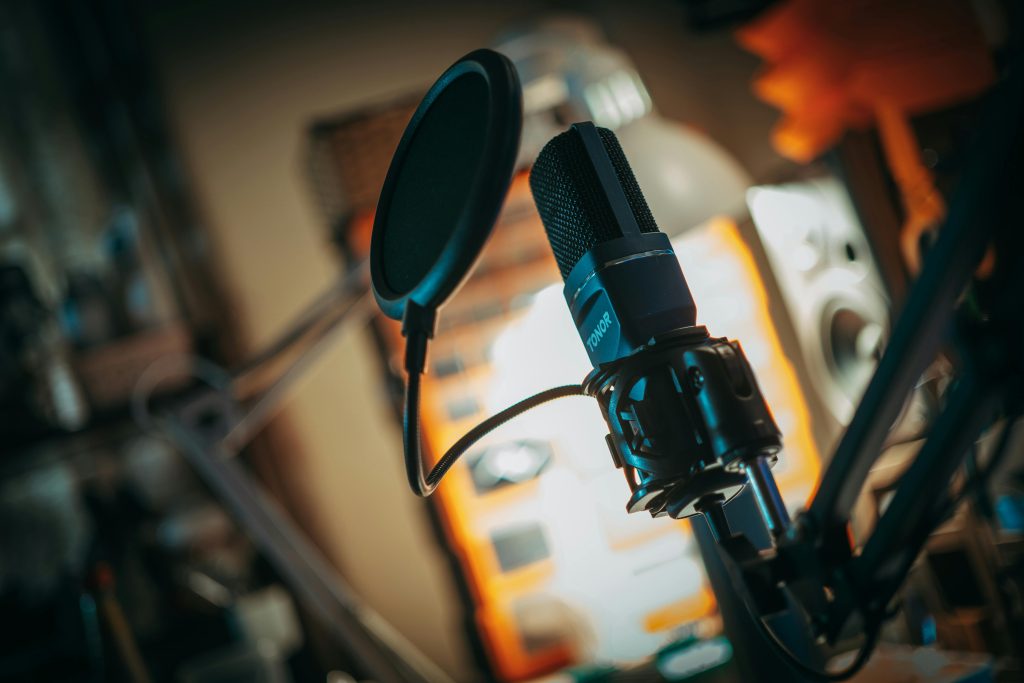
Different types of microphones are suited to different recording situations. Choosing the right one depends on what you are recording and where.
Dynamic Microphones
Dynamic microphones are durable and handle high sound pressure levels well. They’re commonly used for recording loud sources such as guitar amps and drums. They’re also less sensitive to background noise, making them useful in untreated spaces. Brands like Shure are widely used for dynamic recording microphones.
Condenser Microphones
Condenser microphones are the most common choice for studio recording. They capture more detail and a wider frequency range. They’re ideal for vocals, acoustic instruments, and situations where clarity and nuance are important. Manufacturers such as AKG and Audio-Technica offer a wide range of condenser mics.
USB Microphones
USB microphones are used in simple recording setups. They connect directly to a computer and are often used for demos or home recording. While convenient, they offer less flexibility than traditional studio setups.
XLR Microphones
XLR microphones are standard in professional recording. They connect to audio interfaces and allow for greater control over sound quality. They’re used in both home studios and professional environments.
Key Features to Look for in a Music Recording Microphone
Choosing the right microphone involves understanding how it performs with your specific sound source and recording setup. Small differences in features can have a noticeable impact on how your recordings turn out.
Frequency Response
Frequency response determines how a microphone captures the full range of sound, from low bass to high treble. A well-balanced response helps your recordings sound natural and true to the original source.
Some microphones are designed with subtle boosts in certain frequencies. For example, a slight lift in the high end can add clarity to vocals, while a fuller low end can enhance instruments like acoustic guitar. Matching the response to your use case helps you get a better sound from the start.
Dynamic Range
Music is rarely static. It moves between soft and loud passages, sometimes within the same performance. A microphone with a strong dynamic range can handle these shifts without distortion or loss of detail. This is especially important for expressive recordings such as vocals, piano, or acoustic instruments, where capturing both quiet nuances and louder peaks is essential.
Sensitivity
Sensitivity affects how much detail your microphone can pick up. Higher sensitivity allows the mic to capture subtle textures, breath, and tonal variations that add depth to a recording. However, more sensitive microphones can also pick up unwanted noise from the room. In untreated spaces, it is important to find a balance between detail and control to avoid noisy recordings.
Build Quality
Recording microphones are long-term tools, so reliability matters. A well-built microphone maintains consistent performance over time and can handle regular use without issues. Solid construction, quality components, and stable mounting options all contribute to better durability. This is particularly important in studio environments where equipment is used frequently and needs to perform consistently.
USB vs XLR for Music Recording
Your choice between USB and XLR depends on your setup and goals. USB microphones are convenient for quick setups, while XLR microphones provide better flexibility and scalability.
Choose USB if:
- You need a simple recording solution
- You’re working on demos or basic tracks
- You want minimal setup
Choose XLR if:
- You want higher audio quality
- You’re producing music seriously
- You need more control over your recordings
Best Music Recording Microphone Setup
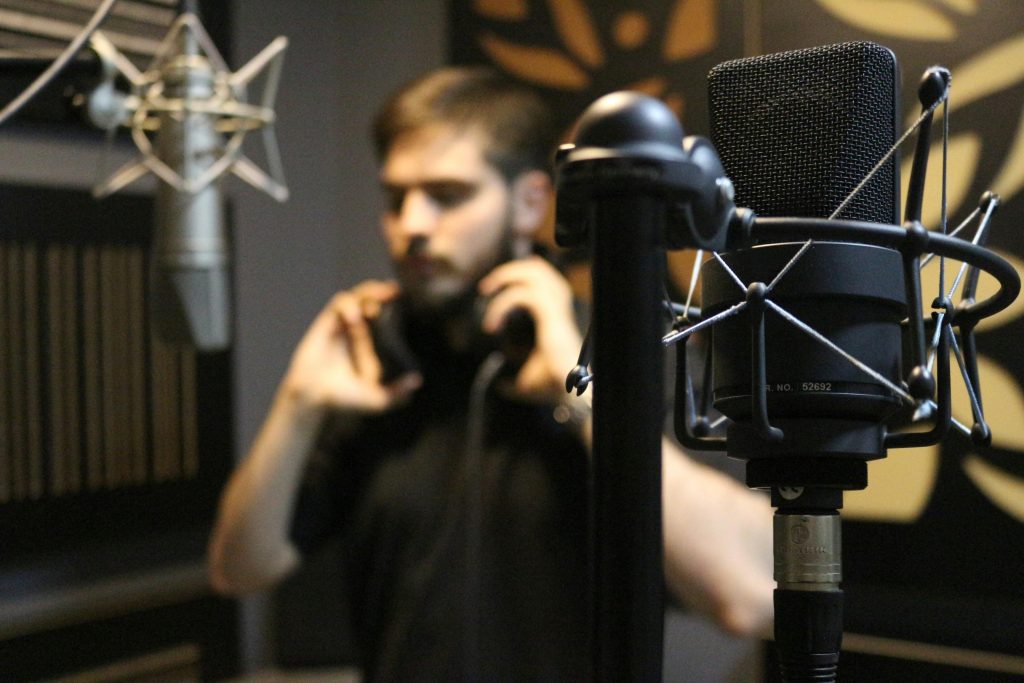
A well-structured setup ensures you get the best possible results from your microphone.
Essential Gear
- Microphone
- Stand or mount
- Pop filter or windscreen
- Headphones for monitoring
- Audio interface for XLR setups
These components help maintain consistent positioning, reduce unwanted noise, and allow accurate monitoring.
Mic Placement
Placement depends on what you are recording. Vocals typically require close positioning, while instruments may need more space to capture their full sound. Experimenting with placement can significantly change your recording quality without changing your equipment.
Recording Environment
Your recording space affects how sound is captured. Reflections from walls and surfaces can alter tone and clarity. Using basic acoustic treatment or choosing a quieter space helps produce cleaner recordings.
Common Music Recording Microphone Mistakes
Many recording issues come from setup and technique rather than the microphone itself. Fixing these common mistakes can dramatically improve your recordings without changing your gear.
Poor Placement
Microphone placement has a direct impact on tone and balance. Positioning the mic incorrectly can make a source sound thin, boomy, or uneven.
For vocals, being too close can exaggerate low frequencies, while being too far away introduces room sound. For instruments, small changes in angle and distance can completely alter how they are captured. Taking time to experiment with placement often leads to better results than switching microphones.
Incorrect Levels
Gain staging is critical in recording. If your levels are too high, peaks will clip and distort, which cannot be repaired later. If they’re too low, you’ll need to boost the signal in mixing, which also raises noise. Setting proper levels ensures your recordings stay clean, with enough headroom to handle louder moments without distortion.
Ignoring Environment
Your recording space shapes how sound is captured. Hard surfaces reflect sound, creating unwanted reverb and coloration. Background noise from fans, traffic, or electronics can also bleed into recordings. Even basic adjustments like reducing noise sources or adding soft materials can improve clarity and reduce unwanted reflections.
No Monitoring
Recording without monitoring means you are not hearing what the microphone is actually capturing. Problems like clipping, noise, or tonal imbalance can go unnoticed until after the session Using headphones or monitors during recording allows you to catch issues early and make adjustments in real time, saving time and improving overall quality.
How to Improve Music Recordings Without Upgrading Your Mic
Before investing in new gear, optimize your current setup.
- Adjust microphone placement
- Improve your recording environment
- Set proper gain levels
- Use basic audio processing
These steps can greatly improve your recordings.
Who Needs Which Type of Music Recording Microphone?
Different users have different requirements depending on their workflow, recording goals, and level of control needed.
Beginners
If you are just starting out, simplicity and accessibility are key. USB microphones are a practical choice for basic recording, songwriting demos, and learning the fundamentals of audio. They allow you to record quickly without extra equipment, which helps you focus on performance and creativity rather than setup. While they have limitations, they are more than capable of producing clean results for early-stage projects.
Intermediate Users
As your recordings become more serious, sound quality and control start to matter more. Moving to an entry-level XLR setup gives you access to better microphones and the ability to fine-tune your signal through an audio interface.
This setup is ideal for home studios where you want more consistent results across vocals and instruments. It also gives you room to grow without completely overhauling your setup later.
Professionals
For professional music production, precision and consistency are essential. High-end XLR microphones, combined with quality preamps, interfaces, and proper acoustic treatment, deliver the most accurate recordings.
These setups are designed for studio environments where every detail matters. They provide full control over the recording chain, allowing you to capture polished, industry-level audio across all types of projects.
Final Thoughts
Music recording microphones are essential for capturing sound accurately and effectively. The right microphone depends on your recording goals, environment, and sound sources. Focus on clarity, consistency, and proper setup. With the right approach, you can achieve high-quality recordings at any level.