
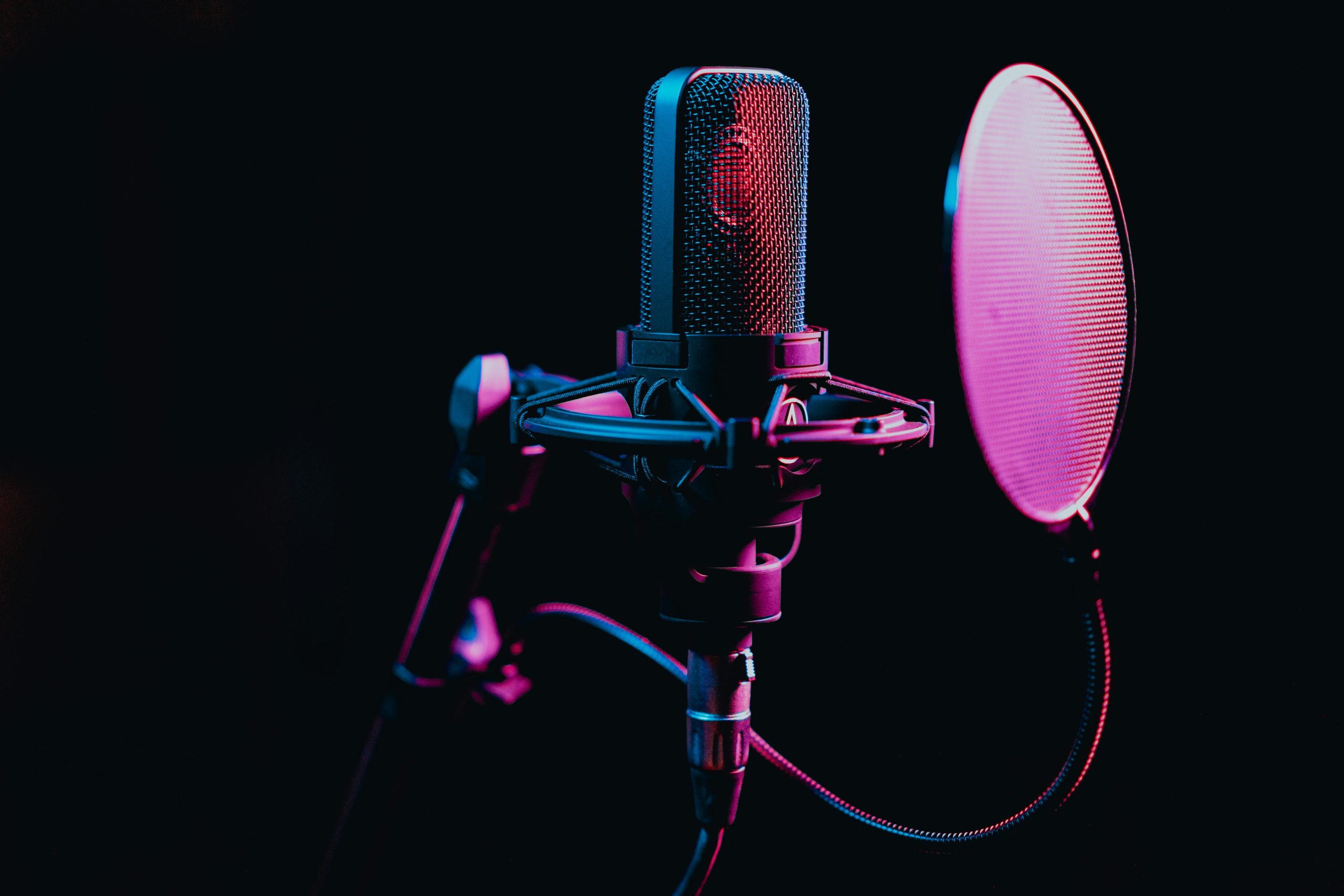
If you’ve ever heard crisp vocals, clean acoustic recordings, or polished voiceovers, there’s a good chance a condenser mic was involved. They’re widely used in studios because they pick up nuance that other microphones often miss. That sensitivity is both a strength and a weakness. In the right environment, condenser microphones sound clear and professional. In the wrong environment, they can pick up every unwanted noise in the room.
This guide breaks everything down. You’ll learn how condenser microphones work, when to use them, what features matter, and how to get the best results from your setup. If you’re looking for specific recommendations, check our guide to the best condenser microphones once you finish here.
What Is a Condenser Microphone?
A condenser microphone uses a charged diaphragm and backplate to capture sound. When sound waves hit the diaphragm, it moves and creates an electrical signal that represents your audio. Because of this design, condenser microphones are more sensitive than dynamic microphones. They capture more detail, including subtle vocal tones and high-frequency clarity.
Most condenser microphones require phantom power, usually supplied by an audio interface or mixer. Without it, they won’t function.
Why Condenser Microphones Are Popular
Condenser microphones are widely used because of how accurately they capture sound. They tend to produce:
- Clear, detailed audio
- Strong high-frequency response
- Natural vocal reproduction
- Better performance for subtle sounds
This makes them ideal for studio recording, voice work, and controlled environments where audio quality is the priority.
Who Should Use a Condenser Microphone?
Condenser microphones are best suited for situations where detail and clarity matter more than noise rejection.
Vocalists and Musicians
Condenser mics are a go-to choice for recording vocals and acoustic instruments. They capture subtle dynamics and tonal variations that help recordings sound more natural and expressive. In a controlled environment, this level of detail can make a noticeable difference in the final mix.
Podcasters and Voiceover Artists
If you’re recording in a quiet, treated space, a condenser mic can elevate your voice quality. It captures nuance and clarity that make spoken content sound more polished. However, in untreated rooms, that same sensitivity can work against you by picking up unwanted noise.
YouTubers and Content Creators
For voiceovers, tutorials, and studio-based content, condenser microphones provide clean, professional sound. They work best when you can control your recording environment and maintain consistent positioning.
Condenser vs Dynamic Microphones
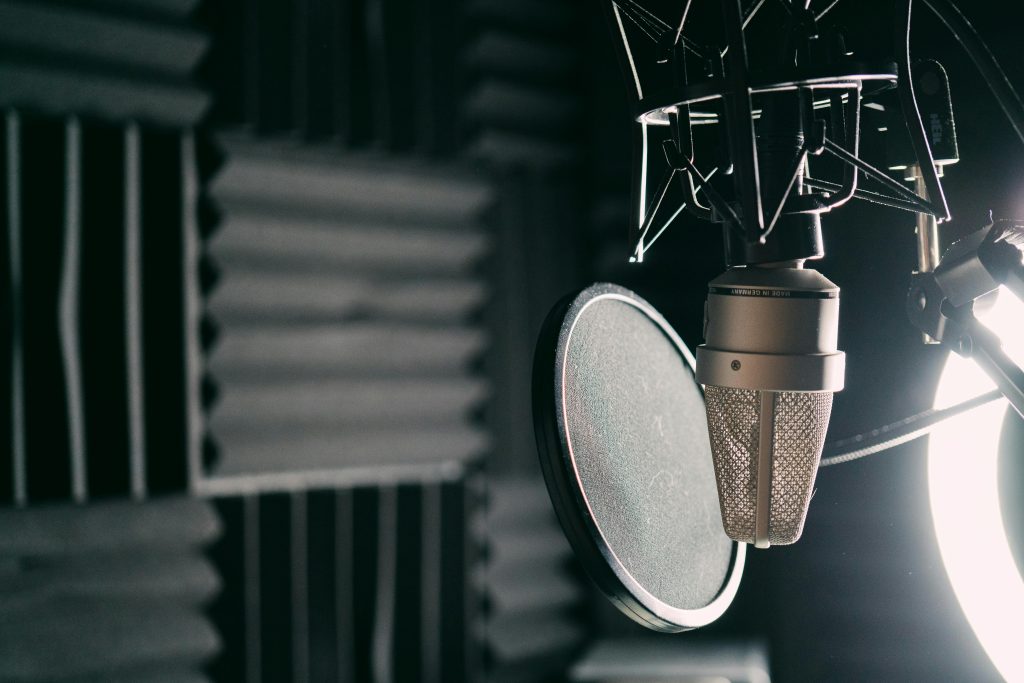
This is one of the most common comparisons, and it’s where a lot of people make the wrong choice. It’s not about which microphone is “better.” It’s about which one fits your environment and how you record.
Condenser Microphones
Condenser microphones are designed to pick up subtle detail. They capture high frequencies, vocal nuance, and small variations in tone that make recordings sound more polished and natural. That sensitivity is what makes them ideal for studio use. In a quiet, treated room, a condenser mic can make vocals sound clean, open, and professional. You’ll hear more depth and clarity compared to most dynamic mics.
The downside is that they don’t just capture your voice. They capture everything around you. Background noise, keyboard clicks, room echo, and even subtle movements can end up in your recording. If your space isn’t controlled, that extra detail can actually work against you.
Dynamic Microphones
Dynamic microphones are built to focus on what’s directly in front of them and ignore as much background noise as possible. They don’t pick up as much detail, but that’s often an advantage in real-world setups. If you’re recording in a room with noise, echo, or minimal treatment, a dynamic mic will usually give you a cleaner and more usable result. It naturally reduces unwanted sound, which means less work in editing.
They’re also more forgiving. You don’t need a perfectly treated space or precise positioning to get decent audio, which makes them popular for streaming, podcasting, and live use.
Key Features to Look for in a Condenser Microphone
Not all condenser microphones perform the same. On paper, many look similar, but small differences in design and tuning can have a noticeable impact on how your recordings sound. Understanding these features helps you choose a mic that actually fits your voice, your space, and how you record.
Polar Patterns
Most condenser microphones use a cardioid pattern, which focuses on sound from the front while reducing noise from the sides and rear. This makes it the safest and most versatile option for vocals, voiceovers, and general recording.
Some condenser mics offer multiple polar patterns, such as omnidirectional and bidirectional. These give you more flexibility depending on your setup. For example, omnidirectional can work for group recordings or capturing room sound, while bidirectional is useful for face-to-face interviews.
The key thing to understand is that different patterns don’t just change what the mic picks up. They change how your recording feels. A cardioid mic sounds more focused and direct, while omni captures more space and ambience.
Frequency Response
Frequency response shapes the tone of your recordings before you even start editing. Some condenser microphones boost higher frequencies slightly to add clarity and presence, which can make vocals sound more detailed and “forward.” Others aim for a flatter response, which captures sound more neutrally and gives you more control during post-processing.
This matters more than most people expect. A mic with too much high-end boost can sound harsh or sibilant, especially on certain voices. A more balanced mic may sound less exciting at first, but it’s often easier to work with over time. Choosing the right frequency response is about matching the mic to your voice or instrument, not just picking what sounds “brightest.”
Sensitivity and Self-Noise
Condenser microphones are known for their sensitivity, which is what allows them to capture detail. They respond to subtle changes in sound, which is great for vocals and acoustic recordings. The downside is that higher sensitivity also means more background noise. If your room isn’t well controlled, that detail can include things you don’t want in your recording.
Self-noise refers to the internal noise the microphone produces. In quiet recordings, especially voiceovers or soft vocals, high self-noise can become noticeable. A condenser mic with low self-noise will give you a cleaner signal and more usable audio without needing heavy noise reduction later.
Build Quality
Build quality affects more than durability. It also impacts consistency and usability. A well-built condenser microphone will feel solid, with reliable connectors and stable mounting options. This matters if you’re adjusting your setup regularly or using the mic for long sessions.
Compatibility with accessories is also important. Shock mounts help reduce vibrations from your desk or stand, while pop filters reduce plosives and harsh bursts of air. These aren’t just extras. They directly affect how clean and controlled your recordings sound. A strong build combined with the right accessories makes your setup more stable, which leads to more consistent audio over time.
Common Condenser Microphone Mistakes
Condenser microphones are powerful, but they’re easy to misuse. Most problems people run into aren’t caused by the mic itself. They come from how it’s set up and where it’s being used. Because condensers are so sensitive, small mistakes get amplified quickly.
Using Them in Noisy Rooms
Because condenser microphones pick up a lot of detail, they also pick up everything you don’t want. Background noise like fans, traffic, and keyboard clicks can become very noticeable. Room reflections are another issue. In untreated spaces, sound bounces off walls and surfaces, which makes your audio feel hollow or distant, even if your voice is clear.
This is why the environment matters so much with condenser mics. In a quiet, controlled space, they sound clean and professional. In a noisy or echo-heavy room, that same sensitivity works against you and makes recordings harder to fix.
Poor Gain Staging
Gain staging is one of the most overlooked issues, and it directly affects your audio quality. If your gain is too high, your microphone becomes overly sensitive. This can introduce noise and lead to distortion, especially during louder parts of your recording. Once audio clips, it’s very difficult to repair.
If your gain is too low, your recording will sound weak. Boosting it later in editing raises background noise along with your voice, which reduces overall clarity. The goal is a balanced signal. You want your voice to come through clearly with enough headroom to avoid clipping while keeping noise under control.
Bad Placement
Placement has a major impact on how a condenser microphone sounds. If the mic is too far away, it starts picking up more of the room than your voice. This makes your audio sound thin and less focused. If it’s too close, you can get excessive bass, harsh consonants, and uneven volume.
Angle matters as well. Speaking directly into the mic can increase plosives, while a slight off-axis position helps smooth out your sound. Getting placement right often improves your audio more than upgrading your microphone.
Ignoring Accessories
Accessories are not optional with condenser microphones. They’re part of the setup.
A pop filter helps reduce plosives, which are the harsh bursts of air from certain sounds that can distort your recording. A shock mount isolates the mic from vibrations caused by your desk, stand, or movement. Without it, small bumps or adjustments can be picked up in your audio.
A stable stand also matters. If your mic position keeps shifting, your audio will sound inconsistent from one recording to the next. Skipping these tools usually leads to avoidable issues that are much harder to fix after recording.
How to Set Up a Condenser Microphone Properly
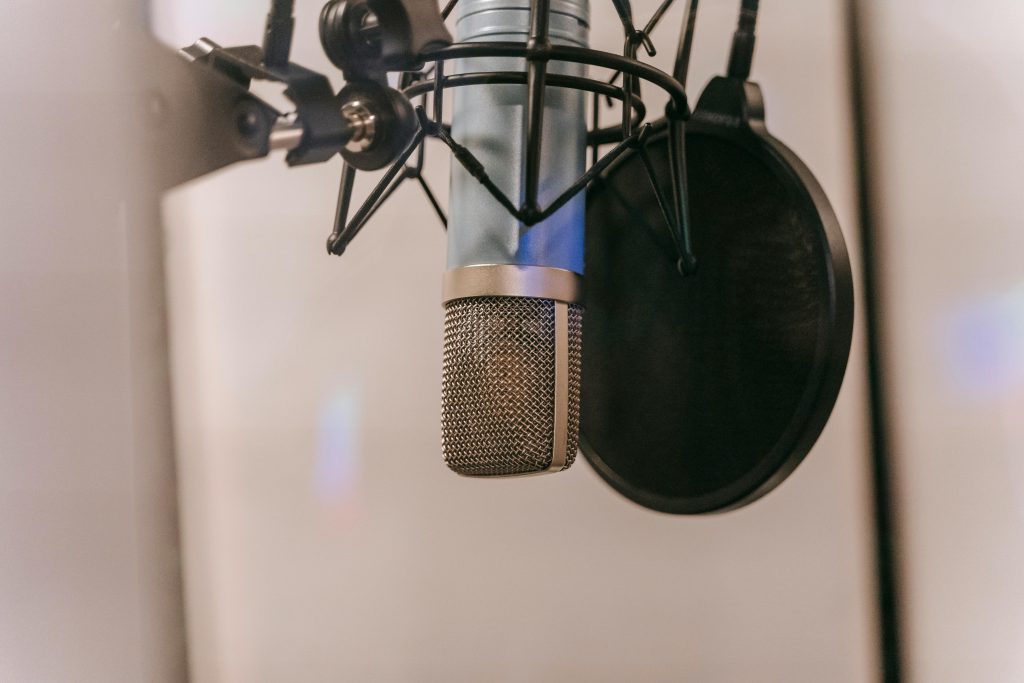
A proper setup ensures you get the most out of your microphone. Condenser mics are sensitive and detailed, which means they reward good technique but also expose mistakes. Getting your positioning, environment, and settings right will have a bigger impact than upgrading gear.
Positioning
Placement directly affects clarity and tone. Position the microphone slightly off-axis rather than speaking straight into it. This helps reduce plosives and harsh bursts of air while keeping your voice natural.
Distance matters just as much. Staying within a consistent range keeps your levels even and your tone stable. If you move too far away, your mic starts picking up more of the room. Too close, and your voice can sound overly bass-heavy or uneven. The key is consistency. Keeping your position stable throughout the recording prevents noticeable changes in volume and sound quality.
Environment Control
Your room plays a major role in how your condenser mic sounds. Because these microphones capture detail, they also capture reflections and background noise. Hard surfaces like walls, desks, and floors reflect sound back into the mic, which creates echo and makes recordings sound less focused. Adding soft materials like curtains, rugs, or furniture helps absorb those reflections and tighten up your audio.
You don’t need a full studio, but you do need control. Even small adjustments to your space can noticeably improve clarity.
Power and Connections
Condenser microphones require phantom power to operate. This is usually labeled as 48V on your audio interface or mixer. Before turning phantom power on, make sure your microphone is properly connected using an XLR cable and your gain is turned down. This prevents sudden signal spikes that could affect your equipment or recording. If phantom power isn’t enabled, the mic simply won’t capture sound, so this step is essential.
Setting Levels
Gain staging is critical for clean audio. Speak at your normal recording volume while adjusting your gain, not louder or softer than usual. You want a strong, consistent signal that stays below clipping.
If your levels are too high, your audio will distort. If they’re too low, boosting the signal later will introduce noise and reduce clarity. Take a moment to test your levels before recording. A clean signal at the source gives you much more flexibility during editing.
Software Setup
Your recording software needs to be configured to use your microphone or audio interface as the input device. This is a common issue, especially if your system defaults to a built-in mic. Tools like Audacity, Adobe Audition, and GarageBand allow you to monitor input levels, record clean audio, and make adjustments if needed.
Before starting your main recording, do a short test. Listen back with headphones and check for background noise, distortion, or uneven levels. Fixing these early ensures your final recording sounds clean and consistent without needing heavy correction later.
When Should You Use a Condenser Microphone?
Condenser microphones are the best choice when you need detail and clarity in a controlled environment. They work well when:
- You’re recording vocals or instruments
- You have a quiet or treated space
- You want a polished, professional sound
- You can control your recording conditions
If your environment is noisy or untreated, a different microphone type may perform better.
Final Thoughts
Condenser microphones are powerful tools for capturing detailed, high-quality audio. But they require the right setup and environment to perform at their best. If you understand how to use them properly, they can deliver studio-level results that elevate your recordings.