
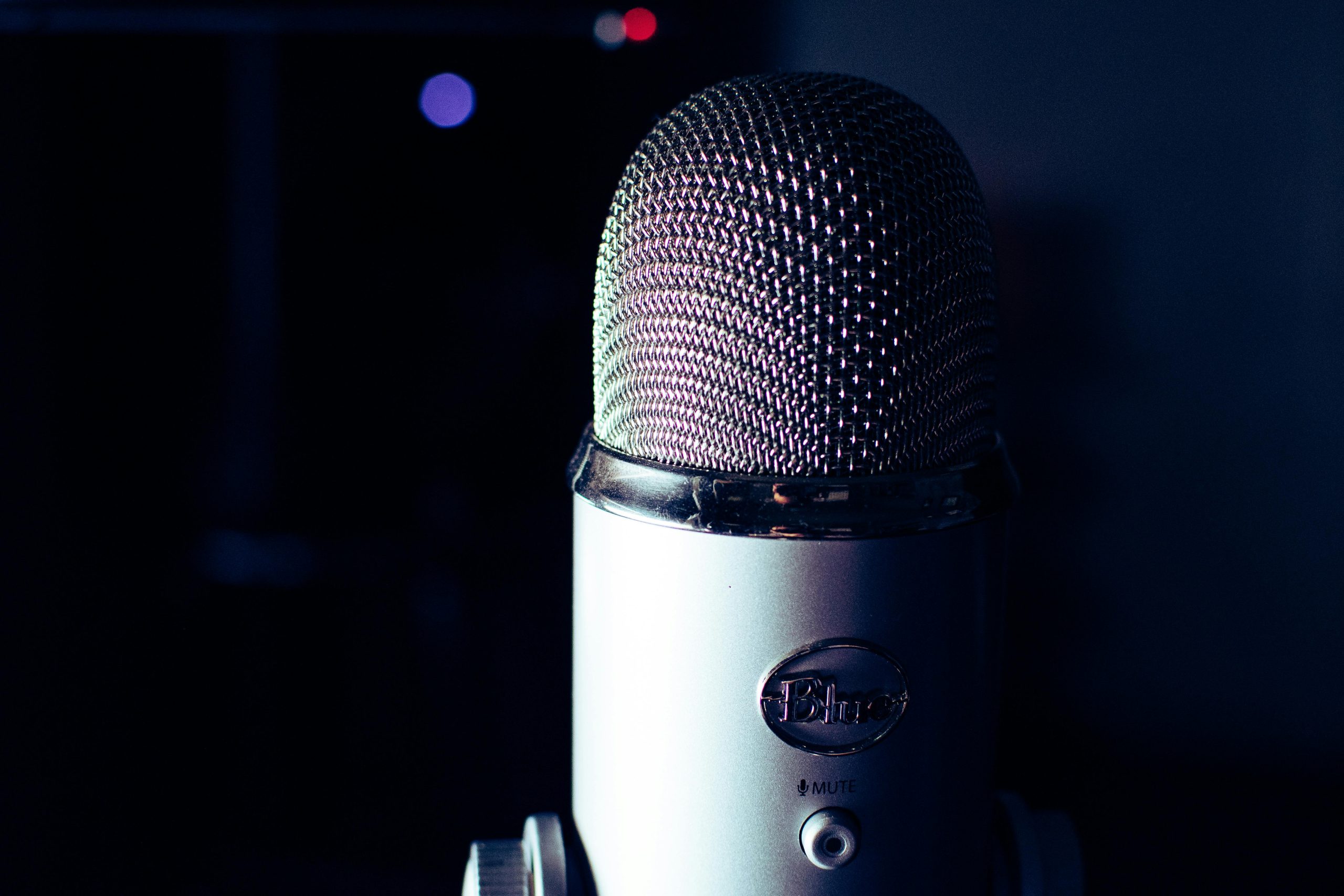
Blue Microphones built its reputation by making studio-style sound accessible to everyday creators. You’ll see them on desks, streaming setups, and home studios because they combine strong sound quality with simple usability.
This guide breaks down how Blue microphones perform in real-world setups. It covers the different types, key features, ideal use cases, and the mistakes that often hold people back from getting good audio.
What Are Blue Microphones Known For?
Blue Microphones focuses on creator-friendly design and recognizable sound. Unlike more traditional studio brands, Blue leans into ease of use. Their microphones are often plug-and-play, visually distinct, and tuned to sound good with minimal setup. In practice, they’re known for:
- Strong out-of-the-box sound for voice
- USB-focused designs that simplify recording
- Popularity among streamers, podcasters, and content creators
They don’t require much technical knowledge to get started, which is why they’re often recommended for beginners.
Types of Blue Microphones
Blue’s lineup is more focused than other brands, but each type serves a clear purpose.
USB Condenser Microphones
USB condenser microphones are the core of Blue’s lineup. Models like the Blue Yeti and Blue Snowball are designed for direct connection to your computer. These microphones are built to make recording simple. You plug them in, select them as your input, and start recording. They work well for:
- Podcasting
- Streaming
- Voiceovers
- General content creation
The sound is typically tuned for voice, with a slight emphasis on clarity. However, because they’re condenser mics, they’ll also pick up room noise if your environment isn’t controlled.
XLR Condenser Microphones
Blue also offers XLR microphones like the Blue Bluebird SL, which are aimed at more traditional recording setups. These microphones provide more control and flexibility compared to USB models. They’re better suited for:
- Studio recording
- Music production
- Advanced setups with audio interfaces
They require additional gear, but they allow you to build a higher-quality signal chain over time.
Specialty and Broadcast-Style Microphones
Some Blue microphones are designed specifically for voice-focused applications. These often feature multiple polar patterns or built-in controls for gain and monitoring, which help users adapt to different recording situations without needing extra equipment. They’re commonly used for:
- Multi-person podcasts
- Streaming setups with variable positioning
- Voice recording where flexibility is needed
Key Features to Look for in Blue Microphones
The best Blue microphones are designed to simplify recording, but understanding the core features still makes a difference.
Plug-and-Play Functionality
One of the biggest advantages of Blue microphones is how easy they are to use. USB models don’t require an interface or complex setup. This makes them ideal for users who want to focus on recording rather than configuring equipment. The trade-off is reduced flexibility compared to XLR setups.
Voice-Focused Sound Tuning
Blue microphones are often tuned to make voices sound clear and present. This works well for podcasting and streaming because it reduces the need for heavy EQ. However, it can sometimes emphasize certain frequencies depending on your voice, which may require minor adjustments.
Multiple Polar Patterns
Higher-end models like the Blue Yeti offer multiple polar patterns. This allows you to switch between:
- Cardioid for solo recording
- Omnidirectional for group recording
- Bidirectional for interviews
This flexibility is useful if your recording setup changes frequently.
Built-In Controls
Many Blue microphones include onboard controls for gain, headphone volume, and mute. This gives you quick adjustments without needing to rely on software, which is especially useful for streaming or live recording.
Build and Design
Blue microphones are known for their distinctive design. They’re sturdy enough for desk use and regular handling, though they’re not built for heavy touring. Their larger form factor also means placement and positioning matter more than with smaller microphones.
Best Uses for Blue Microphones
Blue microphones perform best in setups where simplicity and voice clarity are the priority. They’re designed to get you up and running quickly while still delivering solid, consistent audio.
Podcasting and Voice Recording
USB models like the Blue Yeti are widely used for podcasting because they deliver clear voice reproduction with minimal setup. In practice, they work best for solo recording or controlled environments where background noise is limited. The built-in gain controls and selectable polar patterns also give you enough flexibility to fine-tune your sound without needing extra gear.
For beginners, this removes a lot of friction. You can focus on content instead of troubleshooting your setup.
Streaming and Content Creation
For streamers and content creators, ease of use is critical. Blue microphones allow you to set up quickly and make adjustments on the fly using onboard controls. This is especially useful during live sessions where you can’t pause to fix technical issues.
They also provide a noticeable improvement over headset microphones, which helps your voice sound clearer and more professional. As long as your environment is reasonably controlled, they deliver consistent results for live content.
Remote Work and Video Calls
Blue microphones are also popular for professional communication. Compared to built-in laptop microphones, they offer better clarity, fuller voice tone, and more consistent volume. This can make a significant difference during meetings, presentations, and client calls.
Even in non-studio environments, a properly positioned USB mic can improve how clearly you’re heard, which is often more important than perfect audio quality.
Entry-Level Studio Recording
XLR models like the Blue Bluebird SL can be used for basic studio work. They offer more control over your sound and integrate better with audio interfaces and recording software. This makes them a step up from USB setups, especially if you want to experiment with mixing and processing.
While they won’t replace high-end studio microphones, they’re a solid option for users transitioning from casual recording to more structured setups.
Common Mistakes When Choosing a Blue Microphone
Most issues come from how the microphone is used rather than the microphone itself, even with a user-friendly brand like Blue Microphones.
Assuming Plug-and-Play Means Perfect Sound
USB microphones are easy to use, but they don’t automatically produce perfect audio. If your mic is placed too far away or your room has echo, your recordings will still suffer. Plug-and-play removes setup complexity, but it doesn’t remove the need for basic audio awareness.
Ignoring Room Acoustics
Blue microphones are sensitive, especially USB condenser models. Hard surfaces, empty walls, and background noise can quickly affect your recordings. This often results in echo or a “roomy” sound that’s difficult to fix later.
Simple adjustments like adding soft furnishings, recording closer to the mic, or changing your position can improve clarity without extra cost.
Using the Wrong Polar Pattern
If your microphone supports multiple patterns, choosing the wrong one can reduce clarity. For example, using an omnidirectional pattern in a noisy room will capture everything around you, not just your voice. For most solo setups, cardioid is the safest and most focused option.
Poor Mic Placement
Distance and angle directly affect how your voice is captured. Being too far reduces presence and detail. Being too close can introduce harshness and low-end buildup. Slightly angling the mic and maintaining a consistent distance usually produces a more balanced sound.
Expecting One Mic to Handle Every Scenario
Blue microphones are versatile, but they’re not designed to excel in every situation. A USB mic that works well for streaming may not be ideal for music production or multi-person recording. Matching the microphone to your main use case leads to better and more consistent results.
How to Choose the Right Blue Microphone
Start with Your Primary Use Case
If your focus is podcasting, streaming, or voice content, a USB microphone is usually the best starting point because of its simplicity. If you plan to record music or build a more advanced setup, an XLR microphone gives you more control and upgrade potential.
Consider Your Environment
Your recording space plays a major role in your final sound. If your room isn’t treated, you’ll need to rely more on mic placement and pattern selection to control noise. Even small environmental changes can make a noticeable difference.
Think About Flexibility
If your setup changes often, a microphone with multiple polar patterns gives you more options for different scenarios. If you prefer consistency and simplicity, a fixed cardioid microphone is easier to manage and usually performs more reliably in everyday use.
Blue Microphones vs Other Brands
Rode vs Blue Microphones
Rode offers a wider mix of USB and XLR options with a focus on long-term flexibility. Compared to Blue, Rode microphones often integrate better into scalable setups, while Blue prioritizes quick setup and ease of use.
Audio-Technica vs Blue Microphones
Audio-Technica leans toward neutral, studio-style sound. Blue microphones are more voice-focused and beginner-friendly, especially in USB form. If you want a more natural recording baseline, Audio-Technica stands out. If you want simplicity, Blue is easier to work with.
Shure vs Blue Microphones
Shure emphasizes durability and professional-grade performance, particularly for live and broadcast use. Blue microphones focus on accessibility and everyday usability, making them more suitable for casual and home-based setups.
Final Thoughts
Blue microphones are built for simplicity and accessibility. If you want clean, reliable voice audio without dealing with complex setups, they’re one of the easiest ways to get started. As long as you match the microphone to your environment and use it correctly, you can get strong results without overthinking the process.