
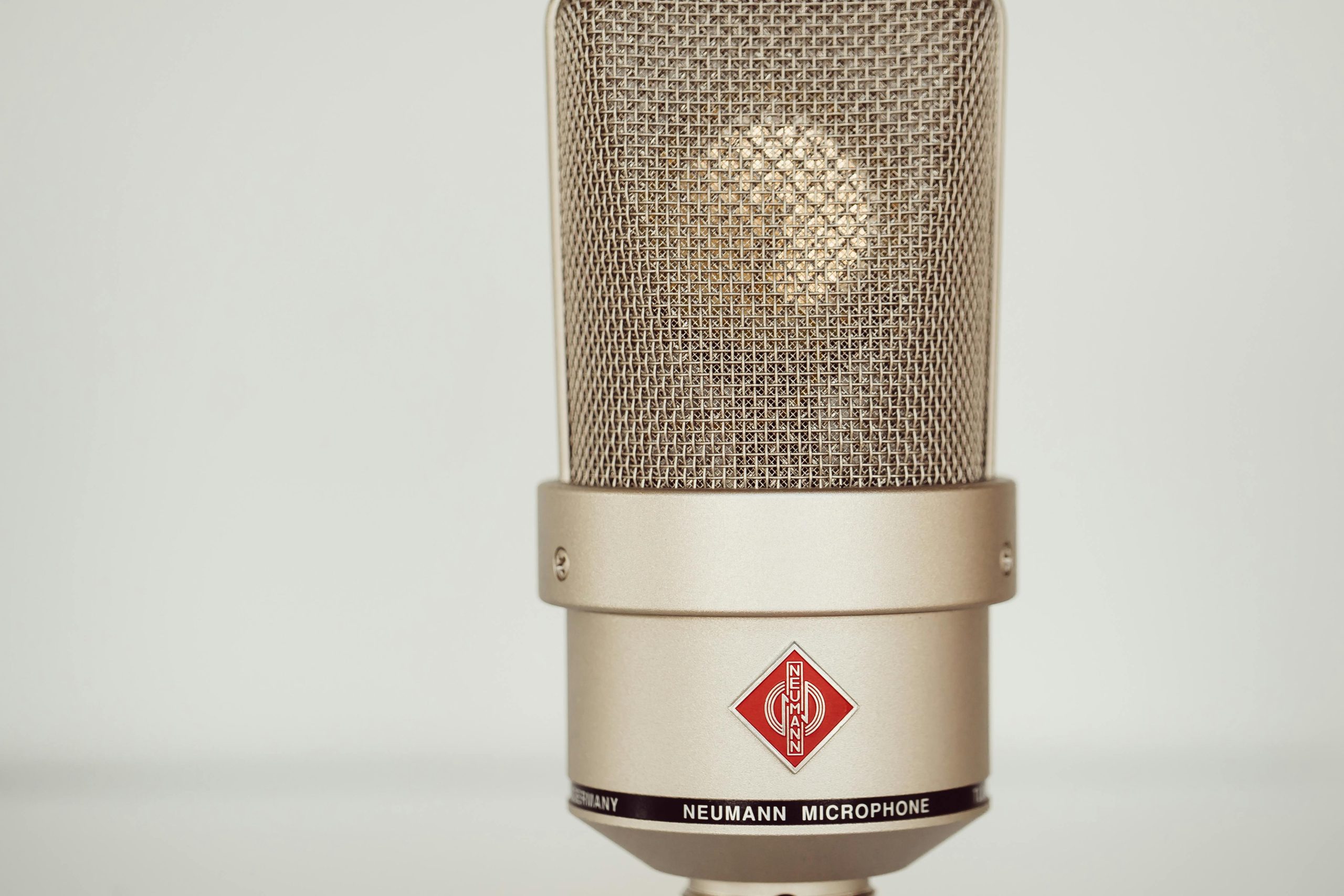
Neumann microphones sit at the top end of the recording world. They’re built for accuracy, depth, and consistency, which is why they’re found in professional studios, broadcast environments, and high-end production setups.
This guide breaks down how Neumann microphones perform in real use. It covers the different types, key features, ideal use cases, and the mistakes that often prevent users from getting the quality they expect.
What Are Neumann Microphones Known For?
Neumann is known for precision engineering and studio-grade sound. Unlike brands that prioritize accessibility or convenience, Neumann focuses on capturing audio as accurately as possible. Their microphones are designed to reproduce sound with minimal coloration, which gives engineers more control during mixing and mastering.
In practical terms, the best Neumann microphones are known for:
- Exceptional clarity and detail
- Consistent performance across recordings
- Industry-standard models used in professional studios
They’re not built for quick setups. They’re built for environments where sound quality is the priority.
Types of Neumann Microphones
Neumann’s lineup is focused on professional applications, but each type serves a distinct purpose.
Large-Diaphragm Condenser Microphones
This is where Neumann dominates. Models like the Neumann U87 Ai and Neumann TLM 103 are widely used for vocals, voiceovers, and studio recording. These condenser microphones are designed to capture:
- Vocal nuance and dynamics
- Subtle tonal variations
- Room characteristics in controlled environments
In real use, they deliver a polished, full sound that sits well in a mix without heavy processing. They do require a treated space and proper setup to reach their full potential.
Small-Diaphragm Condenser Microphones
Small-diaphragm models focus on precision and transient response. They’re often used for recording instruments such as acoustic guitar, piano, and orchestral recording. They capture fast changes in sound more accurately, which makes them ideal for detailed instrument work.
Broadcast and Voice Microphones
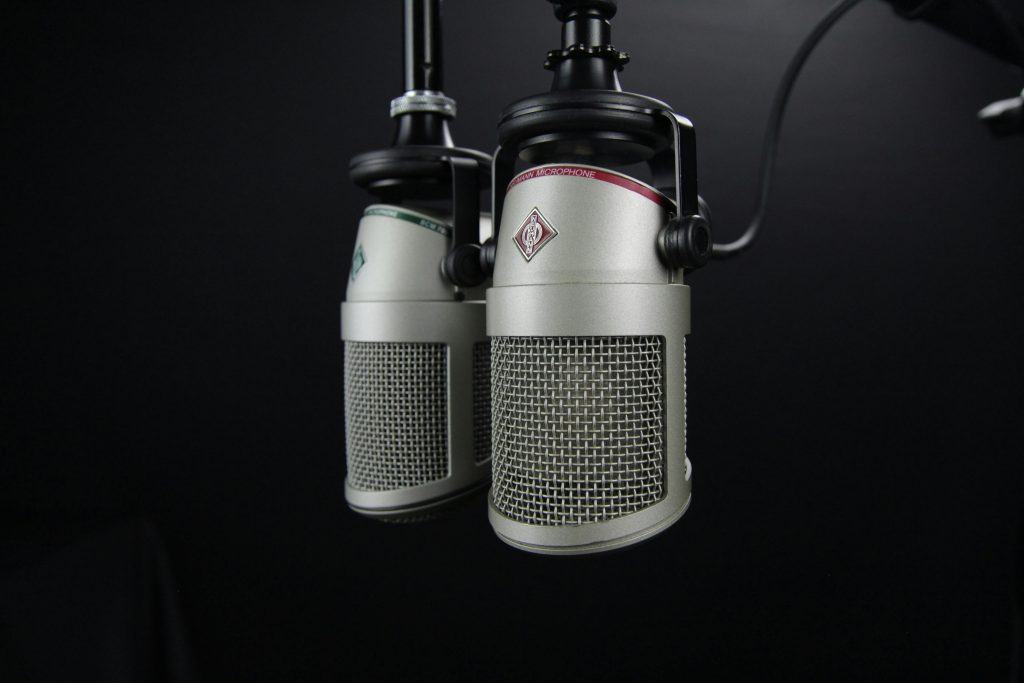
Neumann also produces microphones designed specifically for speech. These models are tuned for clarity and consistency in voice applications, making them popular in radio, podcasting, and voiceover studios. They prioritize intelligibility and tonal balance, which helps voices sound natural and controlled.
Key Features to Look for in Neumann Microphones
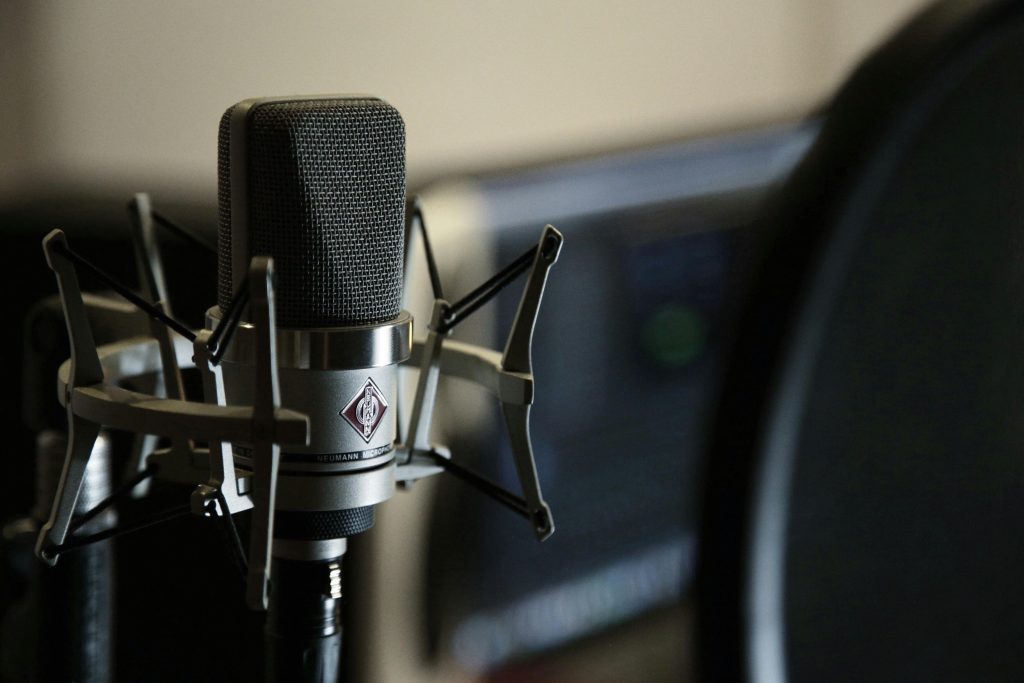
With Neumann microphones, features are less about convenience and more about performance.
Accurate Sound Reproduction
Neumann microphones are designed to capture sound as it is. This means you’re getting a true representation of the source without exaggerated frequencies. For professionals, this accuracy is critical because it allows more control during mixing.
Low Self-Noise
One of the standout features is extremely low self-noise. This allows you to record quiet sources without introducing unwanted hiss. It’s especially important for voiceover work and acoustic recordings where subtle details matter.
Multiple Polar Patterns
Many Neumann microphones offer selectable polar patterns. This allows you to adapt the microphone to different recording scenarios, whether you’re capturing a single voice, multiple sources, or room ambience.
Build Quality and Longevity
Neumann microphones are built to last. They’re designed for long-term use in professional environments, which means consistent performance over time. This reliability is one reason they remain industry standards.
Compatibility with Professional Setups
Neumann microphones are designed for XLR setups with high-quality interfaces and preamps. They’re not plug-and-play devices. They require proper gain staging and supporting equipment to perform at their best.
Best Uses for Neumann Microphones
Neumann microphones are built for specific environments where accuracy and consistency matter. They’re not designed to fix bad setups. They’re designed to reveal detail when everything else is dialed in.
Studio Vocal Recording
Large-diaphragm condensers like the Neumann U87 Ai are widely used for vocals because they capture more than just the voice. They pick up depth, subtle tonal shifts, and dynamic changes in a way that sits naturally in a mix. This is why they’re often used in professional music production and high-end vocal tracking.
In real sessions, they don’t just make vocals sound “better.” They make them easier to work with during mixing because the recording already contains the detail you need.
Voiceover and Broadcast Work
Neumann microphones are a common choice for voiceover artists and broadcasters because of their consistency. They deliver a natural vocal tone that doesn’t fluctuate between sessions, which is critical for professional work where continuity matters.
Whether you’re recording narration, ads, or long-form content, the mic maintains clarity without sounding exaggerated. This reliability reduces the need for heavy processing and helps maintain a polished, professional sound across different recordings.
Instrument Recording
For instruments, Neumann microphones are valued for how accurately they capture tone and transient detail. They don’t just record the sound. They capture how the sound behaves in the room, including subtle variations in dynamics and texture. This makes them ideal for:
- Acoustic guitar and piano
- String instruments and orchestral setups
- Detailed studio recordings where nuance matters
In these scenarios, the microphone becomes part of the performance, not just a recording tool.
Professional Studio Environments
Neumann microphones perform best in treated studios with controlled acoustics. They’re designed to work within a complete signal chain that includes high-quality preamps, interfaces, and proper gain staging. When everything is aligned, the result is a clean, detailed recording that holds up at a professional level. In less controlled environments, their sensitivity can actually highlight problems rather than hide them.
Common Mistakes When Choosing a Neumann Microphone
Most issues come from mismatched expectations rather than the microphone itself. Neumann microphones are precise tools, and they require the right conditions to perform at their best.
Using It in an Untreated Room
Neumann microphones are highly sensitive. If your room isn’t treated, they will capture reflections, echo, and background noise along with your voice or instrument. This often results in recordings that sound less focused, even though the microphone is doing exactly what it’s designed to do. In these cases, improving your room can have a bigger impact than upgrading your microphone.
Underestimating the Importance of the Signal Chain
A high-end microphone still depends on everything around it. If your interface, preamp, or cables aren’t up to standard, the final sound will suffer. Noise, distortion, or lack of clarity can all come from weak links in the chain. Neumann microphones are transparent enough to expose these issues, which is why supporting gear matters just as much.
Expecting Instant Results
Neumann microphones don’t automatically make recordings sound perfect. They capture detail, which means they also reveal imperfections in performance, environment, and setup. Without proper mic placement and gain control, the results can feel underwhelming. The quality comes from how you use the microphone, not just the microphone itself.
Choosing Based on Reputation Alone
Well-known models don’t fit every situation. A microphone that works perfectly for vocals may not be the best choice for instruments or voiceover work. Choosing based on reputation instead of your actual needs can lead to unnecessary compromises. Matching the microphone to your use case always produces better results.
Overlooking Mic Technique
Even with high-end microphones, placement is critical. Small changes in distance and angle can affect tone, presence, and clarity. For example, moving slightly off-axis can reduce harshness, while adjusting distance can control low-end buildup. Refining your technique often improves your recordings more than upgrading equipment.
How to Choose the Right Neumann Microphone
Start with Your Recording Goals
Think about what you’re recording most often. For vocals and voiceover work, a large-diaphragm condenser is usually the best fit. For instruments, especially those with fast transients, a small-diaphragm microphone may capture more detail. Choosing based on your primary use case helps narrow down the right model quickly.
Consider Your Environment
Your recording space has a direct impact on your results. If your room isn’t treated, you may not fully benefit from a high-end microphone. In some cases, investing in acoustic treatment will improve your sound more than upgrading gear. A controlled environment allows the microphone to perform as intended.
Build a Supporting Setup
Neumann microphones are part of a larger system. Pairing them with a quality interface, preamp, and proper gain staging ensures you’re capturing clean, detailed audio. Without this support, you won’t get the full benefit of the microphone. Think of the setup as a chain where each part contributes to the final result.
Neumann Microphones vs Other Brands
AKG vs Neumann
AKG offers strong studio performance with a wider range of accessible options. Neumann focuses on precision and industry-standard quality. AKG is more flexible across different budgets, while Neumann is more focused on high-end recording environments.
Audio-Technica vs Neumann
Audio-Technica provides excellent value and a lower entry point into studio recording. Neumann delivers greater refinement, detail, and consistency. Audio-Technica works well for growing setups, while Neumann is built for established professional use.
Rode vs Neumann
Rode offers a broad lineup that covers both creators and studio users. Neumann focuses on premium performance and accuracy. Rode is more versatile and accessible, while Neumann is more specialized for high-end production.
Final Thoughts
Neumann microphones are built for accuracy and consistency. They’re not about convenience or quick setups. They’re about capturing sound at a level that holds up in professional production. If you have the right environment and supporting gear, they deliver results that few microphones can match.