
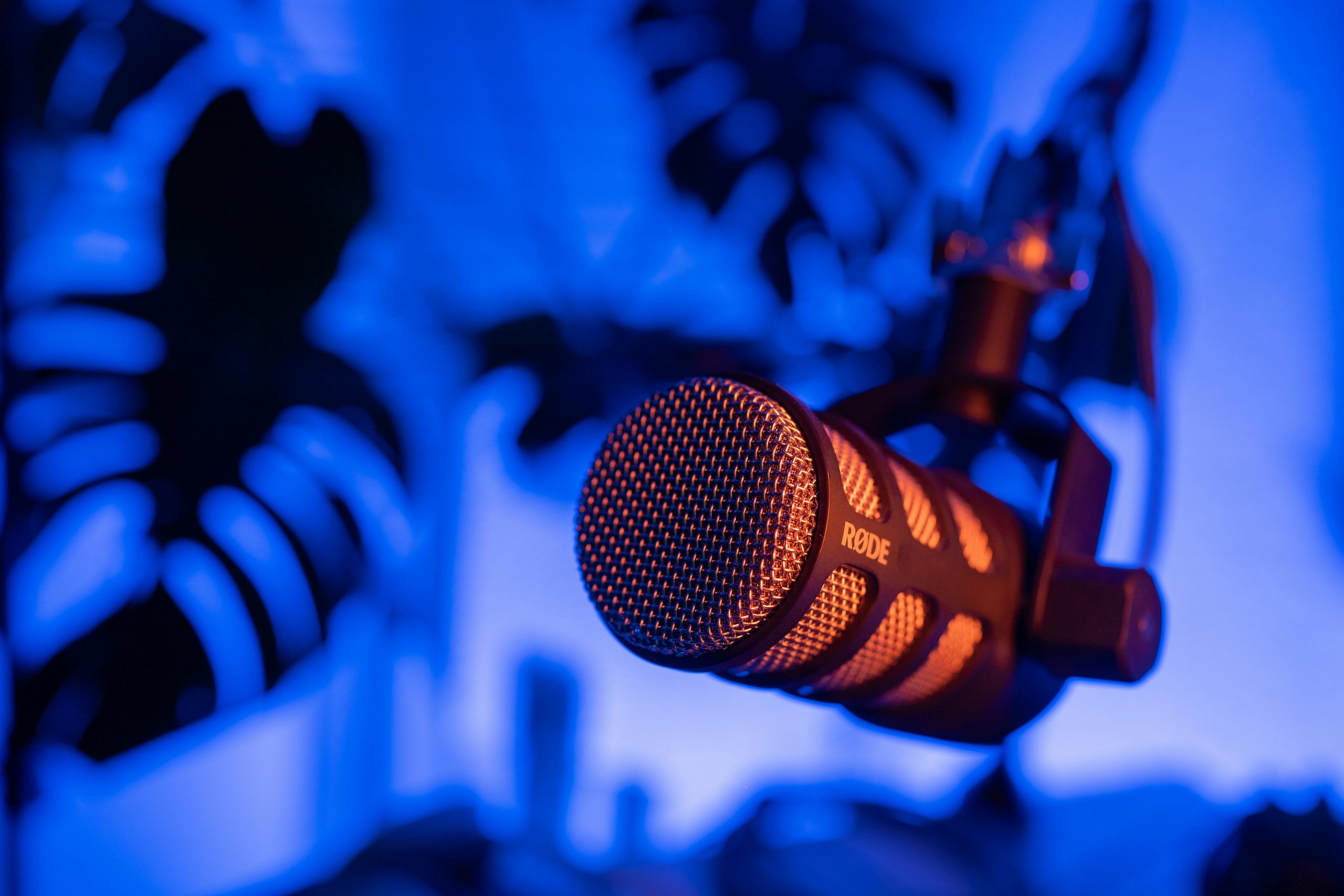
Rode microphones are known for bridging the gap between professional audio and creator-friendly gear. They offer a wide range of microphones that work for studio recording, video production, streaming, and everything in between.
This guide breaks down how Rode microphones perform in real setups. It covers types, key features, best use cases, and the common mistakes that can affect your results.
What Are Rode Microphones Known For?
Rode focuses on versatility and accessibility without sacrificing quality. Unlike brands that specialize in just one category, Rode builds microphones for multiple use cases. You’ll find their gear in studios, on camera rigs, and in home setups. In practical terms, the best Rode microphones are known for:
- Strong performance across different recording scenarios
- Reliable build quality and consistency
- A balance between professional features and ease of use
They’re designed to adapt to different workflows rather than forcing you into one.
Types of Rode Microphones
Rode offers one of the most diverse microphone lineups, which makes choosing the right type especially important.
Condenser Microphones
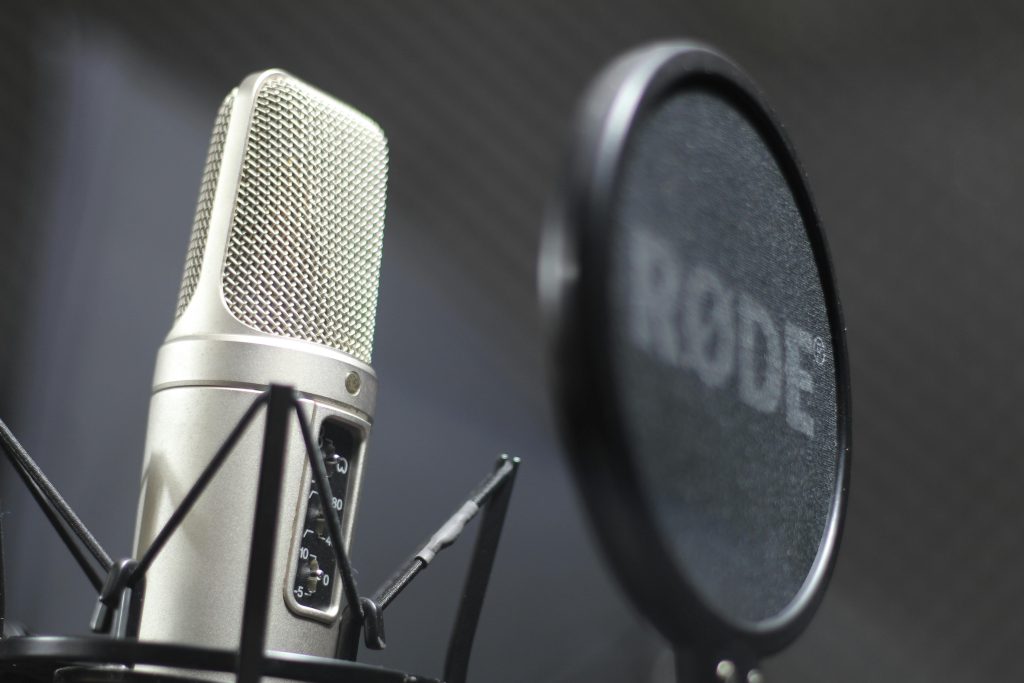
Condenser microphones are central to Rode’s lineup. Models like the Rode NT1 and Rode NT1-A are widely used for studio recording. They’re designed to capture detail and clarity, which makes them suitable for:
- Vocal recording
- Voiceovers
- Acoustic instruments
In real use, they perform best in controlled environments where background noise is minimal.
Dynamic Microphones
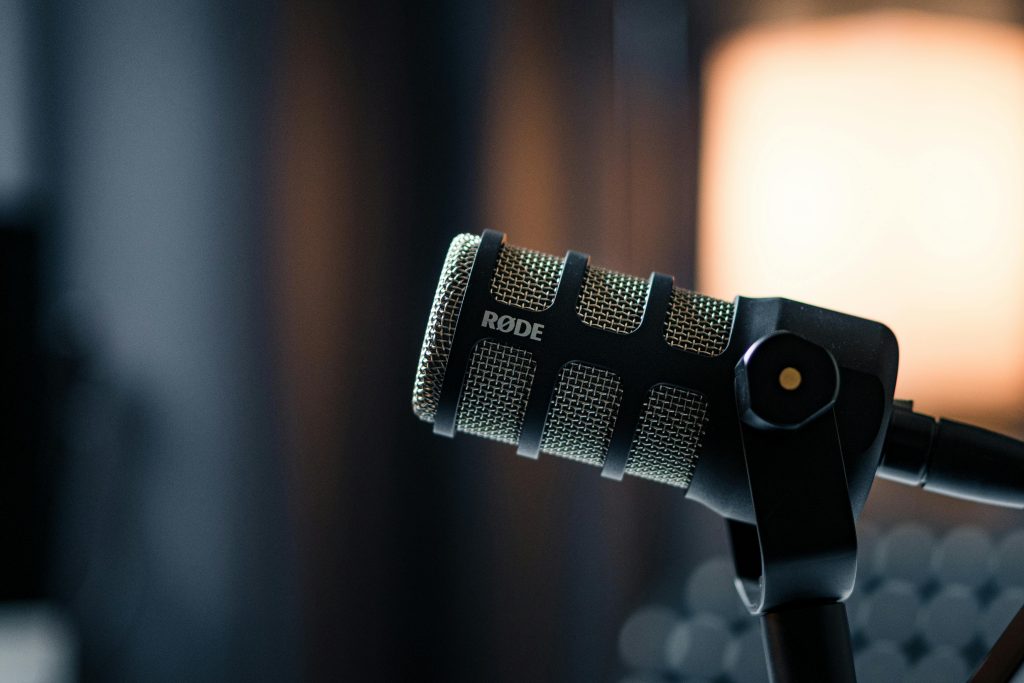
Rode also produces dynamic microphones such as the Rode PodMic. These are built for voice-focused applications where noise control is important. Compared to condensers, they:
- Reduce background noise
- Handle untreated rooms better
- Deliver a more focused vocal sound
They’re especially popular for podcasting and broadcasting setups.
USB Microphones
Rode’s USB microphones combine convenience with strong performance. Models like the Rode NT-USB+ are designed for direct connection to a computer without needing additional gear. They’re ideal for:
- Beginners
- Remote work
- Streaming and content creation
They offer a good balance between ease of use and sound quality.
Lavalier and Shotgun Microphones
Rode is particularly well known for its video-focused microphones. Lavalier mics are used for hands-free recording, while shotgun microphones focus on directional sound capture. These are commonly used in:
- Filmmaking
- Interviews
- YouTube content
- On-location recording
This category is where Rode stands out compared to many other brands.
Key Features to Look for in Rode Microphones
Rode microphones are designed to work across different setups, so understanding how their features translate into real use will help you choose the right model.
Versatile Sound Profile
Rode microphones are known for delivering a balanced, adaptable sound. They don’t heavily color your audio, which means they work well across different applications without sounding overly bright or overly warm. This makes them a safe choice if you switch between recording vocals, instruments, and spoken content. In practice, this versatility reduces the need to constantly adjust EQ when moving between different types of recordings.
Low Noise Performance
Many Rode microphones are designed with low self-noise, especially in their condenser lineup. This becomes important when recording vocals or quiet sources. Lower noise levels mean cleaner recordings and less need for noise reduction during editing. For voiceover work or studio recording, this helps preserve detail without introducing unwanted hiss.
Build Quality and Reliability
Rode microphones are built to handle regular use in different environments. Whether you’re recording at a desk or shooting on location, their construction holds up well over time. This reliability is one reason they’re widely used by both creators and professionals. They’re not just studio tools. They’re designed to travel and perform consistently.
Connectivity Options
Rode offers both XLR and USB microphones, and the choice affects how you build your setup. XLR microphone models give you more control over your audio chain and allow for upgrades over time. USB models simplify everything by combining the microphone and interface into one device. This flexibility lets you choose between convenience and control depending on your workflow.
Accessories and Ecosystem
Rode stands out for its ecosystem of accessories and supporting gear. Many microphones are compatible with shock mounts, pop filters, boom arms, and recording tools designed to work together. This makes it easier to build a complete setup without relying heavily on third-party solutions. For creators, this reduces setup friction and keeps everything consistent.
Best Uses for Rode Microphones
Rode microphones are designed to handle a wide range of recording situations, but they perform best when matched to the right use case.
Studio Recording
Condenser microphones like the Rode NT1 are well-suited for studio use. They capture detailed vocals and instruments with enough clarity to sit well in a mix. In a controlled environment, they deliver a clean, natural sound that works for both music and voice recording.
Podcasting and Broadcasting
Dynamic microphones like the Rode PodMic are ideal for spoken content. They reduce background noise and keep your voice focused, which is important for long-form recording. This makes them a reliable choice for podcasting, streaming, and broadcast-style setups.
Video Production
Rode’s lavalier and shotgun microphones are widely used in video work. They allow for flexible recording while maintaining clear audio, even when the microphone isn’t directly in front of the subject. This is essential for interviews, vlogs, and on-location content.
Streaming and Content Creation
USB microphones like the Rode NT-USB+ offer a simple way to get started. They provide solid sound quality without requiring additional gear, which makes them ideal for creators who want a straightforward setup that still delivers professional results.
Common Mistakes When Choosing a Rode Microphone
Most issues come from choosing the wrong type or setup rather than the microphone itself. Rode microphones are flexible, but that flexibility can lead to poor choices if you don’t match them to your needs.
Choosing the Wrong Type for Your Workflow
Rode offers a wide range of microphones, and not all of them suit every use case. For example, using a condenser mic in a noisy room can lead to poor audio quality, even if the microphone itself is high-end. Matching the mic type to your workflow is critical.
Ignoring Your Recording Environment
Your room has a direct impact on your sound. If your space isn’t treated, sensitive microphones will pick up reflections and background noise. In these cases, a dynamic mic or better placement can improve your results more than upgrading gear.
Overcomplicating Your Setup
Rode microphones support both simple and advanced setups, but more gear doesn’t always mean better sound. Adding unnecessary equipment can introduce noise or make your setup harder to manage. Sometimes a clean USB setup delivers better results than a poorly configured XLR chain.
Poor Mic Placement
Placement affects clarity, tone, and consistency. Being too far from the microphone reduces presence, while being too close can introduce unwanted low-end buildup. Small adjustments in position often make a bigger difference than changing equipment.
Expecting One Microphone to Cover Everything
Rode microphones are versatile, but no single model excels in every situation. Trying to use one microphone for studio recording, streaming, and video production often leads to compromises. Choosing based on your primary use case produces better results.d buildup. Small adjustments in position often make a bigger difference than changing equipment.
How to Choose the Right Rode Microphone
Start with Your Primary Use Case
The quickest way to narrow your options is to define what you’ll use the microphone for most. If you’re recording vocals or instruments, a condenser like the Rode NT1 makes sense because it captures detail and nuance. For podcasting or voice-heavy content, a dynamic option like the Rode PodMic gives you more control and reduces background noise.
For video work, lavalier or shotgun microphones are usually the better fit since they’re designed for mobility and directional capture. Focusing on your main use case prevents you from choosing a mic that tries to do everything but excels at nothing.
Consider Your Environment
Your recording environment has a direct impact on your final sound. If your room isn’t treated, a sensitive condenser mic will pick up reflections, echo, and background noise. In this case, a dynamic microphone is often the safer choice because it focuses more on your voice and rejects unwanted sound.
If you’re working in a quiet, controlled space, you can take advantage of a condenser microphone’s detail and clarity. Matching the mic to your environment usually matters more than chasing higher-end specs.
Think About Your Setup
Your setup determines how much control and flexibility you’ll have. If you want a quick and simple solution, a USB microphone like the Rode NT-USB+ lets you start recording immediately without additional gear.
If you want to build a more advanced setup, an XLR microphone paired with an audio interface gives you more control over gain, processing, and future upgrades. This is the better option if you plan to improve your setup over time.
Balance Simplicity and Flexibility
Rode offers options at both ends of the spectrum. If you value convenience, stick with a streamlined USB setup. If you want more control and better long-term potential, go with an XLR microphone and build your signal chain properly. Choosing the right balance depends on how much time and effort you want to invest in your setup.
Rode Microphones vs Other Brands
Audio-Technica vs Rode
Audio-Technica focuses on value and consistent studio performance, especially for entry to mid-level recording. Rode offers more variety across different use cases, particularly in video and content creation. If your focus is studio recording, Audio-Technica is a strong option. If you need flexibility across multiple workflows, Rode is more adaptable.
Shure vs Rode
Shure is known for durability and reliable performance in live and broadcast environments. Rode provides more options for creators who need microphones for recording, video, and streaming. Shure is the safer choice for stage use, while Rode covers a wider range of creative applications.
Blue Microphones vs Rode
Blue microphones emphasize plug-and-play simplicity with voice-focused tuning. Rode offers more flexibility across different setups, including XLR, USB, and video microphones. Blue is easier for beginners who want a quick setup, while Rode gives you more room to grow as your needs expand.
Final Thoughts
Rode microphones stand out because of their versatility. They’re designed to adapt to different setups and workflows, whether you’re recording in a studio, creating video content, or streaming online. If you match the microphone to your use case and environment, you’ll get consistent, high-quality results without overcomplicating your setup.