
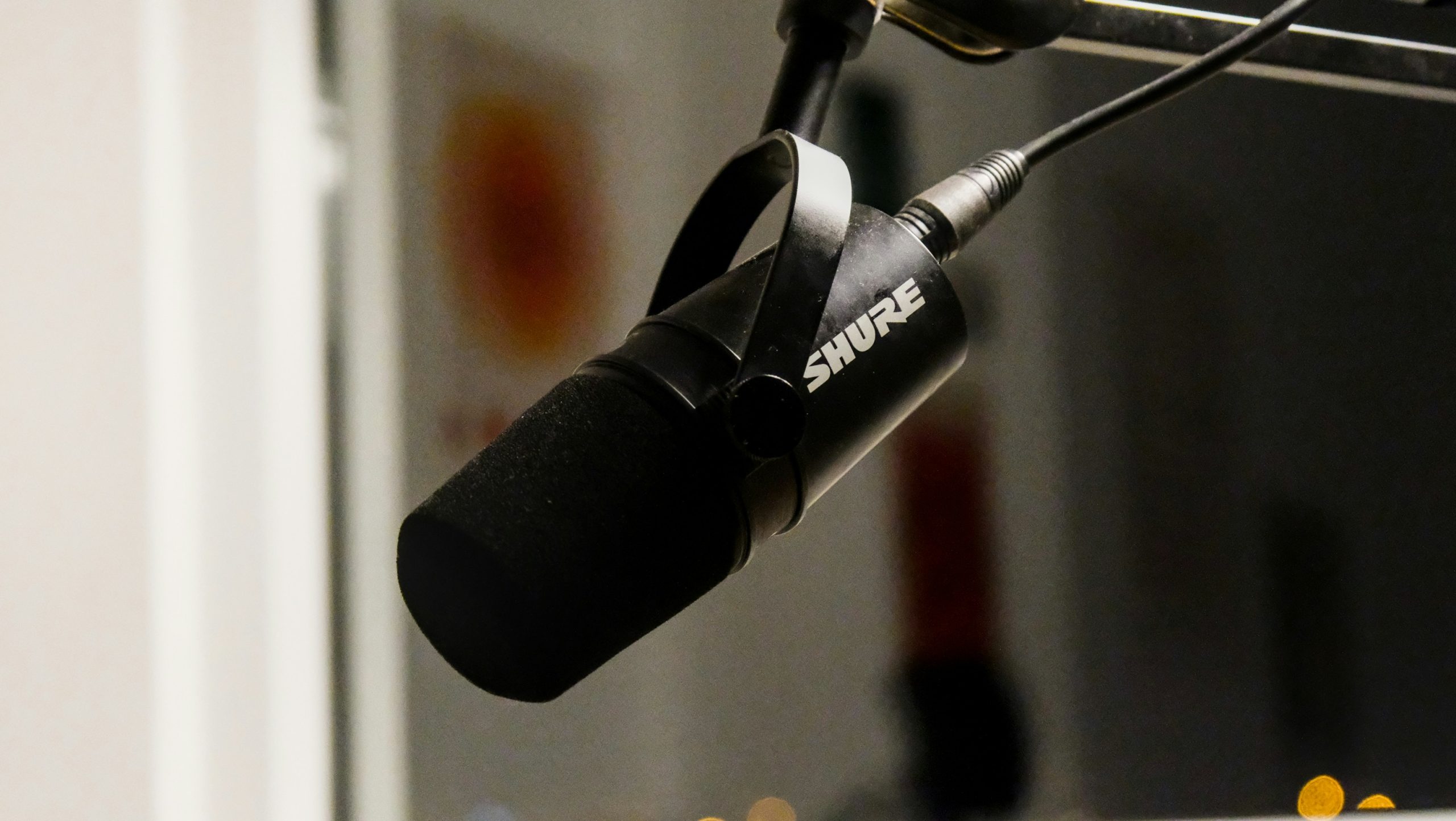
Shure microphones have built a reputation for reliability, consistency, and performance under pressure. They’re widely used across live stages, studios, broadcast environments, and content creation setups because they deliver predictable results in real-world conditions.
This guide breaks down how Shure microphones perform beyond the spec sheet. It covers the different types, key features, best use cases, and the common mistakes that often limit performance.
What Are Shure Microphones Known For?
Shure is known for durability and dependable sound. Their microphones are designed to perform consistently, whether you’re recording in a studio or working on a loud stage. One of the defining traits of Shure microphones is control. They don’t aim to exaggerate detail or add unnecessary coloration. Instead, they focus on delivering a stable, usable signal that fits well into different environments without requiring heavy correction.
Another reason Shure stands out is trust. Many of their microphones have become industry standards, not because they’re the most technical on paper, but because they perform reliably over time. When you use a Shure microphone, you know what to expect, and that consistency is often more valuable than raw specs.
Types of Shure Microphones
Shure offers a broad range of microphones, but each category is designed with a clear purpose in mind.
Dynamic Microphones
Dynamic microphones are the backbone of Shure’s lineup. Models like the Shure SM58 and Shure SM57 are used worldwide for vocals and instruments. These microphones are built to handle high sound pressure levels without distortion. In real use, that means they perform reliably in loud environments like live stages, rehearsal rooms, and untreated spaces. They naturally reject background noise, which helps keep your audio focused.
They’re also forgiving. Even if your mic placement isn’t perfect, you’ll still get usable results. That’s one of the main reasons they’re trusted in live environments where conditions aren’t controlled.
Condenser Microphones
Shure condenser microphones are designed for detail and precision. They’re commonly used in studio recording, voiceover work, and controlled environments where capturing nuance matters. Compared to dynamic microphones, they pick up more detail and subtle tonal variation. This makes them suitable for vocals, acoustic instruments, and broadcast work.
However, they require more attention to set up. Because they’re more sensitive, they’ll also capture room noise and reflections. In practice, they perform best when paired with a treated environment and proper mic technique.
USB Microphones
Shure also offers USB microphones like the Shure MV7, which are designed for modern content creation. These microphones combine convenience with performance. You can plug them directly into your computer, but they still offer sound quality closer to traditional XLR setups.
They’re especially useful for podcasting, streaming, and remote work where you want good audio without building a full recording chain. Many models also include software integration for additional control.
Wireless and Lavalier Microphones
Shure’s wireless systems are widely used in professional environments. They’re designed to deliver stable audio without cables, which is essential for live events and presentations. Lavalier microphones clip onto clothing and maintain consistent audio levels as the speaker moves. Wireless handheld systems are commonly used on stage and in broadcast setups.
These systems require proper setup and frequency management, but when configured correctly, they offer reliable performance in demanding conditions.
Key Features to Look for in Shure Microphones
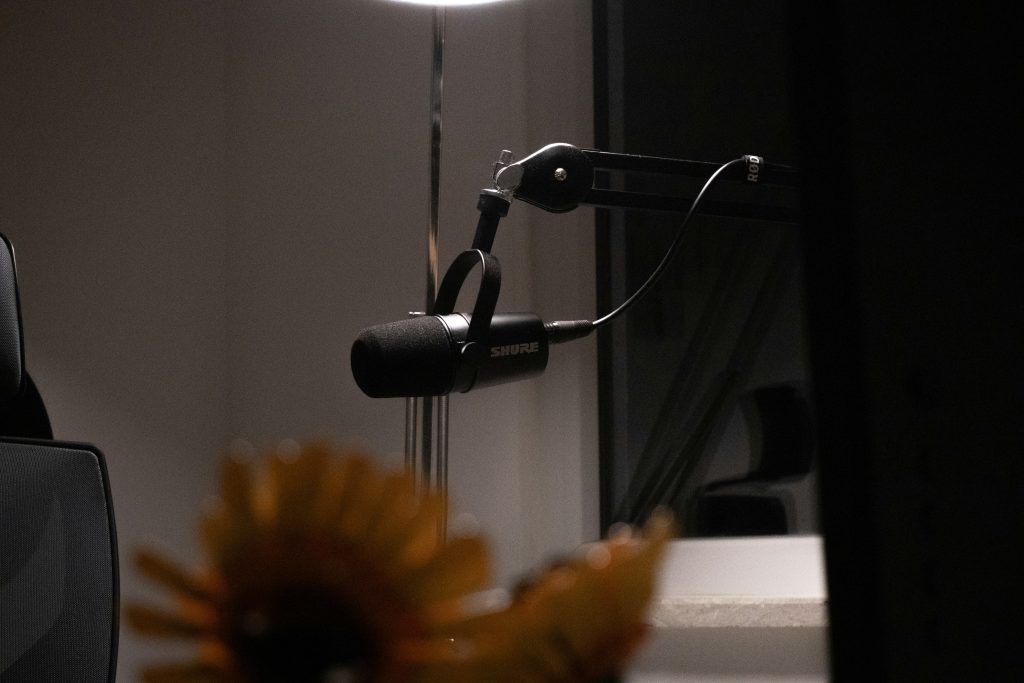
The best Shure microphones focus on real-world performance rather than flashy specifications. Understanding their core features helps you choose the right model.
Controlled Sound Profile
Shure microphones are known for a controlled, focused sound. They don’t exaggerate frequencies, which makes them easier to work with in different environments. This is especially useful for live sound and voice recording, where clarity matters more than exaggerated detail.
In practice, this means less time spent correcting your audio and more consistent results across different setups.
Background Noise Rejection
Many Shure microphones, especially dynamic models, are designed to reduce unwanted noise. They focus on the sound source in front of the microphone while minimizing background interference. This makes them ideal for untreated rooms, live stages, and environments where noise is unavoidable. This feature alone is often the reason users choose Shure over more sensitive alternatives.
Durability and Build Quality
Shure microphones are built to last. They’re designed to handle regular use, transport, and physical impact without losing performance. This durability is one of the main reasons they’re trusted in live environments. You’re not just buying sound quality. You’re buying reliability over time.
Versatile Connectivity
Shure offers both XLR and USB options. XLR microphones provide flexibility and integration with professional setups, while USB microphones offer convenience for simpler workflows. This allows you to choose based on your experience level and setup requirements.
Consistency Across Use Cases
Shure microphones perform consistently across different environments. Whether you’re recording, streaming, or performing live, the sound remains predictable. This consistency makes them easier to work with, especially if you switch between setups.
Best Uses for Shure Microphones
Shure microphones are designed for situations where reliability and clarity matter more than perfection. They’re built to deliver consistent results across different environments, especially where conditions aren’t controlled.
Live Performances
Dynamic microphones like the Shure SM58 are widely used on stage because they’re built for demanding conditions. They handle high volume levels without distortion and naturally reduce feedback, which is critical in live sound setups. In practice, they help vocals stay clear even when the stage is loud, crowded, or unpredictable.
They’re also extremely forgiving. Performers don’t need perfect mic technique to get usable audio, which is why they’re trusted for concerts, events, and public speaking.
Podcasting and Broadcasting
Microphones like the Shure MV7 are popular for spoken content because they deliver a controlled, consistent sound. They’re designed to keep voices clear without picking up too much background noise, which is important for long-form content like podcasts, interviews, and commentary. This helps maintain a professional tone across different episodes and sessions. In real use, they reduce the need for heavy editing and make it easier to achieve a balanced sound straight from the source.
Studio Recording
While Shure is best known for dynamic microphones, their condenser models also perform well in studio environments. They capture detail while maintaining control, which makes them suitable for vocals and instruments in treated spaces. Unlike more sensitive studio mics, they often strike a balance between clarity and usability. This makes them a practical choice for studios that need consistent results without constantly adjusting for different recording conditions.
Content Creation and Streaming
Shure microphones work well for creators who want reliable audio without constant adjustments. They’re especially useful in setups where background noise is present, such as home studios or streaming environments. Their controlled sound helps keep your voice clear even when other audio sources are active. For creators, this means less time spent fixing audio and more time focusing on content.
Common Mistakes When Choosing a Shure Microphone
Most issues come from misunderstanding how these microphones are meant to be used. Shure microphones are reliable, but they still need the right setup to perform at their best.
Choosing the Wrong Type for Your Setup
Using a condenser microphone in a noisy environment often leads to poor results. Condenser mics are more sensitive and will pick up background noise and reflections. In these situations, Shure dynamic microphones are usually the better choice because they focus more on your voice and reduce unwanted sound.
Ignoring Mic Technique
Even though Shure microphones are forgiving, placement still matters. Distance and angle directly affect how your voice is captured. Being too far away reduces clarity, while being too close can create a boomy sound. Small adjustments in positioning often improve your audio more than changing equipment.
Expecting Studio Detail from Dynamic Mics
Dynamic microphones prioritize control over detail. If you expect them to capture every nuance like a high-end condenser mic, you may be disappointed. They’re designed to deliver consistent, usable audio rather than extreme sensitivity. Understanding this difference helps set realistic expectations.
Overlooking the Signal Chain
Even with high-quality microphones, your setup still matters. Poor gain staging, low-quality interfaces, or incorrect settings can limit performance. The microphone is only one part of the system, and every part affects the final sound.
Expecting One Mic to Do Everything
No single microphone excels in every situation. Shure microphones are versatile, but they’re still designed for specific use cases. Choosing a mic based on your main application will always produce better results than trying to cover everything with one model.
How to Choose the Right Shure Microphone

Start with Your Use Case
Think about where and how you’ll use the microphone most. For live performance and voice-focused applications, a dynamic microphone is usually the best choice. For studio recording, a condenser microphone may provide more detail.
Consider Your Environment
Your recording environment plays a major role in your results. If your space is noisy or untreated, a dynamic microphone will give you better control. If your environment is quiet and controlled, you can take advantage of a condenser microphone’s sensitivity.
Choose Based on Workflow
If you want a simple setup, a USB microphone is the easiest option. If you want more control and flexibility, an XLR microphone paired with an interface gives you better long-term potential. Your workflow should guide your decision.
Shure Microphones vs Other Brands
Sennheiser vs Shure
Sennheiser offers strong performance in broadcast and production environments, especially with wireless systems and directional microphones. Shure focuses more on durability and consistency in live and voice applications. Both are reliable, but Sennheiser leans toward production workflows while Shure excels in stage and voice use.
Rode vs Shure
Rode provides more variety across different use cases, including video and content creation. Shure focuses on consistency and reliability, particularly for voice and live setups. Rode is more flexible, while Shure is more focused and predictable.
Audio-Technica vs Shure
Audio-Technica offers strong value and studio-focused microphones with a more accessible entry point. Shure provides better control and reliability in real-world environments. Audio-Technica is often easier to start with, while Shure is more widely used in professional live and broadcast settings.
Final Thoughts
Shure microphones are built for consistency and durability. They may not always be the most technical or feature-heavy option, but they deliver reliable results in situations where performance matters. If you match the microphone to your use case and environment, you’ll get audio that holds up over time.