
Your Ultimate Guide to the Best XLR Microphones
Choosing the best XLR microphone isn’t about hype. It’s about matching the mic to your setup, environment, and recording goals.
Unlike USB microphones, XLR mics are built for professional audio chains. They offer better signal quality, more control, and long-term scalability. The trade-off is complexity. You’ll need an audio interface, proper gain staging, and often better acoustic treatment.
This guide focuses on the best XLR microphones across different categories: studio, vocals, streaming, and budget setups.
Which XLR Microphone Is Best?
Editor's Choice 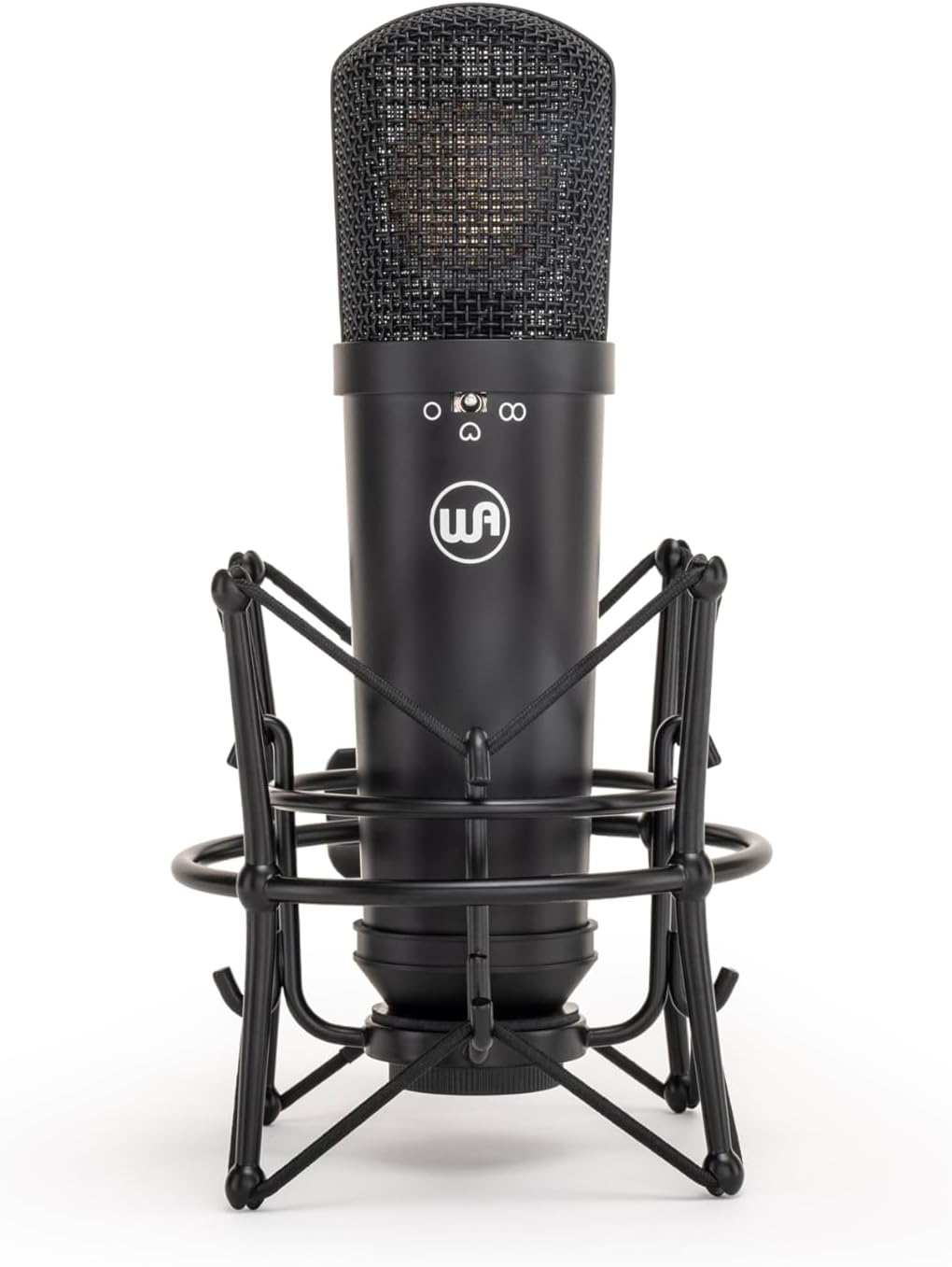 Best Overall | 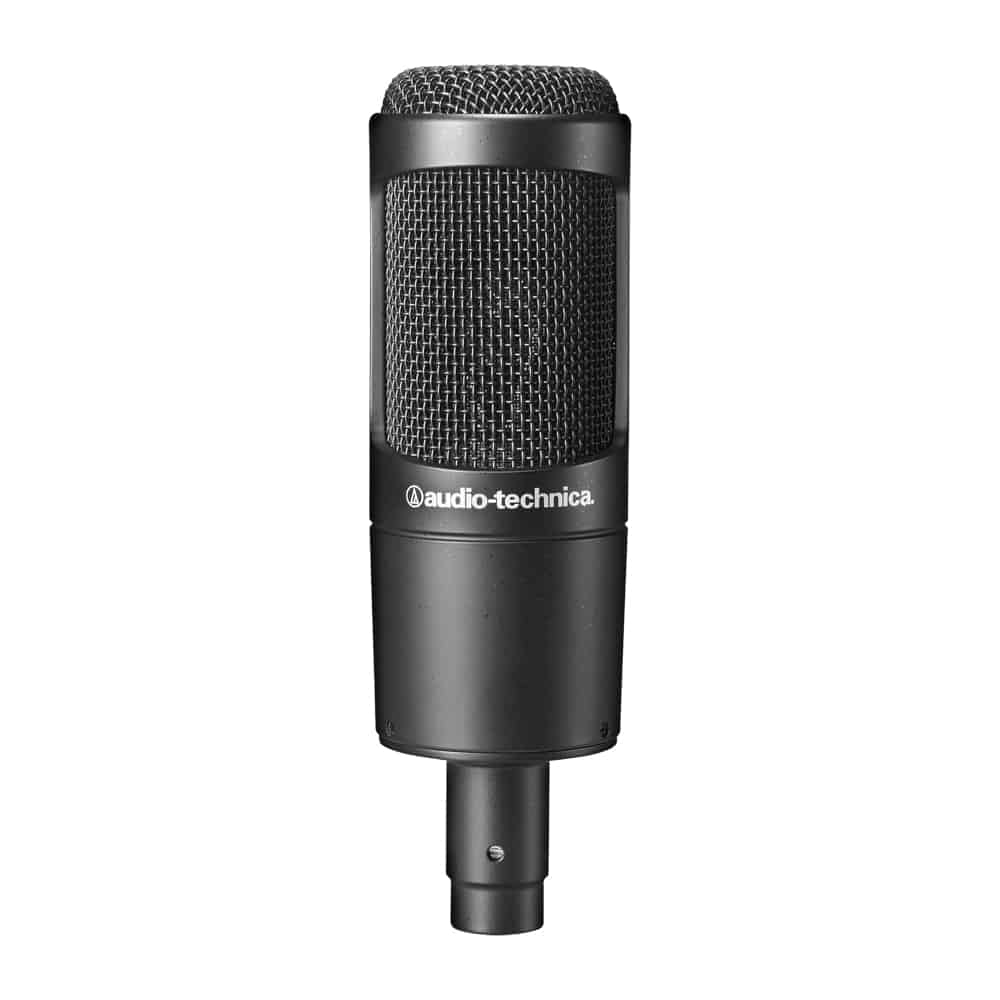 Best Studio XLR Microphone |  Best Budget XLR Microphone |
Warm Audio WA-87jrA versatile studio condenser that delivers rich, professional sound across vocals, instruments, and voice recording. | Audio-Technica AT2035A reliable, neutral-sounding condenser mic that excels in home studio recording with clean and balanced audio. | Behringer XM8500An affordable dynamic microphone that offers solid vocal clarity and strong noise rejection for basic setups. |
Sound Quality: ★★★★★
Design: ★★★★
Features: ★★★★★
| Sound Quality: ★★★★★
Design: ★★★★
Features: ★★★★
| Sound Quality:★★★★
Design: ★★★★
Features: ★★★★
|
Let’s Go Over Each XLR Microphone
#1: Warm Audio WA-87jr
The Warm Audio WA-87jr is built to deliver the kind of sound you’d typically expect from far more expensive studio microphones.
At its core is a large-diaphragm condenser capsule that captures a wide frequency range with impressive balance. The low end feels full without becoming muddy, while the high frequencies remain detailed without sounding harsh. This makes it particularly effective for vocals, where clarity and presence matter most.
What gives this microphone its versatility is how it adapts to different recording situations. The ability to switch between polar patterns allows you to move from tight vocal recording to more open room capture without changing microphones. It also handles louder sound sources comfortably, which means it isn’t limited to voice work. You can use it on instruments without worrying about distortion.
In practice, the WA-87jr performs best in controlled environments. Like most condenser microphones, it will reflect the quality of your room. In a treated space, it delivers a polished, professional sound. In an untreated room, it will expose imperfections just as clearly.
This is the kind of microphone that makes sense if you’re building a long-term setup rather than looking for a quick upgrade.
Pros and Cons of the Warm Audio WA-87jr
| Pros | Cons |
|---|---|
| ✔ Rich, detailed studio sound ✔ Highly versatile across recording types ✔ Strong value for a studio condenser | ✖️ Sensitive to room acoustics ✖️ Requires proper audio chain |
#2: Audio-Technica AT2035
The Audio-Technica AT2035 is one of the most dependable microphones in its price range, and it’s often recommended for a reason. It consistently delivers clean, usable recordings.
The sound profile leans neutral, which is exactly what you want if you plan to edit or mix your audio later. It doesn’t artificially boost certain frequencies, so your recordings come out balanced and easier to work with in post-production.
It also handles a variety of recording scenarios without needing constant adjustments. Whether you’re recording vocals, acoustic instruments, or voiceovers, it maintains a consistent level of clarity. This makes it particularly useful for home studios where versatility matters more than specialization.
Another strength is how controlled it sounds compared to more sensitive condensers. While it still benefits from a treated environment, it doesn’t exaggerate background noise as aggressively, making it more forgiving for users who don’t have a perfect setup.
It’s not the most exciting microphone in terms of character, but that’s exactly why it works so well. It gives you a reliable foundation.
Pros and Cons of the Audio-Technica AT2035
| Pros | Cons |
|---|---|
| ✔️ Can eliminate ambient noise ✔️ Rich recording quality ✔️ Ideal for voice recordings ✔️ Low noise floor | ✖️ Requires external power supply |
#3: Behringer XM8500
The Behringer XM8500 is one of the most practical starting points for anyone moving into XLR microphones.
As a dynamic microphone, it naturally focuses on sound coming directly in front of it while reducing background noise. This makes it a strong option for untreated spaces where condenser microphones would pick up too much ambient sound.
The audio quality is straightforward. It doesn’t have the depth or detail of more expensive microphones, but it produces clear, intelligible vocals that are perfectly usable for streaming, voice recording, or even live applications.
Where it really stands out is reliability. It’s built to handle regular use without issues, and because it doesn’t require phantom power, it simplifies the setup process for beginners.
This isn’t a microphone you buy for refinement. It’s one you buy because it works, consistently, without complications.
Pros and Cons of the Behringer XM8500
| Pros | Cons |
|---|---|
| ✔ Comes with built-in shock mount ✔ Fantastic price ✔ Great output of sound | ✘ Lacks Cord |
#4: FIFINE Dynamic XLR/USB Microphone
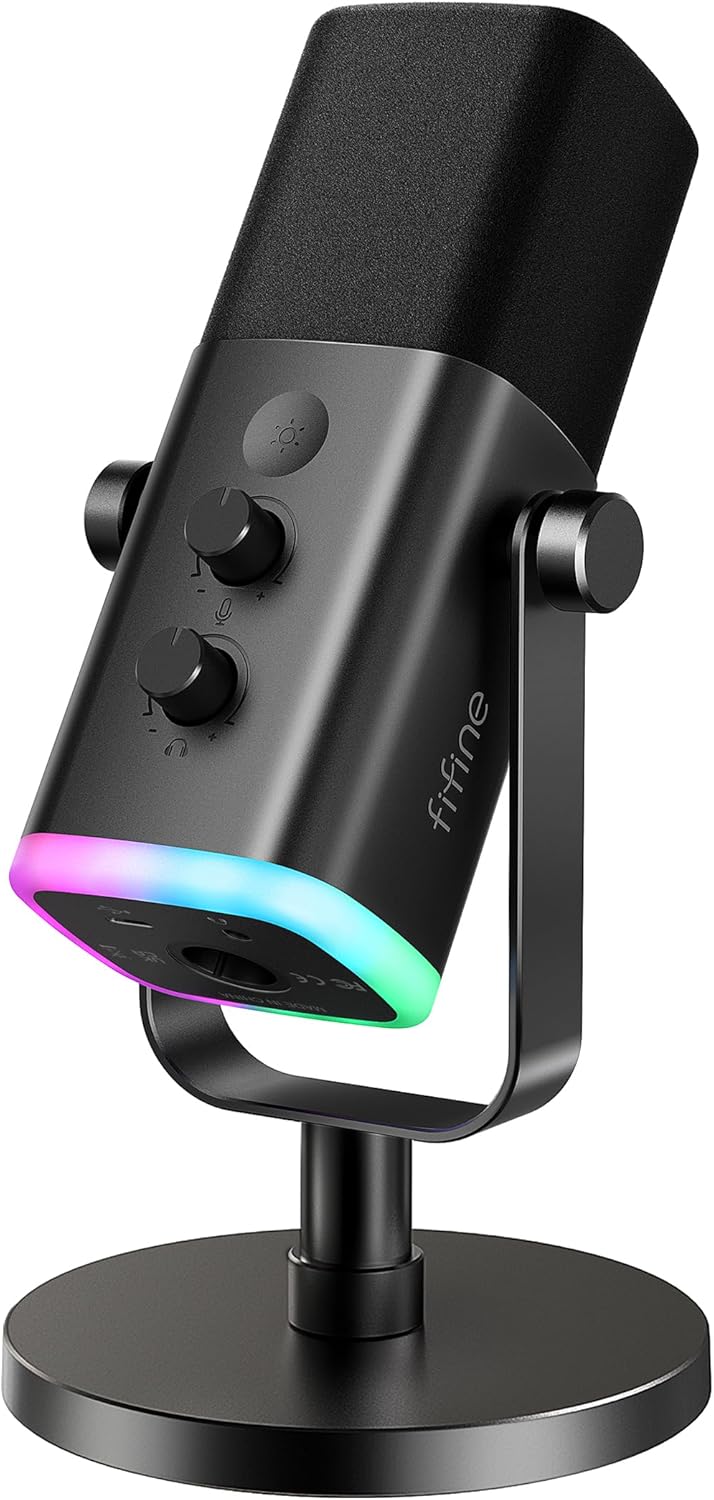
The FIFINE Dynamic XLR/USB Microphone is designed for users who want flexibility without committing fully to a traditional XLR setup.
What makes it different is its dual connectivity. You can start using it as a USB microphone, then transition to an XLR setup later without replacing your gear. This makes it particularly useful for creators who are still building their setup.
The sound leans toward a controlled, slightly warm tone that works well for voice content. Because it’s a dynamic microphone, it handles background noise better than most USB condensers, which gives it an advantage in typical home environments.
It doesn’t offer the same level of refinement as dedicated studio microphones, but that’s not its purpose. Its strength lies in bridging the gap between beginner convenience and professional scalability.
For users who want a gradual upgrade path, this is one of the most practical options available.
Pros and Cons of the FIFINE Dynamic XLR/USB Microphone
| Pros | Cons |
|---|---|
| ✔ Flexible USB and XLR use ✔ Good noise control for home setups ✔ Ideal for upgrading over time | ✖️ Less detailed than studio mics ✖️ Not specialized for high-end recording |
What Makes XLR Microphones Better?
XLR microphones stand out because of how they handle audio at a technical level. Instead of relying on internal components like USB mics, they send a balanced signal through an external interface. This reduces interference and preserves audio quality, especially in more complex setups.
More importantly, XLR systems give you control. You’re not locked into a single sound profile. You can adjust gain, apply processing, and upgrade individual parts of your setup over time. This flexibility is what makes them the standard in professional recording environments.
They also scale better. A good XLR microphone can stay in your setup for years, even as you upgrade everything else around it.
How to Choose the Right XLR Microphone
The most important factor is your recording environment. If your space isn’t treated, a dynamic microphone will usually give you better results because it focuses more tightly on your voice and ignores background noise. If you have a quiet or treated room, a condenser microphone will capture more detail and nuance. This makes a noticeable difference in vocal recordings and music production.
Your use case also matters. For voice-heavy content like streaming or podcasting, consistency and noise control are more important than detail. For music recording, accuracy and frequency response become more critical. Ultimately, the best XLR microphone is the one that works with your setup, not against it.
Final Note
XLR microphones aren’t just about better sound. They’re about control, flexibility, and long-term quality.
If you’re serious about improving your audio, moving to XLR is one of the most important upgrades you can make. The key is choosing a microphone that matches your current setup while still giving you room to grow.
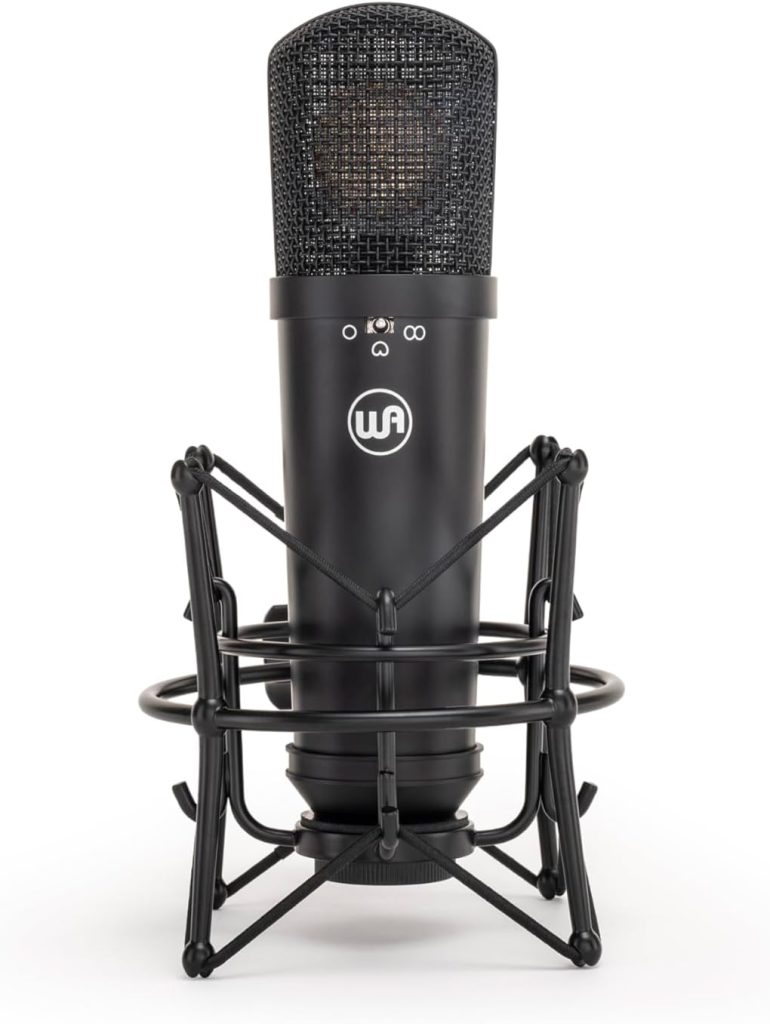
Editor’s Choice
Warm Audio WA-87jr Large-Diaphragm Condenser Microphone
The Warm Audio WA-87jr stands out as the best overall XLR microphone because it delivers true studio-level performance without the premium price barrier.
At its core, it’s built around a K87-style large-diaphragm capsule, the same design philosophy used in legendary studio microphones. This gives it a rich, full-bodied sound with clear top-end detail, making it especially strong for vocals and voice work.
What really elevates it is its versatility. With multiple polar patterns, a high-pass filter, and a pad for handling louder sources, it adapts easily to different recording situations, from close vocal tracking to room capture.