
Your Ultimate Guide to the Best Sennheiser Microphones
Sennheiser microphones are known for precision engineering, durability, and consistent performance across both live and studio environments. Unlike brands that lean heavily toward one use case, Sennheiser builds microphones that work across broadcast, music production, live performance, and video recording.
Which Sennheiser Microphone Is Best?
Editor's Choice 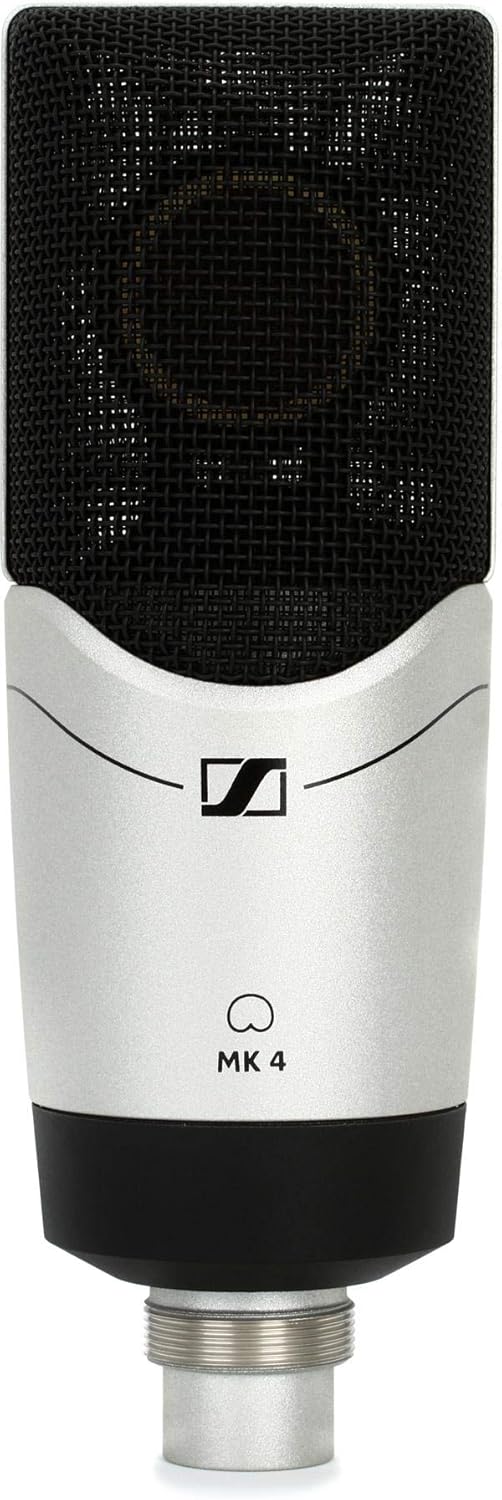 Best Overall |  Best Live | 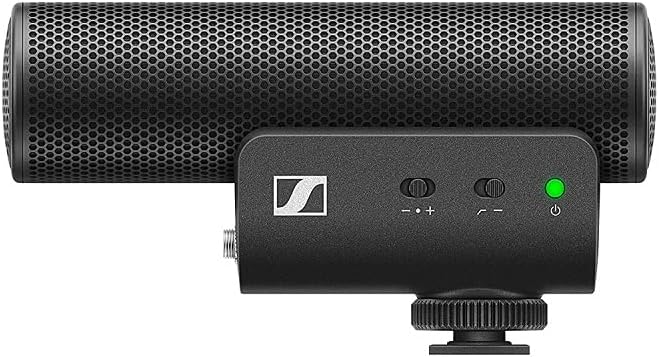 Best Video |
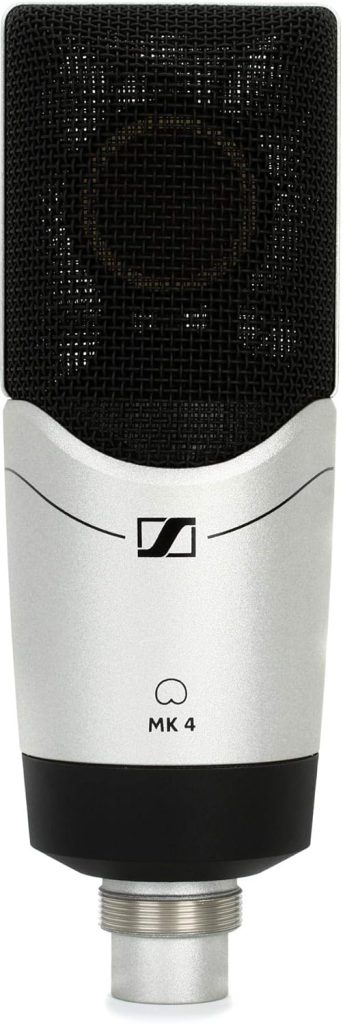
Sennheiser MK 4A studio condenser microphone that delivers detailed and balanced sound for professional recording. | Sennheiser e835A reliable dynamic microphone that provides clear vocals and strong noise control for stage use. | Sennheiser MKE 400A directional shotgun microphone that captures focused audio for video production. |
Sound Quality: ★★★★★
Design: ★★★★
Features: ★★★★
| Sound Quality: ★★★★★
Design: ★★★★
Features: ★★★★
| Sound Quality:★★★★★
Design: ★★★★
Features: ★★★★
|
Let’s Go Over Each Sennheiser Microphone
#1: Sennheiser MK 4
The MK 4 is designed to deliver true studio-grade sound with a focus on clarity and balance.
It uses a large-diaphragm condenser capsule that captures a wide frequency range with strong detail and controlled high frequencies. This makes it suitable for vocals, acoustic instruments, and general studio recording.
The microphone uses a cardioid pickup pattern, which helps isolate the main sound source while reducing background noise. This makes it easier to use in home studio environments without perfect acoustic treatment.
Another strength is its build quality. The MK 4 is constructed with a solid metal body, which improves durability and reduces unwanted resonance.
The trade-off is that it requires phantom power and an audio interface, which adds complexity compared to USB microphones.
Pros and Cons of the Sennheiser MK 4
| Pros | Cons |
|---|---|
| ✔️ Detailed and balanced sound ✔️ Strong vocal clarity ✔️ Durable construction ✔️ Suitable for studio recording | ✖️ Requires audio interface ✖️ Sensitive to room acoustics ✖️ Single pickup pattern |
#2: Sennheiser e835
The e835 is one of Sennheiser’s most widely used microphones because it delivers reliable vocal clarity in live environments.
It uses a dynamic cardioid design that focuses on the speaker’s voice while reducing background noise and feedback. This makes it ideal for stage performances, presentations, and live events.
The sound profile emphasizes the midrange, which helps vocals remain clear and intelligible even in noisy environments.
Its rugged construction allows it to handle regular use without performance issues, making it a dependable option for performers.
Compared to condenser microphones, it captures less detail, but it offers better control in uncontrolled environments.
Pros and Cons of the Sennheiser e835
| Pros | Cons |
|---|---|
| ✔ Easy to set up and use ✔ Affordable price range ✔ Well-balance low end sound | ✘ Voice quality can sometimes be muffled |
#3: Sennheiser MKE 400
The MKE 400 is built for video creators who need focused audio capture in changing environments.
It uses a shotgun design that isolates sound from the front while reducing noise from the sides. This makes it effective for interviews, vlogging, and outdoor recording.
The compact size makes it easy to mount on cameras or portable rigs, and the integrated wind protection helps reduce environmental noise.
The sound profile is clear and directional, which helps capture dialogue more effectively than built-in camera microphones.
It requires proper positioning to achieve the best results, especially in noisy environments.
Pros and Cons of the Sennheiser MKE 400
| Pros | Cons |
|---|---|
| ✔️ Directional audio capture ✔️ Compact and portable ✔️ Strong for video recording ✔️ Reduces ambient noise | ✖️ Requires careful positioninge ✖️ Limited use outside video ✖️ Higher cost than basic mics |
#4: Sennheiser MD 421 II
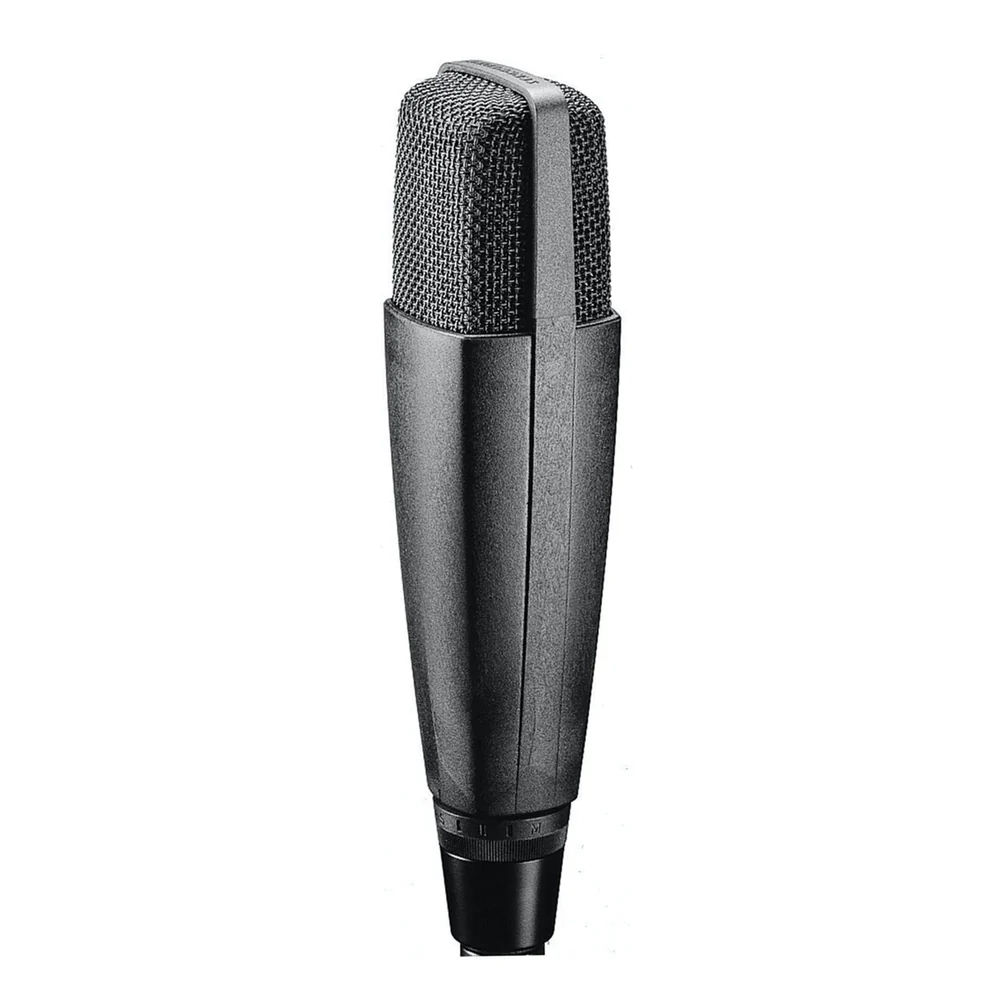
The MD 421 II is considered a classic studio microphone with decades of proven performance.
Originally introduced in 1960, it remains widely used for instruments and broadcasting due to its consistent sound and durability.
It uses a large-diaphragm dynamic capsule that delivers a wide frequency response, making it suitable for drums, guitar amps, and voice recording.
The microphone includes a bass roll-off switch, which allows better control over low frequencies depending on the recording situation.
Its sound is clean and controlled, making it a versatile option for both studio and live use.
Pros and Cons of the Sennheiser MD 421 II
| Pros | Cons |
|---|---|
| ✔️ Excellent audio quality ✔️ Sleek build ✔️ Versatile ✔️ Works well with guitar cabs ✔️ Tone-shaping low-cut filter ✔️ Great for podcasts and other spoken word applications | ✖️ A runner-up to most expensive boundary mic |
#5: Sennheiser Profile USB Microphone
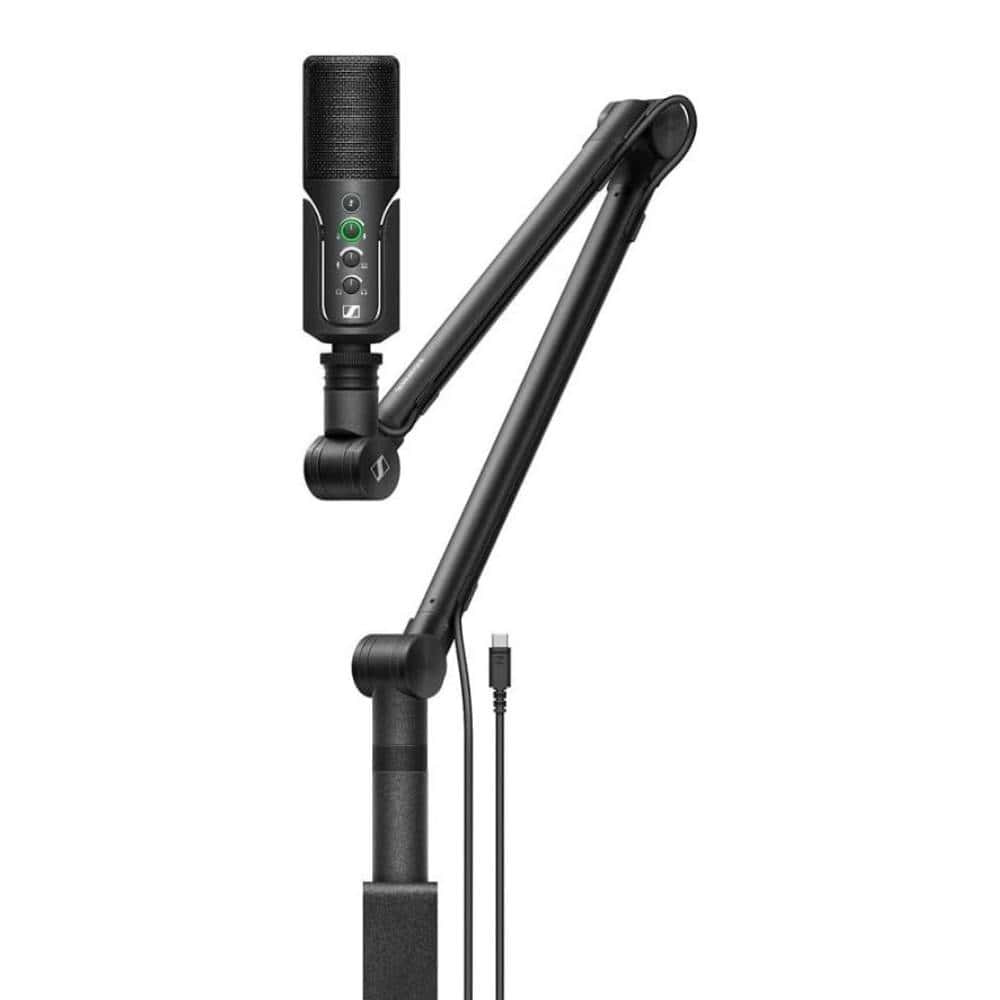
The Profile USB microphone is designed to provide a simple setup with strong audio performance for creators.
It uses a condenser capsule that captures detailed audio, making it suitable for podcasting, streaming, and voice recording.
The microphone includes onboard controls for gain and monitoring, allowing quick adjustments without additional software.
Its USB connectivity removes the need for an audio interface, which simplifies setup and makes it more accessible for beginners.
Compared to XLR microphones, it offers less flexibility but provides a reliable and consistent recording experience.
Pros and Cons of the Sennheiser Profile USB Microphone
| Pros | Cons |
|---|---|
| ✔️ Professional-grade audio ✔️ All-in-one bundle ✔️ USB connectivity ✔️ Cardioid pattern microphone ✔️ Fairly affordable ✔️ Comes with intuitive controls | ✖️ No pop filter included |
What Makes Sennheiser Microphones Different?
Sennheiser microphones are designed around precision and long-term reliability. The brand has a strong history in professional audio, producing microphones used in broadcasting, music recording, and live performance.
One key difference is their focus on controlled sound reproduction. Many models aim to capture audio accurately without adding excessive coloration, which allows more flexibility during mixing. Another defining feature is durability. Many Sennheiser microphones are built for demanding environments, including live performances and field recording.
When to Choose a Sennheiser Microphone
Sennheiser microphones are ideal when you need consistent performance across different environments. They work well for live performance, studio recording, and video production. Their range allows users to choose between dynamic microphones for control and condenser microphones for detail.
They are less suited for users who want highly stylized sound or beginner-focused plug-and-play simplicity across all models.
Final Note
Sennheiser microphones are built around accuracy, durability, and versatility. They provide solutions for different use cases, from live performance to studio recording and video production. The right choice depends on your setup and environment.
For most users, the MK 4 offers the best balance of performance and usability. For live applications, the e835 is a strong option.
Editor’s Choice
Sennheiser MK 4
The Sennheiser MK 4 stands out because it delivers professional studio sound with a straightforward design.
It captures detailed audio with a balanced frequency response while remaining usable in home studio setups. Its combination of sound quality and reliability makes it one of the most practical choices in the Sennheiser lineup.