
Elgato Wave 3 vs HyperX QuadCast: Which USB Microphone Is Better?
Table of Contents
Choosing between the Elgato Wave 3 and HyperX QuadCast isn’t simply about comparing technical specifications. Both microphones produce excellent audio, support plug-and-play recording, and are aimed at content creators who want professional-quality sound without investing in an XLR setup.
The bigger question is which microphone better fits the way you create content. The Wave 3 focuses on delivering clean vocal reproduction backed by one of the strongest software ecosystems available for USB microphones. The QuadCast takes a more versatile approach, offering multiple pickup patterns, integrated accessories, and a warmer sound signature that appeals to gamers and casual creators alike.
If you’re comparing the Elgato Wave 3 vs HyperX QuadCast, here’s how they perform in the situations that matter most.
Who Each Microphone Is Best For
Although these microphones compete in the same price range, they’re designed with different users in mind.
Elgato Wave 3
The Wave 3 is an excellent choice for creators who primarily record themselves. It’s especially well suited for Twitch streamers, YouTubers, solo podcasters, voice-over artists, remote professionals, and anyone already using OBS, Stream Deck, or other Elgato products.
Because it uses a cardioid pickup pattern and emphasizes vocal clarity, the Wave 3 performs best when the microphone is positioned directly in front of one speaker.
HyperX QuadCast
The QuadCast offers more flexibility thanks to its four selectable pickup patterns. It’s a better fit for users who record interviews, share a microphone with guests, produce tabletop podcasts, record acoustic instruments, and want a microphone that doubles as part of their stream setup.
Its integrated shock mount, built-in pop filter, and RGB lighting also appeal to creators looking for an attractive all-in-one solution.
Quick Recommendation
- Buy the Wave 3 if you mostly record yourself.
- Buy the QuadCast if you regularly record multiple people or different types of content.
Real Use Case Performance
Streaming
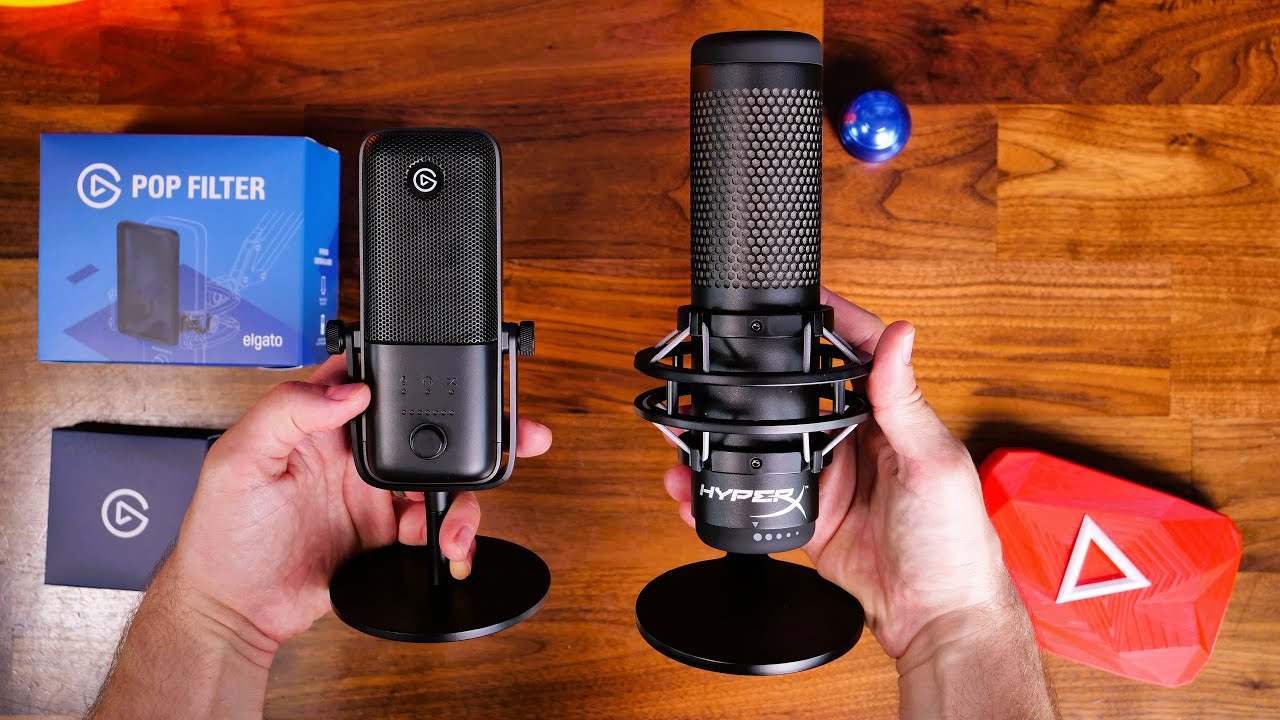
For streaming, the Elgato Wave 3 has a noticeable advantage. The microphone itself delivers clean, natural voice reproduction, but the real differentiator is Wave Link. Instead of simply controlling microphone volume, Wave Link functions as a digital mixer that lets you independently manage game audio, Discord, music, alerts, browser audio, and your microphone without additional hardware. This makes balancing a live stream significantly easier.
Another benefit is Clipguard technology, which automatically prevents clipping when you unexpectedly raise your voice. Loud reactions remain clean instead of becoming distorted.
The QuadCast still performs very well for streaming. Its warm vocal tone sounds engaging, and its built-in shock mount reduces desk vibrations effectively. Many streamers also appreciate the distinctive RGB lighting, which gives the microphone a polished appearance on camera.
Winner for streaming: Elgato Wave 3
Podcasting
Podcasting requirements vary depending on the format. If you’re recording solo episodes, educational videos, or narration, the Wave 3 generally produces cleaner speech with less editing required afterward. Voices remain balanced and articulate without sounding overly processed.
However, podcasts involving multiple hosts tell a different story. The QuadCast’s four pickup patterns allow it to handle interviews and group conversations much more effectively than the Wave 3. Switching to bidirectional or omnidirectional mode can eliminate the need for additional microphones in some recording setups.
Winner for solo podcasts: Elgato Wave 3
Winner for multi-person podcasts: HyperX QuadCast
Vocal Recording
Both microphones capture speech well, but their personalities differ.
The Wave 3 prioritizes accuracy. Voices sound natural, detailed, and balanced, making it particularly suitable for narration, educational videos, audiobook recording, and professional communication.
The QuadCast adds more warmth and low-end presence. Some creators prefer this fuller sound because it creates a more “broadcast” style voice immediately after recording. The trade-off is that the QuadCast can pick up more room reflections and background ambience, particularly in untreated spaces.
If your recording environment isn’t acoustically treated, the Wave 3 usually produces cleaner results with less post-processing.
Winner for vocal clarity: Elgato Wave 3
Sound Profile Breakdown
While frequency response charts only tell part of the story, each microphone has a recognizable sound signature.
Elgato Wave 3
The Wave 3 delivers neutral frequency response, excellent speech intelligibility, strong background rejection, low self-noise, and minimal coloration. Because it captures voices naturally, it’s easier to apply EQ later if you want a different sound.
HyperX QuadCast
The QuadCast emphasizes slightly richer low frequencies, fuller vocal presentation, softer high frequencies, more room ambience, and less aggressive background rejection. Many listeners enjoy this warmer character, although some recordings benefit from light EQ and noise reduction.
Neither microphone sounds objectively better. The Wave 3 aims for accuracy. The QuadCast prioritizes personality.
Setup & Ease of Use
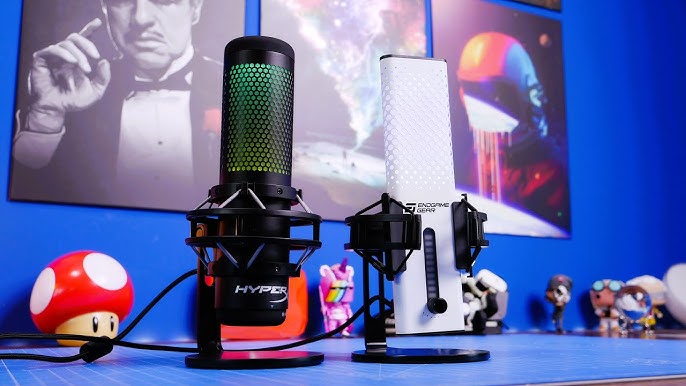
Neither microphone is difficult to set up. Simply connect the USB cable, select the microphone in your recording software, and begin recording.
The QuadCast includes several accessories that reduce additional purchases, including an integrated shock mount, internal pop filter, adjustable desktop stand, and four-pattern selector.
The Wave 3 has a simpler physical design but compensates with superior software. Wave Link transforms the recording experience by giving creators centralized control over every audio source, something that would otherwise require external mixers or more complicated software routing.
For beginners who want an all-in-one hardware package, the QuadCast feels easier. For creators planning to stream regularly, the Wave 3’s software becomes a major long-term advantage.
Value for Money
Both microphones offer strong value, but for different reasons.
The HyperX QuadCast packs a considerable amount of hardware into one purchase. Multiple pickup patterns, a shock mount, pop filter, and distinctive RGB lighting make it an attractive package for users who want flexibility without buying extra accessories.
The Elgato Wave 3 invests more heavily in recording performance and workflow. Its cleaner sound, Clipguard technology, and especially Wave Link software provide ongoing benefits that many creators continue to appreciate long after the initial purchase.
If you only consider what’s included inside the box, the QuadCast appears to offer more. If you consider years of daily use, software features, and audio quality, the Wave 3 often delivers greater overall value.
Final Verdict: Which One Should You Buy?
The right microphone depends less on price and more on how you create content.
Choose the Elgato Wave 3 if you primarily stream, create YouTube videos, record voice-overs, attend online meetings, or produce solo podcasts. It consistently delivers cleaner vocal recordings, rejects background noise more effectively, and pairs with Wave Link, one of the best software suites available for USB microphones. For most solo creators, it’s the stronger overall choice.
Choose the HyperX QuadCast if you frequently record interviews, host multi-person podcasts, or want a microphone that looks great on camera straight out of the box. Its four pickup patterns provide versatility that the Wave 3 simply doesn’t offer, and its warmer sound profile appeals to creators who prefer a fuller voice without much adjustment.
For the majority of solo streamers and content creators, the Elgato Wave 3 earns the overall recommendation because of its superior software ecosystem, cleaner sound, and long-term workflow advantages. The HyperX QuadCast remains the better option when recording flexibility and multiple pickup patterns are higher priorities than software features.


