Binaural Recording Equipment and Gear Recommendations

Binaural Recording Equipment and Gear Recommendations

Binaural recording equipment lets creators reproduce audio the way human ears naturally hear it, making recordings sound three-dimensional and lifelike. Whether you’re using in-ear mics or a full dummy head system, this guide explores recommended gear, recording methods, FAQs, and tips to help you start capturing immersive sound for ASMR, VR, music, and field production.

New “Visual Microphone” Lets Scientists Hear Sound by Watching Vibrations

New “Visual Microphone” Lets Scientists Hear Sound by Watching Vibrations

Scientists have developed a new type of “visual microphone” that captures sound by observing tiny vibrations on objects rather than using traditional audio sensors. The technology converts visual motion into sound, opening new possibilities where regular microphones fall short.

How to Build Your Own DIY Contact Microphone

How to Build Your Own DIY Contact Microphone

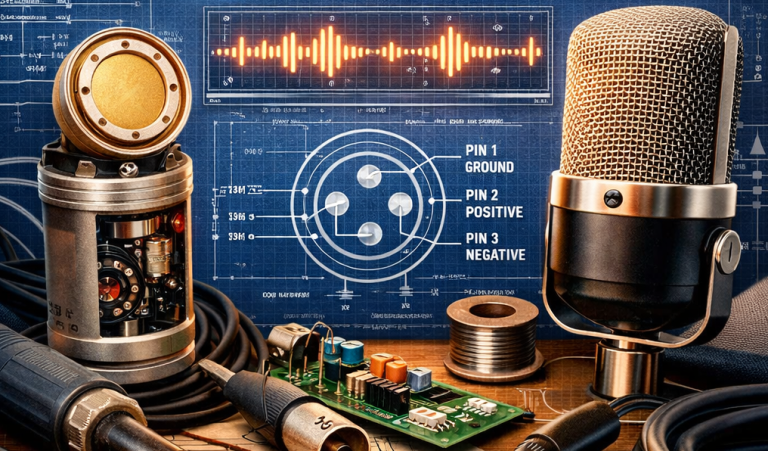
A diy contact microphone lets you capture vibrations directly from surfaces, instruments, and objects for unique sound recordings. With just a piezo disk, wires, hot glue, and a soldering iron, you can build your own contact mic and connect it to an audio interface, amplifier, or mixer. Adding insulation like heat shrink tubing and using shielded cable ensures durability and the best sound quality.

6 Best Uses for Contact Microphones in Field Recording

6 Best Uses for Contact Microphones in Field Recording

Contact microphones capture vibrations directly from solid objects, making them ideal for recording hidden or subtle sounds in field work. From resonating surfaces and industrial machinery to natural soundscapes and musical textures, they allow recordists to isolate unique audio without environmental noise interference.