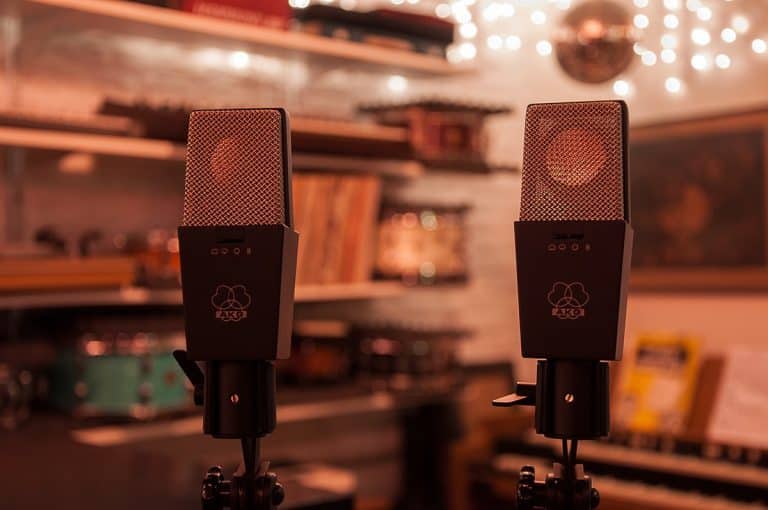
Contact Mics vs Traditional Microphones: A Comparison
Table of Contents
Musicians, audio engineers, and DIY creators often debate whether to use a contact microphone or a traditional microphone for recording. Each type has unique strengths, weaknesses, and best-use scenarios. Understanding these differences can help you choose the right mic for your project.
What Is a Contact Microphone?
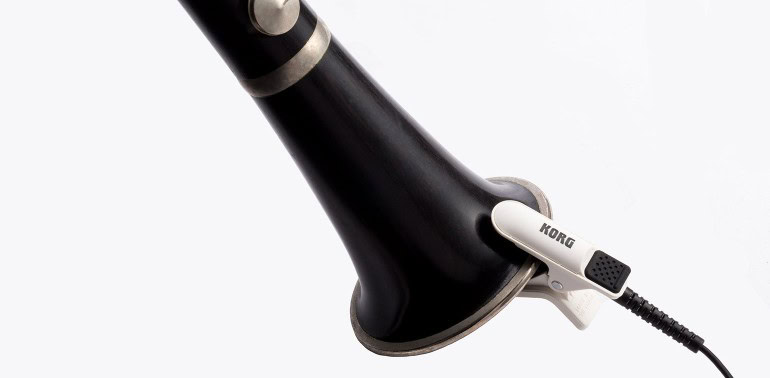
A contact microphone (or contact mic) is a small device that picks up vibrations directly from the surface of an object instead of capturing airborne sound. It typically uses a piezo element or piezo disc to convert mechanical vibrations into electrical signals.
How Do Contact Mics Work?
- They attach directly to instruments or surfaces.
- They sense vibration through solid contact rather than through air.
- They often require very high impedance preamps or an audio interface with proper gain to work effectively.
What Is a Traditional Microphone?

A traditional microphone converts sound waves traveling through the air into electrical signals. They come in different designs, such as dynamic, condenser, and ribbon microphones, each suited to different recording needs.
How Do Traditional Microphones Work?
- They capture sound through a diaphragm that vibrates when struck by air pressure changes.
- They are widely used for vocals, instruments, podcasts, and live performances.
- Many require phantom power (in the case of condenser microphones).
Key Differences Between Contact Mics and Traditional Microphones
Sound Capture
Contact mics capture sound by detecting internal vibrations, which makes them ideal for recording instruments like guitars, violins, or percussion where direct contact provides a clear, isolated signal. This characteristic also makes them popular in experimental sound design, as they can pick up textures and tones that traditional mics often miss.
Traditional microphones, however, rely on capturing vibrations traveling through the air. This produces a more natural and familiar sound, making them the standard choice for vocals, live performances, and studio recordings where realistic audio reproduction is important.
Sensitivity to Environment
One of the defining qualities of contact mics is their resistance to background noise and room acoustics. Because they work through direct surface contact, they avoid most issues related to echoes or environmental sounds.
Traditional microphones are much more sensitive to their surroundings, meaning that microphone placement, room acoustics, and ambient noise play a significant role in shaping the final recording. This sensitivity can be a disadvantage in noisy or untreated spaces, but is often valued in professional studios for capturing depth and atmosphere.
Portability and Setup
Contact mics are compact, lightweight, and easy to attach with adhesives, tape, or clamps, making them convenient for quick recordings or mobile setups. Their simplicity appeals to musicians and DIY builders who want flexibility without carrying bulky equipment.
Traditional microphones, by contrast, generally require more setup, including stands, pop filters, shock mounts, and sometimes acoustic treatment in the recording space. While this adds complexity, it also allows for a higher degree of control and precision in sound capture.
Cost and Accessibility
Contact mics are usually inexpensive and widely accessible, especially for those interested in DIY audio projects. Many musicians build their own using piezo discs, hot glue, and shielded cables, which makes them a cost-effective entry point into specialized recording.
Traditional microphones span a wide price range, from budget-friendly models suitable for beginners to high-end professional options used in recording studios. While more expensive, they offer greater versatility and refined audio quality that contact mics cannot always match.
Which One Should You Use?

When to Use a Contact Mic
- Recording acoustic guitar, violin, or other stringed instruments without capturing room noise.
- Experimenting with unconventional sounds by attaching the mic to unusual surfaces like metal, wood, or glass.
- DIY projects and portable setups where low cost and simplicity matter.
When to Use a Traditional Microphone
- Capturing vocals, speech, and singing with natural tone.
- Recording drum kits, brass instruments, or ensembles.
- Live sound reinforcement and podcasting.
Can You Use Both Together?
Many musicians combine a contact mic and a traditional microphone to create a fuller sound. The contact mic captures internal vibrations, while the traditional mic records the air resonance. Blending both signals can produce a rich and unique recording.
Pros and Cons at a Glance
Contact Mics
- Pros: Isolate vibrations, reduce room noise, inexpensive, easy to build.
- Cons: Can sound harsh or tinny without a proper preamp, limited frequency response.
Traditional Microphones
- Pros: Natural sound, versatile, wide frequency response.
- Cons: Sensitive to noise, may require treated recording space, higher cost for professional models.