Blue Yeti vs Rode NT-USB: Which USB Microphone Is Better for Streaming, Podcasting, and Recording?
Table of Contents
USB microphones have become the default starting point for creators because they remove most of the complexity from recording. You don’t need an audio interface, phantom power, or studio-level technical knowledge. Plug the microphone into a computer, open OBS, Discord, Audacity, or your recording software, and you’re ready to go.
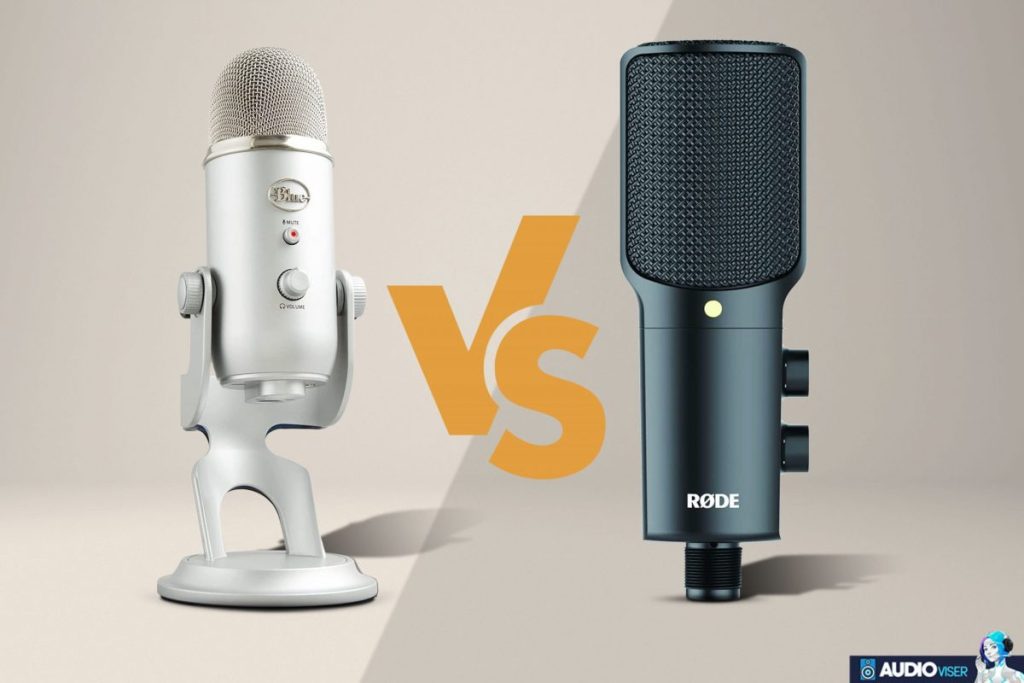
That simplicity is exactly why the Blue Yeti and Rode NT-USB continue dominating comparison searches years after release. Both microphones target creators who want professional-sounding audio without building a full XLR setup. But despite sitting in the same category, they approach recording very differently.
The Blue Yeti prioritizes flexibility and features. The Rode NT-USB prioritizes vocal refinement and cleaner voice capture. That difference affects everything from streaming quality to background noise handling to long-term usability. Choosing the wrong one for your environment or content style can leave you fighting echo, harshness, keyboard noise, or muddy recordings every single day.
This comparison breaks down how both microphones actually perform in real creator setups rather than relying on generic spec sheet comparisons.
Who Each Mic Is For
The Blue Yeti Is Built for Creators Who Want Flexibility
The Blue Yeti became one of the most popular USB microphones ever because it adapts to almost anything. A beginner can use it for Twitch streaming at night, record a podcast the next day, then switch to interview mode for collaborative content without buying another microphone. That versatility still gives it a huge advantage.
Most USB microphones only support cardioid recording, meaning they capture sound directly in front of the microphone. The Blue Yeti includes multiple polar patterns:
- Cardioid
- Omnidirectional
- Bidirectional
- Stereo
For creators experimenting with different formats, those extra modes genuinely matter. A solo streamer can use cardioid mode. Two podcasters sharing a desk can use bidirectional mode. Musicians recording acoustic instruments can experiment with stereo capture.
The Blue Yeti also appeals heavily to creators who want immediate control directly on the microphone itself. Gain adjustment, mute functionality, headphone volume, and polar pattern switching are all accessible without opening software. That convenience becomes valuable during live streams and long recording sessions.
The Yeti works especially well for:
- Streamers
- Beginner creators
- Multi-purpose content creators
- Gamers
- Interview-style podcasts
- YouTubers testing different recording formats
The downside is that the Yeti demands more environmental awareness. Its sensitivity can expose poor room acoustics aggressively if users don’t position it correctly.
The Rode NT-USB Is Built for Creators Prioritizing Vocal Clarity
The Rode NT-USB takes a much narrower but more refined approach. Instead of trying to handle every possible recording scenario, it focuses heavily on producing cleaner vocal recordings for solo creators. The microphone feels less like a gaming accessory and more like a simplified studio condenser microphone. That distinction becomes obvious immediately once recordings start.
The Rode NT-USB typically sounds more controlled, smoother, and cleaner during spoken-word content. Vocals tend to sit naturally in recordings without requiring as much EQ correction or noise cleanup afterward. This makes the microphone particularly appealing for:
- Podcasters
- Voice-over artists
- YouTubers
- Educators
- Remote workers
- Narration creators
Its cardioid-only design limits flexibility compared to the Blue Yeti, but many creators never actually use additional polar patterns anyway. For someone recording alone in a home office or bedroom studio, the Rode’s focused vocal capture often becomes more useful than extra recording modes.
The Rode NT-USB also tends to work better for creators recording in imperfect rooms. It still captures background noise because it’s a condenser microphone, but it usually sounds less echo-heavy than the Blue Yeti in untreated spaces. That difference matters more than most spec comparisons admit.
Real Use Case Performance
Streaming Performance
The Blue Yeti became deeply connected with Twitch and gaming culture for a reason. It creates a large, energetic vocal sound that immediately feels like an upgrade over gaming headsets or budget USB microphones. For live streaming, that bigger sound signature often works well.
Viewers typically respond positively to stream audio that feels full and present, especially during reaction-heavy or personality-driven content. The Blue Yeti naturally pushes vocals forward with a richer low-end tone that many streamers enjoy. Its onboard controls also help during live sessions. Muting quickly, adjusting headphone monitoring, or tweaking gain without opening software is genuinely convenient when streaming for several hours.
But the Yeti’s biggest weakness appears in normal gaming setups. Mechanical keyboards, desk vibrations, mouse clicks, and room reflections can become extremely noticeable if gain levels are too high. Many streamers unknowingly place the microphone too far away, increase gain aggressively, and accidentally turn their room noise into part of the broadcast.
The Rode NT-USB usually performs more consistently in smaller or untreated streaming environments. It tends to isolate vocals more naturally, which reduces listener fatigue during longer streams. Speech intelligibility also remains stronger during chaotic gameplay moments.
For streamers prioritizing energetic vocal presence, versatility, and live controls, the Blue Yeti often feels more exciting. For streamers who value cleaner audio, lower room noise, and easier long-term audio management, the Rode NT-USB often becomes the smarter choice.
Podcasting Performance
Podcasting exposes microphone weaknesses quickly because listeners focus almost entirely on voice quality. This is where the Rode NT-USB starts pulling ahead for many creators. The microphone produces a cleaner and more focused vocal presentation that fits spoken-word content naturally. Dialogue usually sounds smoother immediately, especially in untreated home setups where reflections and echo become difficult to control.
That cleaner vocal response matters because podcast editing compounds microphone problems. A microphone with excessive room noise or harsh frequencies often requires:
- EQ correction
- Noise reduction
- De-essing
- Compression cleanup
The Rode NT-USB generally reduces that workload.
The Blue Yeti still performs well for podcasting, especially when positioned properly. Its fuller sound can create a dramatic “broadcast” tone that some creators prefer. But it’s less forgiving when recording conditions aren’t ideal. Where the Yeti regains an advantage is in collaborative podcasting. Its bidirectional mode allows two people sitting across from each other to record using one microphone. That flexibility makes it attractive for beginner podcast setups without requiring multiple microphones or audio interfaces.
Still, for solo podcasting, narration, and educational content, the Rode usually sounds more polished with less effort.
Vocal Recording Performance
For singing, voice-over work, and narration, both microphones deliver respectable results, but they emphasize vocals differently. The Blue Yeti creates a thicker and more bass-forward vocal sound. Certain voices benefit from this immediately because the microphone adds weight and presence naturally. Deep voices, especially, can sound powerful through the Yeti.
But there’s a tradeoff. The microphone’s sensitivity and boosted presence can sometimes exaggerate sibilance, room reflections, plosives, and harsh consonants. Vocals can become overly boomy or sharp depending on positioning and room acoustics.
The Rode NT-USB generally sounds more balanced and studio-oriented. High frequencies feel smoother, midrange detail comes through more clearly, and spoken vocals tend to sit more naturally in recordings. For voice-over work, narration, YouTube commentary, and educational content, that balance often sounds more professional.
Neither microphone fully replaces a dedicated XLR studio setup for serious music production, but both are more than capable for:
- Demo recordings
- YouTube vocals
- Livestream singing
- Casual music production
- Voice content creation
The Rode usually wins for cleaner vocal realism. The Blue Yeti often wins for personality-driven vocal presence.
Sound Profile Breakdown
The Blue Yeti Sounds Bigger and More Aggressive
The Blue Yeti’s sound profile immediately feels larger. It pushes vocals forward with a stronger low-end presence and a more dramatic tone that many beginners interpret as “radio quality.” This creates an exciting sound for gaming streams, reaction content, and energetic commentary.
But the microphone’s frequency balance can become problematic in reflective rooms. The added presence sometimes emphasizes harsh consonants and room reflections more aggressively than expected. Voices can sound slightly exaggerated if the microphone positioning isn’t controlled carefully.
This is why opinions on the Yeti vary so dramatically online. In a treated room with proper placement, the Yeti can sound excellent. In a reflective bedroom with poor gain staging, it can sound hollow and noisy very quickly. The Yeti also reacts heavily to distance. Move too far away from the microphone, and the room ambience immediately starts dominating recordings. This is one of the most common mistakes beginners make.
The Rode NT-USB Sounds Cleaner and More Controlled
The Rode NT-USB focuses less on dramatic coloration and more on vocal clarity. Its recordings usually sound tighter, smoother, and more refined immediately after setup. Midrange frequencies remain articulate without becoming overly sharp, which helps spoken dialogue sound natural over long listening sessions. That smoother presentation is especially noticeable with:
- Podcasts
- Narration
- Educational videos
- Interviews
- Long-form spoken content
The Rode also tends to manage off-axis noise slightly better than the Yeti. Background sounds still exist, but they usually feel less intrusive inside recordings. This doesn’t mean the Rode sounds boring. It still captures strong vocal detail and presence. It simply avoids the exaggerated low-end and aggressive sensitivity that can make cheaper USB microphones sound messy. For creators recording in untreated home environments, that control becomes a major advantage.
Setup & Ease of Use
Both microphones succeed because they remove technical barriers. No audio interface is required. No complicated signal chain exists. Most users can connect either microphone and begin recording within minutes.
The Blue Yeti offers more onboard functionality directly on the hardware itself. Users can adjust gain, headphone volume, mute, and polar patterns without opening external software. That flexibility helps streamers and creators in constantly changing recording situations. However, the Yeti’s additional features can also confuse beginners. Incorrect polar pattern selection or excessive gain settings often create audio problems that users don’t immediately understand.
The Rode NT-USB simplifies everything. Its cardioid-only design reduces setup complexity dramatically. Most users position the microphone correctly, adjust the input volume once, and continue recording without much experimentation. That simplicity actually becomes a strength for creators who don’t want to constantly troubleshoot audio settings.
Physical setup also matters. The Blue Yeti is significantly larger and heavier. It dominates desk space and can block monitors in compact gaming setups. The included stand also transfers desk vibrations more easily than many users expect. The Rode NT-USB feels cleaner and more studio-oriented physically. It integrates into smaller setups more naturally and generally looks less intrusive on camera. Both microphones benefit enormously from boom arms and proper microphone positioning.
Value for Money
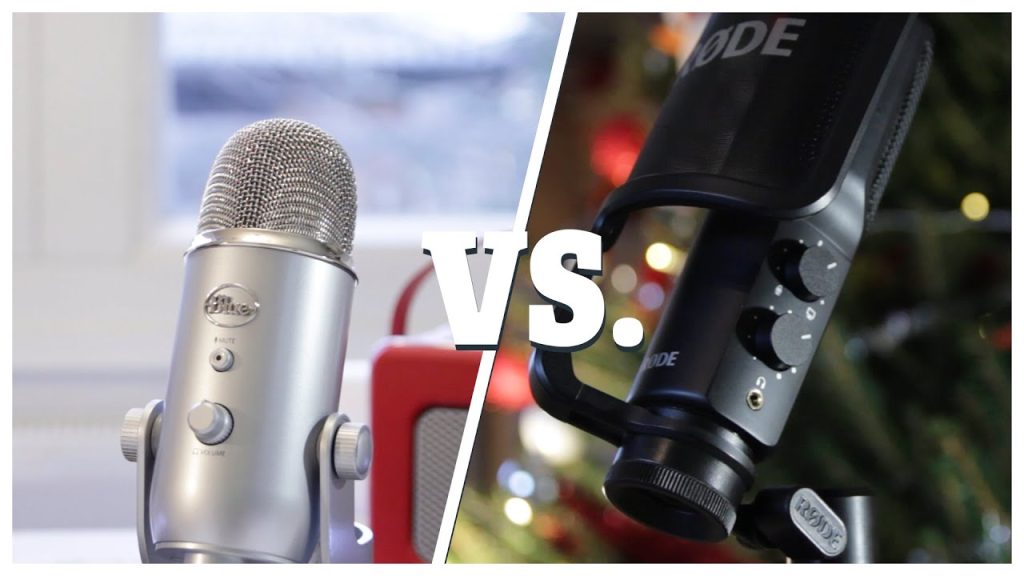
The Blue Yeti delivers outstanding value for creators wanting one microphone capable of handling multiple content styles. Its versatility alone justifies its popularity. Buying separate microphones for interviews, streaming, gaming, and casual recording would cost significantly more than purchasing a single Yeti. For creators still figuring out their workflow, that flexibility matters.
The Rode NT-USB delivers value differently. Instead of maximizing features, it focuses on improving the actual recording experience for voice-centric creators. Cleaner vocal capture often means:
- Less editing
- Less troubleshooting
- Less background cleanup
- More consistent recordings
That time savings becomes valuable long-term. The Rode also tends to age better for serious spoken-word creators because its sound profile remains clean and reliable over time.
Neither microphone is truly “cheap,” but both remain significantly more affordable than building even an entry-level XLR setup involving:
- Audio interfaces
- Microphones
- Cables
- Boom arms
- Preamps
For most creators, both microphones provide enough quality to produce monetized content professionally.
Final Verdict
The Blue Yeti remains the better choice for creators who:
- Stream regularly
- Experiment with different content formats
- Record multiple people
- Want onboard controls
- Value recording flexibility
Its multiple polar patterns still separate it from most USB microphones on the market. For gaming creators and multi-purpose setups, it remains extremely compelling.
The Rode NT-USB is the stronger choice for creators focused primarily on:
- Podcasting
- Narration
- Voice-over work
- YouTube commentary
- Spoken-word content
It generally sounds cleaner, smoother, and more professional with less effort, especially in untreated rooms. For solo creators prioritizing vocal clarity over versatility, the Rode usually wins.
The Best Choice Depends on Your Environment
This comparison ultimately comes down to workflow and recording conditions. The Blue Yeti is more versatile. The Rode NT-USB is more refined. If you want one microphone capable of adapting to many content styles, the Blue Yeti makes more sense. If your primary goal is consistently clean vocal recordings for podcasts, YouTube, or narration, the Rode NT-USB is usually the better long-term investment.