Rode NT1 vs NT1-A: Which Microphone Is Better for Vocals, Streaming, and Podcasting?
Table of Contents
The Rode NT1 and Rode NT1-A have been compared for years, but most discussions oversimplify the differences. You’ll often see people describe the NT1-A as “bright” and the NT1 as “warm,” then stop there. That doesn’t really help if you’re trying to decide which microphone will actually work better for your voice, your room, and the kind of content you create.
The truth is that these microphones behave very differently once you start recording real-world vocals in home studios, untreated bedrooms, podcast setups, or streaming environments. One microphone can make vocals sound polished and modern with very little effort. The other can sound incredibly detailed, but also expose harshness, sibilance, and poor room acoustics if your setup isn’t ideal. That’s why this comparison matters so much.
Both microphones come from RØDE, and both have earned strong reputations among home studio users. But they target slightly different recording philosophies. The older NT1-A became famous because of its ultra-low self-noise and crisp vocal clarity. The newer NT1 evolved into something smoother, more balanced, and easier to work with across a wider range of voices.
If you’re trying to choose between them for singing, podcasting, streaming, voice-over work, rap vocals, or general home studio recording, the details matter far more than the spec sheet.
The Biggest Difference Between the Rode NT1 and NT1-A
The biggest difference between these microphones is how aggressively they present upper frequencies.
The NT1-A has a pronounced brightness that immediately makes vocals sound crisp, detailed, and upfront. When people first hear it, they often interpret that brightness as “professional studio clarity.” That’s one reason the microphone became so popular with beginner vocalists and YouTubers years ago. It creates an exciting sound right away without needing much processing.
The downside is that the NT1-A can become fatiguing very quickly, especially with naturally bright voices or untreated recording spaces. Sibilance becomes more noticeable. Harsh consonants jump forward. Room reflections become easier to hear. If your room has hard walls, desk reflections, or echo problems, the NT1-A tends to exaggerate them.
The newer NT1 takes a more balanced approach. Instead of aggressively emphasizing the top end, the NT1 smooths out the upper mids and high frequencies. Vocals still sound detailed, but they don’t feel as sharp or hyped. The result is usually more natural, more controlled, and easier to mix later. That smoother tuning changes the entire recording experience.
The NT1 tends to sound fuller in the low mids, more forgiving with harsh voices, and less exhausting during long recording sessions. Many content creators and engineers now prefer it because modern vocal production often adds brightness during mixing anyway. Starting with a smoother source recording gives you more flexibility.
Why the NT1-A Became Popular
The NT1-A exploded in popularity during the home studio boom because it solved several beginner problems at once.
First, it was affordable for an XLR condenser microphone with studio-level aspirations. Second, it delivered extremely low self-noise, which made recordings sound clean even with budget interfaces. Third, the bright frequency response helped vocals cut through mixes without much EQ. At the time, many budget microphones sounded muddy or dull. The NT1-A sounded exciting by comparison.
For singers recording pop vocals, acoustic covers, or YouTube music content, that instant clarity made a strong first impression. The microphone also became heavily recommended in beginner recording forums, which reinforced its reputation.
The issue is that many people eventually discovered the microphone could become unforgiving over time. Voices with strong upper mids often sounded brittle. S sounds became piercing. Compression sometimes exaggerates harshness even more. That doesn’t mean the NT1-A is bad. It simply means it’s more specialized than its reputation suggests.
How the Modern NT1 Changed the Formula
The modern NT1 feels like Rode listened carefully to years of user feedback. Instead of chasing exaggerated brightness, the NT1 focuses on balance. It still captures detail extremely well, but it avoids the hyped treble response that made the NT1-A controversial for some users.
That smoother presentation works especially well in modern home studios because most creators don’t record in acoustically perfect environments. Bedrooms, gaming setups, and office spaces usually contain reflections that brighter microphones emphasize.
The NT1 handles those spaces better. Vocals tend to sound denser and more controlled straight out of the microphone. Even before EQ, recordings often feel closer to a finished studio sound.
Another major improvement is how the NT1 reacts to processing. It usually tolerates compression, saturation, de-essing, and EQ far better than the NT1-A. Engineers can push vocals harder without the top end becoming painfully sharp. That’s one reason the NT1 has become increasingly popular with streamers, podcasters, and modern vocal producers.
Who Each Mic Is For
Who Should Buy the Rode NT1
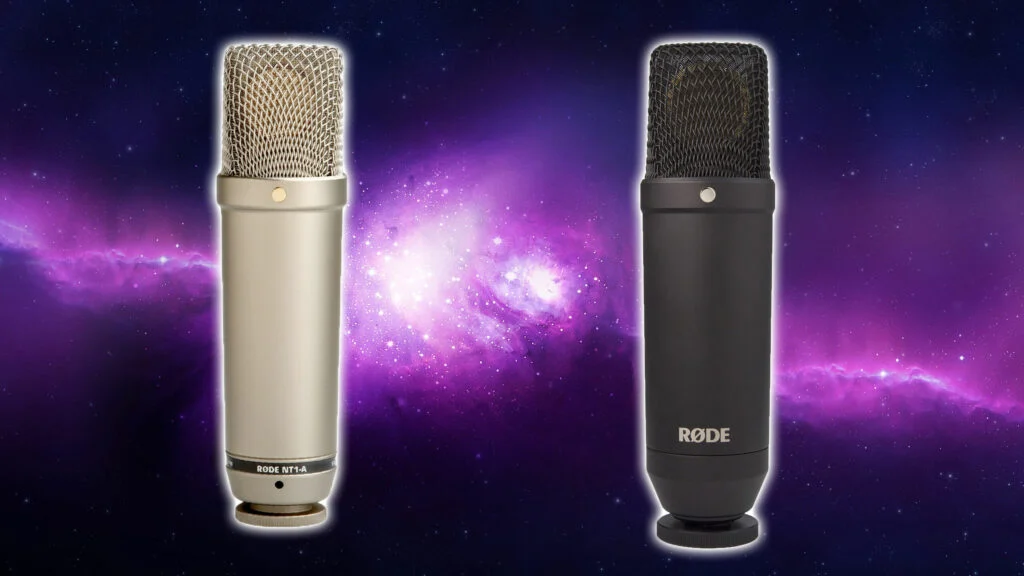
The Rode NT1 is the better choice for most people today, especially creators recording in untreated rooms.
It works particularly well for:
- Streamers
- Podcasters
- Singers with bright voices
- Rap vocals
- Spoken word
- Long recording sessions
- Home studios with poor acoustics
The smoother sound signature gives recordings a more polished foundation before mixing even begins. If you don’t have extensive audio engineering knowledge, the NT1 is simply easier to work with. It’s also more forgiving with microphone technique. Small head movements don’t drastically change tonal balance. Sharp consonants remain controlled more often. Plosives and sibilance usually require less correction during editing.
For podcasting and streaming, that matters a lot because many creators want clean audio without spending hours fixing harsh frequencies afterward. The NT1 is especially strong for deeper voices. Lower vocal registers often sound rich and natural instead of overly sharp. Male vocals typically benefit from the added smoothness, though many female vocalists also prefer the more balanced tuning.
Who Should Buy the Rode NT1-A
The NT1-A still makes sense for certain users. If your voice naturally sounds dark, soft, or recessed, the NT1-A can add helpful clarity and air. Some singers specifically want that crisp top-end presence because it helps vocals stand out in dense mixes. The microphone can also work well for:
- Acoustic guitar
- Certain female vocals
- Pop singing
- Bright modern vocal styles
- Highly treated studio environments
If your room is acoustically controlled and you understand vocal processing, the NT1-A can sound impressively detailed. The problem is that many beginners buy it expecting universal performance. In reality, the microphone is much more dependent on good room acoustics and careful processing.
Which Mic Is Better for Beginners?
For beginners, the NT1 is usually the safer purchase. That recommendation has less to do with technical specs and more to do with real-world usability. Most new creators don’t have professionally treated rooms. Most aren’t experienced with de-essing or corrective EQ. Most want recordings that already sound smooth before editing. The NT1 helps achieve that.
The NT1-A can absolutely sound fantastic, but it requires more awareness of vocal tone, mic placement, room acoustics, and post-processing. Beginners often mistake excessive brightness for quality at first, only to realize later that their recordings sound harsh after compression or headphone monitoring. The NT1 reduces those problems significantly.
Real Use Case Performance
Streaming Performance
For streaming, the NT1 is clearly the stronger microphone for most users. Live streaming environments are unpredictable. Mechanical keyboards, reflective walls, PC fan noise, and untreated spaces all influence microphone performance. A brighter condenser microphone like the NT1-A tends to expose all of that extra information.
The NT1 behaves more naturally in these environments. Your voice sounds fuller and less piercing during long broadcasts. Audience fatigue also becomes less of an issue because the smoother upper mids create a more relaxed listening experience. That matters more than people realize. Many streamers focus entirely on clarity, but sustained listening comfort is equally important. A microphone that sounds overly sharp after two hours can negatively affect viewer retention.
The NT1 also responds well to real-time processing through software like OBS, Wave Link, or GoXLR setups. Compression and EQ tend to sound smoother without creating brittle highs.
The NT1-A can still work for streaming, particularly if you want maximum vocal brightness. But it’s much easier for the microphone to sound overly aggressive during energetic gameplay or louder speaking moments.
Podcasting Performance
Podcasting reveals another major difference between these microphones. The NT1 produces a more intimate, radio-friendly sound that works extremely well for long-form spoken content. Voices feel dense and natural without requiring aggressive post-processing. That’s incredibly valuable because podcast listeners are highly sensitive to harsh frequencies during extended listening sessions.
The NT1-A often sounds more “impressive” in short clips because of the boosted clarity, but over a full 45-minute conversation, the sharper top end can become tiring.
Speech intelligibility is another factor. The NT1 captures articulation clearly while maintaining warmth in the lower mids. Words feel solid and grounded instead of thin or overly crispy. For narrative podcasts, interviews, commentary channels, and educational content, that tonal balance usually sounds more professional.
Singing and Vocal Recording
This is where personal voice characteristics matter most. The NT1 excels with:
- Bright voices
- Aggressive vocals
- Modern pop production
- Rap
- Layered vocals
- Emotional vocal performances
It captures detail without overemphasizing harshness. Compression remains smoother, which is especially useful for modern vocal chains involving saturation and limiting.
The NT1-A shines more with darker voices needing extra presence. Some singers genuinely benefit from the additional sparkle. Certain pop vocals sound immediately polished because the microphone pushes upper frequencies forward naturally. But there’s a tradeoff. If your voice already contains strong upper mids, the NT1-A can become difficult to manage during mixing. De-essing becomes more aggressive. EQ cuts become necessary. Harshness can build quickly once multiple vocal layers stack together.
The NT1 generally creates a more mix-friendly starting point.
Rap and Spoken Word Vocals
The NT1 has become particularly popular for rap vocals because it handles aggressive delivery better. Fast consonants, plosives, and intense upper-mid energy remain more controlled. Vocals sound powerful without becoming piercing. That’s important because rap processing chains often involve heavy compression, saturation, and limiting. A naturally bright microphone can become extremely harsh after those effects. The NT1 tolerates aggressive processing much better.
The NT1-A can still sound excellent for certain rap styles, especially softer melodic vocals, but it’s less forgiving with intense performances.
Acoustic Instruments and Guitar Recording
Acoustic guitar recordings highlight the tonal philosophies of these microphones very clearly. The NT1-A emphasizes string detail and pick attack. Fingerstyle performances can sound crisp and airy. Bright acoustic guitars gain extra sparkle.
The NT1 focuses more on body resonance and tonal balance. Instead of aggressively spotlighting the top end, it captures a fuller representation of the instrument. Many producers prefer this because they can always add brightness later if needed.
Again, the room matters. Bright condenser microphones tend to expose room reflections during acoustic recordings. The NT1 usually handles imperfect home studios more gracefully.
Sound Profile Breakdown
How the Rode NT1 Actually Sounds
The NT1 sounds smooth, balanced, and modern. Its low end feels controlled without becoming muddy. The midrange remains natural and detailed. The high frequencies stay present without sounding exaggerated. What stands out most is how “finished” the microphone can sound before processing. Vocals often sit naturally in a mix with minimal corrective EQ.
There’s also a sense of density to the sound. Voices feel substantial and intimate rather than thin or hyper-detailed. That characteristic makes the NT1 versatile across many voice types.
How the Rode NT1-A Actually Sounds
The NT1-A sounds brighter, sharper, and more immediate. The upper frequencies push forward aggressively, creating a sense of detail that immediately grabs attention. On the right voice, this can sound stunning.
But the microphone has less margin for error. Poor microphone placement, untreated rooms, or naturally sharp vocal tones become more noticeable very quickly. Some users describe the NT1-A as “airy.” Others describe it as “harsh.” Both descriptions can be accurate depending on the recording environment and vocalist.
Brightness vs Warmth
This comparison often gets oversimplified. The NT1 isn’t a dark microphone. It still captures plenty of detail and clarity. The difference is that it avoids the exaggerated high-frequency emphasis found in the NT1-A.
The NT1-A creates a brighter presentation by pushing more upper-mid and treble information forward. That added energy can increase perceived clarity, but it can also exaggerate unpleasant frequencies.
The NT1 focuses on balance instead of excitement. For many modern creators, that balanced approach ends up sounding more expensive and professional over time.
Sibilance and Harshness
This is one of the most important differences between these microphones. Sibilance refers to the harsh S, SH, and CH sounds that can become piercing in recordings. Bright condenser microphones often exaggerate these frequencies.
The NT1-A is significantly more prone to sibilance issues. Voices with natural brightness can become difficult to manage very quickly, especially after compression.
The NT1 handles sibilance far more gracefully. You’ll still need good microphone technique and proper positioning, but the microphone itself doesn’t aggressively spotlight those frequencies. That alone makes the NT1 easier for many users.
How They Handle Compression and EQ
The NT1 behaves much better under heavy processing. Compression thickens the vocal without dramatically increasing harshness. Saturation sounds smooth. EQ boosts remain controlled.
The NT1-A becomes more unpredictable once heavy processing enters the chain. Brightness can escalate rapidly, forcing engineers to spend more time controlling upper frequencies. This difference matters enormously in modern production workflows where vocals often undergo substantial processing.
Which Mic Sounds More Professional?
For most modern listeners, the NT1 sounds more professional overall. The smoother response creates a polished studio character that resembles higher-end condenser microphones. The NT1-A sometimes sounds impressive initially, but it can reveal its aggressive tuning during extended listening.
Professional audio isn’t just about clarity. It’s about balance, control, and listening comfort. The NT1 generally achieves that more consistently.
Setup and Ease of Use
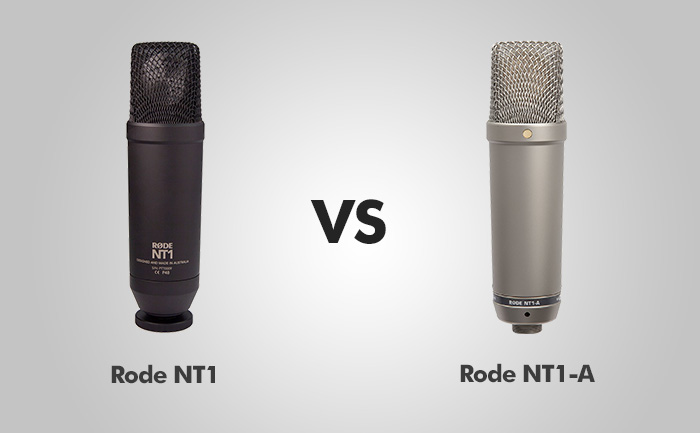
Both microphones are relatively easy to integrate into a home studio, but the NT1 is usually easier to manage overall because it’s more forgiving during recording.
The first thing to understand is that both microphones are XLR condensers, which means they require an audio interface with phantom power. You can’t plug them directly into a standard computer headphone jack or gaming console. Interfaces like the Focusrite Scarlett 2i2, Elgato Wave XLR, or Universal Audio Volt 2 pair extremely well with both microphones.
Neither mic is particularly difficult to drive. Gain requirements are moderate, and even entry-level interfaces usually provide enough clean amplification. That said, the NT1’s smoother character tends to hide imperfections from budget interfaces more effectively. The NT1-A can reveal harsher preamp characteristics because of its elevated high frequencies.
Microphone placement also matters more with the NT1-A. Slight positioning mistakes become easier to hear because the microphone captures upper-mid detail very aggressively. If you angle the mic incorrectly or record too close to reflective surfaces, harshness appears quickly. The NT1 is more forgiving in this area, especially for inexperienced users.
Both microphones ship with high-quality shock mounts depending on the bundle you purchase, and Rode’s included accessories are generally better than what many competitors provide in this price range. For creators moving from USB microphones to their first XLR setup, the NT1 usually delivers a smoother transition. You spend less time fighting sharp frequencies and more time focusing on performance and content creation.
Value for Money
Value depends heavily on your recording environment and your voice. On paper, the NT1-A often looks like the better bargain because it’s usually cheaper while still offering impressive technical performance. If you compare only specifications like self-noise and sensitivity, the gap between these microphones doesn’t seem dramatic. But real-world value isn’t determined by specs alone.
The NT1 frequently saves users time during editing and mixing. That matters more than people realize. A microphone that naturally produces smoother recordings reduces the need for corrective EQ, aggressive de-essing, or complicated vocal chains. That efficiency becomes incredibly valuable for:
- Daily streamers
- Podcasters
- YouTubers
- Independent musicians
- Content creators handling their own editing
The NT1-A can absolutely provide excellent value in the right circumstances. If your voice benefits from extra brightness and your recording environment is well-treated, the microphone still competes very well for the price. But for the average home studio user, the NT1 generally offers a better long-term investment because it adapts more successfully to imperfect real-world conditions. It’s also less likely to become a “problem-solving” microphone where you constantly fight harshness during mixing.
Rode NT1 vs NT1-A Final Verdict
- Best for Vocals: The NT1 wins for most vocalists because of its smoother, more balanced sound profile. It handles modern vocal processing better and works across a wider range of voices.
- Best for Streaming: The NT1 is the stronger streaming microphone because it produces less listening fatigue and handles untreated rooms more gracefully.
- Best for Podcasting: The NT1 again takes the lead thanks to its natural spoken-word presentation and smoother upper mids.
- Best for Bright Voices: The NT1 is safer and more forgiving.
- Best for Dark Voices: The NT1-A can work beautifully if your voice naturally lacks presence and air.
- Best for Untreated Rooms: The NT1 is significantly better in untreated spaces because it doesn’t exaggerate reflections and harsh frequencies as aggressively.
- Best Budget Choice: The NT1-A still offers strong value if you specifically want a brighter vocal sound and understand its limitations.
- Best Overall: For most creators in modern home studio environments, the Rode NT1 is the better microphone overall. It’s more versatile, easier to mix, more forgiving, and better suited to the realities of streaming rooms, bedrooms, and home content creation setups.
Frequently Asked Questions
Is the Rode NT1 better than the NT1-A for vocals?
The NT1 tends to produce smoother, more natural vocal recordings with less harshness. It also handles compression and EQ more effectively, which helps during mixing. The NT1-A can sound excellent on darker voices, but it’s less forgiving overall.
Why do some people think the NT1-A sounds harsh?
The NT1-A has a strong upper-frequency emphasis that boosts clarity and detail. On certain voices or in untreated rooms, those boosted frequencies can become sharp or sibilant. Compression often exaggerates the issue further.
Which microphone works better in untreated rooms?
The NT1 is usually much better for untreated spaces. Its smoother top end captures fewer harsh reflections and reduces the exaggerated room sound that brighter condensers often create.
Is the Rode NT1 good for streaming?
Yes. It’s one of the best XLR condenser microphones for streaming setups because it combines clarity with a smooth, non-fatiguing sound signature.
Does the NT1-A need EQ?
Often, yes. Many users apply corrective EQ or de-essing to reduce harsh upper frequencies. Some voices work naturally with the microphone, but many setups require additional processing.
What audio interface works best with the Rode NT1 and NT1-A?
Popular pairings include the Focusrite Scarlett 2i2, Audient iD4, MOTU M2, and Universal Audio Volt 2. All provide enough clean gain for these microphones while maintaining strong recording quality.