Rode vs Blue Microphones: Which Brand Is Better for Streaming, Podcasting, and Vocals?
Table of Contents
Choosing between Rode and Blue isn’t as simple as comparing two microphone brands. Both companies have earned strong reputations among podcasters, streamers, musicians, and content creators, but they approach audio in very different ways.
Blue built its reputation by making high-quality USB microphones accessible to everyday creators. The Blue Yeti became one of the most recognizable microphones on YouTube, Twitch, and podcasting platforms because it delivered excellent sound without requiring complicated equipment.
Rode took a different path. The company established itself in professional audio long before content creation exploded. While Rode now offers beginner-friendly USB microphones, many of its products are designed with professional recording principles in mind.
If you’re deciding between a Rode microphone and a Blue microphone, the right choice depends heavily on how you create content, where you record, and what type of voice you’re trying to capture.
Rode vs Blue Microphones at a Glance
At a broad level, Blue microphones tend to prioritize convenience and versatility. Models like the Blue Yeti and Blue Yeti X provide multiple pickup patterns, simple USB connectivity, and a sound profile that works well straight out of the box.
Rode microphones generally focus more on recording quality and long-term scalability. Products like the Rode NT-USB+ and Rode PodMic USB often deliver a more polished and broadcast-ready sound without requiring extensive audio processing.
The biggest difference isn’t necessarily audio quality. Both brands can sound excellent. The real distinction comes from how they capture sound and the types of creators they’re designed to serve.
Who Each Mic Is For
Who Should Buy a Rode Microphone
Rode microphones are often a better fit for creators who want a professional sound from the beginning.
If you’re launching a podcast, recording voiceovers, producing YouTube videos, or creating educational content, Rode’s tuning tends to favor speech clarity and vocal richness. Many Rode microphones emphasize the midrange frequencies where human voices naturally sit. This often creates recordings that sound fuller and more polished without significant editing.
Another advantage is the upgrade path. Products such as the Rode PodMic USB can function as both USB and XLR microphones. A beginner can plug directly into a computer today and later transition into a mixer or audio interface without replacing the microphone. Creators planning to grow their setup over time often appreciate this flexibility.
Who Should Buy a Blue Microphone
Blue microphones excel for creators who want a simple and versatile recording solution.
The Blue Yeti remains popular because it can handle multiple scenarios without additional equipment. A streamer can use it for gaming, a podcaster can record interviews, and a musician can capture acoustic instruments using the same microphone.
Blue’s sound signature tends to be brighter than Rode’s. This added high-frequency presence can make recordings sound more detailed and energetic. Some voices benefit greatly from this characteristic, especially deeper voices that need extra clarity. For users who value simplicity and flexibility above all else, Blue continues to be a strong option.
Real Use Case Performance
Streaming
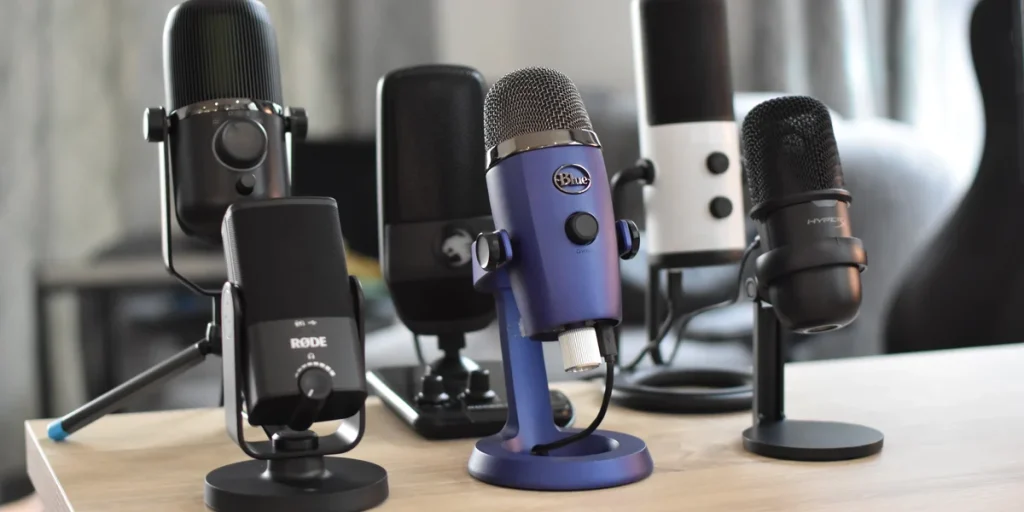
Streaming presents unique microphone challenges because creators often deal with mechanical keyboards, PC fans, air conditioners, and untreated rooms. This is where Rode often gains an advantage.
Many Rode microphones, particularly the PodMic USB, are designed to prioritize the speaker’s voice while reducing environmental distractions. The result is a cleaner audio signal that requires less post-processing.
Blue microphones, particularly condenser-based models like the Blue Yeti, capture a wider range of detail. While this can produce impressive audio quality, it also means the microphone may pick up more room reflections and background sounds. In a professionally treated room, this isn’t a problem. In a typical bedroom gaming setup, it can become noticeable.
Streamers who use loud mechanical keyboards frequently report better results from microphones designed with tighter voice focus, which often favors Rode’s approach. For streaming specifically, Rode generally offers a more forgiving experience.
Podcasting
Podcasting places enormous importance on vocal quality because listeners focus entirely on what they hear.
Rode has become a favorite among podcasters for good reason. The company designs many products specifically around spoken-word recording. Voices often sound fuller, richer, and more radio-ready. Many podcasters find they need less equalization and compression after recording.
Blue microphones can certainly produce professional podcast audio, particularly the Blue Yeti X. However, achieving that polished sound may require additional editing and more attention to recording environment quality.
Another factor is consistency. Podcast episodes are often recorded for hours at a time. Rode microphones tend to maintain a smooth vocal character even when speakers move slightly during recording.
For solo podcasting, Rode frequently has the edge. For multi-person recordings requiring flexible pickup patterns, Blue’s versatility becomes more appealing.
Vocals and Voiceovers
Musicians and voice actors often evaluate microphones differently from podcasters. The question becomes less about convenience and more about character.
Blue microphones often produce a brighter presentation with enhanced detail in the upper frequencies. This can create recordings that feel open and lively, particularly for singing and expressive performances. Voice actors sometimes appreciate this added presence because it enhances articulation and intelligibility.
Rode microphones generally produce a smoother and more natural presentation. Rather than emphasizing brightness, many Rode models focus on balance and realism. For narration, audiobooks, online courses, and professional voiceovers, Rode often delivers a sound that requires less corrective processing.
Singers seeking sparkle and detail may prefer Blue. Voice professionals seeking consistency often lean toward Rode.
Sound Profile Breakdown
How Rode Microphones Sound
When reviewers describe Rode microphones as warm, they’re usually referring to the way Rode handles midrange frequencies. Human voices live primarily within the midrange spectrum. Rode microphones often emphasize this area gently while avoiding excessive brightness. The result is a voice that feels substantial and authoritative.
Many users describe Rode recordings as:
- Smooth
- Full-bodied
- Natural
- Broadcast-like
This characteristic is particularly useful for podcasts, narration, educational content, and professional presentations.
How Blue Microphones Sound
Blue microphones typically offer more high-frequency energy. This doesn’t necessarily mean they sound better. It simply means recordings can appear more detailed and airy. Voices with naturally dark tones often benefit from this presentation because the additional brightness helps improve clarity.
The Blue Yeti became popular partly because recordings immediately sound impressive. New creators often enjoy the enhanced detail because it creates a sense of studio-quality production. However, bright microphones can sometimes exaggerate sibilance, which refers to harsh “S” and “SH” sounds. The effect varies significantly depending on the speaker’s voice.
Which Voice Types Benefit Most
People with deep, bass-heavy voices often sound excellent on Blue microphones because the added brightness balances the natural low-end energy. People with naturally bright or sharp voices frequently benefit from Rode’s smoother tuning.
This isn’t a hard rule. Voice characteristics vary enormously between individuals, but understanding these tendencies can help narrow your decision.
Setup and Ease of Use
USB Simplicity
Both companies understand modern creators want simple setups.
The Blue Yeti remains one of the easiest microphones to install. Connect the USB cable, select the microphone in your operating system, and begin recording.
Rode products such as the NT-USB+ are similarly straightforward. The difference lies in future flexibility. Many Rode products increasingly support both USB and XLR operation, providing an easier upgrade path for creators who eventually want mixers, preamps, and professional audio interfaces.
Software and Controls
Blue microphones often provide more immediate hardware control. Gain adjustment, headphone monitoring, pickup pattern selection, and mute functions are typically available directly on the microphone. This convenience appeals strongly to beginners.
Rode focuses more on streamlined operation and professional workflows. The company’s companion software offers useful processing tools without overwhelming users. Neither approach is objectively better. It depends on whether you prefer extensive onboard controls or a cleaner workflow.
Beginner Experience
For absolute beginners, Blue microphones may feel slightly more approachable because of their versatility and familiar reputation. However, Rode’s newer USB offerings have narrowed the gap considerably. Many first-time creators actually find Rode easier because the microphones often require less tweaking to achieve professional vocal results.
Value for Money
Entry-Level Buyers
At the entry level, Blue provides strong value because a single microphone can serve multiple purposes. The ability to switch pickup patterns means one device can support solo recording, interviews, group discussions, and basic music recording. That flexibility stretches a beginner’s budget.
Growing Creators
As creators become more serious about content production, Rode often becomes increasingly attractive. The company’s microphones tend to scale better with expanding setups.
A microphone that works as both USB and XLR can remain useful for years, even after significant upgrades. This reduces replacement costs and protects the original investment.
Professional Users
Professionals often prioritize consistency, vocal quality, and workflow efficiency over feature count. In these areas, Rode frequently gains the advantage. The sound character, upgrade flexibility, and speech-focused tuning make Rode products especially appealing for professional podcasting and voice production.
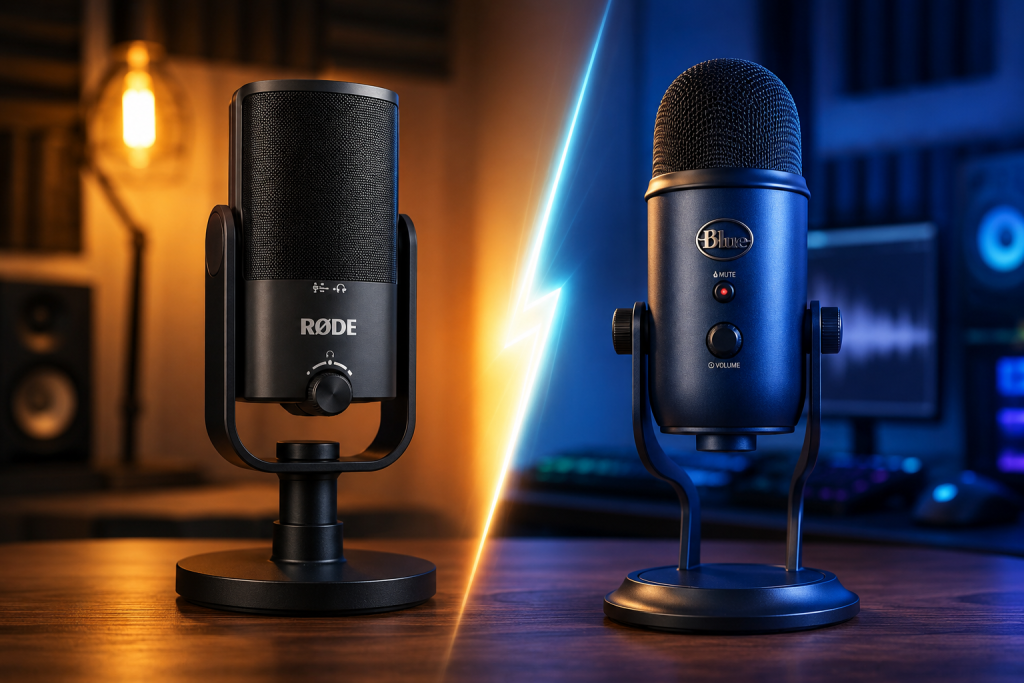
Rode vs Blue: Final Verdict
Best for Streaming
Winner: Rode
Rode generally handles untreated rooms and background noise more effectively while delivering a polished vocal presentation.
Best for Podcasting
Winner: Rode
The speech-focused tuning and professional vocal quality make Rode particularly strong for podcast production.
Best for Vocals
Winner: Blue (slight edge)
Blue’s brighter presentation often works exceptionally well for singers and expressive vocal performances.
Best Overall
Winner: Rode
While Blue continues to offer excellent microphones, Rode currently provides a stronger combination of audio quality, scalability, professional sound, and long-term value for most creators. If you’re starting a podcast, launching a YouTube channel, recording voiceovers, or building a content creation business, Rode is usually the safer long-term investment.
If you want a versatile USB microphone with multiple recording modes and an easy learning curve, Blue remains a compelling choice.
Frequently Asked Questions
Is Rode better than Blue Yeti?
For podcasting and spoken-word content, many creators prefer Rode because its microphones often produce a fuller and more broadcast-ready sound. The Blue Yeti remains excellent for versatility and multi-purpose recording, but Rode frequently delivers a more polished vocal presentation.
Is the Blue Yeti still worth buying?
Yes. Despite increased competition, the Blue Yeti remains one of the most versatile USB microphones available. Its multiple pickup patterns and simple setup continue to make it attractive for beginners, streamers, and casual podcasters.
Which microphone is better for streaming?
Rode generally performs better for streaming because many of its microphones are less sensitive to room noise and background distractions. This makes them easier to use in typical home gaming environments.
Are Rode microphones good for vocals?
Absolutely. Rode microphones are widely used for singing, voiceovers, podcasts, and professional narration. Their balanced sound profile works particularly well for spoken-word recordings.
Which microphone is better for podcasting?
For most podcast creators, Rode has the advantage. The company’s microphones are often tuned specifically for voice recording and tend to require less editing to achieve professional results.
Should I choose a USB or XLR microphone?
If you’re new to recording, USB microphones offer the simplest setup. If you’re planning a long-term content creation journey, a microphone that supports both USB and XLR connectivity can provide greater flexibility as your equipment grows.