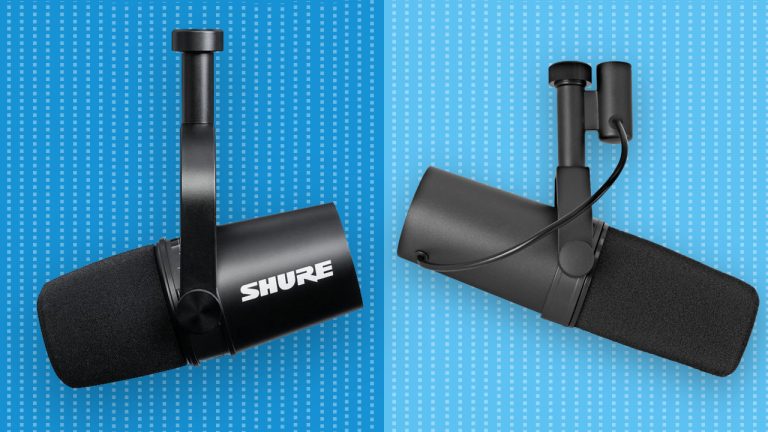
Shure SM7B vs Blue Yeti: Which Microphone Should You Choose?
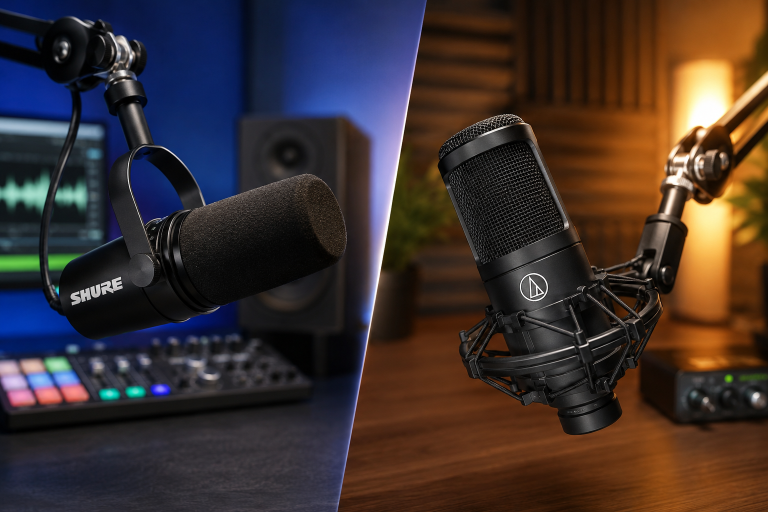
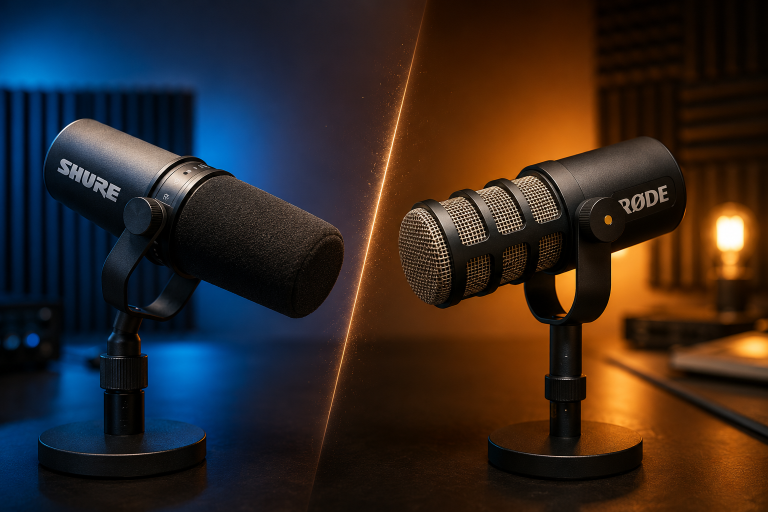
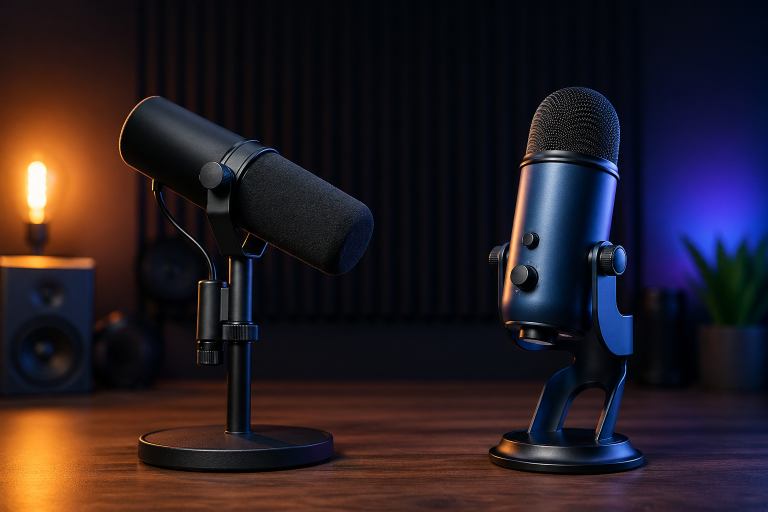
Choosing between the Shure SM7B and Blue Yeti isn’t just about sound. It’s about setup, control, and long-term goals. This guide breaks down exactly which one fits your needs and why.
Trying to choose between the Shure SM7B and MV7? This guide breaks down real-world performance, sound differences, and setup to help you decide.
Becca C. Smith brings her novel Grandma’s Little Secret to life by recording the audiobook herself at home, combining personal storytelling with professional-grade audio quality.
Curious about building your own microphone? This beginner-friendly guide breaks down everything from components to step-by-step construction so you can create a working DIY mic from scratch.
Learn the key safety and listening considerations with binaural beats, including volume levels, headphone use, session length, and how to listen responsibly.
Binaural audio creates a realistic 3D sound experience that mimics how humans naturally hear. From music production and gaming to VR, meditation, and remote training, this immersive technology enhances engagement, spatial awareness, and emotional impact across real-world applications.
Binaural recording is transforming VR and AR environments by delivering highly realistic spatial audio that mirrors how humans naturally hear sound. This immersive recording technique enhances gaming, training simulations, and virtual storytelling by improving directional accuracy, environmental realism, and overall user presence.
Apple is reportedly working on a new AI-powered wearable pin equipped with cameras, microphones, and a speaker, aiming to bring hands-free artificial intelligence into everyday life through a compact device.
Binaural and stereo audio may seem similar, but they create completely different listening experiences. Stereo delivers the familiar left-right soundstage used in most music, while binaural recording captures sound the way human ears naturally hear it, placing the listener inside a full 3D environment. Knowing the difference helps musicians, podcasters, and sound designers choose the right method for their projects.
Binaural recording is an audio technique that captures sound the way humans naturally hear it, creating an immersive, three-dimensional experience through headphones. This introduction explains how binaural recording works, common setups, and where it is used today.