Rode NT-USB vs NT-USB Mini: Which USB Microphone Should You Buy?
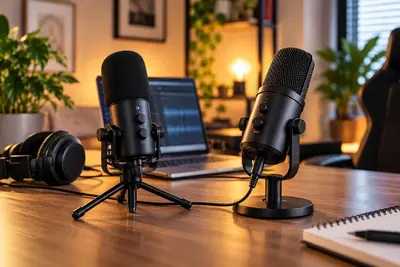
The Rode NT-USB and Rode NT-USB Mini target the same audience on paper. Both are USB condenser microphones designed for creators, streamers, podcasters, and remote workers who want professional-level audio without learning an entire XLR setup. But once you actually start using them, the differences become much more noticeable than most reviews suggest.
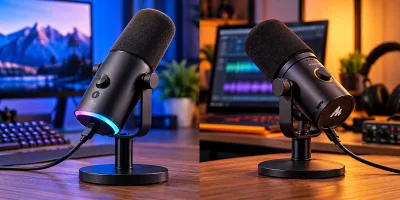
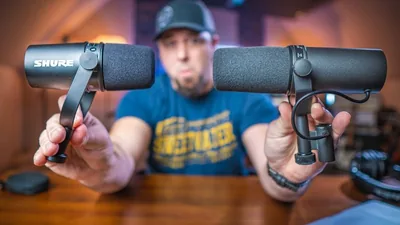
The NT-USB feels closer to a traditional studio microphone. It’s larger, warmer-sounding, and more presentation-focused. The NT-USB Mini takes a different approach. It’s compact, modern, easier to position on crowded desks, and surprisingly good at fitting into smaller untreated rooms where larger condenser microphones often become difficult to manage. That distinction matters more than raw specifications.
A lot of people reduce this decision to simple spec-sheet differences. In reality, your room acoustics, desk setup, streaming workflow, voice type, and recording habits will influence which microphone actually sounds better for you. If you stream on Twitch, record YouTube voiceovers, jump into Discord calls daily, or want a USB microphone that feels genuinely enjoyable to use long term, this comparison needs to go deeper than frequency response charts.
This guide breaks down real-world performance, sound profile differences, streaming behavior, podcasting quality, setup practicality, and long-term value so you can confidently decide which Rode USB microphone actually fits your setup.
Rode NT-USB vs NT-USB Mini at a Glance
The Rode NT-USB and NT-USB Mini share the same core philosophy. Both are designed to give beginners and intermediate creators a cleaner alternative to headset microphones or cheap entry-level USB mics. Both use condenser capsules, both offer direct headphone monitoring, and both are designed around plug-and-play simplicity. But they don’t feel interchangeable once they’re on your desk.
The NT-USB is physically larger and visually resembles a traditional studio condenser microphone. It comes with a more presentation-oriented design philosophy. Rode clearly built it for creators who want that “broadcast microphone” aesthetic while maintaining beginner-friendly USB convenience.
The NT-USB Mini feels much more modern and streamlined. Its compact body fits naturally into gaming setups, smaller desks, dual-monitor workstations, and minimalist creator environments. It’s easier to position, easier to transport, and often easier to integrate into real-world setups where desk space becomes a serious issue.
In terms of sound, the NT-USB generally produces a fuller and warmer presentation. Voices tend to sound slightly richer and more rounded, especially deeper male voices or podcast-style speech. The NT-USB Mini sounds tighter and cleaner. Some users interpret that as thinner, while others hear it as clearer and more controlled. Neither interpretation is entirely wrong.
The right choice depends heavily on how and where you plan to use the microphone.
Who Each Mic Is For
Who Should Buy the Rode NT-USB
The Rode NT-USB makes the most sense for creators who prioritize vocal richness and traditional microphone presentation over compactness.
If you record long-form podcasts, YouTube narration, commentary videos, tutorials, or vocal performances, the NT-USB delivers a fuller and more “studio-like” sound immediately out of the box. It tends to flatter deeper voices especially well because of its slightly warmer low-end response and smoother vocal body.
It’s also better suited for creators who keep their microphone stationary most of the time. The larger form factor isn’t ideal for constantly moving between workstations or traveling with portable setups. But for a dedicated creator desk, it feels substantial and professional.
The included accessories also make the NT-USB feel more complete immediately after unboxing. The pop shield and mounting setup give it stronger out-of-the-box usability for vocal recording compared to many USB microphones in its category.
That said, the NT-USB can become harder to manage in smaller, untreated rooms. Because it behaves more like a traditional condenser microphone, poor room acoustics become more noticeable. Echo, desk reflections, keyboard noise, and wall reflections can creep into recordings faster than many beginners expect. If your room is reasonably quiet and you want a richer vocal presentation, the NT-USB remains an excellent option even years after release.
Who Should Buy the Rode NT-USB Mini
The Rode NT-USB Mini is one of the easiest USB microphones to recommend for modern creators because it solves practical problems that many larger microphones ignore. Desk space matters. Monitor clearance matters. Boom arm positioning matters.
The Mini fits naturally into gaming setups, streaming rigs, compact apartments, dorm rooms, and hybrid workspaces where large microphones quickly become annoying.
This microphone especially shines for:
- Twitch streaming
- Discord communication
- YouTube commentary
- Remote work
- Casual podcasting
- Gaming setups
The tighter sound profile also helps in imperfect rooms. While it’s still a condenser microphone and absolutely capable of picking up room reflections, it generally feels a bit more controlled and forgiving than the larger NT-USB.
Another underrated advantage is psychological comfort. Large microphones can feel intimidating for beginners. The Mini feels approachable. You can place it closer to your mouth without it visually dominating your entire setup. That encourages better microphone technique naturally, which often improves audio quality more than people realize.
For streamers and gamers, especially, the NT-USB Mini often becomes the smarter real-world choice despite technically sounding slightly less full than the larger NT-USB.
Real Use Case Performance
Streaming Performance
Streaming exposes weaknesses in microphones very quickly because live environments are unpredictable. Keyboard noise, desk vibrations, room echo, fan noise, and inconsistent speaking distance all become major factors. This is where the NT-USB Mini becomes surprisingly competitive.
The smaller design allows easier positioning close to the mouth without blocking monitors or webcams. That matters because microphone proximity directly affects vocal clarity and background noise rejection. The closer the microphone sits to your mouth, the less gain you need to apply in OBS or Discord.
Lower gain almost always improves streaming audio quality. The NT-USB Mini works exceptionally well in modern streaming setups where creators use boom arms and keep the microphone just outside camera view. Its compact body makes positioning flexible without constantly entering the frame.
The NT-USB sounds richer during streams, especially for commentary-heavy content. If your voice naturally lacks low-end depth, the NT-USB can make streams sound more polished and authoritative immediately.
But there’s a tradeoff. The larger capsule and broader sound presentation can exaggerate room acoustics more aggressively. In untreated bedrooms or echo-heavy offices, the NT-USB sometimes captures more environmental character than streamers want. For dedicated streamers using treated spaces, the NT-USB can absolutely sound more premium. For everyday real-world gaming setups, the Mini often integrates more naturally.
Podcasting Performance
Podcasting changes the equation slightly because listeners focus more intensely on vocal detail and tonal consistency. The NT-USB generally performs better here. Its fuller vocal presentation creates a more relaxed and broadcast-like tone that works extremely well for:
- Storytelling podcasts
- Commentary podcasts
- Interview formats
- Educational content
- Solo narration
- Conversational speech.
The added vocal body helps speech sound less clinical and slightly more immersive over long listening sessions.
The NT-USB Mini still performs well for podcasting, especially for beginners, but its presentation tends to lean slightly cleaner and leaner. Some users love this because it improves articulation and intelligibility. Others may find it slightly less rich for longer-form listening.
Voice type matters significantly here. Deeper voices often pair beautifully with the NT-USB. Higher-pitched voices sometimes benefit from the Mini’s tighter presentation because it can avoid excessive warmth or muddiness.
If podcasting is your primary focus and your room acoustics are reasonably controlled, the NT-USB remains the stronger overall podcast microphone.
Vocal Recording and Music Performance
Neither microphone replaces a dedicated XLR studio setup for serious professional music production, but the NT-USB performs noticeably better for casual vocal recording. The fuller low-end response and slightly broader vocal presentation help singing feel more natural and less constrained. Acoustic guitar recordings also benefit from the larger microphone presentation.
The NT-USB Mini can absolutely handle vocals, but its compact tuning philosophy feels more optimized for spoken voice clarity rather than musical warmth. This doesn’t mean the Mini sounds bad for vocals. In fact, some brighter voices actually cut through mixes very nicely with it. But if music recording sits high on your priority list, the NT-USB provides more flexibility and a more studio-oriented tonal balance.
Sound Profile Breakdown
Voice Warmth and Low-End Presence
The biggest real-world difference between these microphones is tonal density.
The NT-USB sounds fuller. There’s more low-mid body in the vocal response, which creates a more traditional “broadcast” character. Voices feel larger, smoother, and slightly more polished without requiring much EQ. For podcasting and narration, that extra warmth often sounds more professional immediately.
The NT-USB Mini sounds cleaner and slightly more focused in the upper mids. This helps speech intelligibility and clarity, particularly during fast-paced streaming or multiplayer communication. Some people describe the Mini as thinner, but that oversimplifies things. In reality, the Mini removes some of the extra low-end richness that can become muddy in smaller rooms. That cleaner presentation sometimes produces better overall recordings in untreated spaces, even if the raw microphone itself sounds less full.
Background Noise Handling
Neither microphone is designed as a noise-rejecting dynamic microphone, so expectations need to remain realistic.
Both microphones will pick up:
- Keyboard sounds
- Room echo
- Desk taps
- PC fan noise
- Environmental reflections
But the Mini often behaves slightly better in messy real-world setups because users naturally place it closer to their mouths. That shorter recording distance allows lower gain settings, which reduces environmental pickup.
The NT-USB can sound fantastic in controlled environments, but beginners often place it too far away because of its larger physical presence. That forces a higher gain and increases the room noise dramatically. This is why microphone technique matters more than many spec sheets suggest.
Setup and Ease of Use
The setup experience strongly favors the NT-USB Mini for modern creator workflows. The compact magnetic desk stand is excellent. It feels stable, modern, and easy to reposition. The Mini also integrates beautifully with boom arms because of its smaller weight and footprint.
The NT-USB isn’t difficult to use, but it occupies significantly more physical space. On crowded desks with multiple monitors, keyboards, stream decks, mixers, and cameras, that difference becomes surprisingly important.
Both microphones offer true plug-and-play simplicity. You connect the USB cable, select the microphone in OBS, Discord, Zoom, or your DAW, and you’re essentially ready to record. Rode Connect software also gives the Mini additional flexibility for beginner creators who want simplified audio routing and processing.
For creators prioritizing convenience and workflow efficiency, the Mini often feels like the more refined modern product.
Value for Money
The NT-USB Mini delivers exceptional value because it targets how creators actually work today. Streaming desks are smaller. Gaming setups are denser. Hybrid workstations are common. Compact equipment matters more now than it did when the original NT-USB launched. The Mini adapts extremely well to those modern realities while still delivering genuinely strong sound quality.
The NT-USB still provides better vocal richness overall, especially for podcasting and narration, but the practical gap between the two microphones is much smaller than many buyers expect. That makes the Mini incredibly compelling financially. For many creators, especially streamers and gamers, the Mini provides around 85 to 90 percent of the NT-USB’s vocal quality while fitting much more comfortably into modern setups.
Final Verdict: Which Rode USB Microphone Is Better?
Best for Streamers
The Rode NT-USB Mini wins for streaming. Its compact design, flexible positioning, easier desk integration, and cleaner presentation make it ideal for Twitch, YouTube streaming, Discord communication, and gaming setups.
Best for Podcasting
The Rode NT-USB wins for podcasting. Its fuller vocal response creates a richer listening experience during long-form speech and narration.
Best for Small Rooms
The NT-USB Mini performs better in small, untreated spaces. Its tighter presentation and closer placement flexibility help reduce environmental problems that larger condenser microphones often exaggerate.
Best Overall Choice
For most modern creators, the Rode NT-USB Mini is the smarter overall purchase. It aligns better with how people actually create content today. It’s easier to position, easier to manage, easier to fit into streaming setups, and still delivers genuinely impressive audio quality.
But if your primary focus is podcasting, voiceovers, or vocal richness in a reasonably controlled room, the NT-USB still produces the more polished and broadcast-like sound.
Frequently Asked Questions
Is the Rode NT-USB Mini good for streaming?
Yes, the NT-USB Mini is genuinely excellent for streaming because its compact design makes microphone positioning much easier. Streamers often underestimate how important positioning is for vocal clarity and background noise reduction. Since the Mini can sit closer to your mouth without blocking monitors or webcams, you can usually run lower gain settings and achieve cleaner overall stream audio. It also integrates very naturally into OBS workflows and gaming desk setups.
Does the Rode NT-USB sound better than the Mini?
In pure tonal richness, yes. The NT-USB generally sounds fuller and warmer, especially for deeper voices and long-form spoken content like podcasts or narration. However, “better” depends heavily on your room and setup. In untreated rooms, the NT-USB Mini sometimes produces cleaner overall recordings because its tighter presentation and closer placement flexibility reduce environmental problems.
Which microphone is better for podcasting?
The NT-USB is usually the stronger dedicated podcast microphone because of its richer low-mid response and smoother vocal presentation.
For solo podcasting and narration especially, it creates a more traditional studio-style sound. The Mini still works very well for podcasts, particularly for beginners or creators recording in smaller rooms.
Can the Rode NT-USB Mini be mounted on a boom arm?
Yes. In fact, many users prefer using the NT-USB Mini with a boom arm because it dramatically improves positioning flexibility while keeping desks cleaner and less cluttered. Its smaller size and lighter weight also make it easier to balance on affordable boom arms.
Which Rode USB microphone works better in untreated rooms?
The NT-USB Mini generally performs better in untreated spaces because users naturally place it closer to their mouths. That reduces gain requirements and minimizes environmental pickup. The larger NT-USB can sound fantastic in treated environments, but it tends to expose poor room acoustics more aggressively.